You walk into a showroom or scroll through Pinterest, and everything starts to blur together. Exposed brick here, sleek white walls there. It’s easy to see why so many folks get these two styles mixed up. They both love open spaces. They both hate clutter. But underneath that surface-level similarity, they are telling completely different stories. One is about celebrating the rough edges of history, while the other is obsessed with the clean promise of the future.
If you have ever stood in your living room wondering if that metal lamp fits with your minimalist sofa, you are not alone. In 2026, the lines between styles are more fluid than ever, but knowing the core DNA of each can save you from a costly redesign mistake. Let’s dig into what actually makes these ticks tick, beyond just the Instagram filters.
The Philosophy Behind the Look
Modern design isn’t just about being "current." It’s a specific movement rooted in the early to mid-20th century that said, "form follows function." It was a rebellion against the ornate, heavy furniture of the past. Think of it as a breath of fresh air. The goal is clarity. Every item in a modern room has a purpose, and if it doesn’t, it gets cut. It’s calm, intentional, and often feels a bit like a gallery space where you can actually relax.
Industrial design, on the other hand, was born out of necessity. It started when old factories and warehouses were converted into lofts because housing was scarce. Instead of hiding the pipes, beams, and brick walls, people kept them. It’s an aesthetic that says, "Look at how this building was made." It’s raw, honest, and a little bit rebellious. While modern design tries to perfect the space, industrial design celebrates the imperfections. It’s less about hiding the mechanics and more about showing them off as art.
This philosophical difference changes how you feel in the room. A modern space might make you feel centered and focused. An industrial space might make you feel grounded and connected to the urban environment. Neither is better, but they serve different emotional needs. If you crave order, go modern. If you crave character, go industrial.
Materials Tell the Real Story
You can usually spot the difference just by touching the surfaces. Modern design loves smoothness. You will see lots of polished wood, glass, steel, and high-gloss finishes. The materials are often refined and processed to look flawless. A modern coffee table might be a single slab of walnut with sanded edges, or a piece of molded plastic that looks like liquid frozen in time. The texture is subtle, inviting you to run your hand over it without snagging.
Industrial design is all about the rough stuff. We are talking exposed brick, concrete floors, reclaimed wood with knots and cracks, and black iron. The materials are often left in their natural, unfinished state. If there is rust on a metal beam, an industrial designer might leave it there because it adds patina. Concrete isn’t covered with carpet; it’s sealed and shown off. The texture is aggressive and tactile. It reminds you that the world is made of hard, durable things.
In 2026, we are seeing a blend where modern spaces might add one industrial element for warmth, like a brick accent wall. But pure industrial spaces rarely include the sleek, synthetic materials found in modern homes. Stick to natural, heavy, and aged materials for industrial, and light, refined, and engineered materials for modern.
Color Palettes and Lighting Vibes
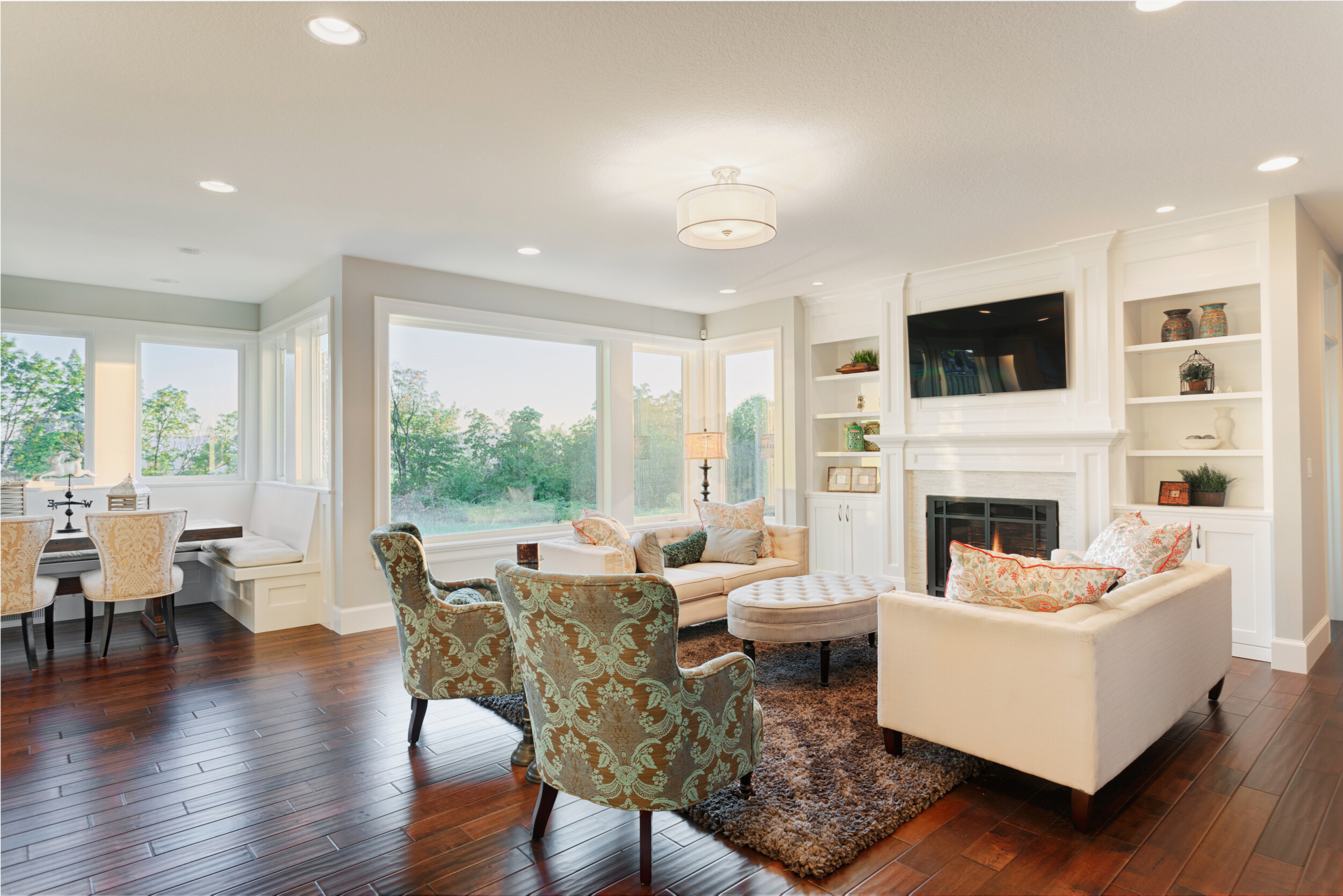
Color is where the mood really shifts. Modern design typically sticks to a neutral base. Whites, creams, beiges, and grays dominate the walls. Then, bold primary colors—like a bright red chair or a blue vase—are used as accents. It’s high contrast but controlled. The lighting is often hidden or sculptural. Think recessed lights, sleek floor lamps with simple shades, or pendant lights that look like geometric shapes. The goal is even, bright illumination that eliminates shadows.
Industrial spaces live in the darker, warmer end of the spectrum. The palette is earthy: browns, blacks, deep grays, and rusty oranges. You won’t see much white unless it’s peeling paint on an old wall. The lighting is a huge part of the decor. Edison bulbs with visible filaments are a staple. Metal cage lights, track lighting that looks like it belongs in a workshop, and warm, dimmable glow are key. It’s cozy in a cave-like way, not bright and airy.
If you want a room that feels energetic and clean, lean into the modern light and color scheme. If you want a space that feels like a cozy lounge or a creative studio, drop the brightness and embrace the shadows and warm tones of industrial style. It’s about setting the stage for how you want to spend your evening.
Furniture Forms and Functionality
Furniture in modern design is low-profile and sleek. Legs are often thin and tapered. Sofas have clean lines with little to no ornamentation. Storage is hidden away in seamless cabinets. The idea is to keep the visual weight light so the room feels spacious. You might see iconic pieces like the Eames Lounge Chair or a Noguchi table. These are sculptures you can sit on. Everything is designed to look effortless.
Industrial furniture is heavy and substantial. Think solid wood tables with metal bases, leather Chesterfield sofas that look worn-in, and shelving units made from pipes and planks. The furniture often looks like it could survive a move across the country without a scratch. It’s functional, yes, but it also has a presence. It anchors the room. You don’t hide storage in industrial design; you display it on open metal shelves.
Mixing these can be tricky. A sleek modern sofa can look lost in a room full of heavy industrial gear. Conversely, a bulky industrial armchair can crush a delicate modern living room. If you are blending, try to balance the visual weight. Pair a heavy industrial table with lighter, modern chairs to keep the space from feeling too dark or too cold.
Layout and Spatial Flow
Modern design loves open floor plans, but it defines spaces through furniture placement and rugs rather than walls. The flow is smooth and unobstructed. You can see from one end of the room to the other. Windows are large and often left bare or with simple sheer curtains to maximize natural light. The connection to the outdoors is important, so you might see large sliding doors leading to a patio.
Industrial design also uses open spaces, but it embraces the structural elements of the building. High ceilings with exposed ductwork and beams are common. The layout might feel a bit more segmented by large pieces of furniture or partial walls made of glass and metal. Windows are often large factory-style sash windows with black frames. The focus is inward, on the interior architecture, rather than outward to the landscape.
In smaller apartments, modern design can make a space feel bigger by keeping things minimal and light. Industrial design can make a small space feel cozy but potentially cramped if you aren’t careful with scale. If you have low ceilings, industrial might feel oppressive unless you keep the furniture low. Modern design is generally more forgiving in compact spaces because it prioritizes negative space.
So, which one should you choose? It depends on your lifestyle. Do you have kids or pets? Industrial design is surprisingly practical because it hides wear and tear. A scratch on a reclaimed wood table just adds to the story. Modern design requires more maintenance to keep that pristine look. Dust shows up on glossy surfaces, and light-colored fabrics stain easily.
Budget is another factor. Authentic industrial design can be expensive if you are buying real reclaimed materials, but you can fake it with cheaper alternatives. Modern design can range from very affordable flat-pack furniture to high-end designer pieces. In 2026, sustainability is big, so both styles are adapting. Modern design is using more eco-friendly composites, while industrial design is championing upcycling.
Don’t feel pressured to pick one lane. The trend now is "soft industrial" or "warm modern." Take the clean lines of modern design and add industrial textures like a concrete planter or a metal bookshelf. Or take an industrial loft and soften it with modern, plush seating and bright art. The best homes are the ones that reflect who you are, not just what magazine says is trendy. Start with what makes you feel comfortable, and build from there.
At the end of the day, design is personal. Whether you lean towards the sleek precision of modern or the rugged charm of industrial, the goal is to create a space that supports your daily life. Don’t worry about getting every detail right. Mix a few things up. See what sticks. Your home should feel like you, not a showroom. And honestly, that’s the only rule that really matters.