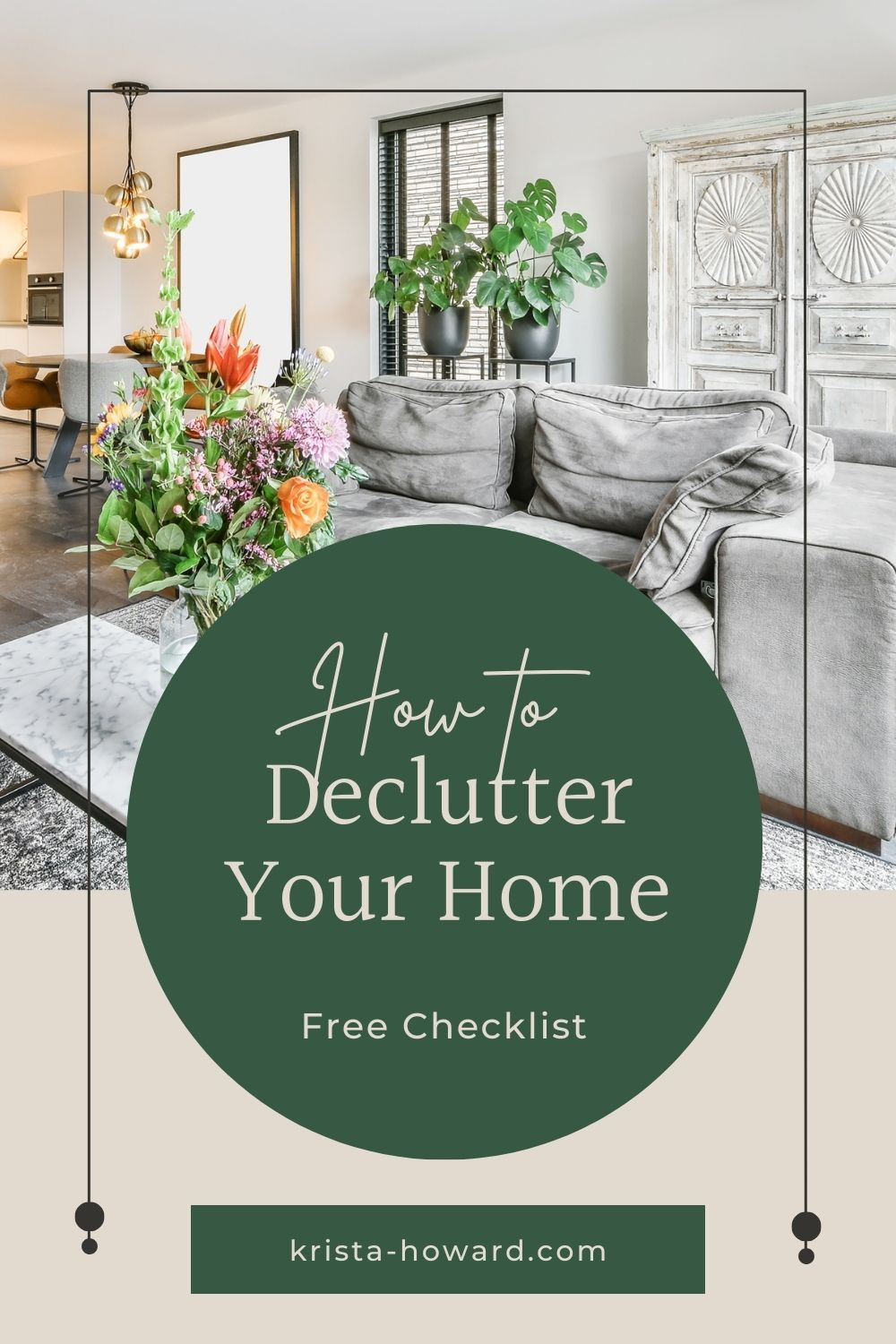
You walk into your living room. You sigh. It’s not because you’re tired, exactly. It’s because the space feels… loud. Maybe it’s the pile of magazines on the coffee table that never seems to shrink. Maybe it’s the sofa that looked great in the store but feels wrong here. Or maybe it’s just that nagging sense that nothing quite fits together. We’ve all been there. In 2026, our homes are supposed to be our sanctuaries, yet so many of us feel stressed by the very rooms meant for relaxation.
The word "curated" gets thrown around a lot these days. It sounds expensive. It sounds like you need a degree in interior design or a bottomless budget. But really? It’s just about choice. It’s about picking the things that matter and letting go of the rest. It’s about creating a space that breathes. You don’t need to match every pillow. You don’t need to follow a strict rulebook. You just need a plan that doesn’t make your head spin.
Let’s take a deep breath. We are going to strip away the noise. We aren’t trying to create a showroom perfect for a magazine cover. We are building a room for you. A place where you can actually sit down and unwind. This isn’t about perfection. It’s about presence. And honestly? It’s easier than you think.
The Mindset Shift: From Decorating to Editing
Most people start with shopping. They see a cool lamp online, or a rug on sale, and they buy it. Then they try to make it fit. This is backwards. It’s like buying ingredients for a meal before you decide what you’re cooking. You end up with a pantry full of random stuff and no dinner. The first step to a stress-free living room isn’t adding; it’s subtracting. It’s editing.
Think of your room like a gallery. A good gallery doesn’t hang every painting it owns on one wall. It leaves space. It lets each piece speak. In 2026, the trend isn’t just minimalism for the sake of being bare. It’s "modern organic" or "warm minimalism." It’s about keeping the clean lines but adding soul. To get there, you have to look at what you already have with fresh eyes. Ask yourself: Do I love this? Do I use this? Does this make me feel calm? If the answer is no, it has to go. Be ruthless. That chair you keep because it was a gift from an aunt you barely like? Donate it. That stack of old tech cables? Recycle them.
This phase feels hard because we attach emotions to objects. But remember, clearing physical clutter clears mental clutter. When you remove the items that drain your energy, you make room for the ones that spark joy. It’s not about having less for the sake of it. It’s about having better. Once you’ve purged the non-essentials, you’ll see the bones of your room. You’ll see the light. You’ll see the potential. And suddenly, the next steps feel manageable instead of overwhelming.
Anchoring the Space with Intentional Furniture
Now that the room is empty, don’t rush to fill it back up. This is where most people panic. They feel the emptiness and want to plug it immediately. Resist that urge. Start with the anchors. In a living room, this is usually the sofa and maybe one or two other large pieces. These are your investments. They set the tone.
Forget the idea that you need a matching set. Sofa, loveseat, and armchair in the same fabric? That’s a quick way to make a room feel stiff and dated. Instead, look for pieces that talk to each other but don’t shout the same thing. Maybe you have a sleek, low-profile sofa in a neutral linen. Pair it with a vintage leather armchair that has some wear and tear. The contrast adds character. It feels collected over time, not bought in a day. This is the core of the "curated" look. It feels authentic.
When choosing these big pieces, prioritize comfort and scale. Measure your room. Twice. There is nothing more stressful than a sofa that blocks the flow of traffic or makes the room feel cramped. In smaller spaces, opt for furniture with legs. Seeing the floor underneath creates a sense of airiness. It tricks the eye into thinking the room is bigger. And please, test the seats. If you can’t sink into it and read a book for an hour, it doesn’t belong in your sanctuary. Functionality is key. If a piece looks great but hurts your back, it’s just a sculpture. And you probably don’t need another sculpture.
The Power of Neutral Palettes and Texture
Color can be terrifying. Pick the wrong shade of blue, and the whole room feels off. That’s why starting with a neutral palette is the safest bet for a stress-free design. Neutrals don’t mean boring beige. In 2026, neutrals are warm. Think oatmeal, soft clay, warm greys, and creamy whites. These colors act as a canvas. They calm the nervous system. They let you change the vibe of the room with small swaps later on, like pillows or throws, without repainting walls.
But here is the secret: if you stick to one color, you must vary the texture. A room with a beige sofa, beige walls, and a beige rug will look flat. It will look like a hotel lobby that no one stays in. You need depth. Mix materials. Combine the smoothness of leather with the nubbly weave of a wool throw. Add a wooden coffee table with visible grain. Throw in a ceramic vase with a rough, handmade finish. These textures catch the light differently. They create shadows and highlights. They make the eye travel around the room.
This approach takes the pressure off finding the "perfect" color match. You don’t have to worry if the green in your pillow matches the green in your plant. They just coexist. By keeping the base neutral and textural, you create a backdrop that feels sophisticated but relaxed. It’s forgiving. If you spill wine on a white rug, it’s a tragedy. If you spill it on a textured, multi-tonal wool rug, it’s life. Design should work for your real life, not against it. Embrace the imperfections. They add warmth.
Lighting Layers for Mood and Function
Lighting is the makeup of interior design. You can have the best furniture in the world, but if the lighting is harsh and flat, the room will feel uninviting. Most living rooms suffer from "the big light" syndrome. That single ceiling fixture that blasts everything with sterile brightness. Turn it off. Seriously. Never use it unless you’re cleaning.
Instead, think in layers. You need three types of light: ambient, task, and accent. Ambient light is the general glow. This comes from floor lamps or wall sconces that bounce light off the ceiling or walls. It’s soft and diffuse. Task light is for doing things. A reading lamp next to your chair. A small light on a side table for when you’re working on a laptop. Accent light is for drama. Maybe a small spotlight on a piece of art or a candle on the mantel.
In 2026, smart lighting has made this easier. You can set scenes. "Movie mode" dims the lights to a warm amber. "Reading mode" brightens the corner chair. But you don’t need expensive tech. Just use bulbs with a warm color temperature (2700K or lower). Avoid cool white bulbs; they feel like a hospital. Place lamps at different heights. A tall floor lamp here, a short table lamp there. This variation creates visual interest and eliminates dark corners. When the sun goes down, your living room should transform into a cozy cave. Lighting is the tool that makes that happen. It sets the mood without you saying a word.
Curating Decor: Quality Over Quantity
This is the fun part. The accessories. The art. The plants. This is also where clutter creeps back in. The rule of thumb? Less is more. But "less" doesn’t mean empty. It means intentional. Every object should have a reason to be there. Either it’s beautiful, or it’s useful, or it has a story. Ideally, it’s all three.
Start with art. You don’t need original Picassos. You need things that speak to you. A large-scale print can anchor a wall. A gallery wall of family photos can add warmth. Just keep the frames consistent or deliberately eclectic. Don’t mix five different styles of black frames; pick one. Or, mix wood and metal intentionally. Hang art at eye level. Not too high. You shouldn’t have to crane your neck to see it.
Then, look at surfaces. Your coffee table and shelves. Style them in groups of three or five. Odd numbers are more pleasing to the eye. Combine heights. A tall vase, a medium stack of books, a small bowl. Leave negative space. Don’t cover every inch of the shelf. Let the wall show through. This breathing room makes the items you do have look more special. It signals that you chose them carefully.
And don’t forget nature. Plants are the ultimate decor hack. They add life, color, and texture. They clean the air. A fiddle leaf fig in the corner. A trailing pothos on a shelf. Even a simple branch in a vase works. Nature connects us to the outdoors and softens the hard lines of modern furniture. It’s the easiest way to make a room feel alive. Just make sure you pick plants you can actually keep alive. A dead plant is not chic. It’s just sad.
You’ve done the work. The room looks amazing. It feels calm. Now, how do you keep it that way? This is the part most guides skip. Design isn’t a one-time event. It’s a practice. If you don’t have systems in place, the clutter will return. It always does. Life happens. Mail piles up. Toys appear. Laundry migrates.
The key is "a place for everything." This sounds cliché, but it’s true. If you don’t have a designated spot for your keys, they end up on the dining table. If you don’t have a basket for remotes, they scatter across the sofa. Invest in stylish storage. A beautiful woven basket can hide blankets and magazines. A cabinet with doors can hide the ugly electronics. Out of sight, out of mind. But make it easy. If putting something away requires ten steps, you won’t do it. Make it effortless.
Schedule a weekly reset. Take ten minutes on Sunday evening to tidy up. Put the pillows back. Fold the throw. Clear the coffee table. This small habit prevents the buildup of chaos. It keeps the energy of the room clear. Also, adopt a "one in, one out" rule. If you buy a new decorative object, donate an old one. This keeps the volume of stuff constant. It forces you to be mindful about new acquisitions.
Remember, your living room is a living space. It’s okay if it’s not perfect every second. But by setting these boundaries, you protect the peace you’ve created. You ensure that your home remains a refuge, not a source of stress. It’s about respect. Respect for your space, and respect for yourself. You deserve a place that supports your well-being. And that’s worth a little bit of effort.
So, take a look around. Breathe. Notice the light hitting the floor. Feel the texture of the rug under your feet. Listen to the silence. This is your space. You built it. Not with money, but with intention. And that makes all the difference. Keep it simple. Keep it yours. And enjoy the calm.