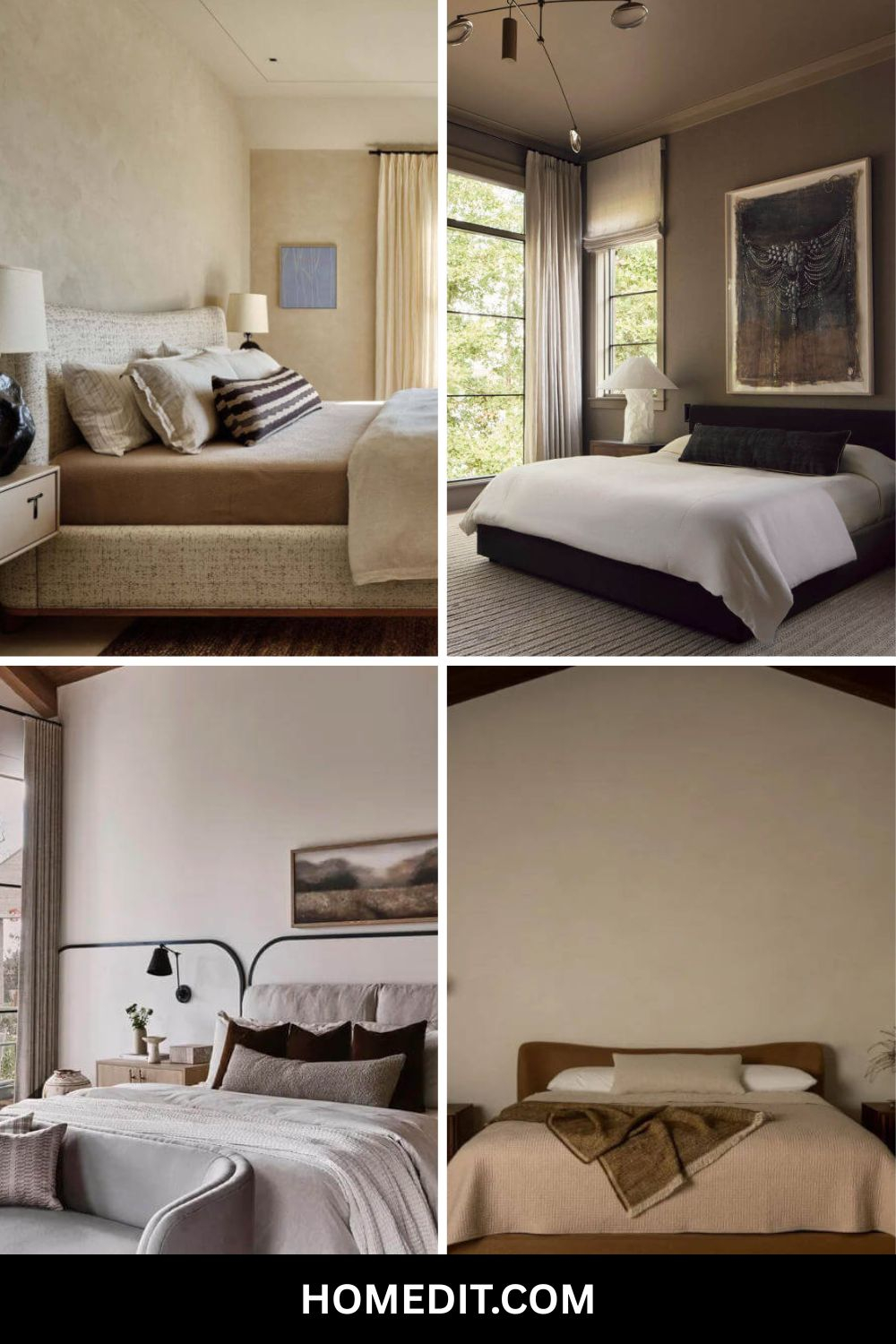
Ever stared at your bedroom ceiling at 3 AM, wondering if that cracked plaster is a sign of something deeper? Or maybe you just hate the beige walls. We’ve all been there. The bedroom is supposed to be our sanctuary, the one place where the world stops spinning for a few hours. But when you start thinking about changing it, the numbers can feel like a cold bucket of water. It’s not just about picking a pretty paint color anymore. In 2026, the cost of creating a restful space has shifted, driven by supply chain quirks, labor shortages, and a new emphasis on health-focused design.
So, what does it actually cost to fix up your sleeping quarters this year? The answers are all over the map. You might hear $1,500 from a friend who did it themselves, or $40,000 from a contractor who wants to knock down walls. The truth, as usual, sits somewhere in the messy middle. This isn’t just about money; it’s about value. It’s about understanding why a square foot of hardwood costs more than it did five years ago, and why your electrician charges what they do. Let’s peel back the layers of pricing to see what’s really going on beneath the surface of your next renovation project.
The Sticker Shock Reality Check
Let’s rip the band-aid off first. How much are we talking here? If you look at the data from early 2026, the range is staggering. For a simple cosmetic refresh—think new paint, some updated lighting fixtures, and maybe swapping out old carpet for decent laminate—you’re looking at roughly $2,000 to $5,000. That’s for an average-sized room. It’s manageable for many households, especially if you’re willing to do some of the legwork yourself. But "manageable" doesn’t mean cheap. Paint prices have crept up, and good quality flooring isn’t the bargain it used to be.
Now, if you want to get serious, the numbers jump. A mid-range transformation, which might include new furniture, better insulation for soundproofing, and custom closet solutions, typically lands between $8,000 and $15,000. This is where most homeowners find themselves. It’s the sweet spot where you get significant quality-of-life improvements without selling a kidney. However, if you’re dreaming of a luxury overhaul with structural changes, high-end smart home integration, and premium materials like solid hardwood or natural stone accents, you can easily soar past $20,000. Some extensive projects even hit the $30,000 to $40,000 mark. It sounds crazy, right? But when you break it down, every nail and board adds up.
The key takeaway here is that "average" is a dangerous word. An average remodel might cost $20,000 according to some industry reports, but that average includes everything from a simple facelift to a gut renovation. Don’t let the average scare you, but don’t let it lull you into complacency either. Your specific needs will dictate your specific bill. And remember, these numbers aren’t static. They fluctuate based on where you live, who you hire, and what time of year you start digging.
The Big Three: Size, Scope, and Stuff
What actually makes the price tag tick upward? It usually comes down to three main levers: room size, project scope, and material quality. Room size is the simplest multiplier. It’s basic math, really. A larger bedroom needs more flooring, more drywall, more paint, and more labor hours to install it all. If you’re adding square footage by knocking into an adjacent closet or hallway, you’re not just buying materials; you’re paying for structural engineering and permits. That’s a whole different ballgame.
Then there’s the scope. Are you just painting? Or are you moving walls? Moving a wall involves electrical rewiring, potentially moving HVAC vents, and patching ceilings. Each of these tasks requires a different specialist. An electrician, a carpenter, a painter, and maybe an HVAC tech. Coordinating these trades takes time, and time is money. Labor costs reflect local wage rates, which have seen a steady climb into 2026. In high-cost urban areas, labor can account for nearly half of your total budget. In rural areas, it might be less, but finding available workers can be harder, which can also drive up prices due to scarcity.
Material quality is the wild card. This is where you can swing costs by 20-40% or more without changing the room’s footprint. Choose engineered wood instead of solid hardwood? You save money. Pick premium plush carpet over standard synthetic blends? You pay more. It’s not just about durability, though that’s part of it. It’s about the feel. People in 2026 are more conscious of what they’re bringing into their homes. They want materials that look good, feel good, and last. But that desire for quality comes with a premium price tag. You have to decide where you want to splurge and where you can skimp. Maybe you go cheap on the closet shelves but invest heavily in the mattress platform and flooring. It’s all about priorities.
Hidden Costs That Sneak Up on You
Here’s the thing about renovations: they rarely go exactly to plan. You open up a wall and find outdated wiring that doesn’t meet current code. Or you pull up the carpet and discover the subfloor is rotted from a leak ten years ago. These are the hidden costs that blow budgets wide open. In 2026, building permits alone can cost between $450 and $2,800, depending on your municipality and the complexity of the work. It’s not just a fee; it’s a process. And if you skip it, you risk fines and issues when you try to sell your home later.
Demolition and prep work are another area people underestimate. Tearing out old fixtures isn’t free. Hauling away debris costs money. Disposing of hazardous materials like old lead paint or asbestos (if your home is older) requires specialized contractors and adds significant expense. You should always account for a contingency fund. Most experts recommend setting aside 10-20% of your total budget for surprises. If you don’t use it, great! You can buy nicer lamps. But if you do need it, you won’t be panicking.
Also, consider the cost of living while you renovate. If you’re doing a major gut job, you might not be able to sleep in that room for weeks. Where will you stay? Will you need to rent a temporary space? Or will you be tripping over tools and dust sheets for a month? The inconvenience has a cost too, even if it’s not directly financial. Stress levels rise. Sleep quality drops. It’s worth factoring in the human toll of construction chaos. Planning your timeline carefully can mitigate some of this, but it’s never completely avoidable.
The Labor Landscape in 2026
Let’s talk about the people doing the work. The labor market in 2026 is still tight. Skilled tradespeople are in high demand, and there aren’t enough of them to go around. This scarcity drives up hourly rates. An experienced carpenter or electrician knows their worth. They’re not just charging for the hour they spend in your house; they’re charging for the years of training, the insurance, the tools, and the reliability. When you hire a pro, you’re paying for peace of mind. You’re paying to know the job will be done right, safely, and up to code.
But this also means you need to be smart about hiring. Get multiple quotes. Don’t just go with the cheapest option, because that often signals corner-cutting. But don’t assume the most expensive one is the best either. Look for reviews, ask for references, and check their licensing. Communication is key. A contractor who listens to your concerns and explains the process clearly is worth their weight in gold. Poor communication leads to mistakes, and mistakes cost money to fix.
There’s also a trend towards specialized labor. Instead of one general contractor doing everything, you might have separate teams for smart home installation, eco-friendly material sourcing, and custom millwork. This specialization ensures higher quality in each area but requires more coordination. It’s like conducting an orchestra. If the conductor (your project manager or general contractor) isn’t good, the music sounds terrible. Make sure you have a strong leader for your project, whether that’s a hired pro or you taking on the role yourself.
Smart Choices for Every Budget
You don’t need to spend a fortune to make your bedroom feel new. There are plenty of ways to stretch your dollar. Start with paint. It’s the most cost-effective way to transform a space. A fresh coat of calming blue or warm neutral can change the entire vibe of the room for under $500. Pair it with new lighting. Swapping out dated ceiling fixtures for modern sconces or pendant lights can add drama and functionality without breaking the bank. LED technology has advanced so much that you can get great light quality and energy savings for a reasonable price.
Focus on textiles. New bedding, curtains, and rugs can soften hard edges and add color. You can find high-quality options at various price points. Thrift stores and online marketplaces are goldmines for unique furniture pieces. A vintage nightstand sanded and refinished can look more expensive than a brand-new particleboard one. It takes effort, sure, but it saves cash and adds character. Plus, it’s sustainable. Reusing items is better for the planet and your wallet.
If you’re planning a bigger renovation, prioritize the elements you interact with most. Spend more on the flooring you walk on barefoot and the mattress you sleep on. Skimp on the decorative trim or the fancy hardware if you have to. Think about long-term value too. Energy-efficient windows might cost more upfront, but they’ll save you on heating and cooling bills for years. Good insulation improves sleep quality by reducing noise and regulating temperature. These are investments in your health, not just your home’s aesthetics. Remember, a bedroom redesign isn’t just about looks; it’s an investment in your happiness and well-being.
Before you swing a hammer or buy a single gallon of paint, take a step back. Plan thoroughly. Measure your room twice. Sketch out your ideas. Visualize how you use the space. Do you need more storage? Better light for reading? A quieter environment? Answering these questions helps you allocate your budget where it matters most. Don’t just follow trends. Trends fade. Functionality lasts. A well-designed bedroom works for you, day and night.
Consider the resale value, even if you plan to stay forever. Neutral choices and quality finishes appeal to a broader audience. Avoid overly personalized designs that might turn off future buyers. Keep the big-ticket items classic and add personality through accessories that are easy to change. This approach protects your investment and gives you flexibility. It’s a balance between personal joy and practical wisdom.
Finally, be patient. Renovations take time. Rushing leads to mistakes and higher costs. Allow for delays. Supply chains can still be unpredictable. Weather can impact exterior work that affects your interior. Life happens. By building buffer time and buffer money into your plan, you reduce stress. And a low-stress renovation is a successful one. At the end of the day, you’re creating a space for rest. The process shouldn’t rob you of your peace. Keep your eye on the goal: a bedroom that feels like a hug at the end of a long day.
Creating your ideal bedroom in 2026 is a journey of balancing desires with dollars. It’s about knowing what drives the price—size, scope, materials, and labor—and making informed choices. Whether you’re spending $2,000 or $20,000, the goal remains the same. You want a space that restores you. By understanding the real costs and planning smartly, you can achieve that without losing your shirt or your sanity. It’s possible. It just takes a bit of homework, a lot of patience, and a clear vision of what matters most to you. So take a deep breath, look at your budget, and start dreaming. Your sanctuary is waiting.