The alarm goes off at 6:30 AM, but the day’s stress arrived hours earlier, quietly colonizing your waking thoughts before your feet even touch the floor. Most of us treat the bedroom as an afterthought—a dumping ground for unfolded laundry, a charging station for blue-light-emitting devices, and a haphazard collection of furniture picked up out of convenience rather than intention. We wonder why sleep feels elusive, why our homes fail to restore us, and why waking up feels like an endurance sport rather than a gentle return to consciousness.
Strip away the decorative clutter and the lifestyle magazine styling, and the root problem becomes glaringly obvious: sensory dissonance. Your nervous system is constantly registering the environment. A stark white wall reflecting harsh LED downlights while synthetic microfiber sheets cling to your skin creates an invisible stream of low-grade friction. You are living in a space that fights your biology instead of cradling it.
Transforming this room into a genuine sanctuary requires moving past random stylistic choices and learning to compose three foundational elements: color, lighting, and texture. When these three variables work in harmony, they regulate your circadian rhythm, lower your cortisol levels, and turn a four-wall box into a restorative retreat. This is not about chasing fleeting internet aesthetics or buying expensive statement pieces; it is about architectural psychology and material honesty designed to serve your daily well-being.
Historically, the bedroom has undergone a fascinating evolution from a communal, drafty chamber of the medieval era to the hyper-sanitized, white-box drywall rooms of the late 20th century. For decades, home builders and commercial developers pushed a uniform template: flat white ceilings, beige carpets, and a single, glaring overhead fixture controlled by a switch near the door. We inherited a design language built for ease of construction, not for human nervous system regulation.
Yet, as urban densities have surged and digital hyper-connectivity has blurred the boundaries between work and rest, the psychological need for a domestic sanctuary has reached a tipping point. Modern environmental psychology shows that our living spaces directly dictate our cognitive load. The bedroom is the final frontier of physical autonomy. By consciously curating chromatic palettes, circadian-aligned illumination, and tactile diversity, you are actively rewriting your physical relationship with rest.
The Chromatic Foundation of Neurological Calm
Color is not merely something we see; it is an atmospheric frequency that triggers immediate neurochemical responses in the brain. Walk into a room painted in high-saturation primary red, and your heart rate subtly accelerates, your blood pressure ticks upward, and your brain prepares for action. Conversely, immerse yourself in deep forest greens, desaturated slate blues, or warm, calcified clays, and the parasympathetic nervous system receives a visual cue that it is safe to power down. Building a sanctuary begins with discarding the sterile, default bright white that dominates modern real estate and embracing chromatic depths that mirror the natural world.
When selecting a bedroom palette, understanding undertones is infinitely more important than naming the top-coat hue. A gray paint with a blue undertone can feel cold, institutional, and austere under cloudy northern light, while the exact same gray with a green or brown undertone transforms into a grounding, earthen embrace. The goal is to build a monochromatic or analogous color scheme where shifts in tone are subtle rather than jarring. Think of how nature layers shades of bark, soil, and stone without sudden, violent contrasts. This visual quietness allows the eye—and by extension, the mind—to rest.
Beyond walls and large surfaces, the color of your sanctuary must account for how light interacts with pigment throughout a twenty-four-hour cycle. A deep, moody terracotta wall absorbs morning light and radiates warmth during the golden hour, whereas a glossy, high-reflectance synthetic paint bounces erratic daylight across the room, creating subconscious visual noise. Matte and low-sheen finishes, such as limewash, mineral paints, or ultra-matte acrylics, diffuse light softly across the room’s perimeter. This eliminates harsh glare and creates a velvety, cocoon-like atmosphere that prepares the body for deep, uninterrupted sleep.
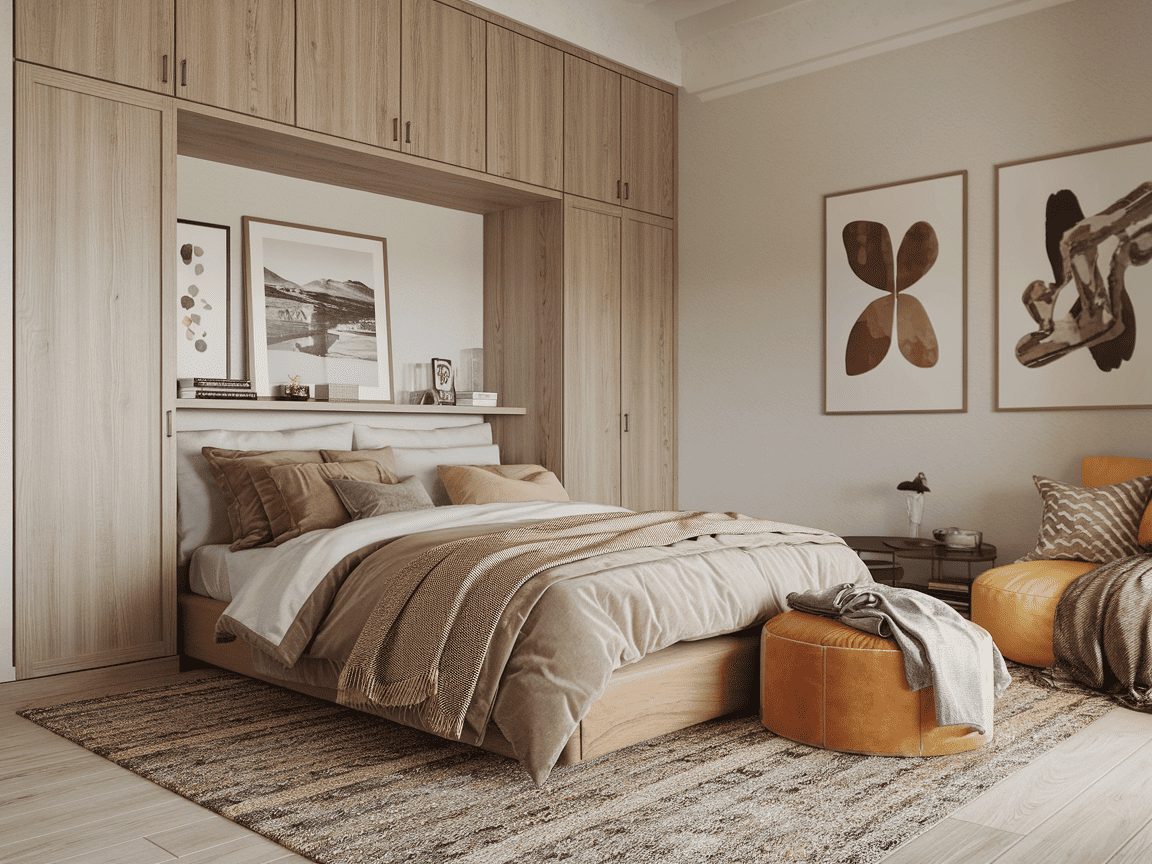
Applying color strategically also means anchoring the space with a grounding base while utilizing restrained accents that do not disrupt the horizontal flow of the room. Large planes—floors, walls, and headboards—should occupy the muted, low-stimulus end of the spectrum. Textiles and movable decor can introduce slightly richer or deeper tones, but even these should remain tethered to an earthy, cohesive family. By eliminating high-contrast visual collisions, you remove the micro-stressors that keep your brain alert long after the lights go out.
The Architecture of Illumination and Circadian Alignment
Lighting is the master conductor of your daily biological rhythm, yet it is routinely treated as an afterthought solved by a single bulb in the center of the ceiling. Overhead lighting of any kind—especially when fixed at a harsh 4000K or 5000K daylight temperature—sends a direct chemical signal to the suprachiasmatic nucleus in your brain that the sun is still high in the sky. This halts melatonin production, tricks your endocrine system, and leaves you tossing and turns even after you have pulled the covers over your head. A true bedroom sanctuary abandons the singular overhead light source in favor of a layered, multi-tier lighting topography.
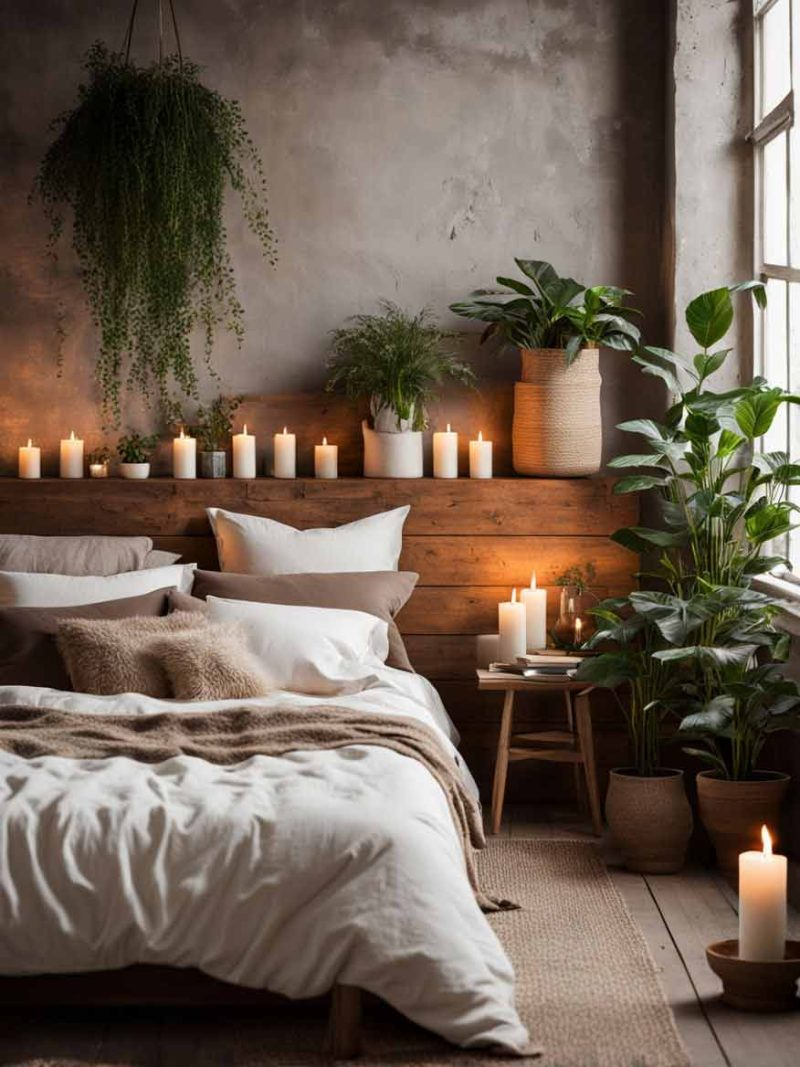
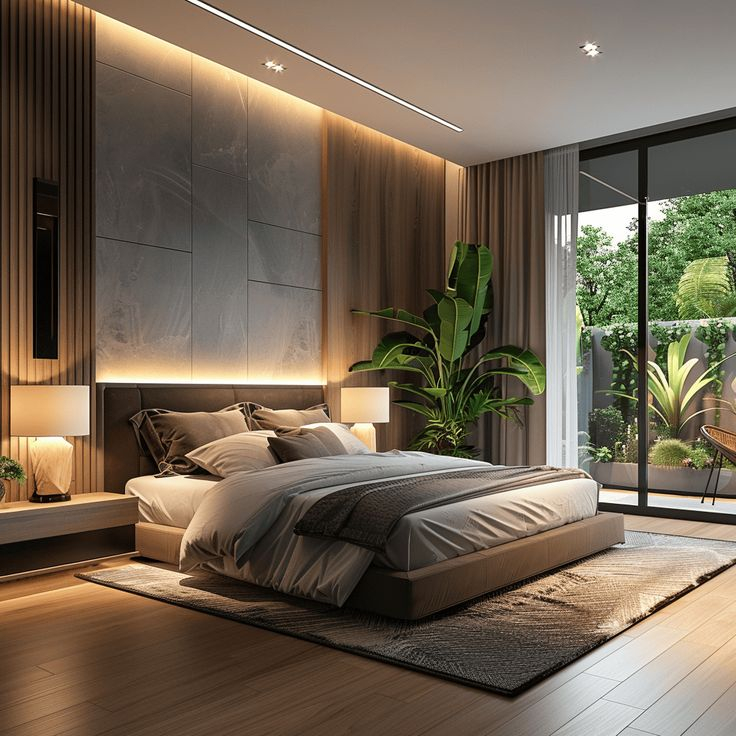
The secret to sanctuary lighting lies in mimicking the natural arc of the sun through color temperature manipulation and vertical placement. As dusk approaches, your lighting should drop both in physical height within the room and in Kelvin temperature. High-intensity task lighting belongs at a desk or a vanity, but the bed zone requires warm, low-level illumination anchored below eye level. Think of table lamps with ceramic or heavy linen shades that cast a soft pool of amber light downward, wall sconces with warm 2200K to 2700K integrated LEDs, and dimmable floor uplights that wash textured walls in a gentle glow.
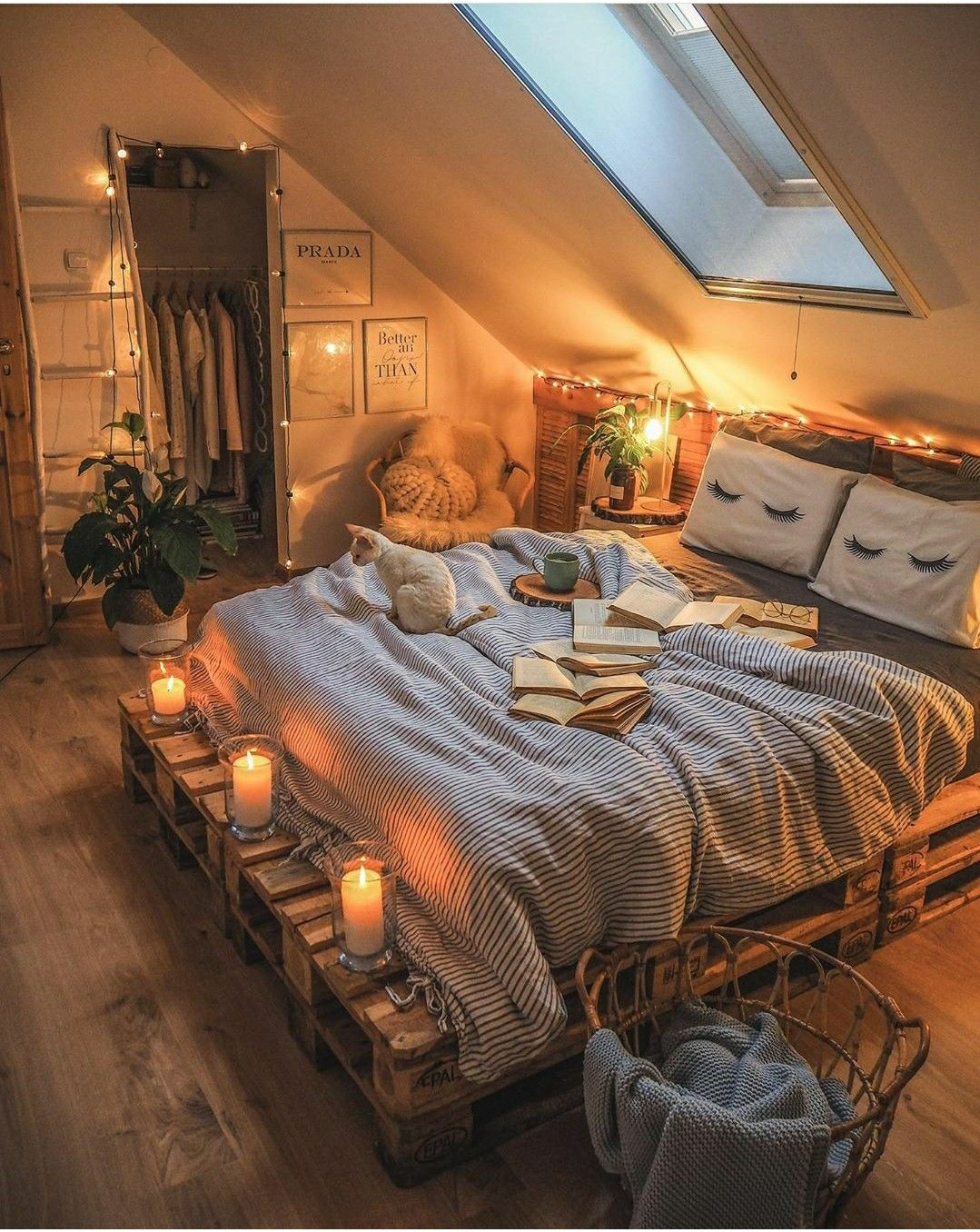
Smart-home integration, when used judiciously, becomes a powerful tool for circadian health rather than a tech gimmick. Programmed bulbs that automatically shift from a crisp 3500K at noon down to a deep, fire-like 1800K by 8:00 PM remove the cognitive friction of manually adjusting switches throughout the evening. Furthermore, diffusing light through materials like opaline glass, woven rattan, or perforated ceramics softens the beam, turning raw lumens into a tactile, atmospheric experience. The light should feel less like an interrogation and more like a fading hearth.
Natural light must be managed with equal intentionality. While waking up to gentle morning sunlight is biologically beneficial, harsh midday glares can overheat a room and shatter its tranquil mood. Layering sheer linen draperies that diffuse harsh light with blackout shades housed in recessed tracks ensures you control the environment rather than letting the elements dictate your comfort. When daylight and artificial light are both soft, directional, and controllable, the bedroom transforms into a sanctuary that breathes in sync with your biology.
Step-by-Step Practical Implementation Guide
- Step 1 (Auditing and Clearing the Canvas): Strip the bedroom down to its architectural core by removing clutter, synthetic decor, and redundant furnishings. Evaluate the natural light direction—north-facing rooms require warmer undertones, while south-facing rooms can handle cooler, muted neutrals.
- Step 2 (Establishing the Chromatic Base): Choose a matte or limewash paint finish in a grounding, low-saturation earth tone or sophisticated neutral. Apply this across all walls and trim to eliminate visual choppiness and create a seamless, enveloping envelope.
- Step 3 (Building the Lighting Hierarchy): Eliminate overhead ceiling fixtures or keep them on dedicated dimmers. Install low-level light sources—bedside table lamps, swing-arm reading sconces, and floor uplights—all operating between 2200K and 2700K with high Color Rendering Index (CRI) ratings above 90.
- Step 4 (Layering Tactile Textures): Introduce contrasting materials systematically: a heavyweight jute or wool rug for the floor, crisp linen or brushed cotton for primary bedding, a structured wood or upholstered headboard, and chunky knit or velvet throws for visual weight.
- Step 5 (Refining and Curating Details): Add natural wood elements, unpolished brass or matte black hardware, and breathable botanical life. Keep horizontal surfaces clear, ensuring every remaining object serves either a functional purpose or a profound emotional resonance.
Common Pitfalls and Field-Tested Workarounds
- Pitfall 1 (The Single Overhead Light Trap): Relying on a central ceiling fixture casts unflattering shadows and keeps the brain wired due to high placement and excessive lumens. Workaround: Cap the ceiling outlet entirely or replace the fixture with an ultra-low-profile flush mount on a dimmer, prioritizing floor and table lamps that sit below eye level.
- Pitfall 2 (Monotonous Material Matching): Buying a complete bedroom suite where the bed frame, nightstands, and dresser are all cut from the exact same synthetic veneer creates a flat, sterile hotel room effect. Workaround: Mix material categories deliberately—pair a reclaimed white oak bed with forged iron sconces, a vintage travertine nightstand, and textured ceramic accessories.
- Pitfall 3 (High-Reflectance Synthetic Finishes): Using glossy, washable paints and polyester bedding bounces light erratically and traps body heat, causing physical discomfort and visual restlessness. Workaround: Invest in breathable natural fibers (linen, organic cotton, wool) and specify ultra-matte or mineral-based wall paints that absorb and diffuse light gently.
- Pitfall 4 (Neglecting the Power of Scale): Placing a tiny, timid rug under a king-size bed or hanging an undersized piece of art makes the room feel ungrounded and chaotic. Workaround: Ensure bedroom rugs extend at least 18 to 24 inches beyond the sides and foot of the bed, and anchor walls with substantial, breathing focal points rather than cluttered gallery walls.
- Pitfall 5 (Digital Clutter and Visible Wire Chaos): Allowing charging bricks, extension cords, and glowing LED standby lights to populate nightstands ruins the sensory calm of the space. Workaround: Install recessed in-wall cord management systems, use enclosed bedside storage with integrated grommets, and cover mandatory indicator lights with dimming stickers.
The Science of Tactile Architecture and Material Honesty
Texture is the physical language of a room; it is how a space feels against your fingertips, your bare feet, and even your eyes. In a world dominated by smooth glass screens, cold stainless steel, and uniform plastic casings, our tactile sense is severely undernourished. When a bedroom features a single material texture—such as slick painted drywall, smooth laminate flooring, and slippery polyester sheets—the eye slides across the room without friction, registering a sterile, ungrounded void. True sanctuary design requires tactile diversity: a deliberate orchestration of rough, smooth, soft, dense, and woven surfaces that invite physical touch.
Consider the journey of material interaction from the moment you wake up. Your feet transition from the mattress to a heavy, high-pile wool or natural jute rug that grounds your posture. Your hands brush against the porous grain of an unsealed oak nightstand or the cool, dense weight of a honed travertine tabletop. Your bed is not a flat sheet of synthetic fabric, but a physical landscape of stone-washed European flax linen that breathes with your body temperature, layered with a waffle-weave cotton blanket and a heavy, weighted coverlet. This interplay of varied tactile weights signals to your tactile receptors that you are surrounded by authentic, organic matter rather than industrial facsimiles.
Material honesty is the guiding principle that separates a curated sanctuary from a temporary trend. Plastics, synthetic faux-leathers, and cheap wood-grain foils off-gas volatile organic compounds (VOCs) and degrade tactilely over time, developing an unpleasant sheen where skin oils make contact. Natural materials—solid hardwoods, unlacquered brass, terracotta, wool, linen, and stone—actually improve with age, developing a patina that records the passage of time. This physical aging process creates an unconscious bond between the occupant and the room, anchoring the space with a sense of permanence and emotional safety.
Integrating texture also dictates the acoustic quality of the bedroom, an often-overlooked dimension of sanctuary design. Hard drywall, minimalist concrete floors, and bare glass windows bounce sound waves endlessly, turning every outside car door slam or hallway murmur into an echo chamber that disrupts light sleep cycles. Heavy linen draperies, upholstered headboards, textured area rugs, and porous lime-washed walls act as natural acoustic dampening panels. They absorb ambient noise, creating an acoustic cocoon where silence feels deep, heavy, and restorative.
Holistic Perspectives on Restorative Domestic Ecology
Building a bedroom sanctuary extends far beyond interior decoration; it is an exercise in domestic ecology and personal boundary-setting. In contemporary culture, the bedroom has increasingly been co-opted as a secondary office, an entertainment lounge, and a storage depot. Reclaiming this space as an uncompromised sanctuary requires a radical shift in how we view the boundary between productivity and rest. When color, lighting, and texture align to signal safety, the room ceases to be a passive container and becomes an active participant in your mental health.
The economic and psychological value of restorative sleep cannot be overstated, yet modern architecture often treats the bedroom as the smallest, least ventilated room in the house. True sanctuary design must account for indoor air quality and atmospheric purity. Integrating non-toxic mineral paints, natural fiber mattresses free of chemical flame retardants, and breathable textiles ensures that your lungs are not processing industrial chemicals while your body repairs itself for eight hours. Pair these material choices with resilient houseplants like snake plants or peace lilies that thrive in low-light conditions, and the bedroom becomes a living, breathing micro-ecosystem.
Looking toward the future of residential design, the focus is shifting rapidly away from fast-furniture consumption and toward circular, sustainable craftsmanship. Investing in heritage-quality pieces—a hand-knotted wool rug, a solid wood bed frame joined without toxic adhesives, heirloom linen bedding—reduces environmental waste while radically upgrading your daily tactile experience. This is the ultimate luxury: not flashiness or brand prestige, but the quiet confidence that every object in your private domain has been chosen for its integrity, its beauty, and its capacity to heal.
Ultimately, the sanctuary you build is a physical manifestation of the respect you hold for your own mind and body. When you turn off the harsh overhead lights, pull back the breathable linen covers, and let your eyes adjust to the amber glow of a low-level lamp against an earthen limewash wall, the noise of the external world dissolves. You are no longer reacting to your environment; you are being held by it.
The journey toward a true bedroom sanctuary is rarely achieved in a single weekend afternoon of impulsive shopping; it is a deliberate, methodical unlearning of the sterile defaults we have been sold by modern real estate. By taking control of the chromatic palette, rejecting harsh overhead illumination in favor of circadian-aligned layers, and introducing honest, tactile materials, you reclaim the fundamental right to rest deeply.
As you stand back and assess your newly balanced space, notice the immediate shift in your own physical tension when you cross the threshold. The racing thoughts slow down, the shoulders drop away from the ears, and the frantic pace of the digital day gives way to quiet introspection. This is the tangible power of intentional environmental design—it works on your nervous system silently, persistently, and profoundly.
Take the first small step today by auditing one single element in your room—perhaps swapping out a harsh lightbulb for a warm, dimmable alternative or clearing the horizontal surfaces of non-essential clutter. Allow your sanctuary to evolve organically, prioritizing material honesty, biological alignment, and emotional peace above all else. Your home should not be a place you simply escape to recover from life; it should be the grounding foundation from which your best life is built.