We’ve all been there. Staring at the ceiling at 3 AM, wondering why your brain won’t shut off, while your beautifully curated room feels more like a showroom than a sanctuary. It’s frustrating, isn’t it? We spend hours picking out throw pillows and debating between matte black or brushed gold hardware, but we rarely stop to ask if these choices are actually helping us sleep. In 2026, the conversation around home design has shifted. It’s no longer just about aesthetics; it’s about biology. Your bedroom needs to work with your body, not against it.
Think about it. You spend roughly one-third of your life in this room. If the lighting is too harsh, the colors too stimulating, or the layout chaotic, you’re fighting an uphill battle every single night. But here’s the good news: you don’t need a complete renovation to fix it. Small, intentional tweaks can transform your space from a source of stress into a cocoon of calm. This isn’t about following rigid design rules or buying the most expensive mattress on the market. It’s about understanding how your environment impacts your nervous system and making choices that signal to your brain: it’s time to rest.
Let’s be honest, though. Most advice out there is either too clinical or too focused on trends. You don’t need a lecture on circadian rhythms, and you definitely don’t need another beige minimalist trend that feels cold and impersonal. You need practical, human-centered advice that respects your personal style while prioritizing your health. Whether you love bold patterns, cozy maximalism, or clean lines, there’s a way to make it work for your sleep. Ready to reclaim your nights? Let’s dive in.
The Psychology of Color: Beyond Just "Calming Blues
For years, we’ve been told that blue is the only color for sleep. And sure, it’s calming. But does it feel like you? If you hate blue, painting your walls navy isn’t going to help you relax; it’s just going to make you resent your bedroom. The key isn’t sticking to one specific hue, but understanding color temperature and saturation. In 2026, designers are moving away from sterile, all-white spaces and embracing warmer, earthier tones that ground the senses. Think soft terracottas, muted sage greens, or warm greiges. These colors mimic the natural world, which our brains are hardwired to find soothing.
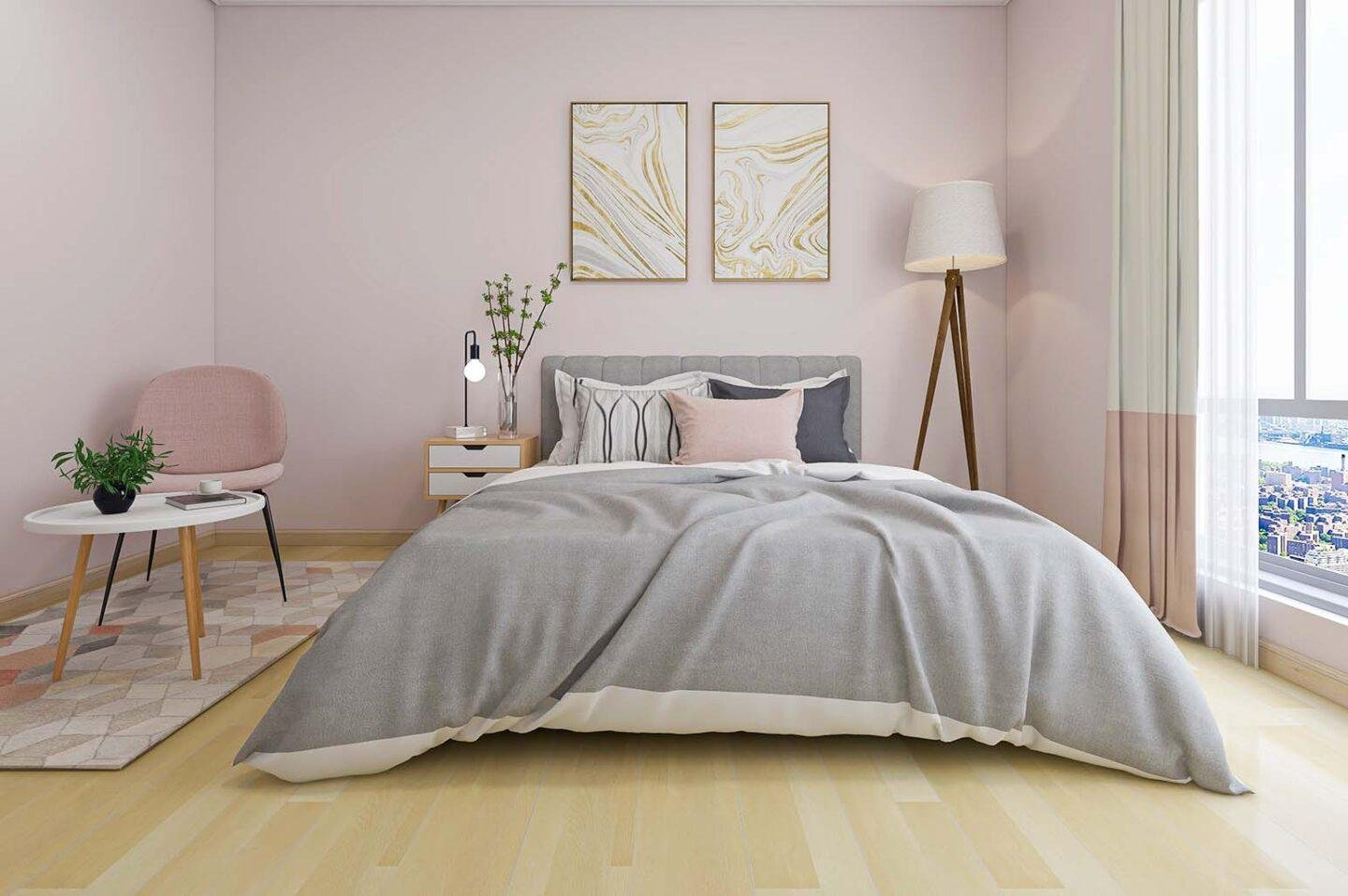
Saturation matters just as much as the color itself. High-saturation colors—like bright reds, electric blues, or neon yellows—are energizing. They raise your heart rate and keep your brain alert. That’s great for a home office or a gym, but terrible for a bedroom. Instead, opt for muted, dusty versions of your favorite colors. A deep, dusty rose can be just as restful as a soft blue if it’s toned down enough. The goal is to lower visual noise. When you walk into your room, your eyes should feel like they’re taking a deep breath. If the walls feel loud, your mind will be too.
Don’t forget the ceiling and the trim, either. Many people obsess over wall color but leave the ceiling stark white, which can create a harsh contrast, especially if you have low ceilings. Painting the ceiling a slightly lighter shade of your wall color, or even the same color, can create a "cocoon" effect that feels incredibly secure and snug. It’s a small detail, but it changes the entire vibe of the room. And if you’re renting or can’t paint? Use large-scale art, tapestries, or even bedding to introduce these softer, muted tones. Your brain doesn’t know the difference between a painted wall and a large, calming textile covering it.
Lighting Layers: Ditch the Big Light
If there’s one thing you take away from this article, let it be this: never use your overhead "big light" in the evening. Seriously. Overhead lighting casts harsh shadows and floods the room with bright, often cool-toned light that suppresses melatonin production. In 2026, smart lighting technology has made it easier than ever to control your environment, but you don’t need fancy gadgets to get it right. You just need layers. Think of your lighting like an onion. You want multiple sources at different heights and intensities.
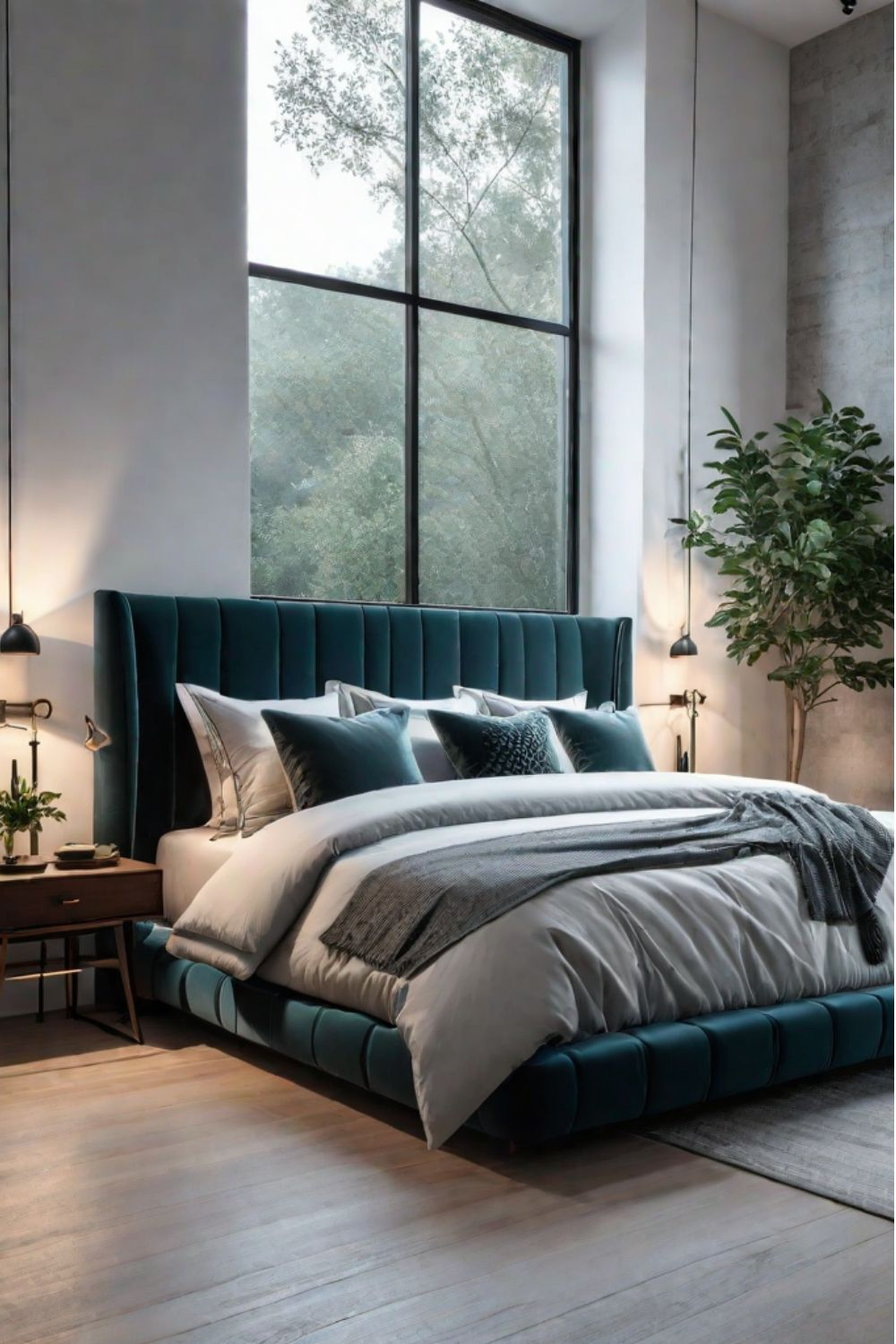
Start with ambient lighting. This is your base layer, but it should be dim and warm. Floor lamps with fabric shades are perfect for this because they diffuse light softly, bouncing it off the walls rather than shining it directly into your eyes. Then, add task lighting. If you read in bed, use a dedicated reading lamp with a directional shade so the light hits the page, not your partner’s face. Finally, consider accent lighting. This could be a small LED strip behind your headboard or a tiny nightlight plugged into an outlet near the floor. The goal is to keep the light source below eye level when you’re lying down.
Color temperature is crucial here. Look for bulbs labeled "warm white" or "soft white," ideally between 2700K and 3000K. Anything higher than that starts to creep into blue-light territory, which tricks your brain into thinking it’s daytime. Many new bulbs in 2026 come with tunable white features, allowing you to shift from brighter, cooler light in the morning to dim, amber tones at night. If you can’t replace your bulbs, use dimmer switches. Being able to lower the intensity as the evening progresses helps your body naturally wind down. It’s a simple cue that says, the day is over.
Layout and Flow: Creating a Sense of Safety
Have you ever walked into a room and felt instantly uneasy, even if you couldn’t say why? Often, it’s the layout. In feng shui and modern sleep psychology alike, the position of your bed matters. The ideal spot is what’s called the "command position." This means you can see the door from your bed, but you’re not directly in line with it. Why? It’s primal. Our ancestors needed to see potential threats entering their space to feel safe enough to sleep. If your bed is tucked into a corner where you can’t see the entrance, or if you’re staring directly at a closet door that might swing open, your subconscious stays on high alert.
Clutter is another layout killer. It’s not just about aesthetics; clutter represents unfinished tasks. Every pile of laundry, every stack of papers, is a visual reminder of something you haven’t done yet. This creates low-level anxiety that keeps your brain active. In 2026, the trend is towards "hidden storage" rather than just minimalism. You don’t need to live in an empty box. You just need to hide the visual noise. Use under-bed storage drawers, closed cabinets, and baskets to tuck away daily clutter. If you can’t see the mess, your brain doesn’t have to process it.
Also, consider the flow of movement. Can you walk around your bed easily? Do you have to squeeze past a dresser to get to the closet? Tight, cramped spaces can feel restrictive and stressful. Aim for clear pathways. If your room is small, consider scaling down your furniture. A king-sized bed in a tiny room leaves no breathing space, making the room feel chaotic. Sometimes, downsizing to a queen or even a full bed opens up the room visually and physically, creating a sense of airiness that promotes relaxation. It’s about balance, not just filling space.
Texture and Touch: The Sensory Experience
Sleep isn’t just visual; it’s tactile. The things you touch matter immensely. Think about the last time you slipped into crisp, cool cotton sheets versus heavy, flannel ones. Both can be comfortable, but they send different signals to your body. In 2026, there’s a huge focus on natural, breathable fabrics. Synthetic materials like polyester can trap heat and cause night sweats, disrupting your sleep cycle. Natural fibers like linen, cotton, bamboo, and wool regulate temperature better and feel softer against the skin.
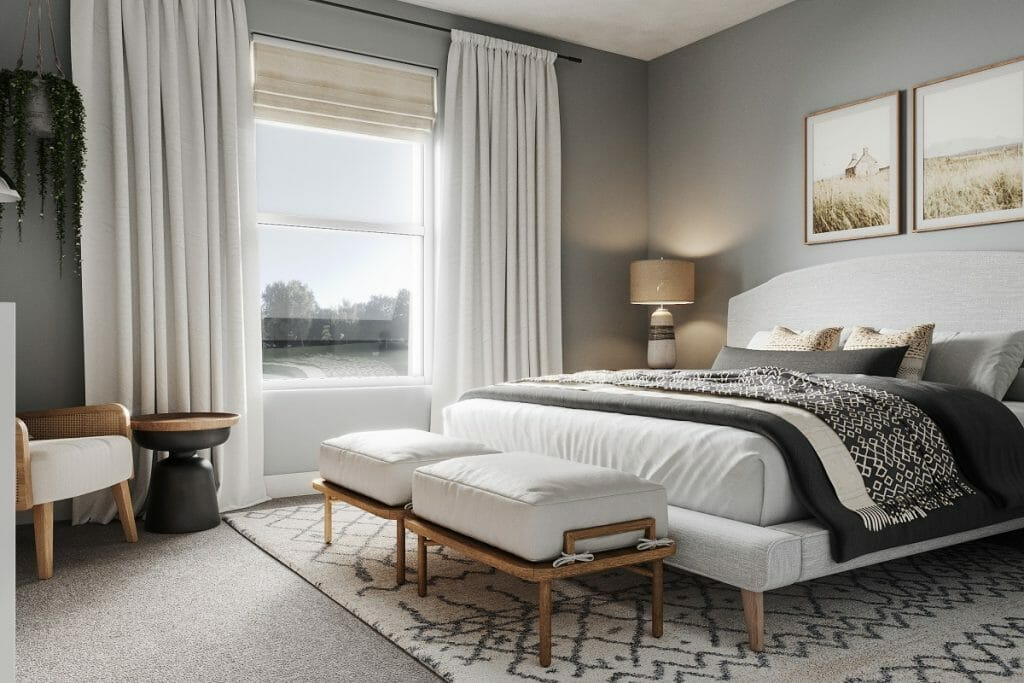
Layering textures adds depth and comfort. A chunky knit throw at the foot of the bed invites you to curl up. A plush rug underfoot feels grounding when you step out of bed in the morning. Even the weight of your duvet can impact sleep. Many people swear by weighted blankets, which provide deep pressure stimulation that can reduce anxiety and lower cortisol levels. If a full weighted blanket is too much, try a weighted lap pad or just ensure your duvet has some heft to it. The feeling of being "held" can be incredibly soothing.
Don’t overlook the hardness or softness of your surfaces either. If you have hard wood floors, soften them with rugs. If your walls are bare and echoey, add fabric wall hangings or upholstered headboards to absorb sound. Sound is a huge part of the sensory experience. A room that echoes feels cold and institutional. A room that absorbs sound feels quiet and private. An upholstered headboard isn’t just a style choice; it’s a sound dampener that makes the space feel quieter and more intimate. It’s these small tactile details that turn a room into a retreat.
Managing Tech and Noise: The Invisible Disruptors
Let’s talk about the elephant in the room: technology. We all know screens are bad for sleep, but it’s not just about scrolling before bed. It’s about the presence of tech in the bedroom. In 2026, our devices are more connected than ever, which means more lights, more notifications, and more mental tethering to the outside world. The best move? Create a tech-free zone. Charge your phone in another room. If you use your phone as an alarm, buy a old-school alarm clock. It’s cheap, it’s effective, and it removes the temptation to check emails at 2 AM.
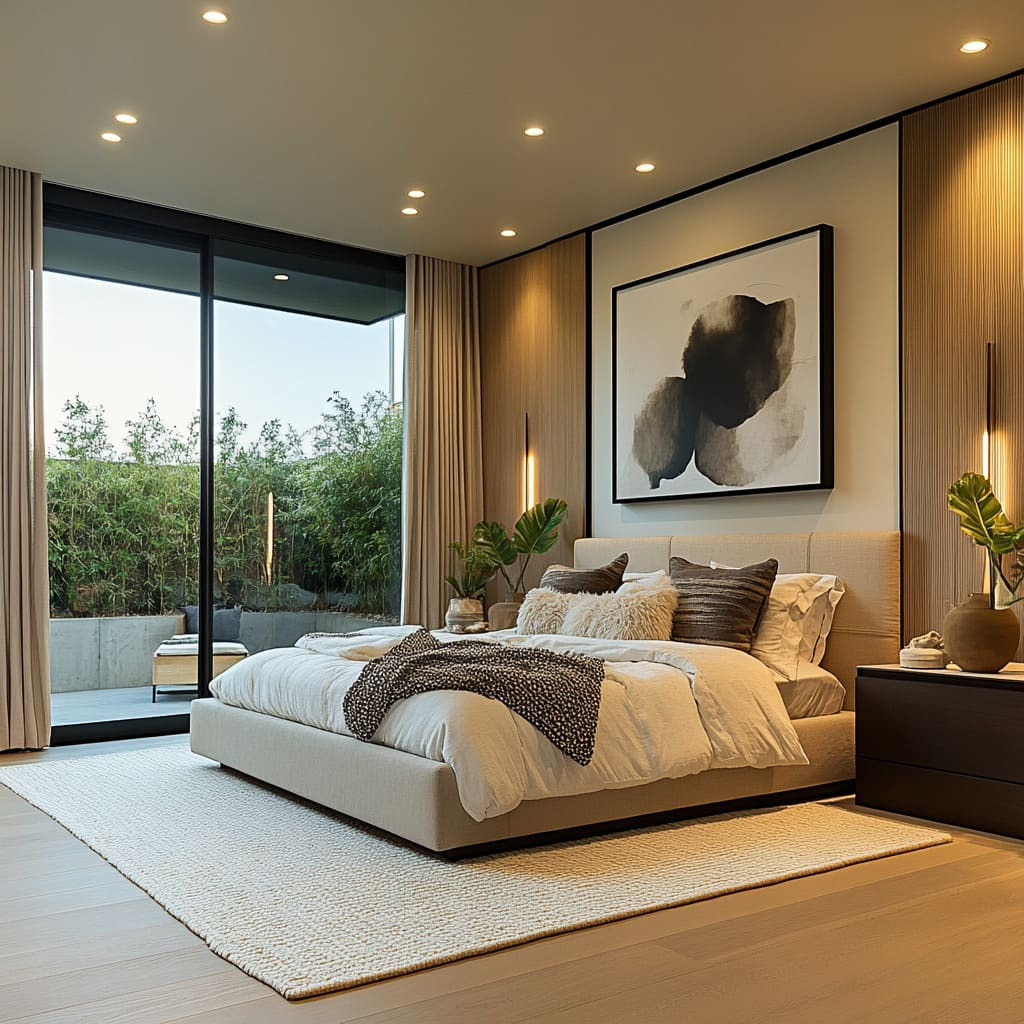
But what about noise? Not everyone lives in a quiet house. Traffic, neighbors, and household sounds can disrupt sleep cycles. If you can’t control the noise outside, control the noise inside. White noise machines are great, but so are fans or air purifiers. The consistent hum masks sudden, jarring sounds that might wake you up. For a more stylish approach, consider sound-absorbing decor. Heavy curtains, thick rugs, and upholstered furniture all help dampen external noise. There are even acoustic panels available now that look like art pieces, blending function with design.
Light pollution is another invisible disruptor. Streetlights, neighbor’s porch lights, and even the tiny LED standby lights on your TV or charger can interfere with melatonin production. Blackout curtains are a game-changer. They don’t just block light; they also provide extra insulation and sound damping. If blackout curtains feel too heavy or dark for your daytime vibe, try layered window treatments. Sheer curtains for the day, heavy drapes for the night. Or, use a high-quality sleep mask. It’s a simple, low-cost solution that gives you total control over your visual environment, regardless of what’s happening outside.
Here’s where many people get stuck. Sleep experts often preach minimalism—clear surfaces, neutral colors, no distractions. But design experts know that a sterile room feels impersonal and cold. So, how do you balance the need for calm with the desire for personality? The answer lies in curated personalization. You don’t need to remove everything that brings you joy. You just need to be strategic about it. Keep meaningful items, but keep them out of your direct line of sight when you’re lying in bed.
For example, if you love collecting vintage cameras, display them on a shelf across the room, not on your nightstand. If you have family photos, choose a few favorites and frame them nicely, rather than cluttering every surface with snapshots. The goal is to surround yourself with things that make you happy, but not things that stimulate your brain or remind you of tasks. Art is a great way to add personality without clutter. Choose pieces with calming subjects—landscapes, abstract soft shapes, or nature scenes. Avoid art with chaotic energy, bright clashes, or unsettling imagery.
In 2026, the trend is towards "biophilic design"—bringing the outdoors in. Plants are a perfect example of personalized, calming decor. They add life, color, and improved air quality. Just be careful not to overdo it. Too many plants can increase humidity and create a jungle-like feel that might feel overwhelming to some. Choose low-maintenance plants like snake plants or pothos that thrive in low light. They add a touch of nature without becoming a chore. The key is intentionality. Every item in your bedroom should serve a purpose: either functional comfort or emotional calm. If it doesn’t do one of those two things, maybe it doesn’t belong there.
At the end of the day, designing a bedroom for sleep is about listening to your own body. What works for your friend might not work for you. Maybe you need total darkness, or maybe you need a little nightlight. Maybe you love cool crisp sheets, or maybe you need heavy warmth. There’s no one-size-fits-all solution. But by focusing on color, light, layout, texture, and tech management, you can create a space that supports your natural rhythms. It’s not about perfection. It’s about progress. Start with one change. Swap out a bulb. Declutter one surface. Move your bed. See how it feels.
Remember, your bedroom is the one place in your home where productivity doesn’t matter. It’s not a workspace. It’s not a gym. It’s not a social hub. It’s a place for rest and restoration. Treat it with that respect. Let go of the pressure to make it Instagram-perfect. Focus on how it feels. Does it feel safe? Does it feel calm? Does it invite you to slow down? If the answer is yes, you’ve got it right. And if not, tweak it. Your sleep is worth the effort. After all, everything in life is better when you’re well-rested. So go ahead. Make your bedroom a place you actually want to be. Your future self, waking up refreshed and ready for the day, will thank you.