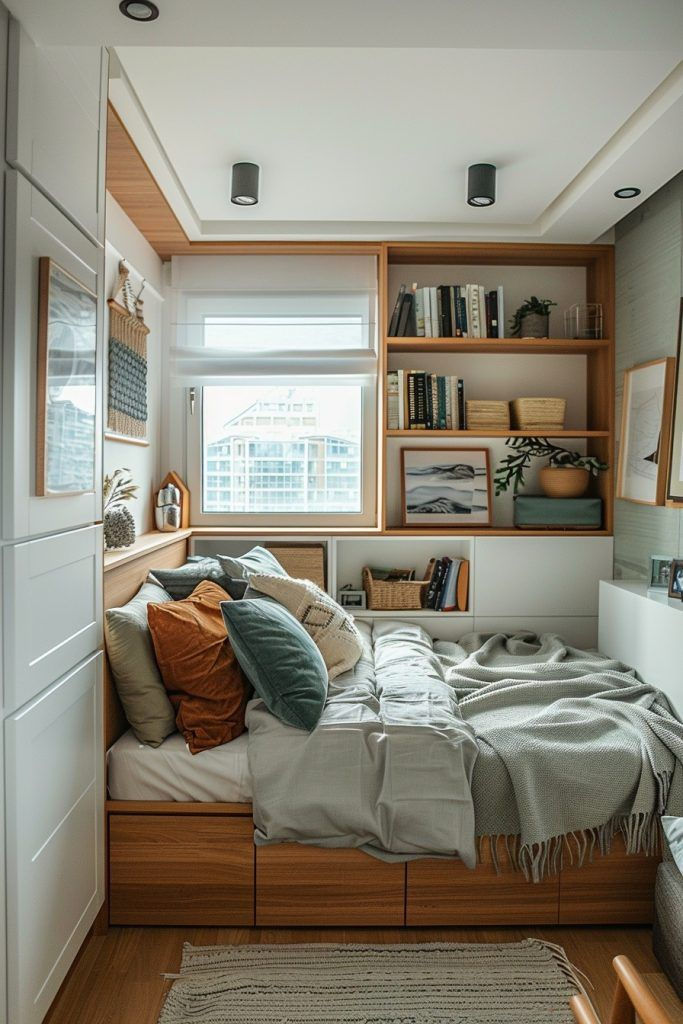
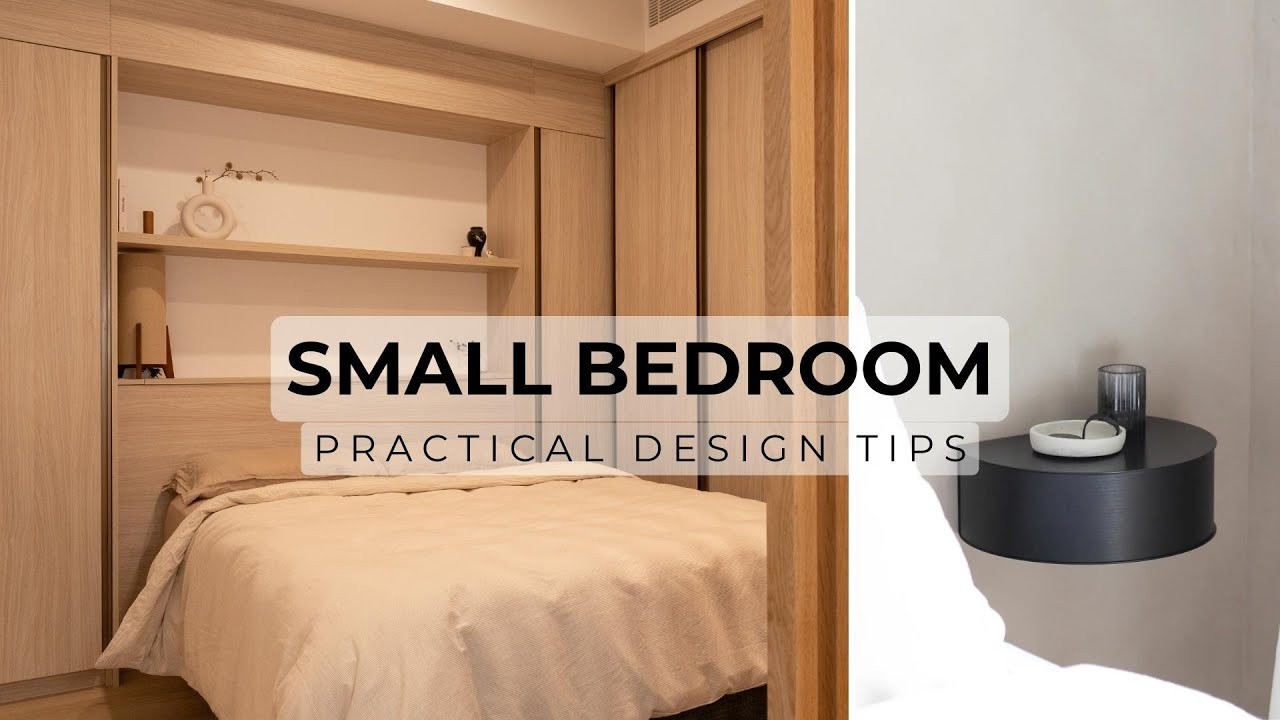
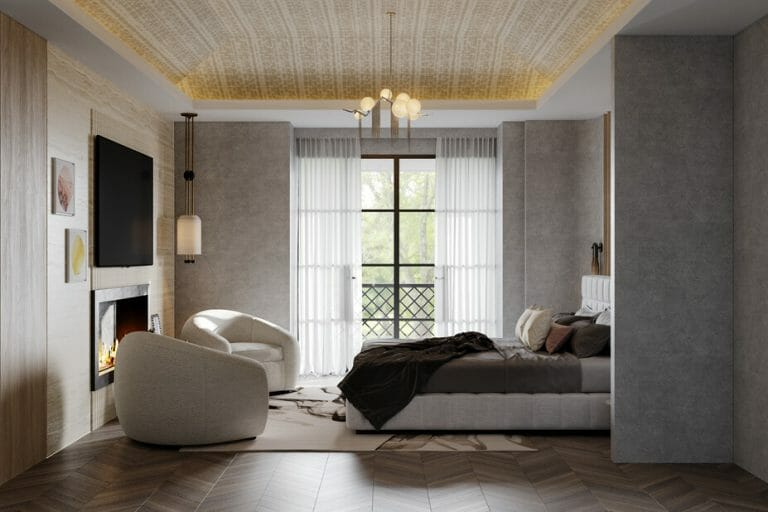
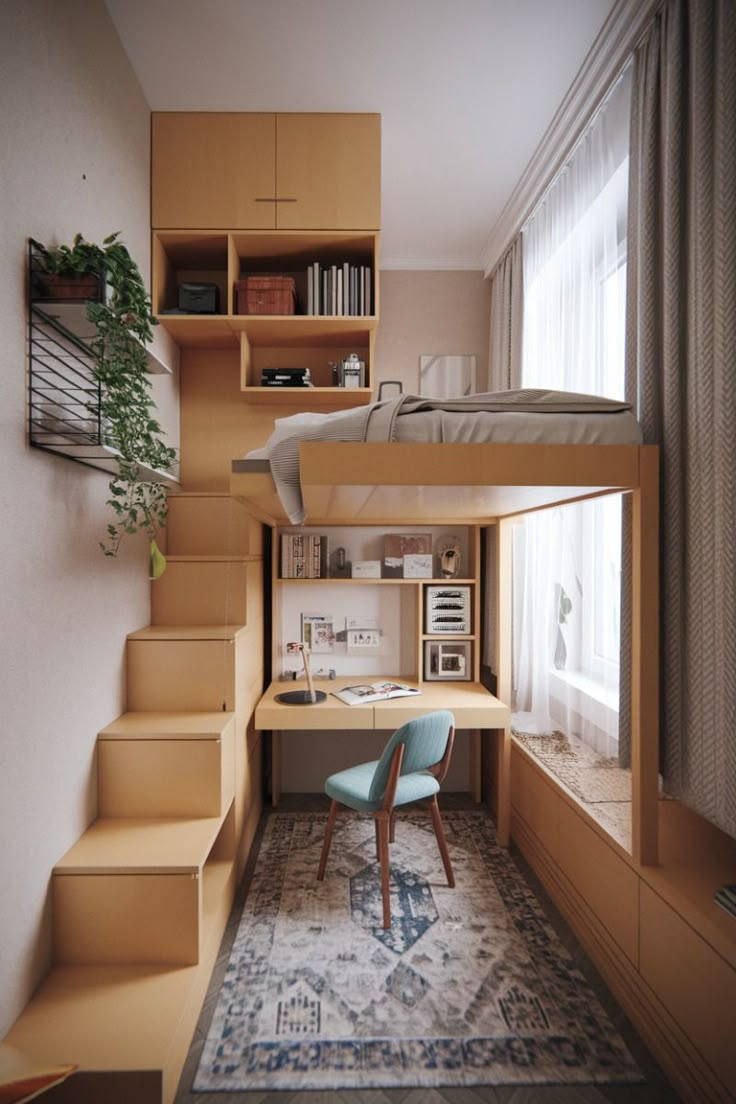
Ever walked into a tiny apartment and felt like the walls were closing in? It’s a common feeling. We’ve all been there, staring at a shoebox-sized living room and wondering if we’ll ever feel relaxed in our own home. But here’s the secret: square footage isn’t everything. In fact, some of the most stunning, serene spaces I’ve seen are barely big enough to swing a cat in. The difference isn’t size. It’s how you use light and texture.
In 2026, the trend isn’t about hiding your small space or pretending it’s bigger than it is. It’s about embracing the coziness while stripping away the clutter that makes it feel chaotic. You don’t need a sledgehammer or a massive budget. You just need to understand how light bounces off surfaces and how different materials make your brain perceive depth. Let’s dive into how you can turn those cramped quarters into a sanctuary that feels expansive, elegant, and unmistakably yours.
The Psychology of Light in Confined Spaces
Light is the cheapest renovation tool you have. Seriously. Before you buy a single piece of furniture, look at your windows. Natural light is the ultimate space-expander because it blurs the boundary between inside and outside. When sunlight floods a room, the corners soften, and the eye travels further. If you’re dealing with north-facing windows or heavy shadows, you’re fighting an uphill battle. The fix? Mirror placement. But not just anywhere. Place a large mirror directly opposite a window. It acts like a second window, doubling the natural light and creating a visual echo that tricks the brain into thinking the room extends beyond the wall.
Artificial lighting needs to be layered, too. A single overhead bulb is the enemy of intimacy. It creates harsh shadows that make ceilings feel lower and rooms smaller. Instead, think in threes: ambient, task, and accent. Ambient light comes from ceiling fixtures or recessed lighting. Task lighting is for reading or cooking. Accent lighting highlights art or architectural features. By spreading light sources around the room at different heights, you create pockets of brightness that draw the eye around the space. This movement makes the room feel dynamic and larger. In recent design shifts, warm LEDs (around 2700K to 3000K) are preferred over cool whites, which can feel sterile and clinical in small doses.
Don’t forget the power of sheer curtains. Heavy drapes block light and add visual weight to windows, making them feel like solid blocks. Sheer fabrics filter light, creating a soft, diffused glow that fills the room without sacrificing privacy. This gentle illumination reduces contrast, making the edges of the room less defined and therefore feeling more open. It’s a subtle trick, but it works wonders. Plus, the fabric adds a touch of softness that hard surfaces lack.
Choosing Colors That Expand and Elevate
We’ve all heard the advice: paint small rooms white. And while it’s not wrong, it’s a bit boring. The goal isn’t just to make a room look big; it’s to make it feel elegant. Light, neutral tones are still your best friends, but you have options. Soft greys, warm beiges, and pale blues reflect light beautifully while adding character. The key is consistency. Using the same color on walls, trim, and even ceilings eliminates visual breaks. When your eye doesn’t stop at a white doorframe against a beige wall, it keeps moving. This continuous flow creates a sense of uninterrupted space.
Monochromatic schemes are powerful tools for small spaces. By sticking to one color family and varying the shades, you create depth without chaos. Imagine a room with pale sage green walls, a slightly darker sage sofa, and emerald green throw pillows. It’s cohesive and calming. The lack of high-contrast boundaries prevents the room from feeling chopped up. In 2026, designers are leaning into "quiet luxury" palettes—muted, sophisticated tones that feel expensive without shouting. These colors provide a serene backdrop that lets your textures shine.
If you’re brave, try an accent wall, but be careful. A dark wall can recede, making a room feel deeper, but it can also feel cave-like if not balanced with ample light. A better approach for tiny quarters is to use color on the ceiling. Painting the ceiling a shade lighter than the walls draws the eye upward, emphasizing vertical height. This is especially effective in rooms with low ceilings. Just remember, gloss matters. A slight sheen on walls reflects more light than flat matte, adding a subtle luminosity that enhances the sense of airiness.
Layering Textures for Depth Without Clutter
Texture is where the magic happens. In a small space, you can’t rely on large statement pieces to create interest. Instead, you build richness through layers. Think of it like dressing for winter. You don’t wear one huge coat; you wear layers that add warmth and dimension. Start with the floor. A plush rug defines a zone and adds softness underfoot. In a studio apartment, different rugs can subtly separate the sleeping area from the living area without building walls. Choose natural fibers like wool or jute for their tactile appeal and ability to absorb sound, which reduces the echoey feel of small, hard-surfaced rooms.
Next, look at your soft furnishings. Mix materials. A velvet cushion next to a linen throw creates visual tension and interest. Leather, wood, metal, glass—each material reflects light differently. Glass and metal bounce it, adding sparkle. Wood and fabric absorb it, adding warmth. By combining these, you create a balanced environment that feels curated, not cramped. Avoid matching sets. They look flat and institutional. Instead, hunt for unique pieces with interesting grains or weaves. A chunky knit blanket draped over a sleek leather chair tells a story and adds physical depth to the visual field.
Wall texture is often overlooked. Wallpaper with a subtle texture, like grasscloth or embossed patterns, adds dimension without taking up floor space. Even simple shiplap or beadboard can break up large, flat walls and add architectural interest. In 2026, textured wall panels made from sustainable materials are trending. They add a sculptural element that catches light and shadow, creating a dynamic surface that changes throughout the day. Just keep the pattern scale appropriate. Large, busy patterns can overwhelm a small room, while small, repetitive patterns can feel dizzying. Aim for medium-scale textures that invite closer inspection.
Strategic Furniture Placement and Scale
Furniture scale is critical. One massive sofa can swallow a small living room whole. Instead, opt for multiple smaller pieces. Two armchairs and a loveseat often feel more spacious than one sectional because they allow light and sightlines to pass between them. Legs matter, too. Furniture raised on legs exposes the floor beneath, creating a sense of continuity. When you can see the floor extending under the sofa, your brain registers more square footage. It’s a simple visual trick, but it’s incredibly effective. Avoid boxy, solid-base furniture that sits heavily on the ground.
Placement is just as important as selection. Float your furniture away from the walls. It feels counterintuitive, but pushing everything against the perimeter creates a dead zone in the middle and makes the room feel like a waiting area. Pulling the sofa out a few inches creates a breathing room behind it, adding depth. Use floating shelves instead of bulky bookcases. They provide storage without blocking light or views. Vertical storage draws the eye up, emphasizing height rather than width. In tiny kitchens, open shelving can make the space feel airier, provided you keep it organized and styled with intention.
Multi-functional pieces are non-negotiable in 2026. Ottomans with storage, drop-leaf tables, and sofa beds are staples. But choose designs that don’t look like compromises. A beautiful wooden trunk can serve as a coffee table and storage bin. A sleek desk can fold into the wall when not in use. The goal is to reduce the number of items in the room without reducing functionality. Every piece should earn its place. If it doesn’t serve a purpose or bring joy, it’s just clutter. And clutter is the fastest way to shrink a space.
The Art of Visual Continuity and Flow
Visual continuity means guiding the eye smoothly through the space without abrupt stops. This starts with flooring. Using the same flooring throughout an open-plan area eliminates visual barriers. If you have different rooms, try to match the tone or material of the flooring to create a seamless transition. Rugs can define zones, but ensure they complement the underlying floor rather than competing with it. Continuous lines, whether from flooring, molding, or furniture arrangement, create a sense of order and calm.
Mirrors and glass are your allies in maintaining flow. A glass coffee table disappears visually, allowing you to see the rug and floor beneath it. Acrylic chairs, often called "ghost chairs," serve the same purpose. They provide seating without blocking sightlines. Mirrors placed strategically can reflect other parts of the room, creating a loop of visual information that keeps the eye moving. Just avoid placing mirrors where they reflect clutter or messy corners. You want to amplify the best features of your space, not the worst.
Keep pathways clear. In a small space, every inch of walkway counts. Ensure there’s enough room to move comfortably without bumping into furniture. Cramped pathways create a sense of restriction and anxiety. Wide, clear paths invite movement and make the space feel more generous. Use furniture to guide traffic flow naturally. For example, angle a chair slightly to direct movement around a central focal point. This subtle choreography makes the room feel intentional and well-designed, rather than just packed with stuff.
Decor in small spaces requires discipline. Less is more, but "less" doesn’t mean empty. It means curated. Choose a few meaningful pieces rather than many trivial ones. A single large piece of art has more impact than a gallery wall of small prints, which can feel busy and chaotic. Large art draws the eye and creates a focal point, anchoring the room. Hang it at eye level to create a connection with the viewer. If you love collections, display them in a unified way. Group similar items together on a shelf or in a cabinet to create a cohesive vignette.
Plants bring life and softness to small spaces. They add vertical interest and improve air quality. Choose plants with varied heights and leaf shapes to create a mini indoor garden. Hanging plants save floor space and draw the eye upward. Just don’t overdo it. Too many plants can feel like a jungle, which might be cozy but can also feel cluttered. Select a few statement plants and let them thrive. Pots matter, too. Choose containers that complement your color palette and texture scheme. Terracotta, ceramic, or woven baskets add natural elements that enhance the sanctuary vibe.
Finally, manage the visual noise. Cables, chargers, and miscellaneous items create static that distracts the eye. Hide them. Use cable management solutions, decorative boxes, or closed storage. A clean surface feels larger and more peaceful. In 2026, the concept of "digital detox" spaces is growing, where technology is hidden away to promote relaxation. Your home should be a retreat, not a reminder of your workload. By curating your decor with intention, you create a space that supports your well-being and reflects your personality without overwhelming your senses.
Transforming a cramped quarter into an elegant sanctuary isn’t about denying its size. It’s about working with the constraints to create something special. Light, color, texture, and thoughtful placement all play a role. It takes patience and observation. Watch how the light moves through your space at different times of day. Notice which textures make you feel calm. Edit ruthlessly. Keep what brings joy and function. Let go of the rest.
The result is a home that feels expansive not because it’s big, but because it’s clear. It’s a place where every element has a purpose and a place. Where light dances off textured surfaces, and colors soothe rather than stimulate. You don’t need more square footage. You just need to see what you already have in a new light. So take a deep breath. Look around. And start small. One mirror, one rug, one layer of light at a time. Your sanctuary is waiting.