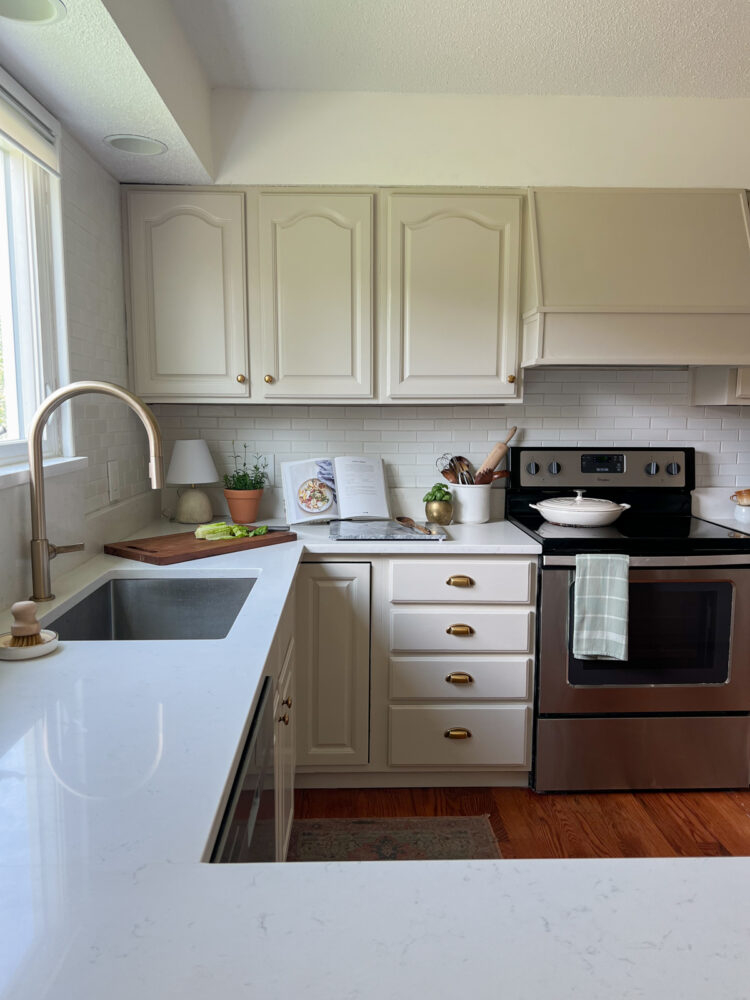
Let’s be real for a second. The kitchen is the heart of the home, right? It’s where we scramble for coffee before the kids wake up, where we chop veggies while decompressing from work, and where we gather with friends over wine on Friday nights. But what happens when that heart starts feeling a little… tired? Maybe the cabinets are looking dated, or the lighting is harsh, or you just can’t stand the color of the walls anymore. You look around and think, "I need a new kitchen." Then you check your bank account and immediately think, "Actually, I’ll just live with it."
Here is the good news though. You don’t need twenty thousand dollars or a construction crew living in your house for three months to make a difference. In 2026, the trend isn’t about tearing everything down. It’s about being smarter. It’s about seeing potential in what you already have. We’ve seen a huge shift away from those massive, sterile renovations toward spaces that feel personal, warm, and functional. And the best part? You can do most of this yourself. With a little sweat equity and some creative thinking, you can turn that "meh" feeling into "wow" without overspending.
So, grab a cup of coffee (or tea, no judgment here) and let’s talk about how to give your kitchen the refresh it deserves. We aren’t talking about vague ideas either. We are talking about concrete steps. Things you can actually do this weekend. Whether you have fifty bucks or five hundred, there is a way to make your space feel brand new again. It’s time to stop dreaming about a perfect kitchen and start creating one that works for you, right now.
Paint Is Still the Magic Wand
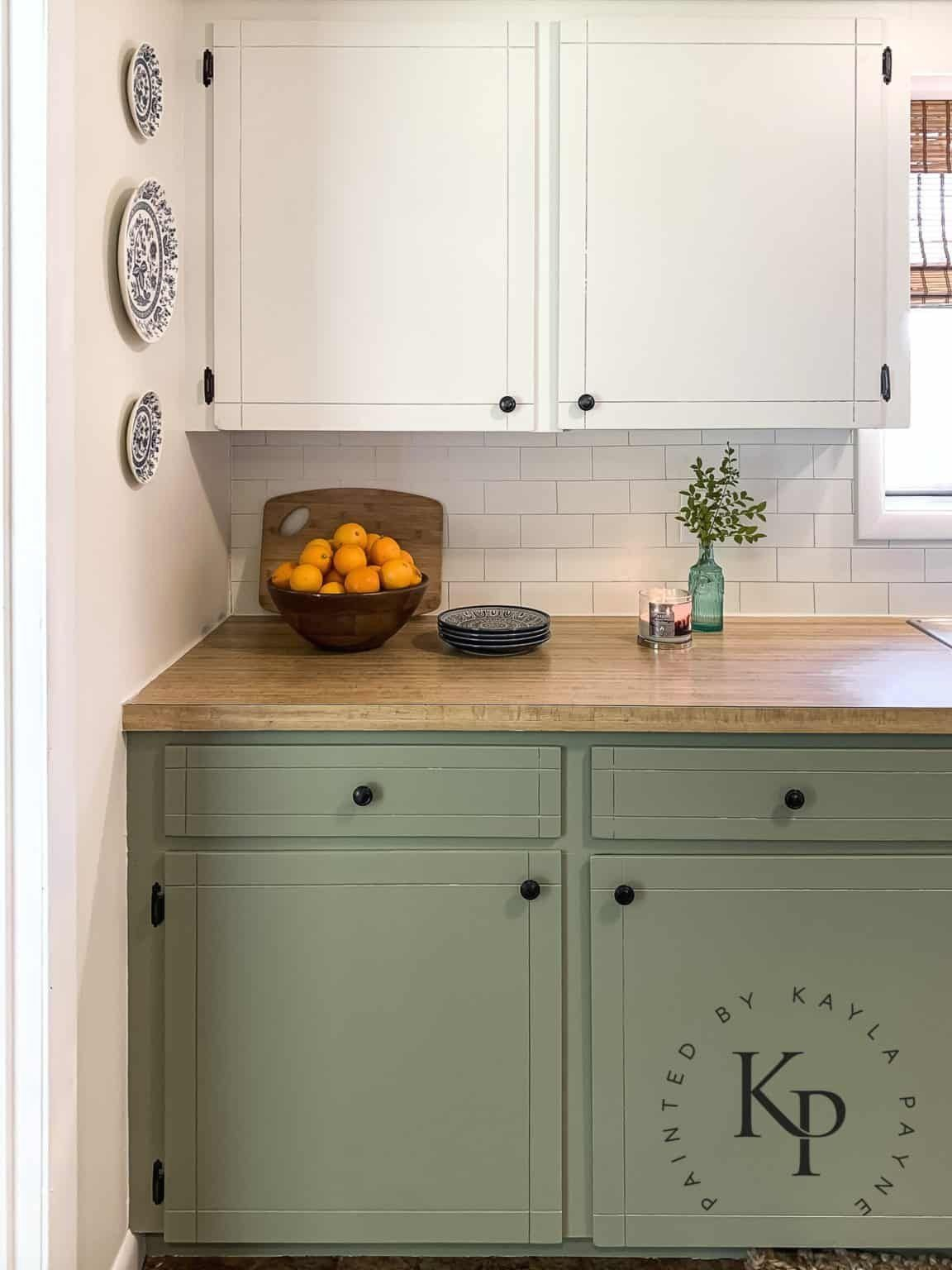
If there is one thing that designers agree on, it’s that paint is the cheapest, most impactful change you can make. But we aren’t just talking about slapping a new color on the walls. Although, if your walls are beige from 2015, please, by all means, paint them. Try something warm and earthy, like a soft terracotta or a calming sage green. These colors are huge in 2026 because they make the space feel inviting rather than clinical. But the real game-changer? Painting your cabinets.
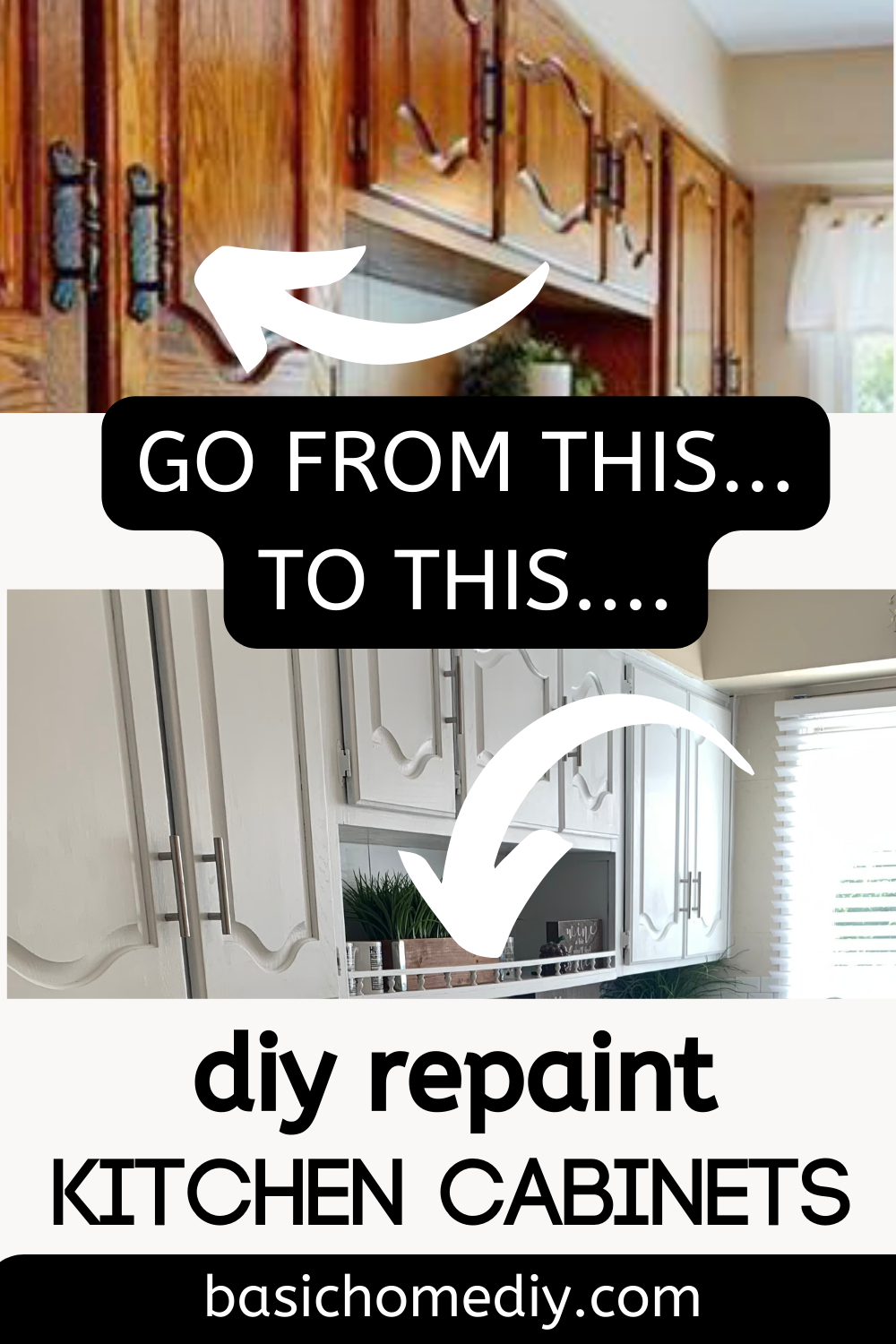
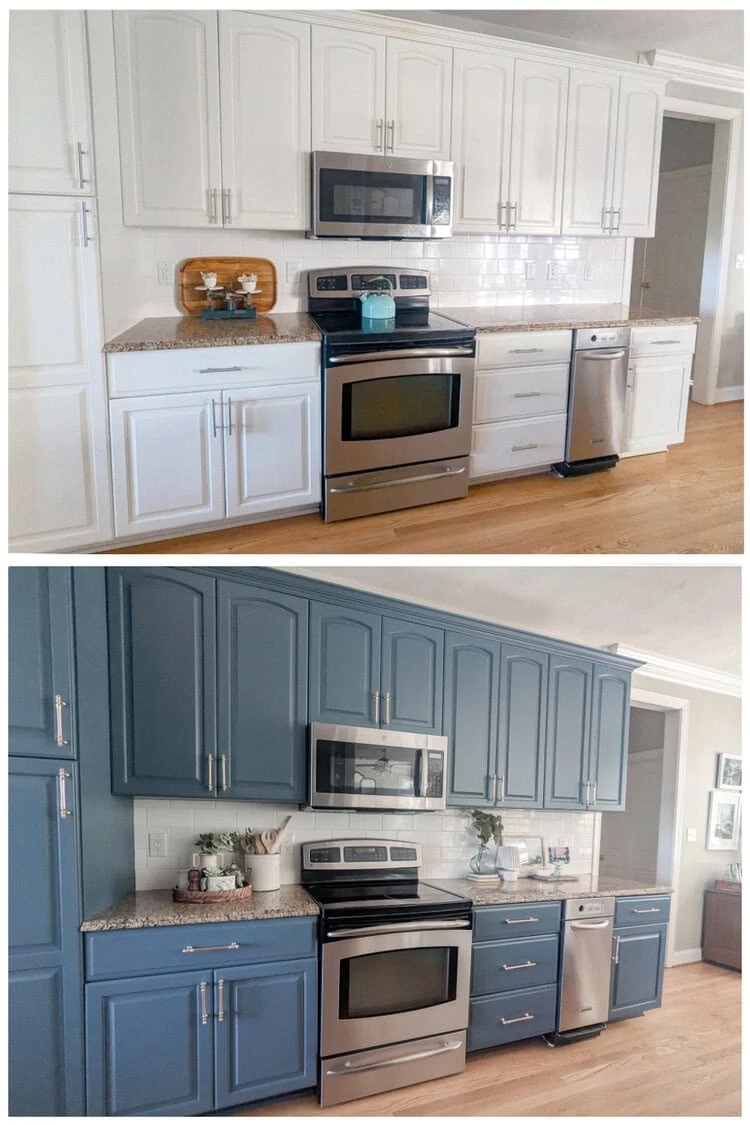
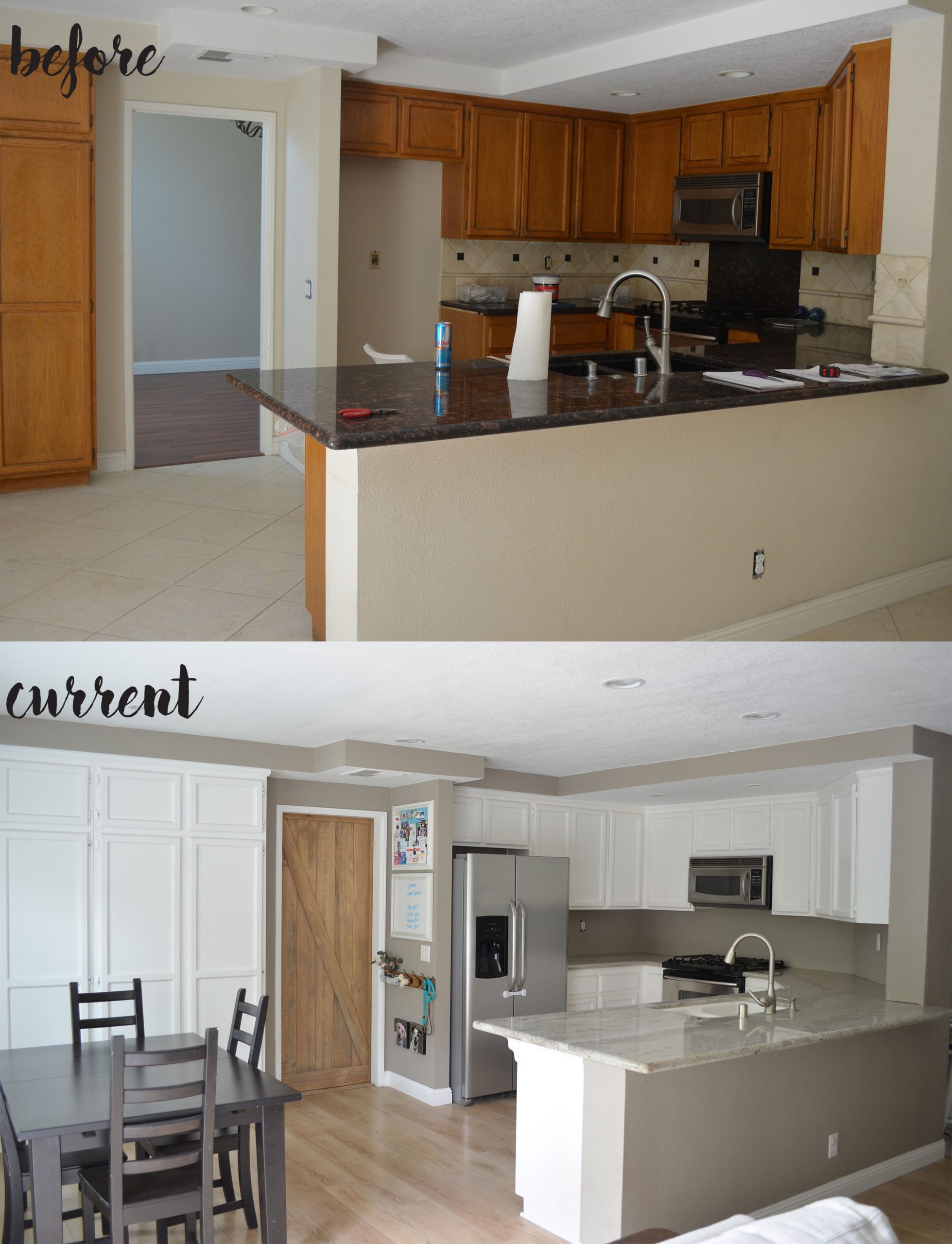
Now, I know what you’re thinking. Painting cabinets sounds terrifying. It sounds like a lot of work. And sure, it takes some elbow grease. But you don’t need to strip them down to the wood. Modern paints adhere really well if you prep correctly. Clean them thoroughly, sand them lightly to rough up the surface, and use a good quality primer. Then, pick a color that lifts the room. White is classic and makes small kitchens feel bigger, but don’t be afraid of navy blue or even a deep charcoal for a dramatic look. Just painting the lower cabinets and leaving the uppers natural can create a cool two-tone effect that looks custom and expensive.
Don’t forget the island either. If you have one, painting it a contrasting color creates an instant focal point. It draws the eye and breaks up the monotony of a single-color scheme. And while you’re at it, look at the backsplash. If you hate your old tile, you don’t have to rip it out. There are peel-and-stick tiles now that look incredibly realistic. They come in subway styles, mosaics, and even stone looks. You can stick them right over the old tile. It’s renter-friendly too, which is a huge bonus if you aren’t planning to stay in your home forever. A fresh coat of paint and a new backsplash can completely change the vibe for under two hundred dollars.
Hardware and Fixtures: The Jewelry of the Kitchen
Think of your kitchen hardware like jewelry. You can wear the same black dress every day, but if you swap out cheap plastic earrings for gold hoops, you look put-together. The same logic applies here. Those builder-grade brass knobs from ten years ago? They are dating your kitchen. Swapping them out is probably the easiest DIY project on this list. You literally just need a screwdriver. Measure the distance between the screw holes (the center-to-center measurement) so you buy replacements that fit, and then go to town.
In 2026, we are seeing a move away from super shiny chrome toward matte finishes. Matte black is still strong, but brushed brass and warm nickel are making a comeback because they feel softer and more welcoming. Mix and match if you want—black handles on white cabinets look crisp and modern. Or, if you want to keep costs down, just update the pulls on the drawers and leave the cabinet doors alone. It creates a subtle update that catches the light differently. You can find great options at hardware stores or online marketplaces for a fraction of the cost of high-end boutique brands. Just read the reviews to make sure they don’t feel flimsy.
While you are swapping out the knobs, look at your faucet. Is it dripping? Is it covered in hard water stains that won’t come off? A new faucet can modernize the sink area instantly. You don’t need a professional plumber for most standard replacements. Many new faucets are designed for easy DIY installation. Look for one with a pull-down sprayer; they are just so much more practical for washing big pots. And if a new faucet is out of budget, try spray painting your current one. Yes, really. There are specialty sprays for metal fixtures that hold up surprisingly well. Clean it, tape off the surrounding area, and give it a few light coats. It’s not a permanent fix, but it can buy you a year or two of looking fresh while you save up for the real deal.
Lighting Makes or Breaks the Mood
Lighting is often an afterthought, but it shouldn’t be. Bad lighting makes even a beautiful kitchen feel gloomy and uninviting. Most older kitchens have one big fluorescent light in the center of the ceiling. It casts weird shadows and makes everyone look a little green. Yuck. The first step is to swap out those bulbs. Get rid of the cool, blue-toned LEDs and switch to warm white bulbs (around 2700K to 3000K). This simple change makes the whole room feel cozier and more appealing. It’s a five-dollar fix that takes five minutes.
Next, look at your fixtures. If you have an outdated dome light or a boring track system, consider replacing it with a pendant light or a semi-flush mount. You don’t need to rewire anything if you are just swapping the fixture. Choose something with personality. A woven rattan pendant adds texture and warmth, which is very on-trend for 2026. Metal cages or glass globes can add a touch of industrial or vintage charm. If you have an island, hanging two or three pendants above it creates a nice visual anchor. Just make sure they hang at the right height—usually about 30 to 36 inches above the counter surface.
Under-cabinet lighting is another game changer. If you don’t have it installed, don’t worry. You can buy battery-operated LED strips that stick right under your cabinets. They provide task lighting for chopping and cooking, which is safer and more functional. Plus, they add a nice glow that highlights your backsplash and countertops. Some even connect to apps so you can change the brightness or color with your phone. It feels luxurious, but it costs maybe thirty bucks. Layering your light sources—ambient overhead light, task lighting under cabinets, and maybe a small lamp on the counter—creates depth and makes the space feel professionally designed.
Declutter and Style with Intention
Sometimes, the problem isn’t the kitchen itself. It’s the stuff in it. We all accumulate junk. Mail piles up on the counter. Appliances we rarely use take up prime real estate. Kids’ artwork gets taped to the fridge until it looks like a collage of chaos. Before you spend a dime, try clearing everything off your surfaces. Everything. Wipe down the counters. Then, only put back what you truly need and love. This is called "editing," and it’s free.
Open shelving can look amazing, but only if it’s styled well. If your shelves are cluttered with mismatched mugs and half-empty spice jars, it just looks messy. Group items by color or function. Stack plates neatly. Use baskets to corral smaller items like napkins or snacks. In 2026, the trend is towards "curated minimalism." It doesn’t mean empty spaces; it means intentional spaces. Display a few beautiful bowls or a nice cutting board. Let some negative space breathe. This makes the kitchen feel larger and calmer.
Look at your fridge too. It’s a huge visual block in most kitchens. If it’s covered in magnets and papers, take them down. Keep only the essentials. You can even use contact paper to cover the front if the finish is scratched or ugly. A sleek, clean fridge front makes the whole room look tidier. And don’t ignore the inside either. Toss expired condiments. Wipe down the shelves. When you open the fridge and see order instead of chaos, it reduces mental stress. It’s weird how much a clean fridge helps you feel like you have your life together.
Textiles and Soft Touches
We often forget that kitchens need softness too. Hard surfaces everywhere—stone, wood, metal, tile—can feel cold and echoing. Adding textiles introduces warmth and absorbs sound. Start with a rug. A runner in front of the sink or stove adds comfort for your feet and protects your floor. Look for washable rugs; they are a lifesaver in a kitchen where spills happen. Patterns can hide dirt, but solid colors in neutral tones can also ground the space. Just make sure it has a non-slip backing for safety.
Window treatments are another easy win. If you have bare windows, the room can feel stark. You don’t need heavy drapes. Simple Roman shades or lightweight linen curtains can soften the light and add texture. Hang the rod higher than the window frame to make the ceilings feel taller. It’s a classic designer trick that works every time. If privacy isn’t an issue, even a simple bamboo shade adds a natural element that pairs well with wood tones and plants.
Speaking of plants, bring some life in. Literally. A potted herb garden on the windowsill serves a dual purpose: it looks fresh and green, and you can snip basil for your pasta. Snake plants or pothos are great if you don’t have much light; they are tough and forgiving. Place them on top of the fridge or on a high shelf to draw the eye up. Greenery breaks up the hard lines of cabinetry and appliances. It makes the space feel alive and connected to nature, which is a big focus in modern design. Plus, caring for plants is a nice little ritual that slows you down in a busy day.
Finally, let’s talk about function. A kitchen that works better feels newer, even if it looks the same. Are your drawers sticking? Do your cabinet doors slam shut? Fix those little annoyances. Install soft-close hinges on your cabinets. You can buy retrofit kits that attach to your existing doors. It stops that annoying banging sound and makes closing cabinets feel smooth and high-end. It’s a small detail, but you notice it every single day. And it prevents wear and tear on the wood over time.
Organize the insides of your cabinets. You don’t need expensive custom inserts. Use tension rods to create dividers for baking sheets. Use clear bins for pantry items so you can see what you have. Label them if it helps. When you can find things easily, cooking becomes less stressful. Consider adding hooks to the side of your island or under your upper cabinets for hanging mugs or utensils. It frees up drawer space and keeps frequently used items within reach.
If you have the budget for one slightly bigger upgrade, consider changing the countertop edge or adding a thin layer of new material. But honestly, sometimes just deep cleaning and sealing your existing stone or butcher block makes a huge difference. Reseal granite or marble to prevent stains. Sand and oil wooden countertops to bring back their luster. These maintenance tasks restore the beauty of what you already have. It’s about respecting the materials and keeping them in top shape. A well-maintained kitchen always feels more valuable than a neglected one, no matter how trendy the design is.
So, there you have it. You don’t need to demolish your kitchen to love it again. By focusing on paint, hardware, lighting, decluttering, textiles, and small functional fixes, you can create a space that feels fresh and functional. It’s not about perfection. It’s about progress. It’s about making your home work for you. Start with one thing. Maybe just paint the island. Or swap out the knobs. See how it feels. Then move to the next thing. Before you know it, you’ll be standing in your kitchen, coffee in hand, thinking, "Wow, I love this place." And you didn’t even have to take out a loan to do it.