Ever walked into a kitchen that just felt… off? Maybe it was too dark, or the lighting made everything look a bit gray and uninviting. You know that feeling. It’s like the room is holding its breath. For years, fixing that meant calling a contractor, ripping out cabinets, or spending thousands on new fixtures. But something shifted recently. In 2026, the secret to a high-end look isn’t marble countertops or custom cabinetry. It’s light. Specifically, the humble, flexible, and incredibly cheap LED strip.
It’s wild to think about, right? A little roll of sticky lights can change the entire vibe of a home’s heart. We aren’t talking about those cheap, flickering strings you might have hung up for a party back in the day. Today’s tech is different. It’s smarter, brighter, and way more reliable. People are realizing they don’t need a second mortgage to love their kitchen again. They just need to know where to stick these strips. This isn’t just a trend; it’s a movement toward smart, accessible design that puts power back in the hands of everyday homeowners.
Why the Old Way of Lighting Failed Us
Let’s be honest for a sec. Traditional kitchen lighting was kind of a mess. You had one big overhead light, usually a boob light or a harsh fluorescent panel, casting shadows everywhere. Try chopping vegetables with your own shadow blocking the view. Not fun. Or maybe you had under-cabinet lights, but they were bulky, required an electrician to hardwire, and cost a fortune. Most people just lived with it. They accepted the gloom because the alternative seemed too hard or too expensive.
That frustration built up over time. People started looking for alternatives that didn’t involve tearing down walls. Enter the LED strip. It solved the biggest pain points: installation complexity and cost. In 2026, the average homeowner doesn’t want to deal with permits or dusty construction zones. They want results. Fast. And they want it to look good. The old methods failed because they ignored the human element—people want their spaces to feel warm and functional without the headache. LED strips stepped in to fill that gap, offering a plug-and-play solution that actually works.
Think about the energy bills too. Older halogen or incandescent under-cabinet lights guzzled electricity. They got hot. They burned out. LED strips sip power. They stay cool. And last for years. This shift wasn’t just about aesthetics; it was about practicality. Families realized they could light every nook and cranny without worrying about the electric meter spinning like a top. It’s a small change, but it adds up. Both in savings and in comfort.
The Tech Leap That Changed Everything
So, what’s different now? Why 2026? Well, the technology has matured. A few years ago, LED strips were hit or miss. Some had poor color accuracy, making food look weird. Others had weak adhesive that fell down after a week. But recent advancements have fixed most of those issues. We now have high-density LEDs that provide smooth, dot-free light. No more seeing individual bright spots. Just a clean, even glow. It looks professional. It looks expensive. But it isn’t.
Color tuning is another game changer. In the past, you bought "warm white" or "cool white." If you picked wrong, you were stuck with it. Now, smart LED strips allow you to adjust the color temperature from your phone. Want bright, cool light for morning coffee and prep work? Done. Want a warm, cozy amber glow for dinner parties? Easy. This flexibility means one set of lights can serve multiple purposes. It adapts to your life, not the other way around. That’s a huge deal for busy households.
Connectivity has also improved. Integration with smart home systems is seamless now. You can sync your kitchen lights with your music, your security system, or your circadian rhythm apps. Imagine your lights slowly brightening as you wake up, or dimming automatically when you’re watching a movie in the adjacent living room. It’s not just lighting; it’s ambiance control. And the best part? You don’t need to be a tech wizard to set it up. Most systems are designed for beginners. Plug, pair, play. Simple.
Strategic Placement for Maximum Impact
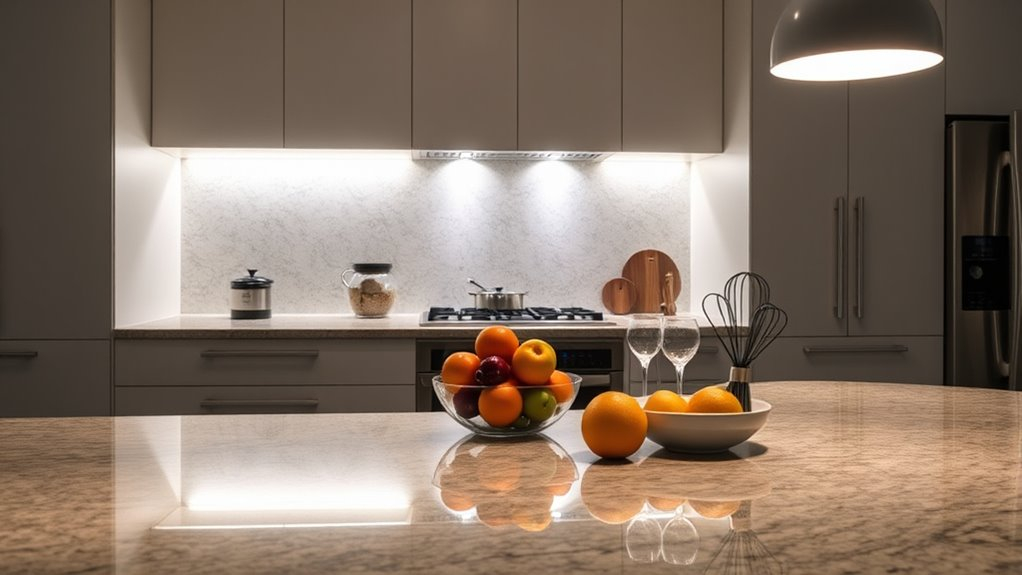
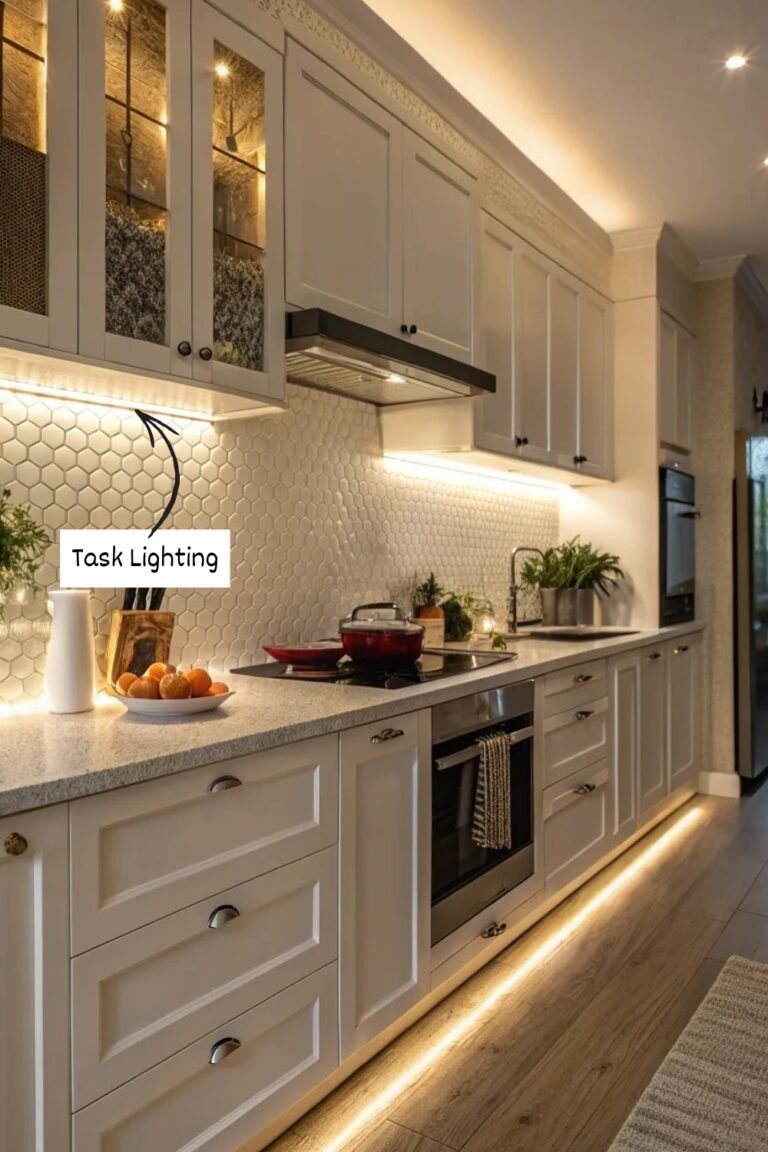
Knowing you have the lights is one thing. Knowing where to put them is another. This is where many DIYers stumble. Slapping a strip anywhere won’t cut it. You need strategy. The most popular spot is still under the cabinets. It illuminates the countertop, making prep work safer and easier. But don’t just stick it to the bottom edge. Push it back towards the wall. This hides the actual strip and creates a nice wash of light across the backsplash. It looks cleaner. More intentional.
But why stop there? Toe-kick lighting is having a moment. Installing strips at the base of your lower cabinets creates a floating effect. It’s subtle, but it adds depth to the room. Plus, it’s great as a nightlight. No more stumbling around in the dark for a glass of water. Another clever spot is inside glass-front cabinets. If you have display shelves, lighting them up turns your dishes into art. It draws the eye and adds a layer of sophistication that costs pennies per foot.
Don’t forget the ceiling or crown molding. If you have a soffit or a drop ceiling, tucking strips there bounces light off the ceiling, making the room feel taller and more open. It’s indirect lighting, which is super flattering. It reduces glare and softens the overall look. The key is layering. Don’t rely on one source. Mix task lighting (under cabinets) with ambient lighting (toe kicks or ceilings). This creates a dynamic space that feels curated, not just lit. It’s about guiding the eye and setting the mood.
The DIY Factor: Easy Installation for Everyone
One of the biggest barriers to home improvement is fear. Fear of messing up. Fear of electrocution. Fear of wasting money. LED strips remove almost all of that. Most kits come with strong adhesive backing. You peel, you stick. That’s it. No drilling. No soldering. No calling an electrician. For renters, this is a dream. You can upgrade your space without losing your security deposit. Just peel them off carefully when you move. It’s non-permanent magic.
Of course, there are tips to make it go smoother. Clean the surface first. Alcohol wipes work great. Dust and grease are the enemies of adhesion. Measure twice, cut once. Most strips have cut marks every few inches. Use scissors or snips at those marks. Don’t guess. And plan your power source. Will you plug it into an outlet? Hardwire it? Battery packs are an option for tricky spots, though they need changing. Thinking this through beforehand saves headaches later.
There’s a community aspect to this too. Online forums and video tutorials are packed with people sharing their setups. You can see exactly how someone else tackled a corner or hid a wire. It’s collaborative learning. You’re not alone in the process. This support network has empowered thousands of people to try projects they would have avoided before. It’s democratizing design. Anyone can do this. And when you finish, there’s a real sense of pride. You did that. With your own hands. And it looks amazing.
Cost Breakdown: High-End Look, Low-End Price
Let’s talk numbers. Because that’s the real hook here. A traditional under-cabinet lighting installation can run you hundreds, sometimes thousands, of dollars. You pay for the fixtures, the wiring, the labor, the permits. It adds up fast. An LED strip makeover? You can do a whole kitchen for under $100. Maybe $200 if you go for premium smart features. That’s a fraction of the cost. For many families, that’s the difference between doing it and dreaming about it.
Consider the long-term savings too. LEDs use about 75% less energy than incandescent bulbs. They last up to 25 times longer. So you’re not just saving on the upfront cost. You’re saving on your monthly bill and replacement bulbs. Over five years, the savings are significant. It’s an investment that pays for itself. And since the initial outlay is so low, the return on investment is immediate. Your kitchen looks better today, and you spend less tomorrow.
Compare that to other renovations. New countertops? Thousands. New cabinets? Ten thousand plus. Paint? Cheap, but labor-intensive and doesn’t fix lighting issues. LED strips offer the highest visual impact per dollar spent. It’s the most efficient way to refresh a space. You get the "wow" factor without the financial hangover. This affordability has made it accessible to students, young couples, retirees, and everyone in between. It’s not just for the wealthy. It’s for anyone who wants a nicer place to live.
Take Sarah, a graphic designer in Portland. She rented a dated apartment with terrible lighting. She couldn’t afford to remodel, and her landlord wouldn’t help. She spent $60 on some smart LED strips. She put them under the upper cabinets and along the toe kicks. Within an hour, her dark, depressing kitchen felt modern and airy. She said it changed how she felt about cooking. She actually wanted to be in there. It wasn’t just about light; it was about mood.
Then there’s Mike and Jen, a couple in Ohio with three kids. Their kitchen was a chaos zone. Dark corners made cleanup hard. They installed bright, white LED strips under the cabinets for task lighting. They added warm strips inside the pantry for easy finding. The difference was night and day. Literally. They said meal prep went faster. Cleanup was easier. The kids could help without squinting. It made their daily routine smoother. Small change, big impact on family life.
These stories aren’t unique. They’re everywhere. From studio apartments in NYC to suburban homes in Texas. People are sharing their before-and-after photos online, inspiring others to try it. It’s a ripple effect. One person’s success encourages another. We’re seeing a shift in how people view home improvement. It’s not about perfection or spending big. It’s about making small, smart changes that improve quality of life. LED strips are the tool that made this possible. They’re the great equalizer in home design.
In the end, it’s clear why LED strips have taken over. They solve real problems. They’re affordable. They’re easy. And they look fantastic. In 2026, they aren’t just an accessory. They’re a essential part of modern kitchen design. Whether you’re renting or owning, on a tight budget or just savvy with cash, there’s no reason to live in the dark anymore. The power to transform your space is literally at your fingertips. All you have to do is peel, stick, and switch on. The glow up is real, and it’s waiting for you.