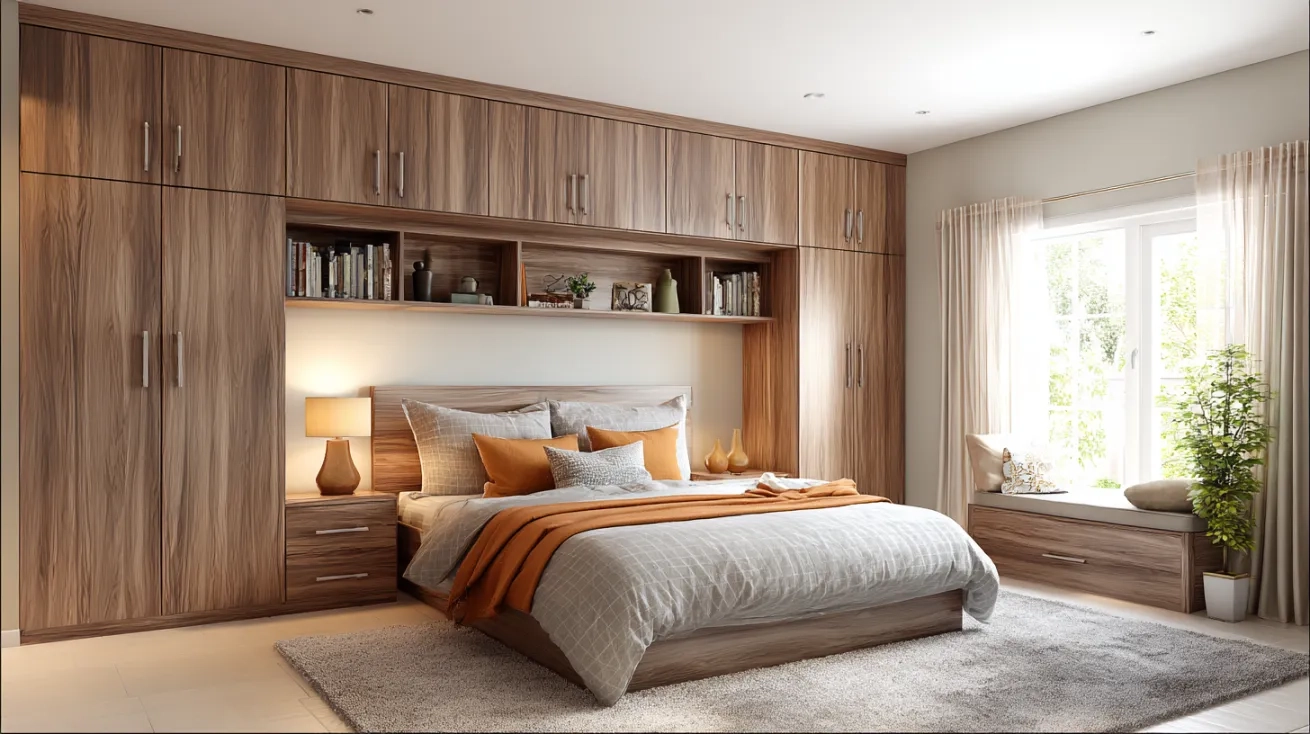
Ever wake up, stretch, and immediately trip over a pile of clothes that definitely wasn’t there when you went to sleep? Yeah, me too. It’s frustrating. We spend a third of our lives in our bedrooms, yet for many of us, it’s become a dumping ground rather than a sanctuary. The culprit is usually the same: outdated storage habits clinging to outdated furniture. Specifically, that heavy, wooden dresser taking up prime real estate against your wall.
It’s time for a change. In 2026, the trend isn’t just about buying more bins or organizing hacks; it’s about fundamentally rethinking where our stuff lives. We are moving away from standalone furniture that eats up floor space and toward integrated, architectural solutions that breathe with the room. This shift isn’t just aesthetic—it’s psychological. A clutter-free space leads to a clutter-free mind. Let’s explore how we can leave the traditional dresser behind and embrace a smarter, sleeker way to live.
The Great Dresser Exodus
Let’s be honest. Dressers are bulky. They are heavy, hard to move, and often dictate the layout of an entire room. If you have a small bedroom, a standard six-drawer dresser can feel like an intruder. But even in spacious master suites, they create visual noise. The modern design philosophy of 2026 prioritizes flow and openness. By removing these large, static objects, we unlock potential.
Think about the footprint of a typical dresser. It occupies valuable square footage that could be used for movement, for a reading nook, or simply to let the eye rest. When we remove the dresser, we aren’t just getting rid of wood and drawers; we are reclaiming space. This "exodus" is driven by a desire for minimalism that doesn’t feel sterile. It’s about curating what we see. Instead of a wall of wooden fronts, imagine a clean, uninterrupted line of sight. It makes the room feel larger, airier, and significantly more calm.
This doesn’t mean we have less storage. Far from it. It means the storage is hidden, integrated, or vertical. We are swapping horizontal bulk for vertical elegance. It’s a trade-off that pays dividends in both style and function. You might miss the familiar thud of a drawer closing, but you won’t miss the dust bunnies gathering underneath or the awkward gap between the dresser and the wall that never quite looks right.
Vertical Victory: Wall-Mounted Systems
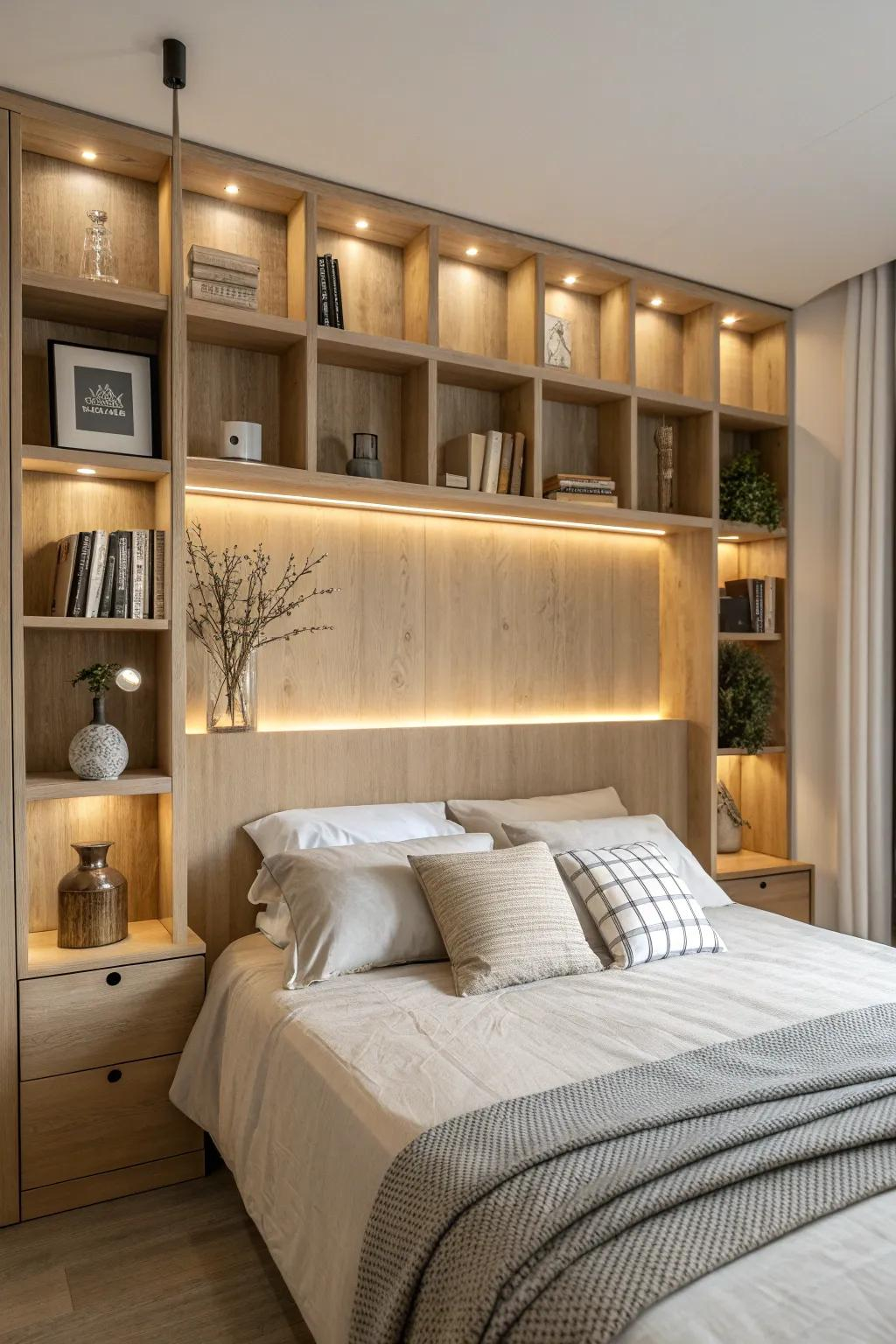
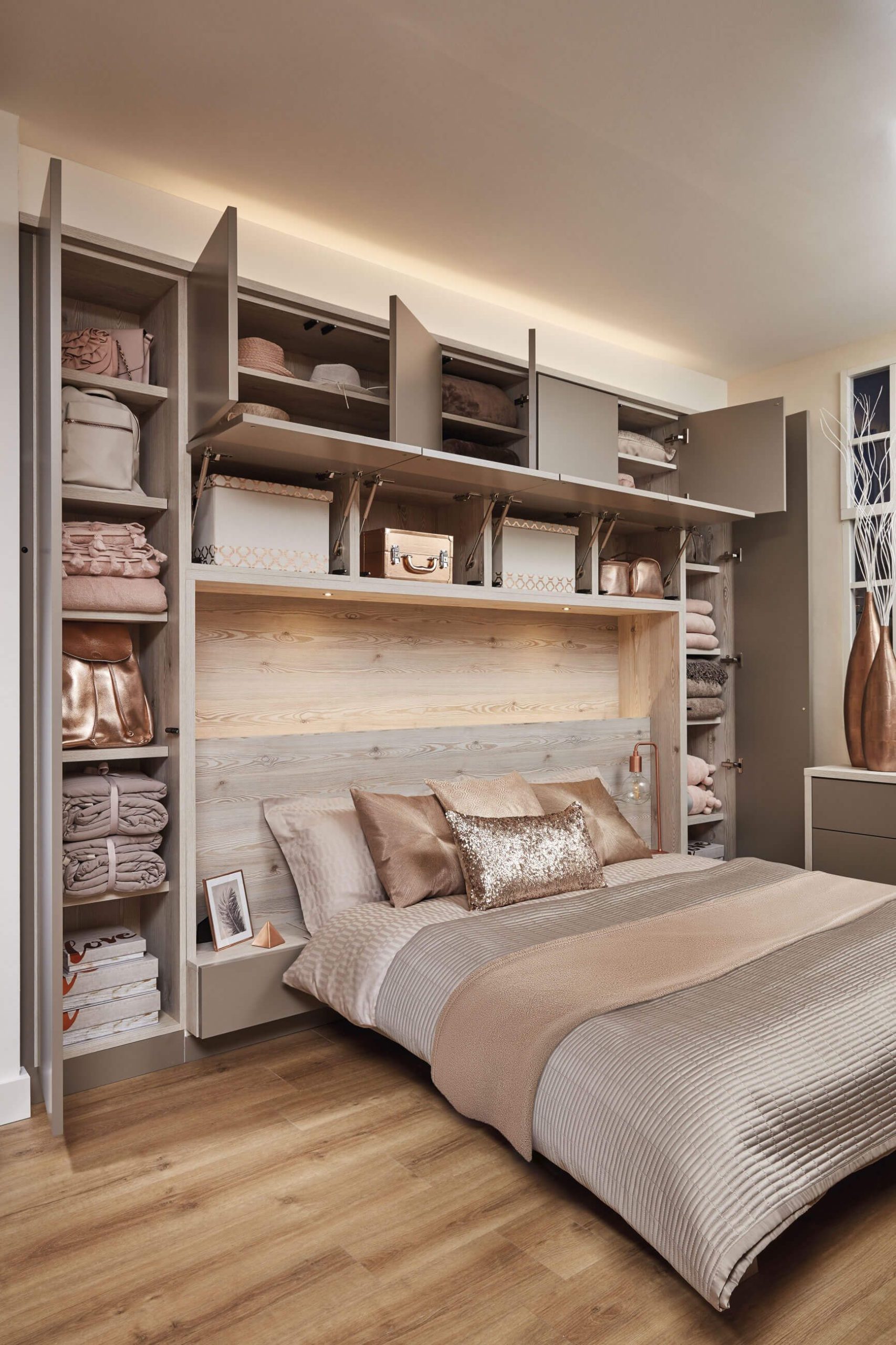
If you take the dresser off the floor, where does the stuff go? Up. Vertical space is the most underutilized asset in contemporary bedrooms. Floor-to-ceiling shelving units, whether open or closed, draw the eye upward, making ceilings feel higher and rooms more grand. In 2026, these aren’t just bookshelves; they are sophisticated storage ecosystems.
Consider modular wall systems. These allow you to customize the mix of open shelves, closed cabinets, and hanging rods to fit your specific needs. Maybe you need more space for folded sweaters and less for hanging shirts. No problem. You can adjust the configuration. These systems often feature slim profiles that hug the wall, taking up mere inches of depth compared to the 18-20 inches of a deep dresser. This slimness is key. It keeps the walkways clear and the energy flowing.
Materials matter here too. We’re seeing a lot of warm woods mixed with matte metals and even textured fabrics on cabinet fronts. This adds warmth without the weight. And don’t forget lighting. Integrated LED strips within shelving units not only help you find that black sock in the dark but also turn your storage into a display feature. It transforms utility into ambiance. It’s practical, sure, but it’s also beautiful.
The Magic of Hidden Compartments
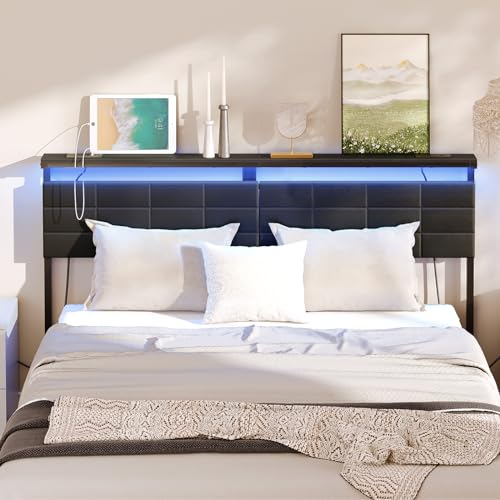
There is something deeply satisfying about a secret. In bedroom design, that secret is hidden storage. We aren’t talking about fake books with safes inside (though those are fun). We are talking about architectural sleight of hand. Think headboards with built-in charging stations and shallow storage for phones and glasses. Or bed frames with deep, soft-close drawers that glide out silently, holding everything from extra linens to off-season coats.
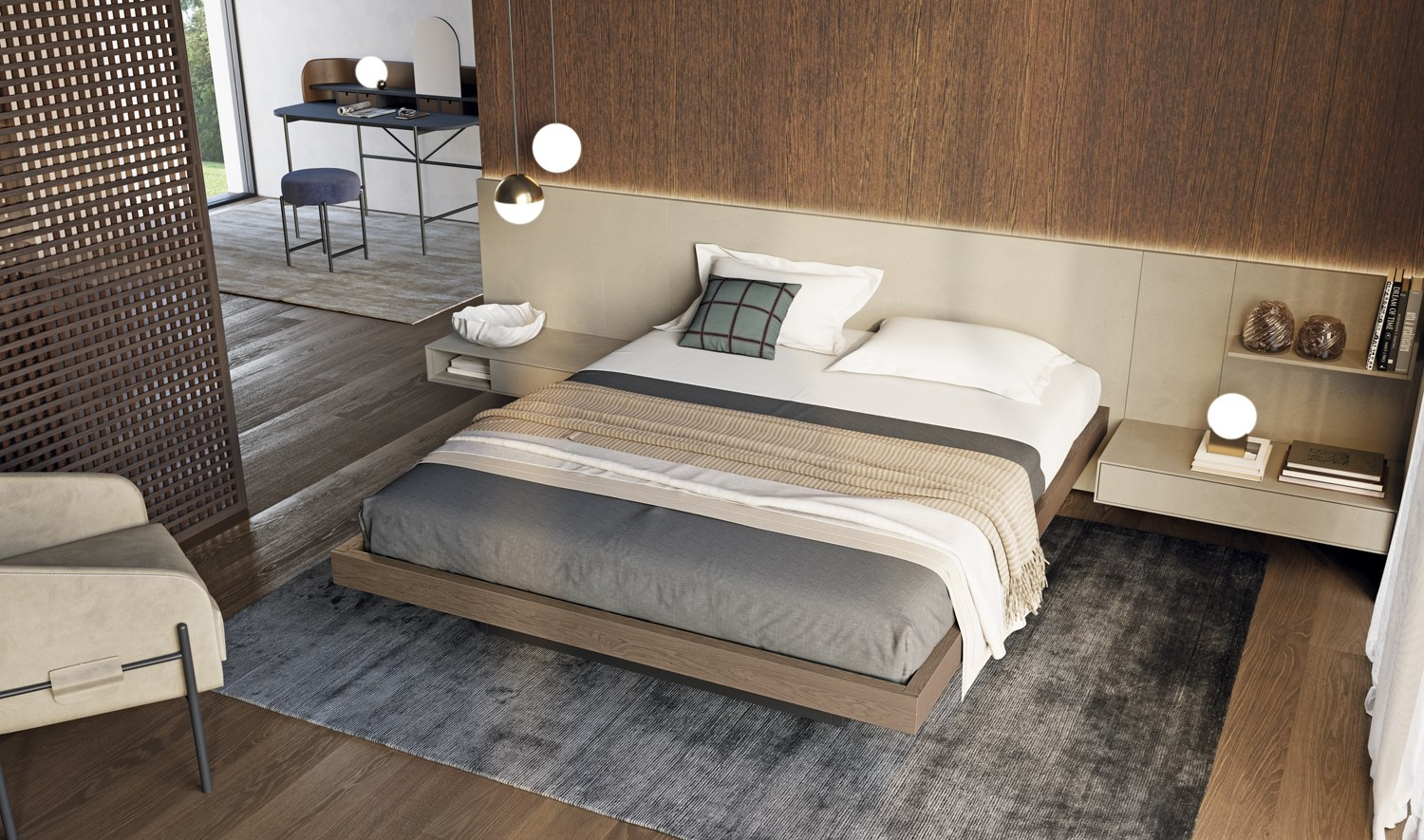
Under-bed storage has come a long way from plastic bins on wheels. Today’s platform beds are designed with storage as a core feature, not an afterthought. The drawers are flush with the frame, creating a seamless look. When closed, you can’t even tell they are there. This is crucial for maintaining that serene, uncluttered vibe. You get the capacity of a double dresser without the visual bulk. It’s invisible efficiency.
Another clever trick? Nooks. Many newer home builds, and even renovations, are incorporating small alcoves near closets or behind doors. These can be fitted with custom cabinetry that blends perfectly with the wall color. When the doors are closed, the wall looks flat and simple. Open them, and you have a dedicated spot for luggage, shoes, or accessories. It’s about keeping the essentials accessible but out of sight. Out of sight, truly, is out of mind.
Multifunctional Furniture Friends
Not everyone can do a full renovation. Sometimes, you need furniture that works harder. Enter the era of multifunctional pieces. These are items that serve two or three purposes, reducing the total number of items in your room. A bench at the foot of the bed isn’t just for sitting; it lifts up to reveal a cavernous storage space for blankets. A nightstand isn’t just a table; it’s a compact cabinet with tiered organization for jewelry, books, and chargers.
In 2026, designers are getting creative with materials to keep these pieces light. Think rattan, lightweight composites, and hollow-core constructions that don’t sacrifice durability. The goal is versatility. If you move apartments, these pieces adapt. If your needs change, they adjust. A desk that folds into the wall when not in use is a prime example. During the day, it’s a workspace. At night, it disappears, leaving your bedroom strictly for rest.
This approach also helps with budget. Instead of buying a dresser, a nightstand, and a bench, you might buy one high-quality, multi-use piece. It reduces decision fatigue and clutter. Plus, it encourages you to own less. If a piece has limited space, you are forced to curate what you keep. Do you really need twelve t-shirts? Maybe not. It’s a gentle nudge toward intentional living.
Tech-Integrated Organization
We live in a connected world, and our bedrooms should reflect that. But tech integration in storage isn’t just about USB ports. It’s about smart organization. Imagine a closet system that tracks your inventory. Or drawers with internal lighting that activates when opened. These features seem small, but they reduce friction in your daily routine. Less friction means less stress.
Climate control is another emerging trend. Drawers with built-in humidity control can protect delicate fabrics, leather goods, or even important documents. This is particularly useful in areas with fluctuating weather. It turns your storage into a preservation system. You aren’t just storing clothes; you are caring for them. This extends the life of your belongings and reduces waste. It’s sustainability through smart design.
Also, consider acoustic considerations. Soft-close mechanisms are now standard in high-end storage solutions. They prevent slamming, which protects the furniture and keeps the peace. In a shared bedroom, this is a lifesaver. No one wants to be woken up by a drawer banging shut at 6 AM. These small technological refinements add up to a significantly better quality of life. It’s luxury in the details.
At the end of the day, storage is personal. What works for a minimalist single professional won’t work for a family of four. The key is customization. Don’t just buy what’s on the showroom floor. Assess your actual habits. Do you fold or hang? Do you have lots of shoes? Do you need space for hobby gear? Your storage should mirror your life.
Mix and match the solutions discussed. Maybe you need vertical shelving for books and under-bed drawers for linens. Perhaps a hidden compartment in the headboard for your phone is enough to clear the nightstand. There is no one-size-fits-all. The beauty of moving beyond the dresser is the freedom to build a system that fits you. It’s about agency. You are designing your environment to support your well-being.
Don’t be afraid to experiment. Start small. Clear out one drawer. See how it feels. Then tackle a shelf. Notice the difference in how the room breathes. It’s a process. And it’s okay if it takes time. The goal isn’t perfection; it’s progress. It’s about creating a space that feels like a exhale. A place where you can truly unwind.
So, look around your bedroom. What’s weighing it down? Is it that old dresser? Maybe it’s time to let it go. Embrace the vertical. Hide the clutter. Integrate the tech. Make it yours. Your bedroom should be your retreat, your recharge station, your safe haven. With smart storage, it can be all of that and more. Sleep tight.