Have you ever walked into a centuries-old house and instantly felt a deep sense of calm. Older buildings just have a certain magic that brand-new builds often lack. They breathe differently. They stand proud against the elements.
When we think about updating our living spaces today in 2026, our first instinct is usually to tear down and start fresh. But what if the secret to creating a stunning, functional modern home is actually hidden in the past. Historic properties and traditional structures hold a wealth of knowledge about materials, airflow, and timeless style. Let us look at what these veteran structures can teach us about upgrading our own spaces.
The Wisdom of Local Materials
Old houses were built using what was right in their own backyard. Builders did not ship marble across the world. They used local stone, regional timber, and earth. This created a natural harmony between the building and its environment.
When you plan a contemporary upgrade, choosing local materials reduces your carbon footprint and grounds your home in its unique geography. It adds an authentic texture that manufactured imitations simply cannot replicate. Plus, local materials naturally weather well in your specific climate.
Breathable Walls and Natural Airflow
Modern buildings are often wrapped in tight plastic vapor barriers and sealed shut. While energy efficient, this can sometimes trap moisture and stale air. Historic structures rely on breathable materials like lime plaster and stone that allow moisture to escape naturally.
As you modernise your home, think about incorporating breathable building techniques. Good ventilation is not a new invention. Ancient builders mastered the art of cross-ventilation long before air conditioning existed, keeping indoor climates comfortable year-round.
Celebrating Patina and Imperfection
We live in a culture that worships pristine perfection. Every scratch on a counter or dent in a floor is seen as a flaw to be fixed. Yet, historic properties show us that wear and tear tells a story. The patina of age is beautiful.
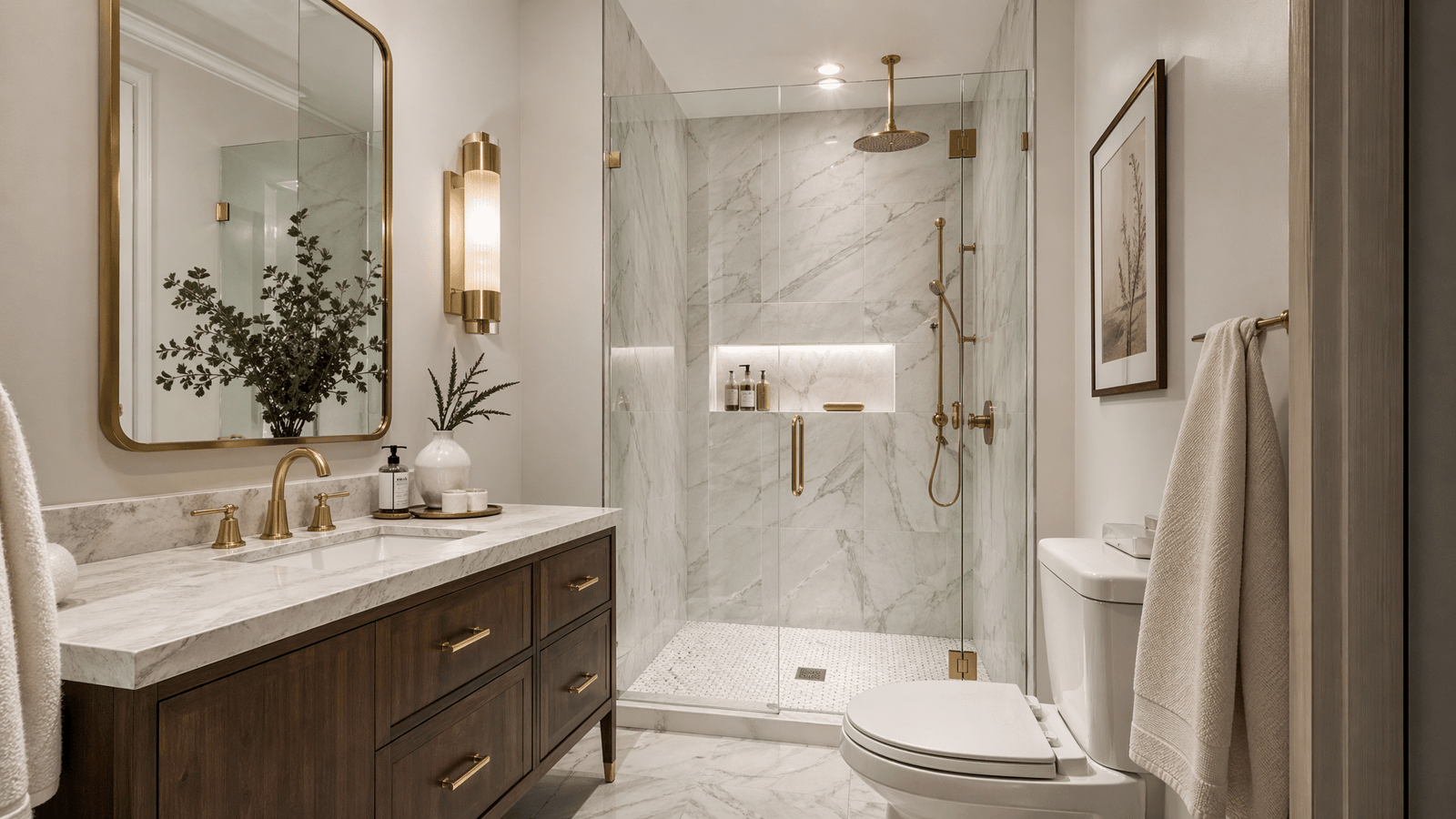
When updating interiors, consider leaving some elements raw or unpolished. Exposed brick, aged brass hardware, and reclaimed wood floors bring warmth and history into a sterile modern room. Perfection can feel cold, but character feels like home.
Craftsmanship Over Speed
In the past, building a home was a slow, deliberate art form. Artisans spent months carving crown molding or laying intricate tile patterns. That dedication to craft is why these structures are still standing strong centuries later.
Today, we often prioritize speed and low cost over durability. Learning from heritage properties means investing in quality pieces that last. Whether it is custom cabinetry or hand-forged door handles, choosing craftsmanship over mass-produced items transforms your space into something truly enduring.
Spatial Flexibility and Flow
Old floor plans were not just a series of closed-off boxes. They often featured pocket doors, large entryways, and multi-functional rooms that could adapt to the needs of the family. They understood how humans actually move through a space.
When opening up your floor plan during a remodel, look at how historic homes balance openness with intimacy. Instead of one massive, cavernous great room, consider using half-walls, sliding screens, or subtle level changes to define zones while keeping the airy flow alive.
The greenest building is the one that already exists. Historic preservation is the ultimate form of recycling. Instead of demolishing and creating mountains of landfill waste, working with an older footprint honors existing resources.
Applying this mindset to contemporary upgrades means repairing before replacing. Can that vintage vanity be restored instead of tossed out. Can that original hardwood be sanded down rather than covered with carpet. Treating your home as a long-term investment changes every design choice you make.
At the end of the day, blending old-world wisdom with modern convenience creates spaces that feel both fresh and deeply rooted. We do not need to abandon modern comforts to embrace historic lessons. By respecting the past, we build a better future for our homes.
Next time you plan a renovation, take a cue from the older buildings in your neighborhood. Listen to what the walls are trying to tell you. You might just find the inspiration you have been searching for.