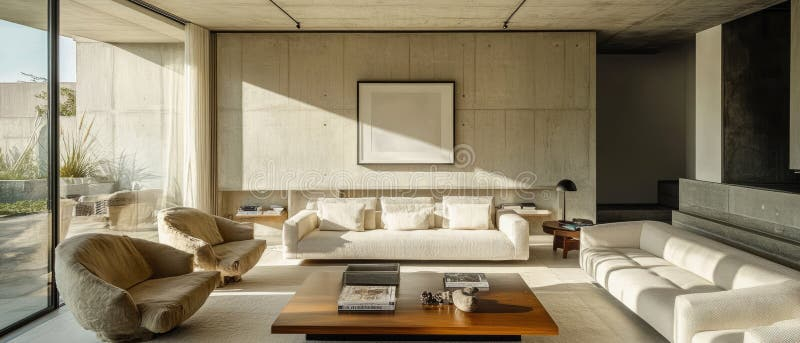
Ever walked into a room and just felt it? That immediate sense of ease, of belonging, where the light lifts your spirit, but the textures and colors ground you in a warm hug. It’s not just luck; it’s the beautiful result of finding that elusive, perfect balance between bright, expansive spaces and rich, comforting organic tones. This isn’t just about aesthetics, you know. It’s about creating environments that nourish our souls, spaces where we can truly live, work, and unwind in harmony.
In our fast-paced world, especially with so much digital noise, our homes have become more important than ever as sanctuaries. We crave that airy feeling, that sense of freedom that open layouts and abundant light provide. But who wants a space that feels cold or sterile? Nobody, that’s who. We also deeply desire warmth, texture, and the grounding connection to nature that organic elements deliver. The real trick, the secret sauce, is figuring out how to let these two seemingly different desires not just coexist, but truly enhance one another. Let’s dive in, shall we?
Understanding the Power of Light and Space
Think about it: natural light is a game-changer. It’s not just about seeing clearly; it’s about mood, energy, and even our overall well-being. A room bathed in sunlight feels bigger, more inviting, and just plain happier. In 2026, we’re seeing continued emphasis on maximizing natural light, not only through larger windows but also smart architectural choices and clever interior design. Open floor plans, for instance, naturally allow light to travel further, bouncing off surfaces and illuminating areas that might otherwise feel dim.
But "bright" doesn’t necessarily mean stark white walls everywhere. While light colors certainly help reflect light and make a room feel more expansive, the idea of an "open space" is more about flow and visual freedom. It’s about minimizing clutter, selecting furniture that doesn’t overwhelm the room, and sometimes even using mirrors strategically to amplify both light and the perception of depth. The goal here is a feeling of airiness, of breathability, a space where your eyes can travel without obstruction, allowing your mind to relax and expand.
Embracing the Comfort of Organic Tones
Now, let’s talk about the other side of the coin: organic tones. These are the colors and textures found in nature—think muted greens, earthy browns, warm grays, soft blues, and the subtle variations of terracotta and clay. They are inherently soothing, drawing on our primal connection to the natural world. When we bring these hues into our homes, we’re essentially wrapping ourselves in a feeling of calm and stability. It’s an antidote to the harshness of concrete jungles and digital screens.
Organic tones aren’t just about paint colors, though. They come alive through natural materials like unfinished wood, linen, wool, cotton, and stone. Imagine the grainy texture of an oak table, the soft drape of a natural fiber curtain, or the subtle variations in a handmade ceramic pot. These elements bring a tactile richness, a depth that makes a space feel lived-in and loved. They invite you to touch, to relax, to settle in, providing that much-needed sense of comfort and security that bright, open spaces sometimes lack on their own.
The Art of Deliberate Contrast and Texture
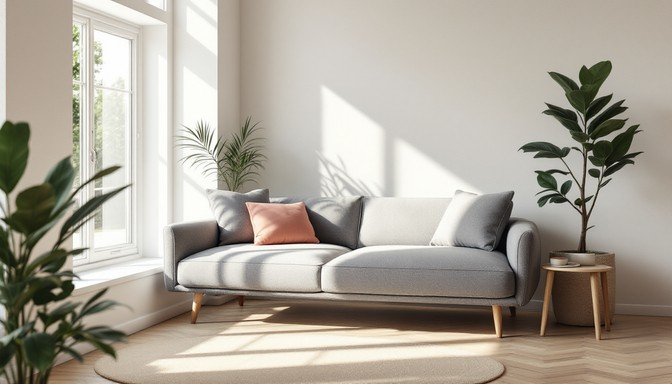
Here’s where the magic truly happens: bringing these two worlds together. The secret isn’t to pick one over the other, but to create a dynamic interplay. Bright, open spaces can sometimes feel a bit cold or empty without something to ground them. That’s where organic tones and textures step in. Imagine a sun-drenched living room with expansive windows; it feels wonderful, but add a chunky knit throw over a sofa, a warm wooden coffee table, and a few potted plants, and suddenly it’s not just bright—it’s inviting.
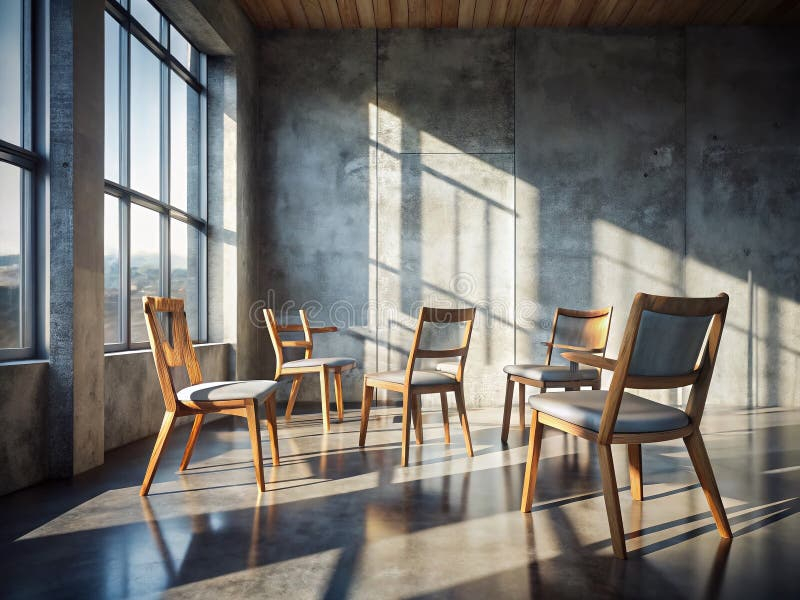
Conversely, organic tones, if used too heavily without adequate light or balance, can make a room feel dark and perhaps even a little suffocating. The key is contrast. A bright white wall becomes a perfect backdrop for a rich, dark wood bookshelf. A light, airy kitchen gains warmth from a backsplash of handmade, earthy tiles. It’s about creating visual interest, a conversation between the light and the dark, the smooth and the rough. Don’t be afraid to experiment with different textures; a rough-hewn stone wall next to a sleek, polished concrete floor can be absolutely stunning, providing a tactile experience that engages more than just our sight.
Layering Your Palette: Beyond Just Walls
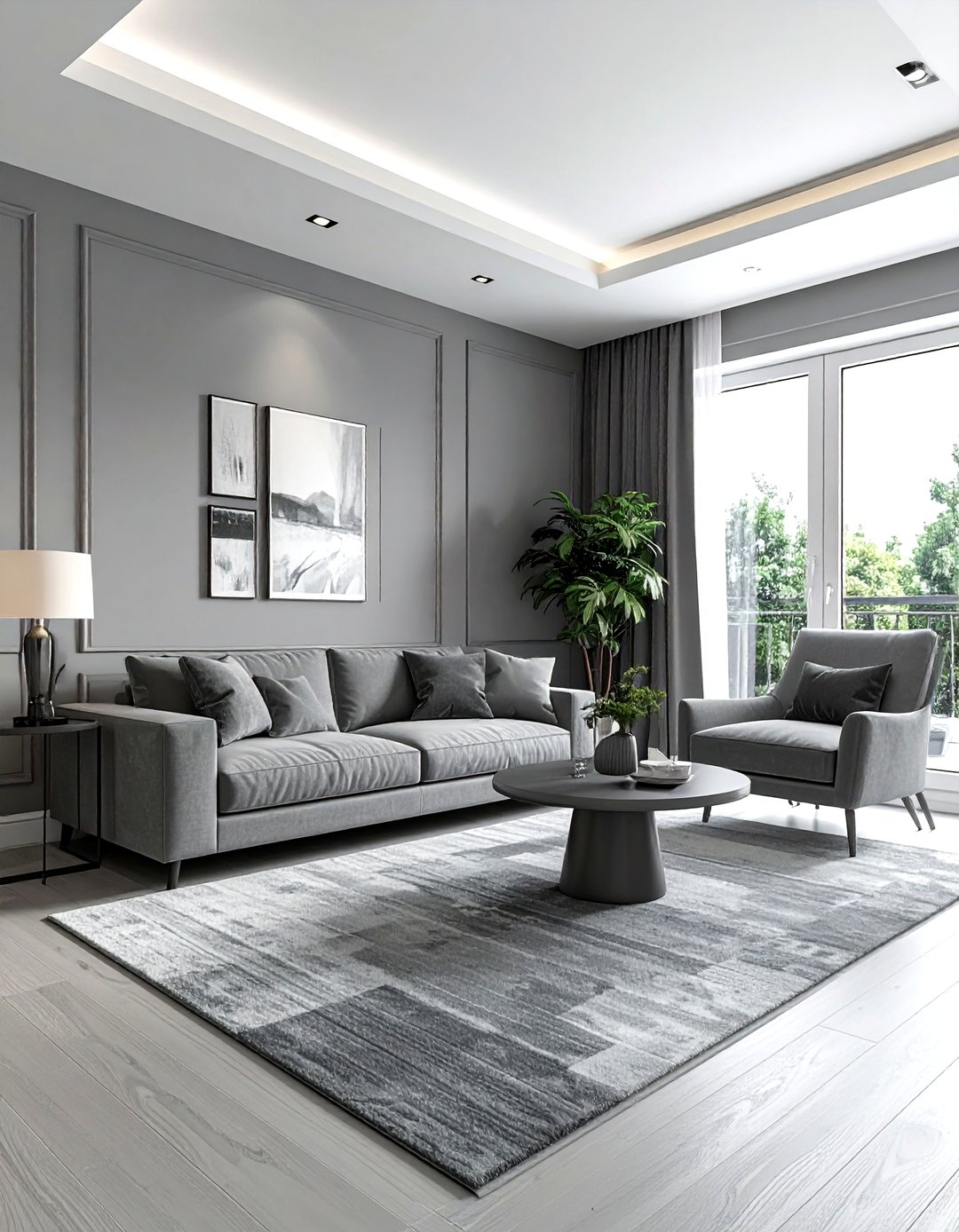
Achieving this balance is often about thoughtful layering. It’s not just about choosing a main wall color, but about how every element contributes to the overall feeling. Start with a foundation of lighter, more neutral tones for your larger surfaces—walls, ceilings, and perhaps bigger furniture pieces. This provides the "bright and open" canvas. Then, introduce your organic tones through layers. This could be a rug in a muted green, throw pillows in a warm terracotta, or even a statement armchair upholstered in a soft, natural linen.
Consider your lighting choices too. While natural light is paramount, how you supplement it matters. Warm-toned light bulbs (lower Kelvin temperatures) can instantly bring a cozy glow to a brightly lit room in the evenings. And don’t forget the power of art and décor. A large piece of abstract art with earthy colors can anchor a bright wall, or a collection of ceramic vases can add a touch of natural elegance to a minimalist shelf. It’s about building up the richness gradually, ensuring each layer adds to the harmony, not detracts from it.
Furniture and Fixtures as Connectors
The furniture and fixtures you choose are pivotal in bridging these two design philosophies. They aren’t just functional items; they’re essential design components. Look for pieces that embody both openness and organic warmth. For instance, a sofa with clean lines and a light fabric can be paired with a coffee table made of natural, sustainably sourced wood. Or consider chairs made from rattan or wicker, which offer an airy feel while introducing a beautiful organic texture.
Lighting fixtures themselves can play a dual role. Pendant lights with natural fiber shades, like jute or bamboo, cast a warm glow and add an earthy touch. Metal fixtures in brushed brass or matte black can provide a contemporary edge that balances the softness of organic materials. Even something as simple as cabinet hardware or door handles in a natural finish can make a difference. Every piece, no matter how small, has the potential to contribute to the overall equilibrium of your space, connecting the expansive feeling with the comforting details.
Perhaps the most direct and impactful way to marry bright, open spaces with comforting organic tones is to simply bring nature inside. This isn’t a new concept, but its importance is continually highlighted in design trends, especially in 2026. Plants, whether a towering fiddle-leaf fig or a collection of smaller succulents, instantly add life, color, and an undeniable organic presence to any room. They soften lines, purify the air, and provide a vibrant contrast to lighter backdrops.
Beyond actual plants, think about incorporating natural elements in other ways. A vase filled with fresh branches, a bowl of smooth river stones, or even artwork depicting natural landscapes can evoke the same sense of calm and connection. Maximizing views of the outdoors, if you’re lucky enough to have them, is another powerful strategy. Large windows aren’t just for light; they’re frames for nature’s ever-changing artwork. The feeling of being connected to the outside world, even from inside, inherently balances the bright openness with the comforting, grounding essence of nature.
Finding that perfect sweet spot between bright open spaces and comforting organic tones isn’t about following a rigid rulebook. It’s an art, a dance between light and shadow, texture and smoothness, expansiveness and intimacy. It’s about listening to how a space makes you feel and making choices that foster well-being. Start with your desire for light and openness, then thoughtfully weave in those rich, earthy elements—the warm woods, the soft textiles, the living plants.
The goal is a home that feels both invigorating and serene, a place where you can breathe deeply and truly relax. Don’t be afraid to experiment, to try things out, and to let your space evolve with you. After all, the most beautiful homes are those that reflect the unique individuals who live in them, blending their needs for both bright inspiration and comforting solace into a singular, harmonious design. What you’ll end up with is more than just a well-decorated room; you’ll have a true sanctuary.