You know that feeling. You walk into your child’s room after a long day, hoping for a moment of peace, and instead, you’re greeted by a sea of plastic bricks, stuffed animals, and clothes that seem to have exploded out of the closet. It’s exhausting. We’ve all been there. In 2026, the pressure to have an "Instagram-worthy" home is higher than ever, but let’s be real—kids are messy. It’s their job. Our job? To give them the tools to clean up without turning every evening into a battle of wills.
The truth is, most storage advice fails because it ignores the human element. Specifically, the small, chaotic humans who live in the room. If a bin is too heavy, they won’t use it. If a shelf is too high, they can’t reach it. If the system is too complicated, they’ll ignore it. Keeping a child’s room tidy isn’t about perfection. It’s about creating simple, intuitive systems that both you and your kids can actually maintain. When the barrier to putting things away is low, clutter doesn’t stand a chance.
So, how do we fix this? It starts with shifting our mindset from "hiding the mess" to "designing for flow." We need smart solutions that maximize space, look good, and most importantly, work for the child’s age and abilities. Whether you’re dealing with a tiny apartment bedroom or a sprawling playroom, the principles remain the same. Let’s dive into some practical, designer-approved ways to reclaim your floor space and maybe even your sanity.
The Psychology of "Easy Put-Away
Before we buy a single bin, we have to talk about behavior. Why do kids leave toys on the floor? Often, it’s not defiance. It’s friction. If putting a toy away takes three steps (open lid, drop toy, close lid), they might just drop it on the floor instead. The goal is to reduce those steps to one. This is where open storage shines. Baskets without lids, open cubbies, and low shelves invite participation. In 2026, designers are moving away from heavy, closed cabinets in kids’ rooms in favor of accessible, airy solutions that make cleanup feel like part of the play, not the end of it.
Labeling is another game-changer, but not in the way you might think. For toddlers and pre-readers, words are useless. Use pictures. Take a photo of the blocks, print it out, and tape it to the bin. Now, cleanup becomes a matching game. "Can you find the bin with the picture of the red car?" It turns a chore into a challenge. For older kids, clear labels help them take ownership. When they know exactly where the Lego pieces go versus the action figures, decision fatigue drops. They don’t have to think; they just act.
Also, consider the "one-touch" rule. Can your child put an item away with just one motion? Hanging hooks are better than hangers for young kids because sliding a coat onto a hook is easier than maneuvering it onto a thin plastic hanger. Low drawers that glide smoothly are better than stiff ones. The easier the physical action, the more likely the habit will stick. It’s subtle, but these small ergonomic tweaks add up to a room that stays cleaner for longer.
Vertical Space and Hidden Gems
Floor space is prime real estate in a kid’s room, and it gets consumed fast. The solution? Look up. Walls are vastly underutilized. Installing floating shelves at varying heights allows you to store books, display special treasures, and keep less frequently used items out of the way. But be careful—safety is key. Ensure shelves are anchored securely to the wall studs. In recent years, we’ve seen a rise in modular wall systems that grow with the child. You can start with low bins for toys and gradually move them higher as the child grows, replacing them with book displays or study areas.
Don’t forget the back of the door. It’s a blank canvas waiting for organization. Over-the-door organizers with clear pockets are perfect for small items like art supplies, socks, or small cars. Hooks can hold backpacks, hats, or costumes. This keeps these items visible and accessible but off the floor. It’s a cheap, non-permanent solution that renters love. Plus, it teaches kids that everything has a "home," even if that home is vertical.
Under-bed storage is another classic for a reason. But ditch the dusty plastic boxes that require dragging the whole bed out. Opt for rolling drawers or bins on wheels. These are easy for kids to pull out, access, and push back in. In 2026, many bed frames come with built-in storage drawers, which is a fantastic investment for small rooms. If you’re working with what you have, simple fabric bins on casters work wonders. Just remember to rotate what’s stored there. Seasonal clothes or rarely played-with toys are ideal candidates. Keep the everyday stuff within arm’s reach.
Multi-Functional Furniture Magic
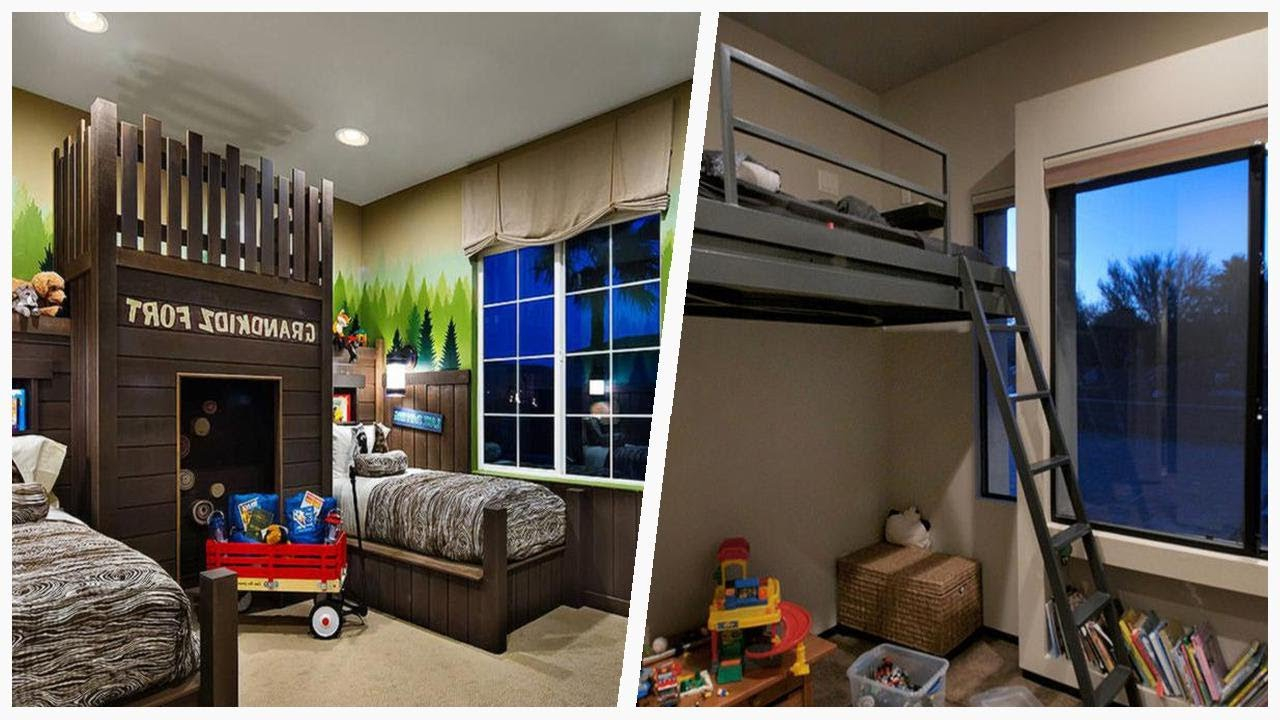
Furniture in a child’s room needs to work harder than anywhere else in the house. A bed shouldn’t just be for sleeping; it should be a storage unit. A desk shouldn’t just be for homework; it should hide craft supplies. This is the era of multi-functional design. Consider a loft bed with a desk underneath, or a bench at the foot of the bed that opens up to store board games. These pieces reduce the total number of items in the room, which naturally reduces clutter.
Play tables with built-in storage are a brilliant hack. As noted by interior experts, a play table can serve as a surface for drawing and games, while the drawers and cubbies below hold the supplies. When playtime is over, everything sweeps directly into the table. Out of sight, out of mind. This is particularly effective for small apartments where a dedicated playroom isn’t an option. The living room stays tidy because the "mess" has a designated, concealable home.
Modular furniture is also having a moment. Cube storage units can be configured horizontally as a low shelf for a toddler, then stacked vertically as a bookcase for a teen. This adaptability means you aren’t constantly buying new furniture as your child grows. It’s sustainable and cost-effective. Look for pieces with neutral finishes that can adapt to changing tastes. A white or natural wood cube unit fits any theme, from dinosaurs to space exploration, without clashing.
The Art of Categorization and Rotation
One of the biggest mistakes parents make is keeping all the toys out at once. It’s overwhelming for the child and impossible to keep tidy. Enter toy rotation. Keep only a portion of toys accessible and store the rest in a closet, basement, or high shelf. Every few weeks, swap them out. This keeps the toys feeling fresh and exciting, and it makes cleanup manageable because there’s simply less stuff to deal with. In 2026, minimalism in kids’ rooms is trending, not for aesthetic reasons alone, but for mental clarity. Less visual noise means calmer kids.
When you do have toys out, categorize them logically. Not by type necessarily, but by how they are played with. Keep all the building toys together. Keep all the dress-up clothes in one spot. Keep the art supplies in a caddy that can be moved to the table. Grouping similar items helps kids understand where things belong. If you have a "mixed" bin, it becomes a junk drawer of doom. Avoid mixed bins at all costs. Specificity is your friend.
Use clear containers for small parts. If your child loves Lego or puzzles, clear bins allow them to see what’s inside without dumping everything out. This prevents the "dump and search" method that creates massive messes. Label these bins clearly. For older kids, involve them in the categorization process. Ask them, "Where do you think these should go?" When they have a say in the system, they are more likely to respect it. It builds executive function skills and responsibility.
Zone-Based Organization for Different Ages
A toddler’s room needs different storage than a ten-year-old’s. For toddlers, everything must be within reach and durable. Low, open shelves with sturdy baskets are ideal. Avoid glass or fragile containers. Focus on gross motor skills—big bins for big toys. As children enter school age, their needs shift. They need spaces for homework, hobbies, and socializing. Introduce desk organizers, file folders for school papers, and display shelves for collections. The storage should reflect their growing independence.
For teens, privacy and style become paramount. Closed storage becomes more important than open bins. They want their space to reflect their identity, not look like a nursery. Invest in stylish baskets, decorative boxes, and adequate closet organization. Hook systems for bags and jackets are still useful, but they need to look mature. Lighting also plays a role in organization. Good task lighting at a desk encourages its use for study rather than letting papers pile up on the bed.
Regardless of age, create distinct zones. A sleep zone, a play zone, and a study zone. Even in a small room, you can define these areas with rugs or furniture placement. Keep play items in the play zone and study items in the study zone. This mental separation helps kids switch modes. When they are in the study zone, they know it’s time to focus. When they are in the play zone, they can let loose. Clear boundaries help contain the mess to specific areas, preventing it from spreading to the entire room.
The best storage system in the world will fail if it isn’t maintained. But maintenance doesn’t have to mean nagging. Make cleanup part of the routine, not an exception. Use timers. "Let’s see if we can beat the clock! Five minutes to get everything in its home." Music helps too. Create a "cleanup playlist" that lasts about ten minutes. When the music stops, the room should be tidy. This adds an element of fun and urgency.
Lead by example. If your own spaces are chaotic, your kids will be too. Show them how you organize your things. Talk through your process. "I’m putting these keys in the bowl so I can find them tomorrow." Modeling organizational habits is powerful. Also, praise the effort, not just the result. "I noticed you put all your books back on the shelf. That makes the room look so peaceful. Thank you." Positive reinforcement builds intrinsic motivation.
Finally, be realistic. Some days will be messy. Life happens. Don’t strive for perfection. Strive for progress. If the floor is clear enough to walk safely, that’s a win. If the clothes are in a hamper, even if it’s overflowing, that’s a win. Celebrate the small victories. And remember, this is a marathon, not a sprint. Systems will need tweaking as your child grows. Stay flexible, stay patient, and keep communicating. A clutter-free room isn’t about control; it’s about creating a space where your child can thrive, create, and rest.
At the end of the day, the goal isn’t a showroom-ready room. It’s a functional, happy space where your child feels safe and organized. By using smart storage, respecting their developmental stage, and keeping systems simple, you can reduce the chaos. You’ll spend less time cleaning and more time connecting. And honestly? That’s worth every labeled bin. So take a deep breath. Pick one corner. Start small. You’ve got this.