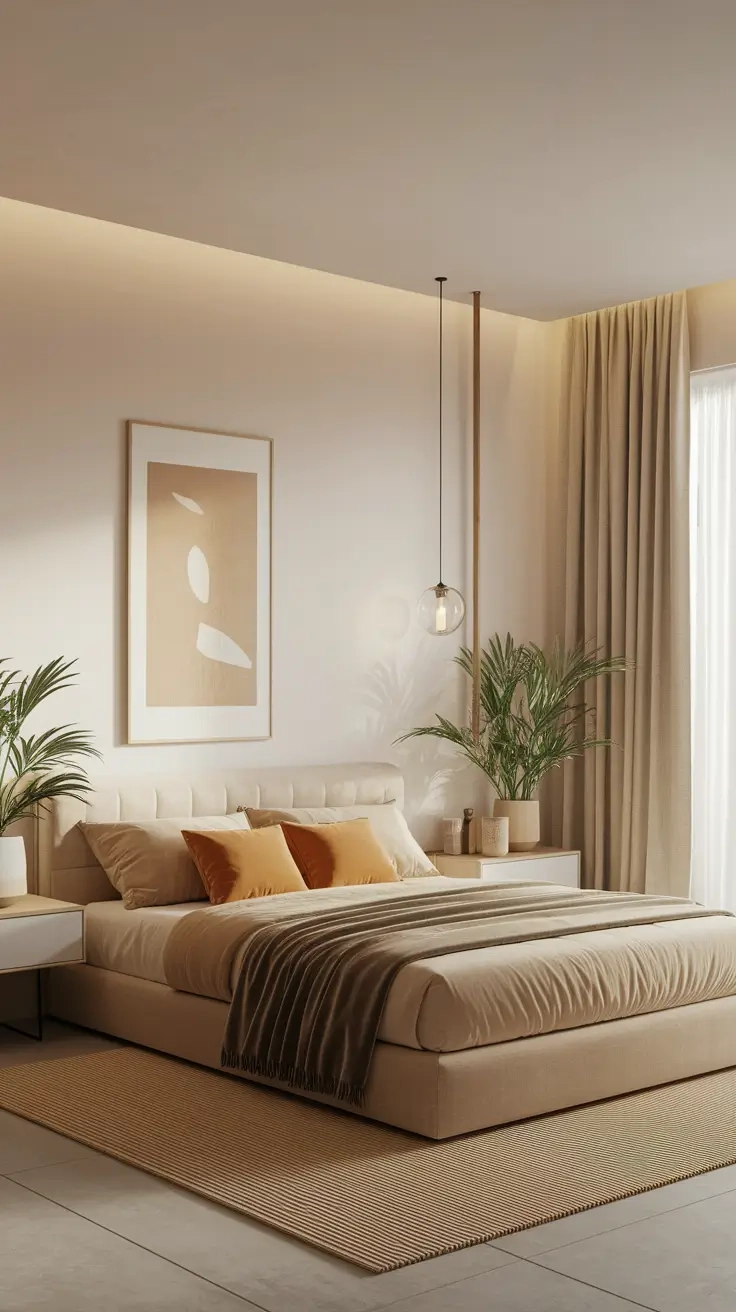
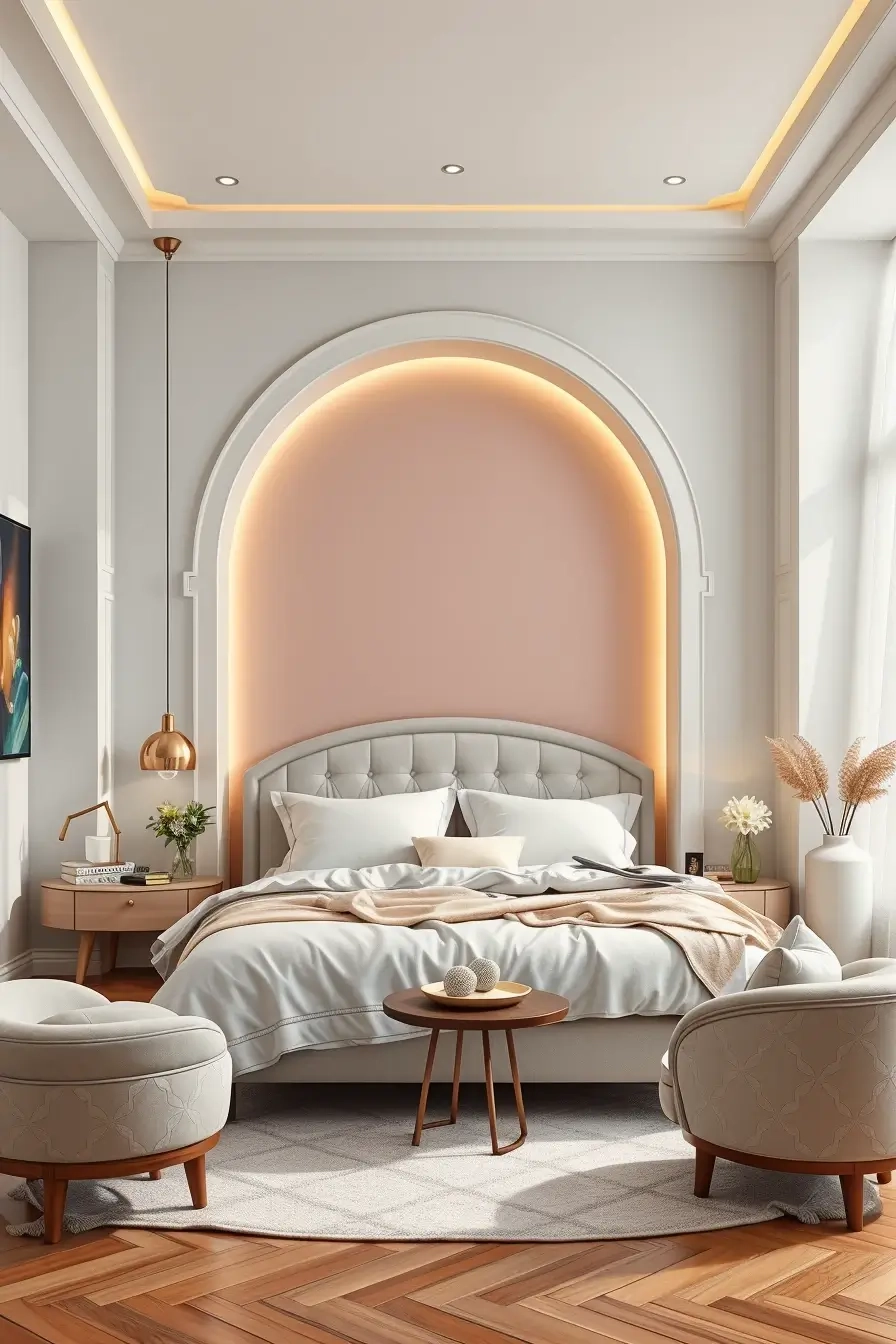
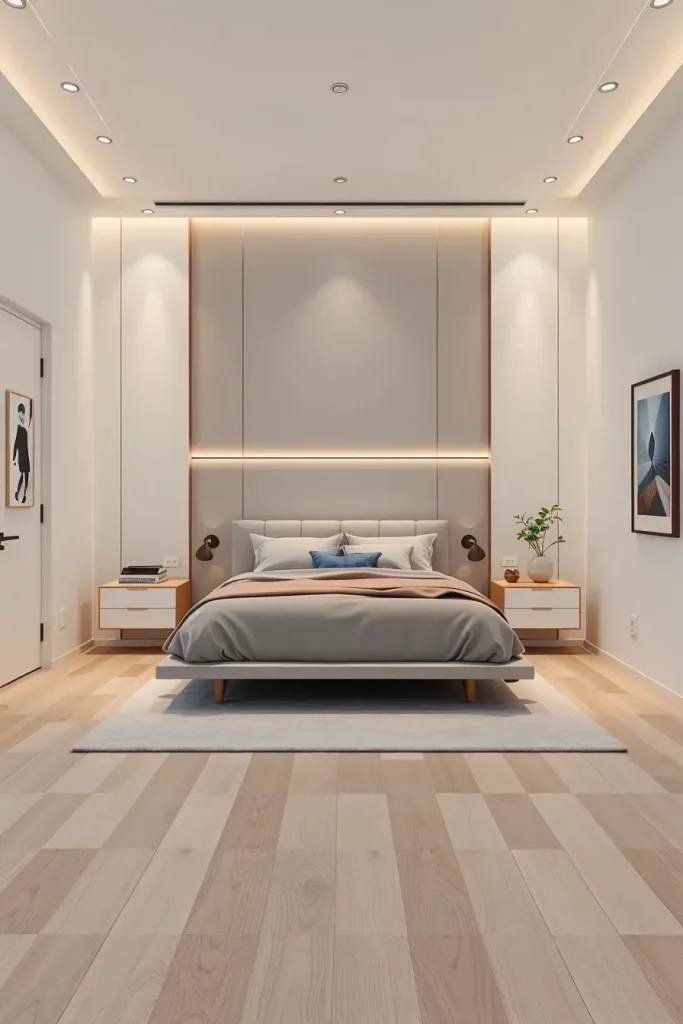
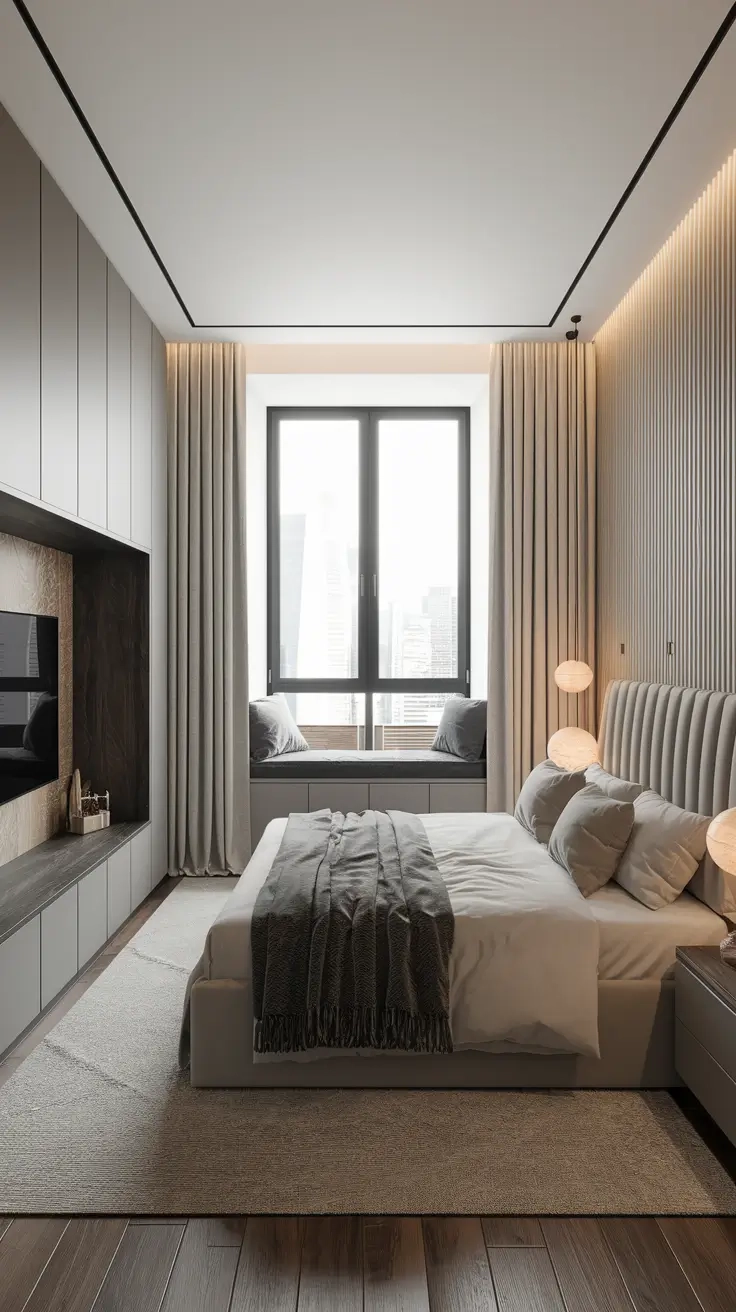
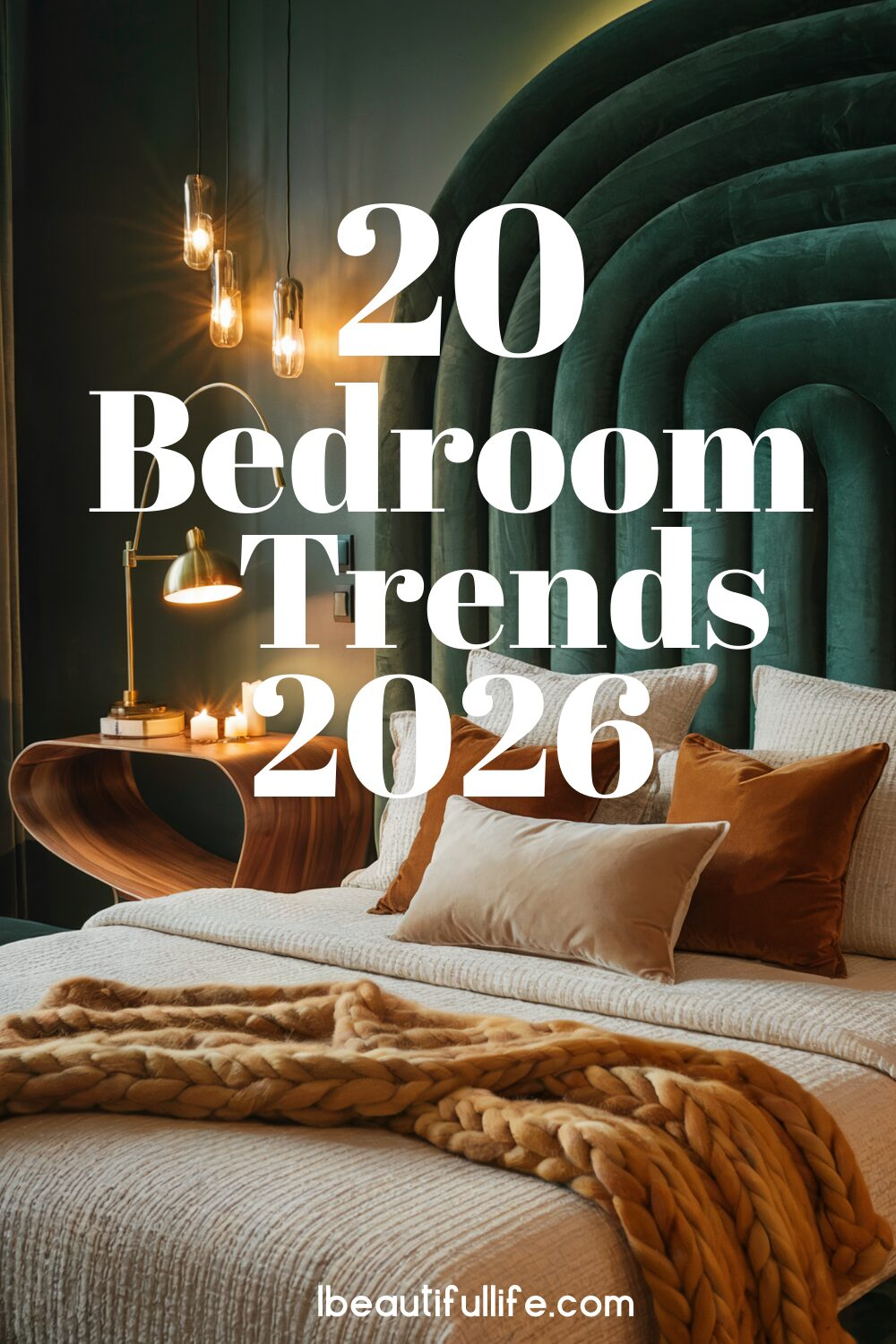
You know that feeling. You walk into your bedroom at the end of a long, exhausting day, and instead of feeling relief, you just feel… meh. Maybe the walls are a color that used to make sense but now feels heavy. Or maybe the furniture layout makes it impossible to open the closet door without hitting your shin. It’s not just about aesthetics. It’s about how the space makes you feel. And right now? It’s not working.
So you decide it’s time. Time for a change. A refresh. A total overhaul. But then comes the paralysis. Where do you even start? Do you buy the rug first? Pick the paint? Throw out the old bed frame? The internet is flooded with before-and-after photos that look effortless, but they rarely show the messy, confusing middle part where you’re standing in an empty room holding a tape measure and wondering if you’ve made a huge mistake.
Here is the truth: most people skip the boring stuff and jump straight to shopping. That is exactly why so many makeovers stall halfway through or end up costing twice as much as planned. Before you spend a single dime, you need a plan. Not a rigid, stressful blueprint, but a clear direction. If you can nail these first three steps, the rest of the process becomes infinitely easier. Let’s break it down.
Step One: Define the Function and Feeling (Before You Look at Pretty Pictures)
It is tempting to scroll through Pinterest or Instagram and save every image of a cozy, beige sanctuary or a vibrant, maximalist dream room. But here is the trap: those images don’t live in your house. They don’t have your specific lighting issues, your weirdly angled window, or your habit of leaving laundry on "that one chair." Before you look at a single decor item, you need to get honest about how you actually use this room.
Ask yourself some hard questions. Is this room just for sleeping? Or do you also work from bed? Do you read there? Do you get dressed there? If you’re trying to work from your bedroom, you need task lighting and a desk setup, not just ambient lamps. If you struggle with sleep, you might need blackout solutions and calming colors rather than energizing brights. In 2026, we’re seeing a big shift toward "biophilic design"—bringing nature indoors to reduce stress—but that only works if it aligns with your personal needs. If you hate plants, don’t force them into your vision just because it’s trendy.
Next, define the feeling. This is harder than it sounds. Don’t just say "calm." What does calm look like to you? Is it a cool, crisp hotel vibe? Or is it a warm, textured nest with lots of soft blankets? Write down three words that describe how you want to feel when you walk in. For many, it’s "restful," "clutter-free," and "safe." For others, it might be "creative," "bright," and "inspiring." Keep these words visible. They will be your compass when you’re overwhelmed by choices later on.
Step Two: Audit What You Have and Measure Everything Twice
Now that you know what you need the room to do, look at what you already own. This step saves money, plain and simple. Pull everything out. Yes, everything. Look at your bed frame, your nightstands, your dresser. Are they functional? Do you love them? If the answer is no, be honest. Can they be painted? Refinished? Or do they need to go? Sometimes, keeping one key piece—like a solid wood dresser—and updating the rest of the room around it creates a cohesive look without breaking the bank.
But here is where most beginners mess up: they guess the measurements. Don’t guess. Get a tape measure and write down the exact dimensions of your room. Note the height of the ceiling. Measure the width of the windows. Measure the distance from the wall to the outlet (so you know if your nightstand will block it). Sketch a rough floor plan on paper or use a free app on your phone. You need to know if a king-size bed will actually fit with enough walking space on either side. Spoiler alert: often, it won’t.
Take photos of the room from every angle, too. Print them out or keep them on your phone. When you’re shopping, it’s easy to forget that the corner near the door is awkwardly shaped or that the light hits the far wall differently in the afternoon. Having visual references prevents you from buying a gorgeous lamp that ends up looking tiny in the actual space. This audit isn’t just about logistics; it’s about respecting the bones of the room you already have. Work with them, not against them.
Step Three: Set a Realistic Budget and Prioritize Spending
Let’s talk about money. It’s the unsexy part of design, but it’s the most important. Without a budget, you’ll either overspend on the first few items and run out of cash for essentials, or you’ll underspend and end up with cheap pieces that break in six months. Decide on a total number you’re comfortable spending. Then, break it down.
In 2026, supply chains are more stable than they were a few years ago, but prices for quality furniture remain high. So, prioritize wisely. Experts agree: splurge on the things you touch every day. That means your mattress, your bedding, and maybe your main seating if you have space. Save on the things that are purely decorative or easy to swap out, like throw pillows, art prints, and rugs. You can find incredible vintage rugs or DIY art projects that look high-end for a fraction of the cost.
Create a spreadsheet or a simple list. Categorize your spending into "Must-Haves" (bed, mattress, window treatments for privacy) and "Nice-to-Haves" (accent chair, decorative mirror, fancy headboard). Allocate 50% of your budget to the Must-Haves. Leave 20% as a buffer for unexpected costs—because there will always be unexpected costs. Maybe you open a wall and find old wiring. Maybe the paint color looks terrible and you need to buy a second gallon. That buffer is your sanity saver. Stick to it. If you want a pricey item, see what you can cut from the "Nice-to-Have" list to balance it out.
Why Skipping These Steps Leads to Design Regret
We’ve all been there. You buy a beautiful armchair because it was on sale. It looks amazing in the store. But when you get it home, it blocks the radiator, or the fabric clashes with your existing carpet, or it’s just too big for the corner. Now you’re stuck with a chair you don’t love, in a room that feels more cluttered than before. This happens because the purchase wasn’t guided by a plan. It was an impulse based on emotion, not function.
When you skip the function assessment, you end up with a room that looks good in photos but doesn’t work for your life. Maybe you bought sheer curtains because they looked airy, but now the streetlight shines directly into your eyes at 6 AM. Maybe you chose a dark, moody paint color because it was trending, but your room has no natural light, so it now feels like a cave. These aren’t just aesthetic failures; they’re functional ones that affect your daily well-being.
Skipping the measurement and audit phase leads to wasted money and returns. Returning furniture is a hassle. Restocking fees eat into your budget. And let’s not forget the environmental impact of shipping items back and forth. By measuring first, you ensure that what you buy fits. By auditing first, you ensure you’re not replacing something that was perfectly fine. It’s about being intentional. Intentionality is the opposite of regret.
Common Mistakes Beginners Make (And How to Avoid Them)
One of the biggest mistakes is trying to do everything at once. You don’t need to replace the floor, the walls, the furniture, and the decor in a single weekend. That’s a recipe for burnout. Instead, phase your project. Maybe month one is just painting and new bedding. Month two is finding a new nightstand. Breaking it down makes it manageable and less financially overwhelming.
Another common error is ignoring lighting. Many bedrooms have a single overhead light fixture, which is rarely flattering or functional. Layer your lighting. You need ambient light (general illumination), task light (for reading or dressing), and accent light (to highlight art or architecture). If you only plan for one, your room will feel flat. Add a floor lamp in the corner. Put a small lamp on the dresser. Use smart bulbs that can change color temperature depending on the time of day. In 2026, smart lighting is affordable and easy to install, making it a great upgrade for any budget.
Finally, don’t forget the power of texture. A room with all smooth surfaces—painted walls, wood floors, cotton sheets—can feel sterile. Mix it up. Add a wool rug. A velvet pillow. A woven basket. A metal lamp base. Texture adds depth and interest without adding visual clutter. It makes a room feel curated and lived-in, rather than like a showroom display. If your room feels "off" but you can’t figure out why, check your textures. You’re probably missing one or two key elements.
Making It Personal: Adding Your Story to the Space
A bedroom shouldn’t look like it came straight out of a catalog. It should look like you. This doesn’t mean covering every surface with knick-knacks. It means choosing items that have meaning. Maybe it’s a piece of art from a trip you took ten years ago. Maybe it’s a quilt your grandmother made. Maybe it’s a collection of books you love displayed on a shelf. These items add soul to the room. They make it yours.
In 2026, there’s a growing appreciation for "slow design"—choosing fewer, better things that last. Instead of buying fast-furniture trends that will be outdated in a year, invest in pieces that tell a story. Visit local thrift stores. Talk to artisans. Find one unique piece that speaks to you and build the room around it. This approach is not only more sustainable but also creates a space that feels authentic and comforting.
Don’t be afraid to mix styles. Modern and vintage work beautifully together. Industrial and soft textiles create interesting contrast. Your bedroom is a reflection of your journey, your tastes, and your experiences. Let it show. If you love color, use it. If you prefer minimalism, embrace the white space. There are no rules, only guidelines. The best guideline is this: does it make you happy? Does it make you feel at peace? If yes, keep it. If no, let it go.
Planning a bedroom makeover doesn’t have to be stressful. In fact, if you follow these first three steps—defining function and feeling, auditing and measuring, and setting a realistic budget—you’ll find that the rest of the process flows naturally. You’ll shop with purpose. You’ll make decisions with confidence. And you’ll avoid the costly mistakes that trip up so many beginners.
Remember, this is your sanctuary. It’s the place where you recharge, where you dream, where you start and end your day. It deserves thought and care. But it doesn’t require perfection. It requires intention. Take your time. Live with the changes as you make them. Adjust as needed. Design is an iterative process, not a one-time event.
So, grab that tape measure. Sit down with a cup of coffee and think about how you want to feel. Write down your budget. You’re not just decorating a room; you’re creating a backdrop for your life. And that’s worth getting right. Start small. Start smart. And enjoy the journey of making your space truly yours.