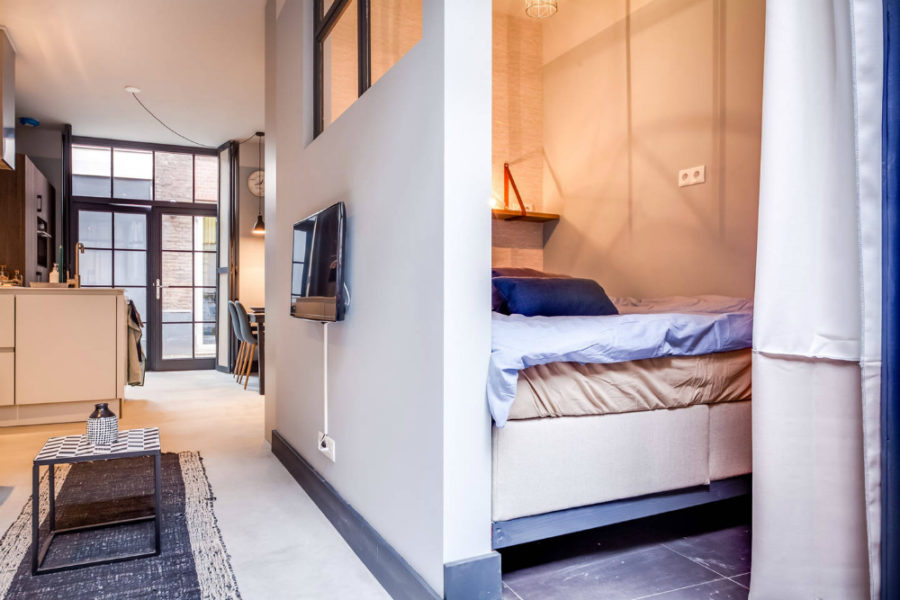
Ever walked into a room that felt huge but somehow still hugged you? That’s the magic we’re chasing. It sounds like a contradiction, doesn’t it? An open plan bedroom that feels both expansive and intimate. But in 2026, this isn’t just a trend; it’s a lifestyle shift. We are moving away from boxy rooms toward spaces that breathe. Yet, nobody wants to sleep in a warehouse. The challenge is real. How do you keep the airiness without losing the soul?
The secret lies in two simple things: light and texture. Not just any light, but the kind that dances. Not just any fabric, but the kind that invites touch. When you get these right, your bedroom stops being just a place to crash. It becomes a sanctuary. A styled, personal nook that happens to share walls with the rest of your life. Let’s dive into how you can make this work for your home, no matter the size or budget.
The Power of Soft Neutrals and Light Palettes
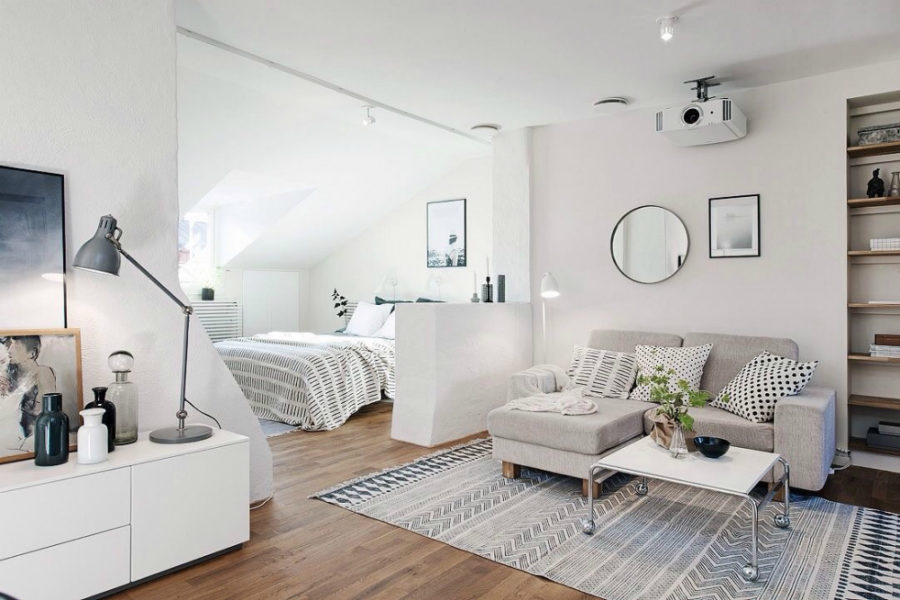
Start with the canvas. Your walls and big furniture pieces set the tone. In recent years, designers have leaned heavily into light neutral colors. Think soft creams, warm whites, and pale greiges. These shades don’t just reflect light; they amplify it. They make the ceiling feel higher and the corners less sharp. A study from homedecorbliss.com highlighted how serene monochromatic palettes enhance peaceful ambiance. It’s not about being boring. It’s about creating a calm backdrop.
But here’s the trick: don’t go sterile. Pure white can feel cold. Instead, layer your neutrals. Mix a creamy wall color with linen bedding in a slightly darker shade of oatmeal. Add a rug that has hints of taupe. This subtle variation creates depth without visual clutter. It tricks the eye into seeing boundaries where there are none. You get that open, airy feel, but your brain registers warmth. It’s psychological zoning at its finest. And honestly? It’s easier to maintain than you’d think.
Zoning Without Walls
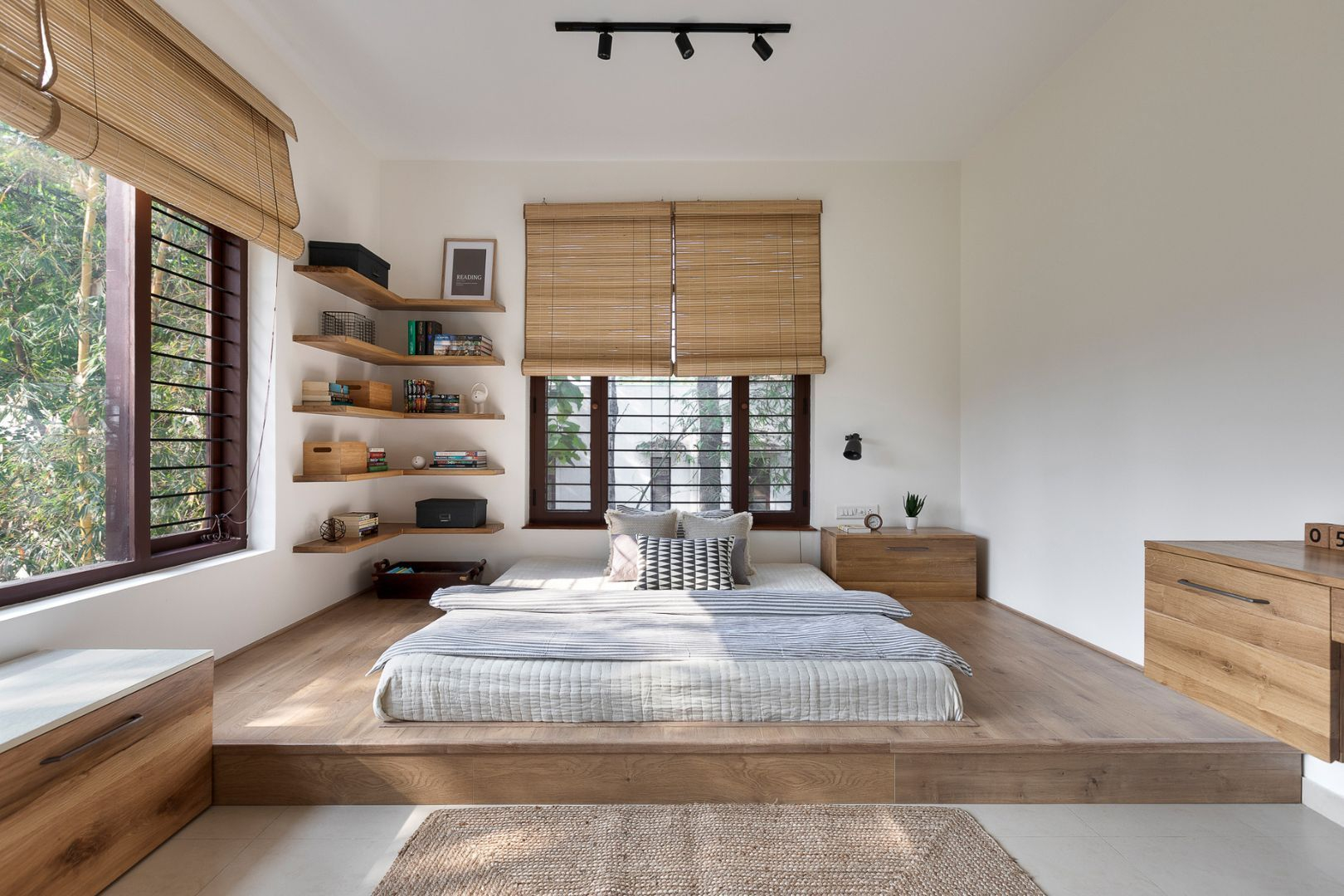
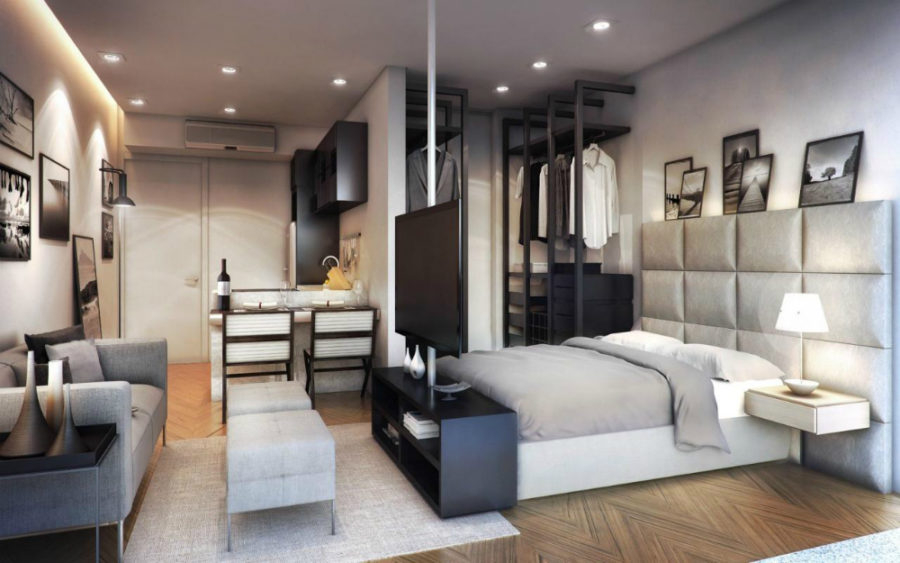
So, you’ve got your light base. Now, how do you define the sleeping area without building a wall? Furniture placement is your best friend. You don’t need solid barriers. You need suggestions. A low-profile bed frame acts as a visual anchor. Place it so it faces away from the main traffic flow. This creates a natural "back" to your sleeping zone. Behind the bed, consider a console table or a low bookshelf. It breaks the line of sight just enough to create privacy.
Lighting plays a huge role here too. Instead of one big overhead light, use layers. Pendant lights hanging low over nightstands create a canopy effect. Floor lamps with warm bulbs cast pools of light that define specific areas. According to awwhome.com, balancing openness with intimacy relies heavily on this zoning. When you turn off the main lights and leave only the bedside lamps on, the rest of the room fades away. Suddenly, your open plan feels like a private suite. It’s all about controlling what the eye sees and where it rests.
Textures That Invite Touch
If light is the skeleton of your room, texture is the flesh. In an open space, smooth surfaces can feel echoey and distant. You need materials that absorb sound and invite interaction. Think plush rugs underfoot. Velvet cushions on a reading chair. Chunky knit throws draped over the foot of the bed. These elements add weight and coziness. They tell your body, "Slow down. Rest here."
Mixing textures also adds visual interest without adding clutter. Imagine a sleek wooden floor paired with a shaggy wool rug. Or a smooth leather headboard against a rough-hewn linen duvet. Decorfeed.com notes that engaging senses beyond sight enhances intimacy. When you run your hand across a textured surface, you feel grounded. It connects you to the space. Don’t be afraid to mix high and low textures. A silk pillow next to a cable-knit blanket creates a dynamic tension that feels luxurious and lived-in. It’s styled, but not stiff.
Vertical Space and Height Play
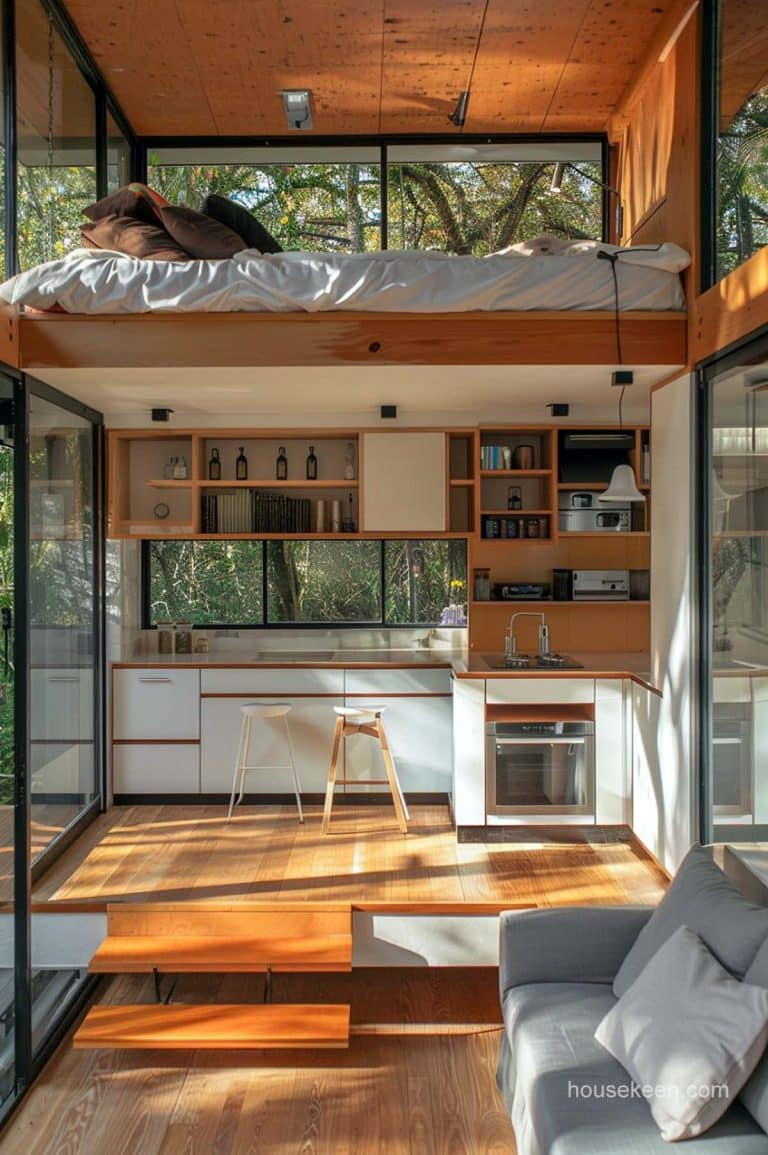
Don’t forget to look up. In open-plan designs, vertical space is often underutilized. If you have high ceilings, consider a mezzanine level. Restoredstyle.com points out that mezzanine bedrooms are spectacular for creating separation while keeping the expansive feel. Even if you can’t build a loft, you can play with height. Tall headboards draw the eye upward, creating a sense of enclosure. Floor-to-ceiling curtains, even if they don’t cover a window, can frame the bed like a stage set.
Hanging plants or art high on the walls also helps. It fills the vertical void without taking up floor space. This keeps the room feeling open at eye level but anchored from above. It’s a balancing act. Too much stuff on the floor makes it cramped. Too much empty space above makes it feel unfinished. By filling the vertical plane with light, airy elements like trailing ivy or delicate mobiles, you maintain the flow. It adds personality without blocking the view.
Acoustic Comfort and Sensory Details
Open plans can be noisy. Sound travels. To make your bedroom feel intimate, you need to manage acoustics. Hard surfaces bounce sound around, making the space feel chaotic. Soft surfaces absorb it. This is where those thick curtains and plush rugs come back into play. They aren’t just pretty; they’re functional. They dampen echoes. Consider adding acoustic panels disguised as art. Or use a large tapestry on the wall.
Scent is another underrated tool. A subtle diffuser with lavender or sandalwood can signal to your brain that this zone is for rest. It creates an invisible boundary. When you smell a specific scent associated with relaxation, your body responds. It’s sensory zoning. Mix this with the visual cues of light and texture, and you have a multi-layered experience. It’s not just about looking good. It’s about feeling good. And in 2026, holistic well-being in design is paramount.
Finally, make it yours. An open plan bedroom shouldn’t look like a hotel lobby. It needs your fingerprint. Display books you actually read. Hang photos that mean something. Leave a half-finished puzzle on a side table. This "styled chaos" adds life. It breaks the perfection that can make open spaces feel impersonal. Epicalab.com suggests that polished, practical ways to connect spaces involve personal items.
But keep it curated. Don’t let clutter take over. Use baskets and trays to corral small items. A beautiful tray on your nightstand holds your watch, glasses, and a candle. It looks intentional, not messy. Rotate your decor seasonally. Swap out heavy wool throws for lightweight cotton in summer. Change the lampshades. Keep the energy fresh. This flexibility is the beauty of open planning. You can adapt the space as your mood changes. It stays intimate because it stays true to you.
Creating an open plan bedroom that feels intimate isn’t about hiding. It’s about revealing the right things at the right time. By mastering light, layering textures, and zoning with furniture, you create a space that breathes. It’s open, yet protected. Airy, yet cozy. It’s a place where you can stretch out and feel free, but also curl up and feel safe. So go ahead. Knock down those mental walls. Let the light in. And wrap yourself in the textures that make you feel at home.