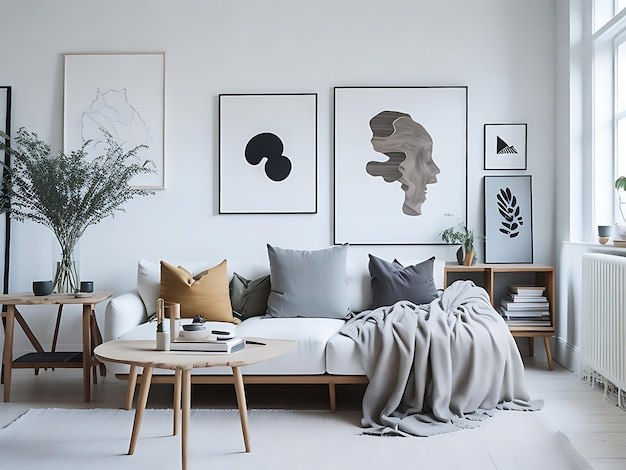
There is a distinct moment when you walk into a living room and instantly feel your shoulders drop. It has nothing to do with square footage or the price tag attached to the furniture. Long before anyone turns on a lamp or pours a drink, the room radiates an innate hospitality. The sofa looks genuinely inviting rather than stiffly ornamental, the textiles catch the afternoon light with quiet dignity, and the books stacked on the coffee table tell a silent, personal story about the people who live there. Yet, despite the richness of the environment, nothing screams for your attention. There is breathing room.
Achieving that specific brand of effortless warmth is an elusive pursuit for many homeowners. We often conflate coziness with accumulation. In our quest to banish sterile, showroom-cold interiors, we overcorrect by filling every corner with baskets, gallery walls, ceramic knick-knacks, and extra throw blankets. Suddenly, the sanctuary we intended to build starts to look like a curated warehouse sale. The room feels heavy, exhausting to clean, and visually frantic. The challenge of modern interior styling is mastering the delicate equilibrium between tactile richness and visual calm.
The transition from a sparse, uninspiring space to a deeply textured, breathing interior requires a fundamental shift in how we think about design layers. It is not about adding more objects; it is about choosing materials that converse with one another. When you understand how light interacts with raw linen, how dark matte accents anchor a sea of warm creams, and how negative space acts as a visual palate cleanser, your living room transforms. It becomes an intentional landscape of comfort that welcomes you home at the end of a long day without overwhelming your senses.
Decoding the Anatomy of Visual Warmth and Tactile Depth
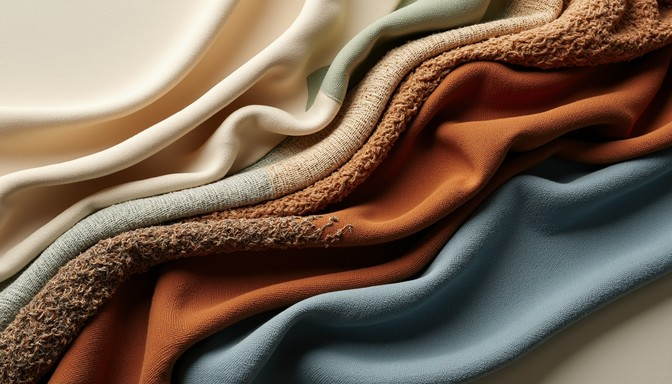
Warmth in a living room is fundamentally a sensory illusion orchestrated through material choices, color temperature, and spatial psychology. When designers talk about a layered space, they are referring to a deliberate buildup of tactile elements that trick the human eye into registering comfort. If a room consists solely of smooth leather, polished chrome, and painted drywall, it reflects light uniformly and reads as cold. By introducing variable surfaces—such as a chunky wool boucle, raw-edged travertine, or reclaimed white oak with visible grain—you create microscopic shadows. These shadows catch ambient light and give the room an organic, lived-in depth that flat surfaces simply cannot replicate.
The foundation of this tactile ecosystem always begins with the color palette. In contemporary interior design, the most successful warm spaces lean heavily into sophisticated neutrals—warm whites, stone grays, oatmeal, camel, and deep taupe. However, a neutral room easily drifts into clinical monotony if the undertones clash. The secret weapon here is undertone management. Every material in your room, from the paint on the walls to the fibers in your rug, carries either a warm yellow/red undertone or a cool blue/green undertone. Mixing these haphazardly creates subtle visual friction. To keep a space feeling cohesive and warm, anchor your foundational pieces in the same warm family, then use a strict percentage rule—such as 60 percent dominant neutral, 30 percent secondary texture, and 10 percent contrasting anchor tones.
Beyond color and texture, visual weight plays a starring role in whether a layered room feels cozy or congested. Visual weight refers to how heavy an object appears to the eye based on its size, color density, and placement. A heavy, dark wood bookshelf placed directly opposite a massive sectional will instantly skew the room’s balance, prompting you to fill the middle with small clutter items to compensate. Distributing visual weight evenly across the room allows you to scale back on knick-knacks entirely. When your architecture and core furniture pieces carry the right weight, the room feels finished even when the surfaces are completely bare.
The Psychology of Negative Space and the Purge Protocol
We live in a culture that treats flat surfaces as an invitation to decorate. A bare console table or an empty corner triggers an almost primal urge to fill the void with a decorative tray, a faux plant, or a collection of scented candles. This impulse is the single greatest enemy of a layered, uncluttered interior. Negative space—the intentional absence of objects—is not a sign of an unfinished room; it is the frame that allows your carefully chosen layers to shine. Without breathing room, the eye becomes fatigued, unable to rest on any single point of interest, which the brain ultimately interprets as clutter and stress.
To reclaim negative space, practitioners of modern minimalist-cozy design rely on the ruthless discipline of the surface purge. Start by completely stripping every horizontal surface in your living room. Clear off the coffee table, the media console, the side tables, and the mantelpiece until nothing remains. Live with the starkness for twenty-four hours. You will likely feel an initial shock of emptiness, quickly followed by a profound sense of relief. From there, reintroduce objects using the rule of threes, and apply a strict functional or sentimental filter. If an item does not serve a daily comfort function or carry deep personal resonance, it does not earn its footprint in the room.
Furthermore, negative space must be protected vertically as well as horizontally. Avoid the trap of filling every inch of wall space with tight gallery grids or heavy shelving units. Leave stretches of wall completely unadorned, allowing natural shadows from windows and lamps to play across the surface throughout the day. This interplay of light and shadow adds a dynamic layer of warmth that no purchased artwork can replicate. When you respect negative space, you elevate the items you do display, transforming everyday objects from background noise into intentional statements of comfort.
A Step-by-Step Methodology for Layering Without Clutter
Creating a warm, layered living room without tipping into chaos is an architectural process that follows a strict sequence. Skipping steps or building out of order often leads to over-purchasing and visual confusion. Use this field-tested framework to build your space from the ground up:
- Step 1 (Establish the Neutral Base): Paint your walls and select large-scale upholstery (sofas and armchairs) in a unified, warm neutral palette. Stick to matte or low-sheen finishes that diffuse light rather than bouncing it harshly, setting a calm, cohesive foundation for the room.
- Step 2 (Ground the Space with Foundation Textures): Lay down a high-pile or heavily textured area rug, such as a hand-knotted wool or flat-weave jute with a plush wool overlay. This anchors the seating zone and introduces the first major layer of tactile warmth underfoot.
- Step 3 (Introduce Wood and Organic Elements): Bring in furniture or accent pieces made from natural materials with prominent grain and imperfections—think a rustic oak coffee table or a raw travertine side table. These elements inject warmth and organic irregularity, breaking up the uniformity of upholstered surfaces.
- Step 4 (Layer Soft Textiles Selectively): Add comfort through pillows and throws, but limit your palette to two or three complementary textures (e.g., velvet, linen, and chunky knit). Instead of scattering pillows across every seat, style one corner of the sofa with a structured arrangement that invites physical interaction.
- Step 5 (Sculpt the Lighting Profile): Eliminate harsh overhead ceiling lights and layer your illumination at three distinct heights: low floor lamps, mid-level table lamps with warm-bulb output (2200K to 2700K), and subtle accent lighting. This creates pools of warmth that define the room’s atmosphere long after sunset.
Navigating Advanced Design Traps and Field-Tested Workarounds
Even with the best intentions, subtle styling missteps can derail a room, turning a cozy vision into a cluttered headache. Recognizing these common traps allows you-to course-correct before spending money on unnecessary decor items. The following workarounds address the most frequent pitfalls encountered by homeowners trying to balance warmth and minimalism.
- Pitfall 1 (The Matchy-Matchy Furniture Trap): Buying an entire matching living room set from a single showroom drains a room of character and forces you to add clutter to create personality. Workaround: Mix eras and finishes by pairing a vintage mid-century wooden armchair with a modern linen sofa, ensuring they share a common undertone or leg height to maintain harmony.
- Pitfall 2 (Over-Accessorizing Flat Surfaces): Crowding the coffee table with books, coasters, flowers, and trays leaves no room to actually set down a coffee mug. Workaround: Adopt the "one and done" styling rule for small surfaces—use a single sculptural bowl or a stack of two books topped with an object, leaving at least sixty percent of the surface completely bare.
- Pitfall 3 (Ignoring Lighting Color Temperature): Using bright, cool-toned LED bulbs (4000K and above) instantly sterilizes a room, making cozy textiles look gray and uninviting. Workaround: Audit every bulb in your living room, swapping them for warm-dim or fixed 2400K–2700K LEDs that mimic the golden glow of traditional incandescent lighting.
- Pitfall 4 (Rugs That Are Too Small): Floating a tiny postage-stamp rug in the center of the room makes the furniture look untethered and forces you to add clutter around the edges to fill visual gaps. Workaround: Ensure your area rug is large enough for at least the front legs of all major seating pieces to rest comfortably upon it, anchoring the entire arrangement.
- Pitfall 5 (The Fear of Dark Contrast): Keeping every single element light and beige in an effort to maintain warmth can result in a washed-out, muddy space that lacks structural definition. Workaround: Introduce deep, grounding dark accents—such as matte black iron candleholders, an antique brass floor lamp, or a charcoal ceramic vase—to sharpen the room’s visual focus.
The Long-Term Evolution of a Living Room Sanctuary
A truly successful living room is never a static creation finished on a single weekend; it is a living, breathing environment that evolves alongside your life. When you build a room based on structural layers of texture, lighting, and natural materials rather than trendy knick-knacks, the space gains remarkable longevity. You do not need to redecorate for every changing season or micro-trend because the core architectural integrity of the room already provides a deep, timeless sense of comfort. This approach is not only aesthetically liberating, but it is also inherently sustainable, reducing the consumer cycle of buying and discarding temporary decor items.
As the years pass, your living room should absorb the stories of your life organically. A well-layered room accommodates change with grace. When you introduce a new heirloom book, a piece of pottery collected on a trip, or a vintage throw blanket, these items do not register as clutter because the room’s foundational negative space and tactile discipline can easily absorb them. The environment remains calm, breathable, and warm. You stop chasing an elusive standard of perfection and instead cultivate a space designed entirely for human restoration.
Ultimately, the goal of a warm, layered living room is to foster connection—both with yourself during quiet evenings and with guests who gather around your space. By stripping away visual noise and doubling down on sensory comfort, you create a physical manifestation of peace. The room stops being a showcase for objects and becomes a container for living. When the lighting is golden, the textiles are tactile, and the surfaces are clear, your home fulfills its ultimate purpose: offering a quiet, unyielding refuge from the chaotic world outside.
Refining Your Space: Actionable Frameworks for Lasting Calm
To ensure your living room maintains its balance of warmth and minimalism over the long haul, adopting a sustainable maintenance routine is essential. Design is an ongoing dialogue with your environment, requiring small, mindful adjustments rather than massive overhauls. Implement these practical frameworks to keep your living room feeling grounded, rich, and utterly clutter-free:
- The Seasonal Textile Rotation: Instead of accumulating throws and pillows year-round, maintain a strict rotation. Swap heavy wools and deep velvets for lightweight linens and cottons during warmer months, keeping off-season textiles stored neatly out of sight to prevent surface buildup.
- The One-In, One-Out Object Policy: Treat your decorative accessories like a curated capsule wardrobe. If you purchase a new ceramic vase or a stack of art books, commit to retiring or donating an existing piece of equivalent visual weight before placing it in the room.
- The Evening Reset Ritual: Make it a daily habit to spend five minutes before bed clearing coffee table surfaces, fluffing sofa cushions, and resetting throws. Walking into a calm, orderly, and warm room each morning sets a peaceful psychological tone for the entire day.
The pursuit of a warm, layered living room without clutter is ultimately an exercise in intentionality. It asks us to look past the relentless marketing push to buy more and instead encourages us to invest in better. By focusing on the interplay of rich textures, organic materials, and sculptural lighting, you construct an environment that feels luxurious yet grounded.
As you step forward to transform your own space, remember that perfection is never the destination. A home should feel lived-in, loved, and approachable. Embrace the empty corners, honor the power of negative space, and let your home become a true sanctuary of warmth and calm.