We’ve all been there. You stare at your living room, feeling that familiar itch. It’s not just boredom; it’s a deep-seated need for change. The walls feel like they’re closing in, or maybe the space just feels… stale. In 2026, with inflation still lingering in the back of our minds and supply chains finally stabilizing but prices remaining high, the instinct to buy new things to fix this feeling is strong. We scroll through endless feeds of perfect homes, convinced that a new sofa or a trendy accent chair is the only way out. But what if the answer isn’t in a shopping cart? What if it’s already in your house, gathering dust in the wrong corner?
It sounds too simple, doesn’t it? Just move stuff around. Yet, this act—rearranging—is quietly becoming the most powerful tool in the modern homeowner’s arsenal. It’s free. It’s immediate. And surprisingly, it’s often more effective than a costly renovation. This year, designers and everyday people alike are turning away from consumerism and toward creativity. They’re realizing that the best design hack isn’t about what you add, but how you rethink what you already have. Let’s dig into why shifting your perspective (and your furniture) is the smartest move you can make right now.
The Psychology of Space and Fresh Starts
There’s a reason we crave novelty. Our brains are wired to notice change. When everything stays the same, we stop seeing it. This is called hedonic adaptation. We get used to our surroundings, and the joy they once brought fades into the background noise of daily life. Rearranging disrupts this pattern. It forces your brain to pay attention again. Suddenly, that window you ignored for three years becomes a focal point. That awkward corner becomes a cozy reading nook. It’s not just about aesthetics; it’s about re-engaging with your environment.
In 2026, mental well-being is tightly linked to our physical spaces. After years of remote work and spending more time indoors, our homes have become offices, gyms, schools, and sanctuaries all at once. This multi-use reality means our spaces need to be flexible. A static layout rarely serves all these functions well. By moving furniture, you’re not just decorating; you’re reclaiming agency over your life. You’re saying, “This space works for me, right now.” That sense of control is incredibly grounding. It’s a small act with a big emotional payoff.
Think about the last time you stayed in a hotel. Even if the decor was generic, it felt fresh because it was different from your routine. Rearranging brings that vacation vibe home. It breaks the monotony. You don’t need a passport or a plane ticket. You just need a little bit of muscle and a willingness to experiment. The psychological lift is real. People report feeling more energized and creative after a room refresh, even if no money was spent. It’s a reset button for your mind, disguised as a chore.
Breaking the "Wall-Hugging" Habit
Let’s talk about the biggest mistake most of us make. We push our furniture against the walls. It’s a default setting, ingrained from childhood. Maybe it started in small apartments where every inch counted. Or maybe it’s just easier to vacuum that way. But here’s the truth: wall-hugging makes rooms feel smaller and less inviting. It creates a giant, empty void in the center that nobody uses. It’s dead space. In 2026, designers are shouting from the rooftops: pull those pieces away from the edges.
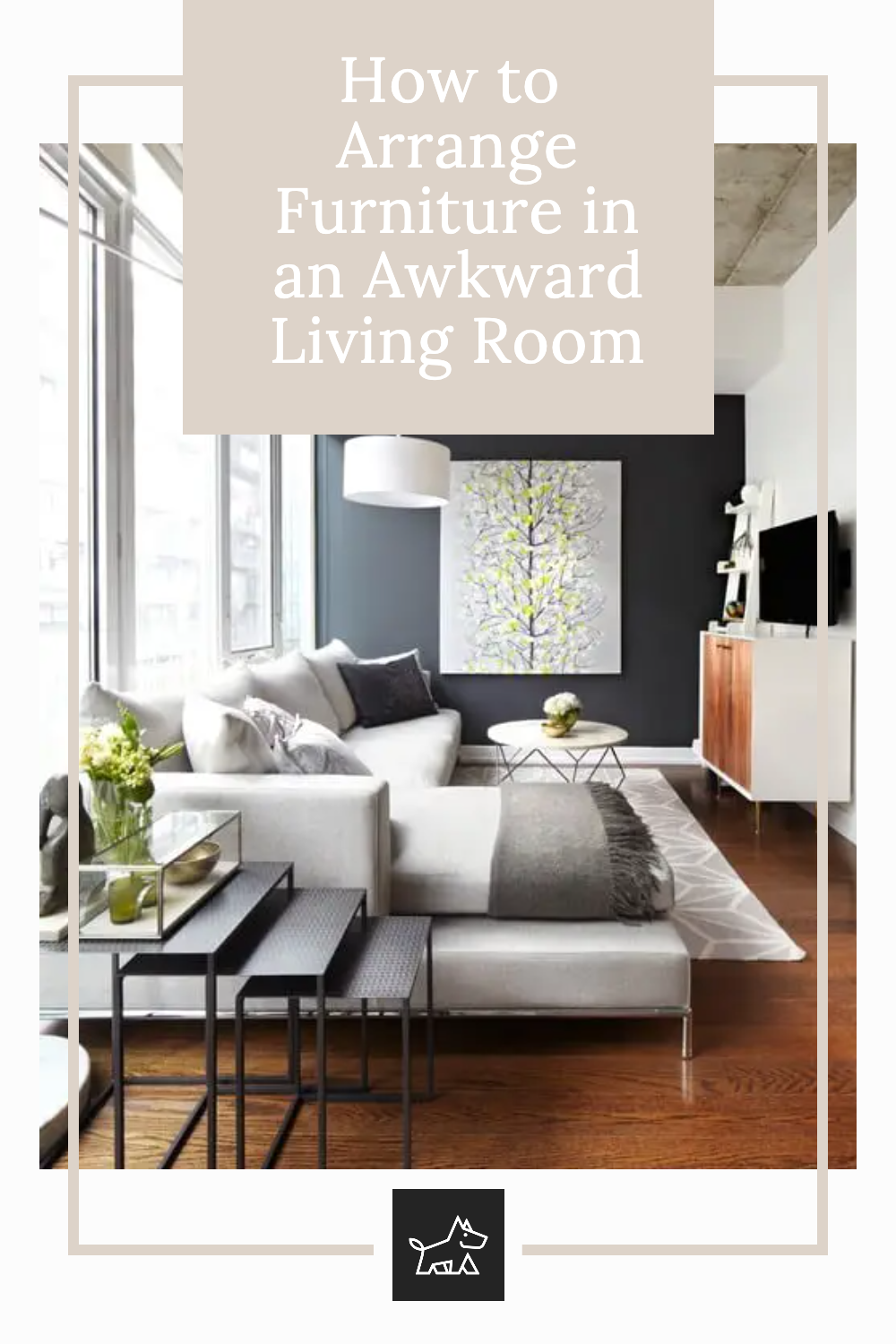
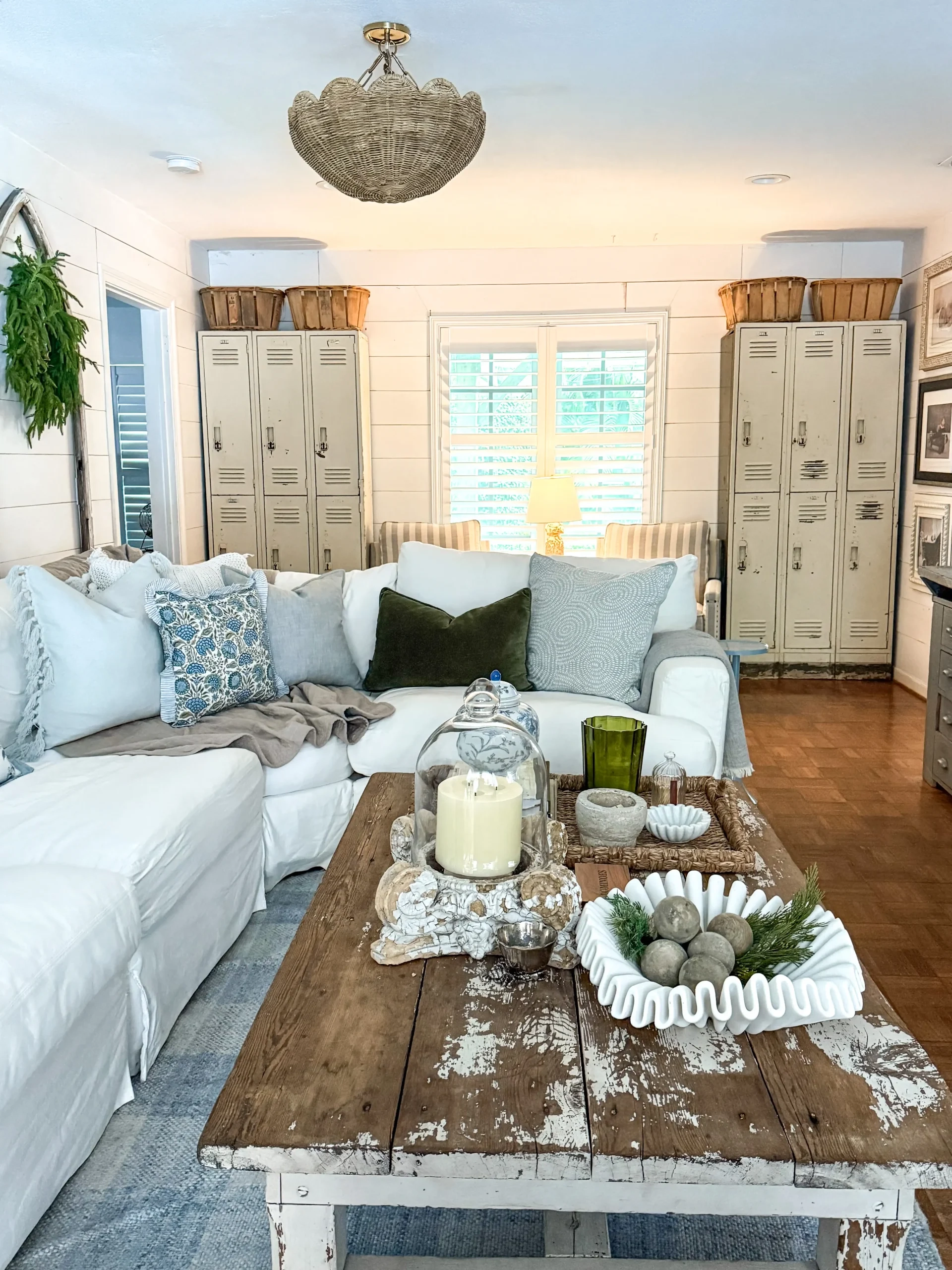
When you float your sofa twelve to eighteen inches from the wall, something magical happens. The room breathes. It feels larger, not smaller. Why? Because you create depth. You add layers. That gap behind the couch can hold a slim console table, a plant, or just empty air that lets the eye travel further. It makes the space feel intentional, not accidental. It invites conversation, too. When seating is angled toward each other rather than staring blankly at a TV on the opposite wall, people actually talk. They connect.
This shift also improves flow. Think about how you move through your home. Do you have to sidestep around a coffee table? Do you bang your shin on a chair leg? A good rearrange fixes these pain points. It’s about optimizing spatial flow. Start by asking yourself: How do I use this room? If you entertain often, you need open pathways. If you read, you need light and comfort. Map out your life, then place your furniture to support it. Don’t let the furniture dictate your behavior. You dictate the furniture.
The AI-Assisted Revolution in Layout Planning
Here’s where 2026 gets interesting. We aren’t just guessing anymore. Technology has caught up with interior design. In the past, rearranging meant heavy lifting, trial and error, and lots of frustration. You’d move a bookshelf, hate it, move it back, and give up. Now, AI tools can simulate dozens of layouts in seconds. Apps allow you to scan your room, input your furniture dimensions, and see virtual arrangements before you lift a finger. It eliminates the guesswork.
This doesn’t mean you need to be a tech wizard. These tools are user-friendly. They’re designed for regular people, not just pros. You can test bold ideas risk-free. Want to try swapping the bedroom and the office? See how it looks first. Worried that your dining table won’t fit in the new spot? The app will tell you. This digital sandbox encourages experimentation. It removes the fear of making a mistake. And since mistakes are usually just heavy lifting, removing that barrier is huge.
But remember, AI is a guide, not a guru. It can suggest optimal flows based on data, but it can’t feel the warmth of the afternoon sun hitting a specific chair. It doesn’t know that you love sitting in that one spot because it’s quiet. Use the tech to narrow down options, then use your intuition to make the final call. The best designs in 2026 blend smart algorithms with human soul. It’s about efficiency meeting empathy. Let the machine handle the geometry; you handle the vibe.
Creating Zones Without Building Walls
Open-concept living has been the standard for decades. But in 2026, we’re seeing a pushback. People miss definition. They miss rooms that feel like rooms. The problem is, knocking down walls is expensive and messy. Rearranging offers a solution: zoning. You can create distinct areas within a single large space using nothing but furniture placement. It’s architecture without the construction crew.
Take a typical living-dining combo. Instead of letting the spaces bleed into each other chaotically, use your sofa as a divider. Place it perpendicular to the wall, facing the TV. Behind it, place your dining table. Suddenly, you have two clear zones. The back of the sofa acts as a visual boundary. You can reinforce this with a rug under the dining set or a different lighting fixture above it. Each area has its own identity, yet they coexist harmoniously. It’s structured but not closed off.
This technique works for bedrooms, too. If you work from home, you might have a desk in your bedroom. Instead of shoving it in a corner where it feels like an afterthought, create a dedicated work zone. Use a bookshelf or a screen to separate it from the sleeping area. This helps your brain switch modes. When you’re in the bed zone, you rest. When you’re in the desk zone, you work. Physical boundaries create mental boundaries. It’s a crucial distinction for maintaining balance in a hybrid-work world.
The Art of Editing and Decluttering
Rearranging isn’t just about moving things; it’s about editing. You can’t create a beautiful composition if the canvas is cluttered. Before you start shifting sofas, take a hard look at what you have. Does everything deserve a spot? In 2026, minimalism isn’t about having nothing; it’s about having only what matters. Decluttering is the silent partner of rearranging. They go hand in hand.
Start by removing items that don’t serve a purpose or bring joy. Be ruthless. That chair with the wobbly leg? Fix it or lose it. The stack of magazines from 2023? Recycle them. When you clear out the noise, the remaining pieces shine. You’ll find you have more flexibility. Maybe that bulky side table was blocking the perfect spot for your favorite armchair. Once it’s gone, the solution becomes obvious. Space is a luxury. Treat it like one.
This process also reveals duplicates. Do you really need three lamps in one room? Probably not. Spread them out. Let each room have its own character. Editing forces you to curate your home. It turns a collection of objects into a cohesive story. And the best part? It costs nothing. In fact, you might save money by realizing you don’t need to buy that new organizer because you simply have less stuff to organize. Less is often more, especially when you’re trying to breathe new life into old spaces.
Let’s address the elephant in the room: sustainability. In 2026, environmental consciousness isn’t a niche interest; it’s a mainstream value. The fast-furniture cycle is being rejected. People are tired of buying cheap pieces that break in a year and end up in landfills. Rearranging is the ultimate sustainable act. It extends the life of your current belongings. It reduces demand for new resources. It’s green design in its purest form.
Every time you choose to rearrange instead of replace, you’re voting for a slower, more thoughtful way of living. You’re appreciating the craftsmanship of what you already own. Maybe that dresser has been in your family for generations. Instead of tossing it for a trendy flat-pack alternative, you highlight it. You make it the star of the show. This shift in mindset changes how we view value. Value isn’t just price tags; it’s history, durability, and memory.
Moreover, this approach fosters creativity. Constraints breed innovation. When you can’t buy your way out of a design problem, you have to think your way out. You learn to see potential in unexpected places. That ladder isn’t just a ladder; it’s a towel rack. That trunk isn’t just storage; it’s a coffee table. This resourcefulness is satisfying. It builds a deeper connection to your home. You’re not just a consumer; you’re a creator. And in a world facing ecological challenges, that sense of responsibility feels good. It aligns your home with your values.
So, where does this leave us? With a challenge, but a gentle one. Look around your space today. Really look. Don’t see the flaws; see the possibilities. Ask yourself what’s not working. Is the flow awkward? Is the mood dull? Then, move something. Just one thing. See how it feels. You might be surprised by the ripple effect. A shifted chair can change the light. A rotated rug can redefine a room. It’s a domino effect of freshness.
Rearranging is underrated because it’s invisible labor. It doesn’t show up on Instagram as a flashy "haul." It doesn’t come with a receipt. But it delivers something far more valuable: a home that fits you. In 2026, amidst economic uncertainty and environmental urgency, this hack isn’t just smart; it’s essential. It’s a reminder that we have the power to transform our surroundings without consuming more. We just need to look at what we have with new eyes.
Don’t wait for the perfect weekend or the ideal budget. Start small. Move a lamp. Swap two chairs. Clear a surface. Let the process unfold naturally. There’s no right or wrong, only what feels right for you. Your home is a living entity, and like any relationship, it needs attention and adjustment. Give it that gift. You’ll find that the best design isn’t bought; it’s discovered. And it’s been there all along, waiting for you to uncover it.