We’ve all been there. You open a cabinet looking for a measuring cup, and an avalanche of Tupperware lids tumbles out onto your feet. Or maybe you’re rushing to make dinner, and you realize the spice you need is buried behind three other jars you haven’t touched since 2019. It’s frustrating. It’s messy. And honestly? It costs us money.
In 2026, the conversation around home organization has shifted. It’s no longer just about having a picture-perfect pantry that looks good on Instagram. It’s about function. It’s about stopping the leak of cash down the drain in the form of duplicate gadgets and rotten produce. Recent data suggests that poor kitchen organization can cost US households over $2,000 a year. That’s a lot of groceries. But the good news is that fixing these issues doesn’t require a full renovation or a massive budget. It just requires a shift in perspective.
The "Just In Case" Hoarding Trap
One of the biggest mistakes people make is holding onto things "just in case." You know the feeling. That extra set of wine glasses from a wedding gift you didn’t love? Keep them. The specialized avocado slicer you used once? Might need it again. This mindset creates clutter that pushes out the items you actually use every day. Professional organizers note that this is a primary cause of cabinet chaos. When everything has a place, but that place is cramped and inaccessible, nothing works well.
The fix is brutal but necessary: purge with purpose. Go through your cabinets and ask yourself if you’ve used an item in the last year. If the answer is no, and it’s not a sentimental heirloom, let it go. Donate it, sell it, or recycle it. By clearing out the unused 20%, you create breathing room for the 80% of items you rely on. This simple act of subtraction makes addition possible—adding ease to your daily routine. You’ll find that when you aren’t fighting through a jungle of unused gadgets, cooking becomes less of a chore and more of a joy.
Another aspect of this trap is buying duplicates because you can’t find what you already own. How many times have you bought a new bottle of vanilla extract because you couldn’t see the old one hiding behind the flour? It happens to the best of us. Creating a visible system, where like items are grouped and front-facing, stops this cycle. Use lazy Susans for spices or clear bins for baking supplies. When you can see it, you won’t buy it again.
Ignoring Vertical Space and Dead Zones
Most of us think horizontally when we organize. We line things up on shelves. But kitchens are tall. Ignoring vertical space is a huge missed opportunity. Many people stack plates or bowls directly on top of each other, making it a hassle to get the one at the bottom. This leads to frustration and often, things getting knocked over. Experts suggest using shelf risers or stackable bins to double your usable space. This is especially true in 2026, where compact living solutions are more popular than ever.
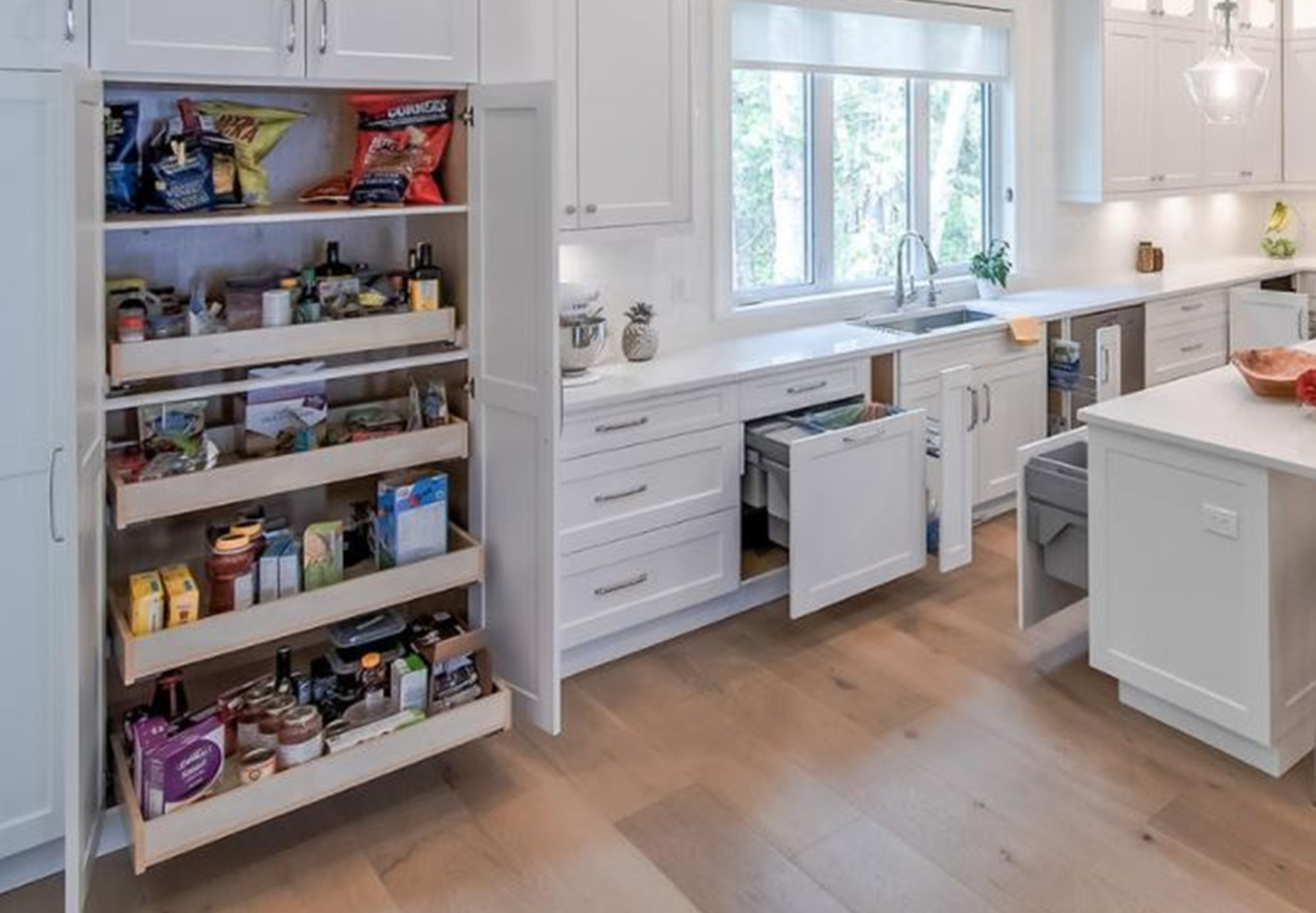
Then there are the "dead zones." The back corner of a deep cabinet. The space above the fridge. The area under the sink. These spots often become black holes where items go to die. To fix this, use pull-out drawers or sliding baskets for deep cabinets. This brings the back items to the front, so you don’t forget about them. For under the sink, tension rods can hold spray bottles in place, freeing up floor space for larger cleaning supplies. It’s about making every inch work for you, not against you.
Don’t forget the inside of cabinet doors. They are prime real estate for lightweight items. Hook racks can hold measuring cups, pot lids, or even cleaning rags. This frees up shelf space for heavier, bulkier items. By thinking vertically and utilizing every surface, you can often gain 30-40% more storage without adding a single new cabinet. It’s a game changer for small kitchens.
The Fridge Blind Spot
The refrigerator is perhaps the most critical zone for organization, yet it’s often the most neglected. We toss leftovers in without labeling. We shove produce into crisper drawers without checking if they’re rotting. This leads to food waste, which is a major financial drain. Studies show that a significant portion of household food waste comes from forgotten items in the fridge. In 2026, with rising grocery prices, this is a mistake we can’t afford to make.
The solution? Clear containers and labels. Decanting leftovers into clear, airtight containers allows you to see exactly what you have. Labeling them with the date ensures you eat them while they’re still good. Stackable bins are also key here. Group similar items together—dairy, meats, veggies—so you know exactly where to look. This not only reduces waste but also makes meal prep faster. You spend less time searching and more time cooking.
Another pro tip from chefs is to practice "first in, first out." When you buy new milk, move the older carton to the front. This ensures you use the oldest items first, reducing the chance of spoilage. It’s a simple habit that takes seconds but saves dollars. Also, keep your fridge clean. A quick wipe-down every week prevents sticky spills from becoming permanent fixtures. A clean fridge feels more inviting, encouraging you to cook at home rather than order takeout.
Misjudging Appliance Placement
Small appliances are kitchen killers. Blenders, toasters, air fryers—they take up valuable counter space and often end up shoved in hard-to-reach cabinets. The mistake here is storing them based on size rather than frequency of use. If you use your coffee maker every day, it should be on the counter. If you use your waffle iron once a month, it can go in a higher cabinet. But many people do the opposite, leaving daily-use items buried and rarely-used items taking up prime real estate.
To fix this, audit your appliance usage. Be honest about how often you really use each item. Create a "daily driver" zone on your counter for the top 2-3 items you use every morning or evening. Everything else gets stored away. For those stored items, consider appliance garages or dedicated shelves that are easy to access. Don’t stack heavy appliances on top of each other; it’s dangerous and inconvenient. Give each one its own home.
Also, consider the cord situation. Tangled cords are a sign of poor planning. Use velcro ties or cord wraps to keep them neat. This makes pulling an appliance out much easier. If you have a large appliance you rarely use, ask yourself if you really need to keep it. Could you borrow one? Rent one? Sometimes the best organization is removal. Freeing up that counter space can make your kitchen feel twice as big.
The Pantry Paradox: Too Many Containers
There’s a trend in 2026 to decant everything into matching glass jars. It looks beautiful. But for many people, it’s a trap. The mistake is prioritizing aesthetics over function. If transferring rice into a jar means you’re less likely to put it away because it’s a hassle, then the system has failed. Organization should reduce friction, not add to it. If you’re not going to maintain the aesthetic, don’t start it. Stick to original packaging if it’s resealable and clear.
Instead of focusing on uniformity, focus on visibility and accessibility. Use basket bins to group similar items—snacks, breakfast foods, baking supplies. This creates zones within your pantry. If you do use containers, choose ones that are square or rectangular, not round. Square containers pack tighter, wasting less space. Round jars leave gaps that can’t be used. It’s a small detail that adds up to significant storage gains.
Labeling is crucial here, regardless of whether you use jars or boxes. Use a label maker or even masking tape and a marker. Clearly mark what’s inside and when it expires. This helps everyone in the household know where things go and when they need to be tossed. It also prevents the "is this flour or sugar?" dilemma. A well-labeled pantry is a self-sustaining system that requires less mental energy to maintain.
Drawers are often junk magnets. We toss utensils, rubber bands, and takeout menus in there without a second thought. The mistake is lacking dividers. Without structure, drawers become chaotic messes where finding a specific tool feels like a treasure hunt. This wastes time and increases stress. In 2026, the focus is on intentional design. Every item should have a designated spot.
The fix is simple: drawer organizers. You don’t need expensive custom inserts. Adjustable dividers work great. Separate your utensils by type—spoons, forks, knives, spatulas. Keep frequently used tools in the top drawer for easy access. Less used items can go in lower drawers. This hierarchy ensures that your daily needs are always within reach. It also prevents the "junk drawer" from taking over your entire kitchen.
Don’t forget deep drawers. They are perfect for pots and pans. Use vertical dividers to store lids and sheets upright. This makes them easy to grab without digging through a pile. It also protects non-stick surfaces from scratching. Thinking of drawers as structured storage units, rather than catch-alls, transforms them into efficient tools. It’s about giving every item a home, so it never gets lost again.
So, where do you start? Pick one area. Maybe it’s the spice cabinet. Maybe it’s the fridge. Don’t try to do it all at once. Small wins build momentum. Remember, organization isn’t about perfection. It’s about creating a space that works for you. It’s about saving money, reducing stress, and making your kitchen a place you actually want to be. In 2026, let’s stop letting our kitchens control us. Let’s take back the space, one drawer at a time. You’ve got this.