Ever walked into your kitchen at midnight, flipped on a harsh fluorescent bulb, and instantly felt a wave of irritation? Or maybe you’ve noticed that certain coffee shops make you want to linger for hours, while your own cooking space sends you running for the living room. It is not just in your head. The spaces where we chop, chat, and chew have a profound hold over our emotional well-being.
As we navigate through 2026, the focus on home wellness has reached an all-time high. We are finally realizing that our kitchens aren’t just food factories; they are the emotional hearts of our homes. By shifting how we light these spaces and the pigments we put on the walls, we can alter our daily stress levels, our sleep cycles, and even how much we eat.
The Secret Language of Hue and Hunger
Colors speak directly to our primitive brains without us ever realizing it. Take red and orange, for instance. There is a reason why so many fast-food joints use these shades; they actually stimulate the appetite and get your heart pumping a bit faster. If you paint your kitchen a fiery terracotta, you might find yourself wandering toward the pantry far more often than you intend to.
On the flip side, cool shades like blue do the exact opposite. Blue is actually a natural appetite suppressant because, historically, blue things in nature were often toxic. While a soft blue might make you feel incredibly calm and centered while washing dishes, it might not make your home-cooked meals look particularly delicious. It’s all about finding a balance that aligns with how you want to feel when you’re preparing food.
Bright Lights, Big Anxiety
Lighting is the ultimate mood setter, yet it’s often the most neglected part of a remodel. Many homes are still stuck with older, super-bright overhead fixtures that flood the room with cold, clinical white light. This kind of lighting triggers our body’s fight-or-flight response, making us feel rushed and anxious while trying to slice veggies after a long day at work.
When you switch to layered illumination—like adding dimmable under-cabinet LEDs or warm pendant lights over an island—the vibe changes instantly. Suddenly, the kitchen goes from a sterile laboratory to a cozy sanctuary. Lower, warmer light tells your brain that the workday is officially over and it is safe to unwind and relax.
Circadian Rhythms and the Breakfast Blue
Our bodies are hardwired to respond to the natural movement of the sun, a biological system known as the circadian rhythm. In the early morning, we need bright light with blue undertones to help suppress melatonin and wake us up. Having a bright, sun-drenched breakfast nook or high-intensity smart bulbs in the morning can boost your focus and start your day on a high note.
But running those same bright lights at 8 PM is a recipe for insomnia. It tricks your brain into thinking it’s still noon, disrupting your sleep cycle. Forward-thinking setups in 2026 now use tunable lighting that automatically transitions from crisp morning white to a soft, amber glow as night falls, helping your body ease naturally into sleep mode.
The Calming Power of Earthy Neutrals
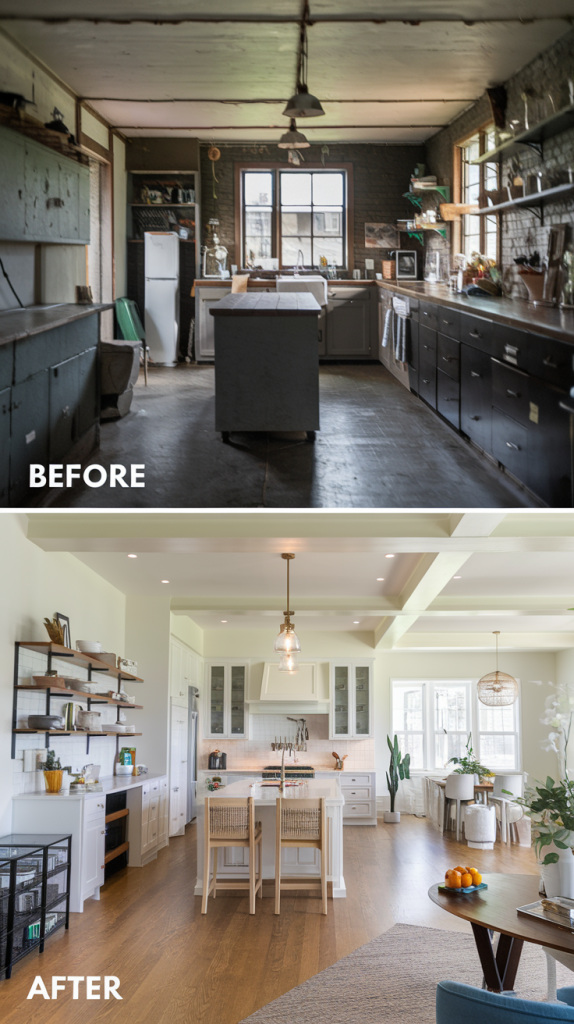
Over the last year or two, we have seen a massive shift away from the stark, sterile all-white kitchens that dominated the previous decade. People started realizing that living in a hospital-like environment was making them feel emotionally cold and detached. Instead, soft sage greens, warm beiges, and rich mushroom tones have taken over.
Green, in particular, has an incredible grounding effect because our minds associate it with nature and safety. A kitchen painted in a muted green can actually lower your heart rate and make the chaotic rush of making school lunches feel a lot more manageable. It brings a sense of renewal and peace into the room where families gather most.
Task vs. Ambient Lighting Frustrations
Have you ever tried to chop an onion while standing in your own shadow? It’s incredibly annoying, and that tiny subconscious frustration builds up over time into real irritability. This happens when a kitchen only has one central ceiling fixture. Your body blocks the light when you stand at the counter, forcing you to work in dimness.
Fixing this isn’t just about making the room prettier; it’s about reducing daily friction. Adding specific task lighting directly above your prep zones eliminates those shadows and makes cooking feel effortless. Combining that with ambient lighting—like a beautiful chandelier or accent lights—creates a sense of depth that makes the room feel spacious and inviting.
You don’t need a massive budget or a team of contractors to completely change the psychological energy of your kitchen. Simply changing out your old lightbulbs for smart bulbs that you can control with your phone is a fantastic first step. You can set them to a warm 2700K color temperature in the evening and see how much softer the room feels.
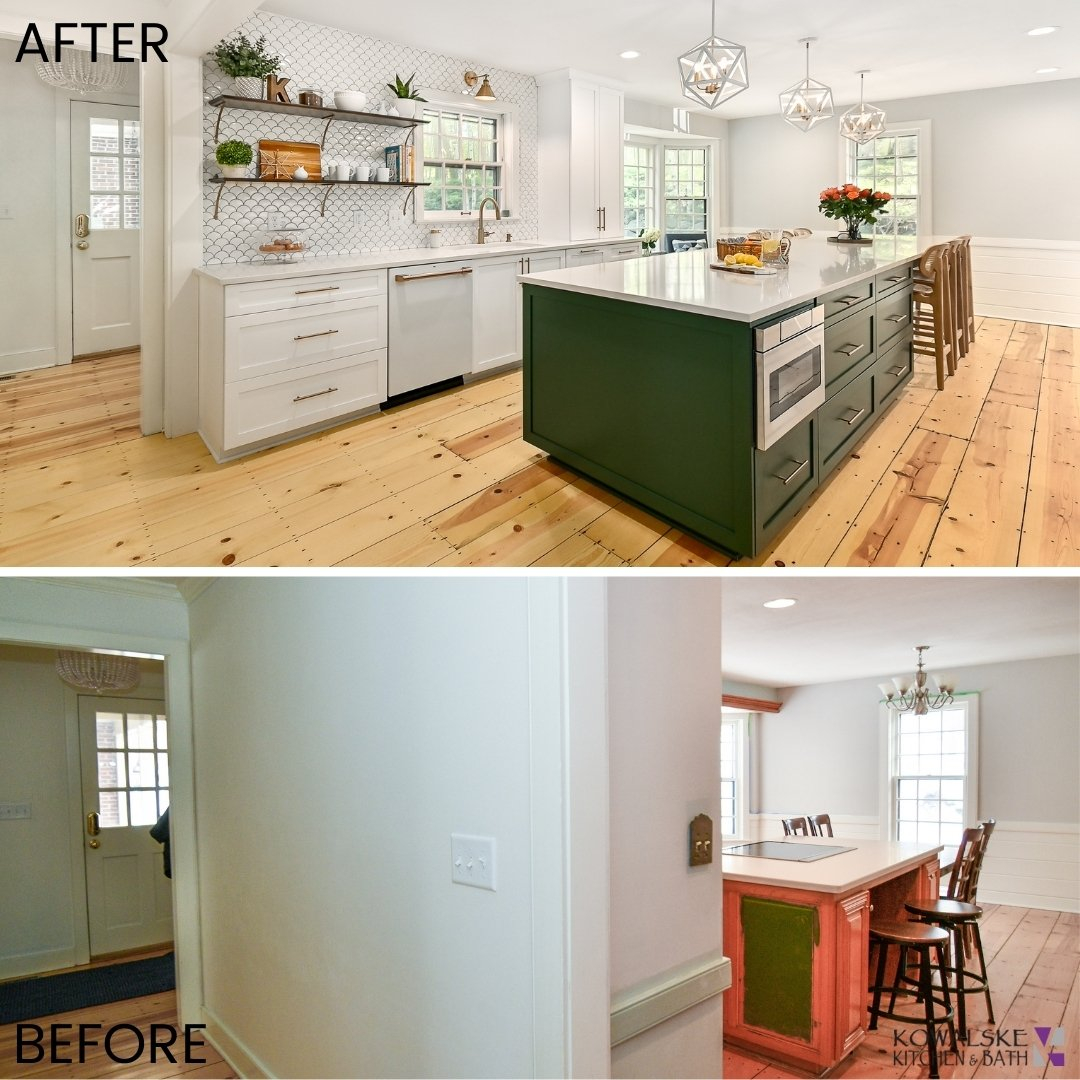
Another quick trick is painting just your kitchen island or a single accent wall a color that evokes the emotion you lack. Need more energy? Try a sunny, buttery yellow. Need to de-stress? Go for a deep, comforting charcoal or a soft taupe. These small adjustments act as a form of environmental therapy, transforming the space from a mere utility room into a place that actively nurtures your soul.
Ultimately, the way we design our kitchens reflects how we care for ourselves and our loved ones. When we take the time to fix harsh glares, eliminate frustrating shadows, and introduce colors that make us feel secure, we are doing much more than just decorating. We are creating a supportive backdrop for our everyday lives.
By paying attention to the quiet ways color and light influence our thoughts, we can turn the daily chore of cooking into a genuinely restorative ritual. Take a look around your own kitchen tonight. If the lighting feels a bit too cold or the walls feel a bit too uninspiring, remember that a better mood might just be a paint brush or a new bulb away.