Ever walked into your bedroom and felt like the walls were closing in? You’re not alone. In 2026, as urban living spaces continue to shrink and housing costs soar, more of us are grappling with the challenge of making tiny rooms feel livable, let alone luxurious. It’s a common struggle. You want a place that reflects who you are—maybe you love vintage books, or bold art, or just a really good pile of pillows—but there’s barely room to swing a cat, much less fit a dresser.
The good news? You don’t have to sacrifice your personality at the altar of square footage. In fact, some of the most stylish interiors today are born from constraint. When you have less space, every choice matters more. This forces you to be intentional. It pushes you to get creative. And honestly? That’s where the magic happens. We’ve gathered the smartest, most effective strategies from designers and real people living in compact spaces to help you turn your small bedroom into a haven that feels both spacious and distinctly you.
Rethink the Bed: The Anchor of Your Room
Let’s start with the elephant in the room. Or rather, the bed in the room. It’s the biggest piece of furniture, so it dictates everything else. If you’re working with a tight footprint, standard beds can eat up all your floor real estate. But here’s the thing: you don’t have to sleep on a mattress on the floor unless you really want to. There are clever ways to make your bed work harder for you.
Consider a platform bed with built-in drawers underneath. It’s a classic move for a reason. Instead of buying a separate dresser that takes up wall space, you tuck your sweaters and linens right under your pillow. In 2026, we’re seeing even sleeker designs that hide these drawers behind seamless panels, so it looks like a solid block of style rather than a storage unit. If you have high ceilings, a lofted bed is another game-changer. It frees up the entire floor area beneath for a desk, a cozy reading nook, or even a small yoga spot. It feels like getting a whole new room for free.
For those who can’t commit to a loft, try a daybed setup. During the day, it acts as a chic sofa for lounging or reading, piled with decorative cushions. At night, it pulls out or simply serves as your sleeping surface. This dual-purpose approach keeps the room feeling open and airy when you’re awake, preventing that "cluttered bedroom" vibe. The key is choosing a frame that matches your aesthetic—whether it’s mid-century modern wood or industrial metal—so it feels like a deliberate design choice, not a compromise.
Go Vertical: Storage That Doesn’t Steal Floor Space
When you can’t go out, go up. It’s the golden rule of small-space living. Walls are often neglected real estate, but they offer huge potential for storage without encroaching on your walking path. Think about it: if your floor is clear, your brain perceives the room as larger. Clutter on the floor, however, makes even a decent-sized room feel cramped. So, let’s lift things off the ground.
Floating shelves are your best friend here. Install them high up near the ceiling to store books, plants, or decorative boxes. Because they don’t have visible brackets touching the floor, they create a sense of lightness. You can paint them the same color as your walls to make them blend in, creating a seamless look that doesn’t interrupt the eye’s journey across the room. Another trick? Use the space above your door or window. A shallow shelf there can hold items you don’t need every day, keeping them accessible but out of the way.
If you’re renting and can’t drill holes, tension rod shelves or freestanding ladder shelves are great alternatives. They lean against the wall and provide plenty of surface area for baskets and bins. The trick is to keep the visual weight low. Use wire baskets or clear acrylic containers so you can see through them. Solid, heavy-looking boxes can make the room feel stuffed. By drawing the eye upward, you emphasize the height of the room, which psychologically expands the space. Plus, it gives you a chance to display your personality with curated objects rather than hiding everything away.
Light and Color: Tricks to Expand Your Visual Space
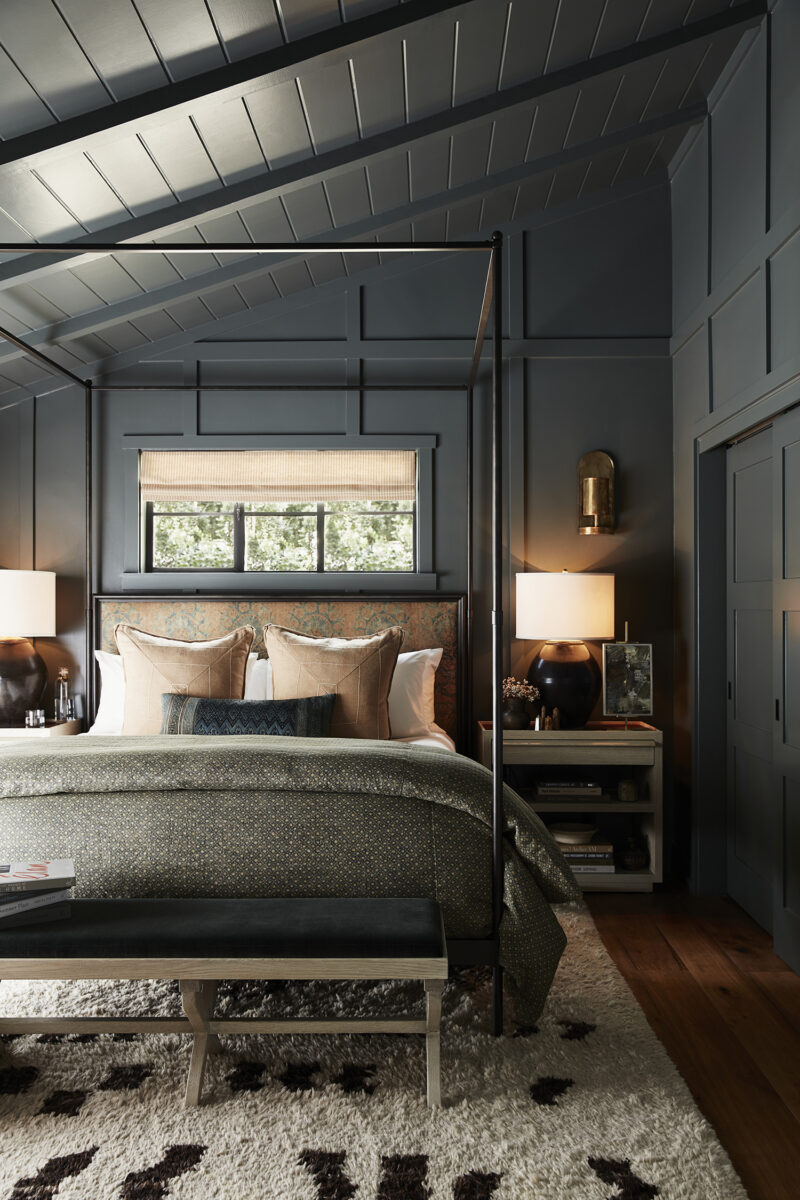
Color and light are powerful tools. They can make a boxy room feel like an airy retreat or a dark cave. The old advice was always "paint it white," and while white is safe, it’s not the only option. In 2026, we’re seeing a shift toward moody, monochromatic schemes that actually work wonders in small spaces. Painting your walls, trim, and ceiling the same deep hue—like navy, charcoal, or forest green—blurs the boundaries of the room. When you can’t tell where the wall ends and the ceiling begins, the space feels infinite.
However, if you prefer a brighter vibe, stick to light, reflective colors but add texture. Matte whites can feel flat, but adding a subtle wallpaper with a vertical stripe or a textured grasscloth adds depth without visual chaos. Mirrors are another classic trick, but placement matters. Don’t just slap one on any wall. Position a large mirror opposite a window to bounce natural light around the room. This doubles the view and the light, making the room feel twice as big. A floor-length mirror leaned against a corner can also create a dramatic focal point that draws the eye outward.
Lighting layers are crucial too. Avoid relying on a single overhead light, which casts harsh shadows and makes corners feel dark and small. Instead, use a mix of sources. A small pendant light by the bed, a slim floor lamp in the corner, and maybe some LED strip lighting under shelves or behind the headboard. Warm, dimmable lights create a cozy atmosphere that feels inviting rather than confined. The goal is to eliminate dark corners, which are where the feeling of "smallness" hides. When every part of the room is gently illuminated, the edges seem to recede.
Furniture with Secrets: Multi-Functional Pieces
In a small bedroom, every piece of furniture needs to earn its keep. If it only does one thing, it’s probably taking up too much space. This is where multi-functional furniture shines. We’re not just talking about a sofa bed here. Think about nightstands that double as desks, or ottomans that open up for storage. These pieces reduce the total number of items in the room, which instantly reduces visual clutter.
Look for nesting tables instead of a bulky side table. You can pull them apart when you need extra surface space for a laptop or a cup of tea, and tuck them away when you don’t. They’re lightweight and easy to move, giving you flexibility in how you use the room. Another great option is a vanity that folds down from the wall. When you’re done with your morning routine, it flips up and becomes a piece of art or a simple shelf. This kind of transformable furniture is becoming more stylish and affordable in 2026, with designs that look like high-end decor rather than utilitarian hacks.
Don’t forget about seating. If you have room for a chair, choose one with legs. Furniture that sits directly on the floor blocks the view of the flooring, making the room feel smaller. Seeing the floor continue underneath a chair or sofa creates a sense of continuity. Acrylic or glass chairs are also fantastic because they’re visually "invisible." They provide function without adding visual weight. It’s all about balancing utility with transparency. You want the room to breathe, even when it’s fully furnished.
Layout Logic: Flow and Functionality
How you arrange your furniture is just as important as what you buy. A bad layout can make a small room feel impossible to navigate, while a good one creates smooth flow. The first rule? Don’t push everything against the walls. It’s tempting to clear the center of the room, but this often creates a awkward, empty void in the middle and crowded edges. Instead, try floating your bed. If space allows, leaving a small gap between the headboard and the wall can add depth. Or, angle your bed slightly in a corner to create a dynamic diagonal line that breaks up the boxiness of the room.
Keep pathways clear. You should be able to walk around your bed without shimmying sideways. If you can’t, your bed might be too big for the room, or your other furniture is in the way. Consider scaling down. A full-size bed might fit better than a queen if it means you can actually open your closet doors. It’s about proportion. Measure everything before you buy. Use painter’s tape to map out furniture footprints on the floor. This helps you visualize the flow before you commit to moving heavy items.
Zoning is another key concept. Even in a tiny room, you can create distinct areas. Use a rug to define the sleeping zone. A small desk area can be separated by a change in lighting or a bookshelf acting as a partial divider. These subtle cues help your brain understand the different functions of the space, making it feel more organized and purposeful. When a room has clear zones, it feels less like a jumble of stuff and more like a well-designed home. It’s about creating intentionality in every square inch.
Here’s the hardest part: keeping your style intact without turning your small room into a cluttered mess. You love your stuff. That’s fine. You don’t have to live like a minimalist monk to have a small bedroom. The secret is curation. Choose a few statement pieces that truly mean something to you and give them space to shine. One large piece of art is more impactful than ten small ones scattered around. It creates a focal point that draws the eye and anchors the room.
Textiles are a great way to add personality without taking up physical space. A bold throw blanket, patterned pillows, or a unique rug can inject color and texture without adding bulk. Swap them out with the seasons to keep the room feeling fresh. This allows you to express your changing tastes without accumulating more permanent items. Remember, style isn’t about how much you have; it’s about how you arrange what you have.
Finally, keep surfaces clear. Your nightstand shouldn’t be a dumping ground. Keep only the essentials: a lamp, a book, maybe a glass of water. Everything else has a home elsewhere. This discipline keeps the room feeling calm and restful. A small bedroom should be a sanctuary, a place to unwind. When visual noise is minimized, your mind can relax. It’s about creating a backdrop for your life, not a storage unit for your possessions. Let your personality show through the choices you make, not the volume of things you own.
So, there you have it. Living small doesn’t mean living with less style. It just means being smarter about how you use what you have. By rethinking your bed, going vertical, playing with light, choosing multi-functional furniture, mastering your layout, and curating your decor, you can create a bedroom that feels spacious, stylish, and uniquely yours. It takes a bit of effort, sure. But the result? A cozy retreat that proves size really doesn’t matter. It’s all about how you make it feel. And honestly, isn’t that what home is all about?