Let’s be honest for a second. Have you ever scrolled through social media, seen a room that looks like it cost more than your actual car, and felt a little pang of envy? Maybe even a bit of defeat? You’re not alone. In 2026, the pressure to have a "perfect" home is louder than ever, but here’s the secret nobody tells you: those picture-perfect rooms are often staged with rented furniture or digital editing. Real life is messier. And thankfully, styling a home doesn’t require a trust fund. It just requires a bit of creativity, some patience, and a willingness to ignore the noise.
The landscape of home decor has shifted dramatically over the last few years. We’ve moved away from the fast-furniture frenzy of the early 2020s into an era that values longevity, character, and smart spending. People are tired of things breaking after six months. They want pieces that tell a story. This guide isn’t about cutting corners until your house looks cheap. It’s about being strategic. It’s about knowing where to splurge and where to save, so you can create a space that feels uniquely yours without draining your savings account. Let’s dive in.
Rethinking What You Already Own
Before you spend a single dime, take a hard look at what’s already in your house. We often suffer from "showroom blindness," assuming we need to buy new things to make a space feel fresh. But the most sustainable and budget-friendly piece of furniture is the one you already own. Start by editing. Pull everything out of a room—yes, everything. Look at each item with fresh eyes. Does that chair still serve a purpose? Does that rug bring you joy, or is it just taking up space?
Sometimes, a simple rearrangement can transform a room entirely. Try swapping furniture between rooms. That side table that looks boring in the living room might be the perfect accent piece for your bedroom nook. Move your sofa to a different wall. Change the orientation of your bed. These zero-cost moves can unlock new potential in your space. I’ve seen people completely revitalize their apartments just by rotating their existing inventory. It’s free therapy for your home.
If something feels dated but structurally sound, consider a refresh instead of a replacement. A coat of paint on a wooden dresser can modernize it instantly. Changing out hardware—like swapping brass knobs for matte black ones—can update a kitchen or bathroom for under fifty dollars. In 2026, the DIY culture is stronger than ever, with countless tutorials available for free online. You don’t need to be a carpenter to sand down a table leg or reupholster a simple dining chair seat. Embrace the imperfections. They add character.
The Art of Strategic Thrifting
Thrifting isn’t just for college students anymore. In fact, it’s become the primary sourcing method for many interior designers who want unique, high-quality pieces without the retail markup. The key to successful thrifting is consistency and patience. You won’t find your dream sofa on your first trip. But if you visit local consignment shops, estate sales, and online marketplaces regularly, you’ll start to spot gems.
Know what you’re looking for before you go. Make a list of the specific items you need, along with their approximate dimensions. This prevents impulse buys on things that won’t fit your space. When shopping secondhand, focus on quality materials. Solid wood, genuine leather, and natural fibers age beautifully and can often be repaired if needed. Avoid particle board or veneer that’s peeling, as these are harder to fix and rarely worth the effort.
Don’t underestimate the power of negotiation, especially at estate sales or with private sellers on platforms like Facebook Marketplace. If an item has been sitting for a while, the seller might be willing to lower the price. Be polite, be reasonable, and cash is often king. Also, keep an eye out for "ugly ducklings." That lamp with a terrible shade might have a beautiful base. Buy it for five dollars, toss the shade, and find a new one. You’ve just created a custom piece for a fraction of the cost.
Paint: The Highest Return on Investment
If you only have a small budget, spend it on paint. It is, hands down, the most transformative tool in your arsenal. A fresh coat of paint can make a cramped room feel larger, a dark room feel brighter, and a dated room feel modern. In 2026, we’re seeing a move away from sterile whites toward warmer, earthier tones. Think terracotta, sage green, and soft ochres. These colors create a cozy, inviting atmosphere that feels grounded.
You don’t need to paint every wall. Consider an accent wall to add depth without overwhelming the space. Or, try painting your trim and doors a contrasting color to highlight architectural details. This technique adds a layer of sophistication that looks expensive but costs very little. Just remember to prep properly. Clean the walls, fill any holes, and use a good primer. Skipping these steps will result in a patchy finish that looks amateurish.
Testing is crucial. Paint looks different in every light. Buy sample sizes and paint large swatches on different walls. Live with them for a few days. Watch how the color changes from morning to night. It’s a small investment of time and money that saves you from the regret of painting an entire room the wrong shade. And if you’re renting, look into peel-and-stick wallpaper options for backsplashes or accent walls. The technology has improved significantly, and many options now look indistinguishable from real paper.
Lighting Makes or Breaks the Vibe
Lighting is often an afterthought, but it should be a priority. Bad lighting can make even the most beautiful furniture look flat and uninviting. Good lighting creates layers, depth, and mood. The goal is to avoid relying solely on overhead lights, which cast harsh shadows and feel institutional. Instead, aim for a mix of ambient, task, and accent lighting.
Start with floor lamps and table lamps. These provide warm, localized light that makes a room feel cozy. Look for bulbs with a color temperature between 2700K and 3000K for a warm, welcoming glow. Avoid the cool, blue-toned bulbs unless you’re in a workspace. Dimmers are your best friend. Installing dimmer switches is a relatively easy DIY project that allows you to adjust the mood of a room instantly.
You don’t need designer fixtures to have great lighting. Check out vintage stores for unique lamp bases. A quirky ceramic base from the seventies can become a statement piece with a simple, neutral linen shade. Also, consider plug-in sconces. They add architectural interest and free up surface space on nightstands or side tables, all without the need for an electrician. Just ensure they’re plugged into outlets that are easily accessible.
Textiles: The Soft Layer of Comfort
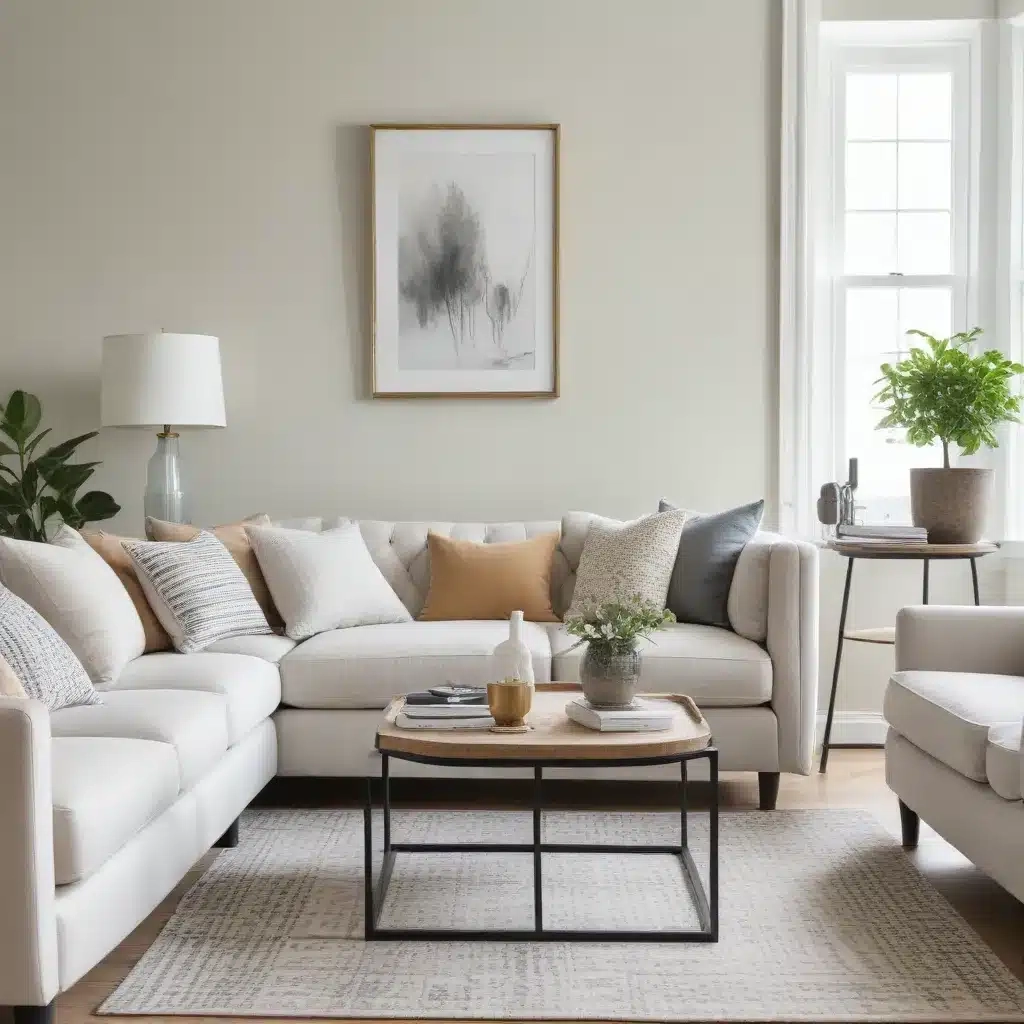
Textiles are the jewelry of your home. They add color, pattern, and texture, and they’re one of the easiest ways to update a space seasonally. Rugs, curtains, throw pillows, and blankets can soften hard edges and make a room feel lived-in. In 2026, there’s a strong emphasis on natural fibers like wool, cotton, linen, and jute. These materials not only look better but also feel better against the skin.
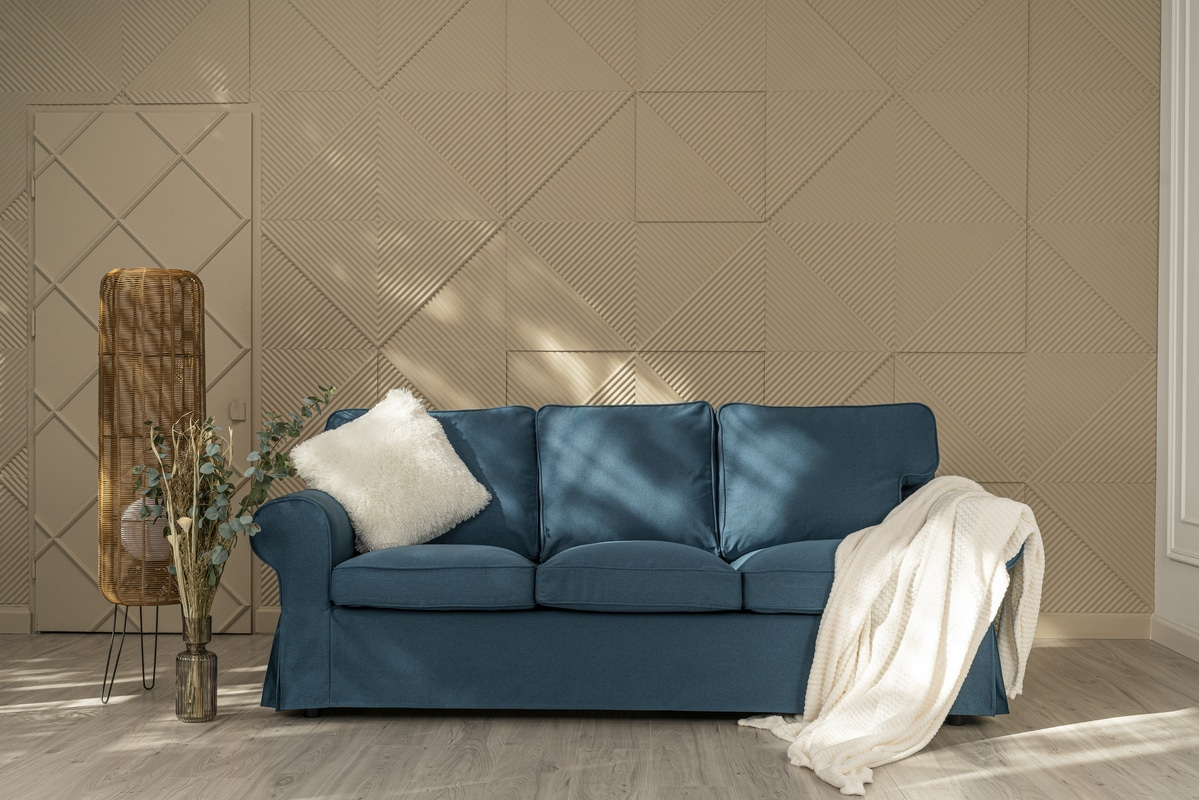
Layering rugs is a trendy and practical technique. Place a smaller, patterned rug on top of a larger, neutral one. This adds visual interest and allows you to mix patterns without committing to a large, expensive piece. It’s also a great way to cover up stains or wear on an older rug. Don’t be afraid to mix textures either. A chunky knit throw looks great draped over a smooth leather sofa.
Curtains should hang high and wide. Mount the rod close to the ceiling and extend it beyond the window frame. This makes the windows appear larger and the ceilings higher. Use lightweight fabrics like linen or cotton voile for a breezy, airy feel. If privacy is a concern, layer them with heavier drapes that you can close at night. And please, avoid the shiny, polyester blends that look cheap. Invest in quality basics that will last for years.
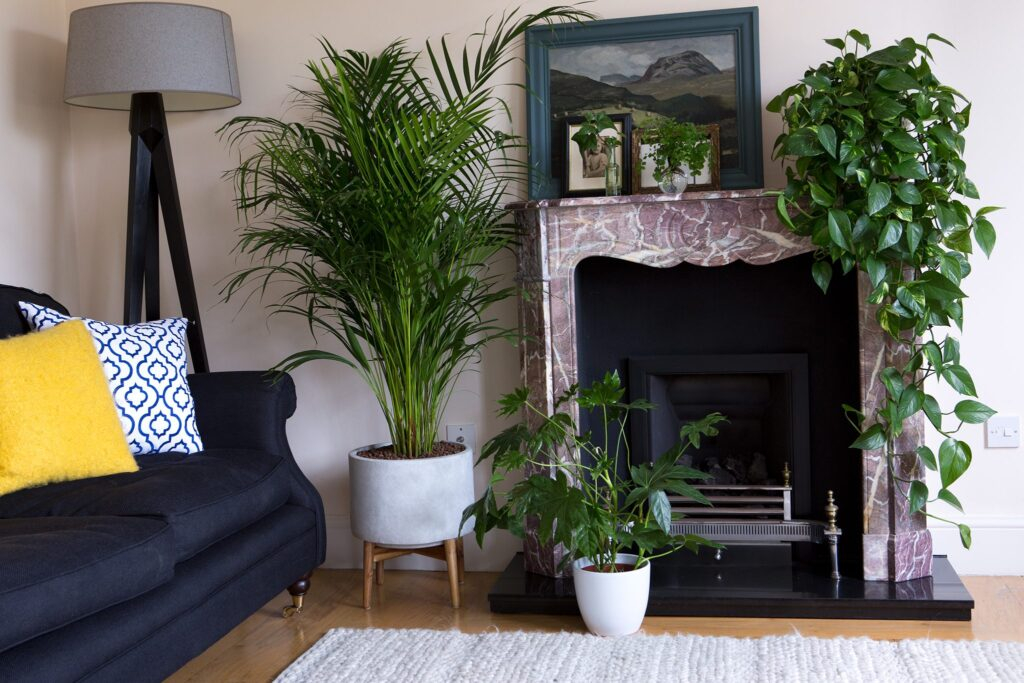
No home feels complete without life. Plants are the ultimate budget decor. They purify the air, add color, and bring a sense of calm to any space. You don’t need a green thumb to succeed. Start with low-maintenance varieties like snake plants, pothos, or ZZ plants. These guys thrive on neglect and can handle low-light conditions. Group plants in clusters for a bigger impact. A single small plant can look lonely, but three together create a vignette.
Personal touches are what make a house a home. Display photos, artwork, and souvenirs that mean something to you. Frame them nicely. Even a simple poster can look elevated in a clean, white mat and a sleek frame. Mix high and low. Pair a vintage find with a modern print. Create gallery walls that evolve over time. There’s no rule that says you need to finish decorating in a weekend. Let your home grow with you.
Finally, keep surfaces clutter-free but curated. A few meaningful objects are more powerful than a shelf full of knick-knacks. Edit your displays regularly. Rotate items in and out of storage to keep things feeling fresh. Your home should reflect who you are right now, not who you were ten years ago. Embrace the process. It’s not about perfection. It’s about creating a sanctuary that supports your well-being.
Styling your home on a budget in 2026 is less about following trends and more about cultivating intention. It’s about slowing down, looking closely, and making choices that align with your values and your wallet. By rethinking what you own, shopping secondhand, using paint strategically, layering lighting, incorporating textiles, and adding personal touches, you can create a space that is both beautiful and authentic.
Remember, your home is a living entity. It doesn’t need to be finished all at once. Take your time. Enjoy the hunt. Celebrate the small victories. A mismatched chair found at a garage sale can become your favorite spot to read. A wall painted in a color you love can change your entire mood. These small acts of care add up to a home that feels truly yours. And isn’t that what it’s all about?