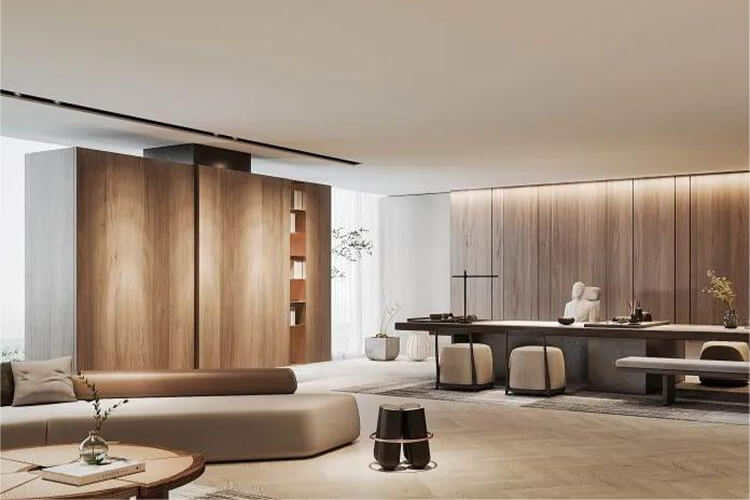
We spend so much of our lives staring at screens. It’s flat, cold, and honestly, a bit exhausting. When you finally walk through your front door, don’t you just want to feel… held? That’s the secret magic of natural textures. They aren’t just about looking good, though they certainly do that. They are about feeling good. In 2026, the trend isn’t just about minimalism or maximalism. It’s about soulfulness. It’s about bringing the outside in, not with potted plants alone, but with the very bones of your home.
Think about the last time you ran your hand over a rough-hewn wooden table or sank into a deep, nubby wool sofa. Did you feel a shift? A slight lowering of the shoulders? That’s not imaginary. It’s biology meeting design. We are craving connection to the earth because our digital lives are so detached from it. This article dives into why this shift is happening, how you can do it without spending a fortune, and why imperfection is actually your best friend when designing a space that breathes.
Why We Crave the Touch of Nature
There is a reason biophilic design has moved from a niche architectural concept to a mainstream household term. We are wired for nature. Studies have shown for years that exposure to natural elements reduces stress and lowers heart rates. But in interior design, it’s not just about seeing green leaves. It’s about tactile engagement. When we touch materials that have grown from the earth—like cotton, wood, stone, or clay—our brains register a sense of safety and grounding.
In a world that feels increasingly digital, the pull towards simplicity and nature is growing stronger. Interior design reflects this shift, with natural materials being used to bring warmth, texture and a sense of calm into the home. It’s a counter-movement to the sleek, glossy surfaces that dominated the early 2010s. Those surfaces were easy to clean, sure, but they felt sterile. Today, we want surfaces that tell a story. We want materials that age gracefully, developing a patina that shows the life lived within the walls.
This craving is also about longevity. Fast furniture is falling out of favor. People are tired of replacing items every few years. Natural materials, when chosen well, create spaces that feel considered and comfortable, balancing beauty, practicality and longevity. An oak table might get a scratch, but that scratch becomes part of its character. A linen curtain might fade slightly in the sun, but it gains a softness that synthetic fabrics never achieve. This shift in mindset changes how we buy and how we live. We are buying less, but better. And we are choosing things that feel alive.
The Big Three: Wood, Stone, and Fiber
When people talk about natural textures, they usually mean three main categories: wood, stone, and natural fibers. Each brings something unique to the table. Wood is the warmer sibling. It adds instant coziness. Whether it’s dark walnut or light ash, wood grain provides visual interest without being loud. In 2025 and 2026, we’ve seen a huge rise in "organic modern" styles where wood is left raw or finished with matte oils rather than high-gloss varnishes. This keeps the pore open, allowing you to feel the grain.
Stone is the anchor. It feels permanent. Think of a marble countertop, a slate floor, or even a simple granite coaster. Stone brings a coolness that balances the warmth of wood. It’s heavy, both visually and physically. This weight creates a sense of stability. In living rooms, a stone fireplace surround can transform the space, acting as a focal point that grounds the entire room. The key here is variation. No two stones are alike. Embracing those veins and color shifts is part of the charm. It reminds us that nature doesn’t do perfect symmetry.
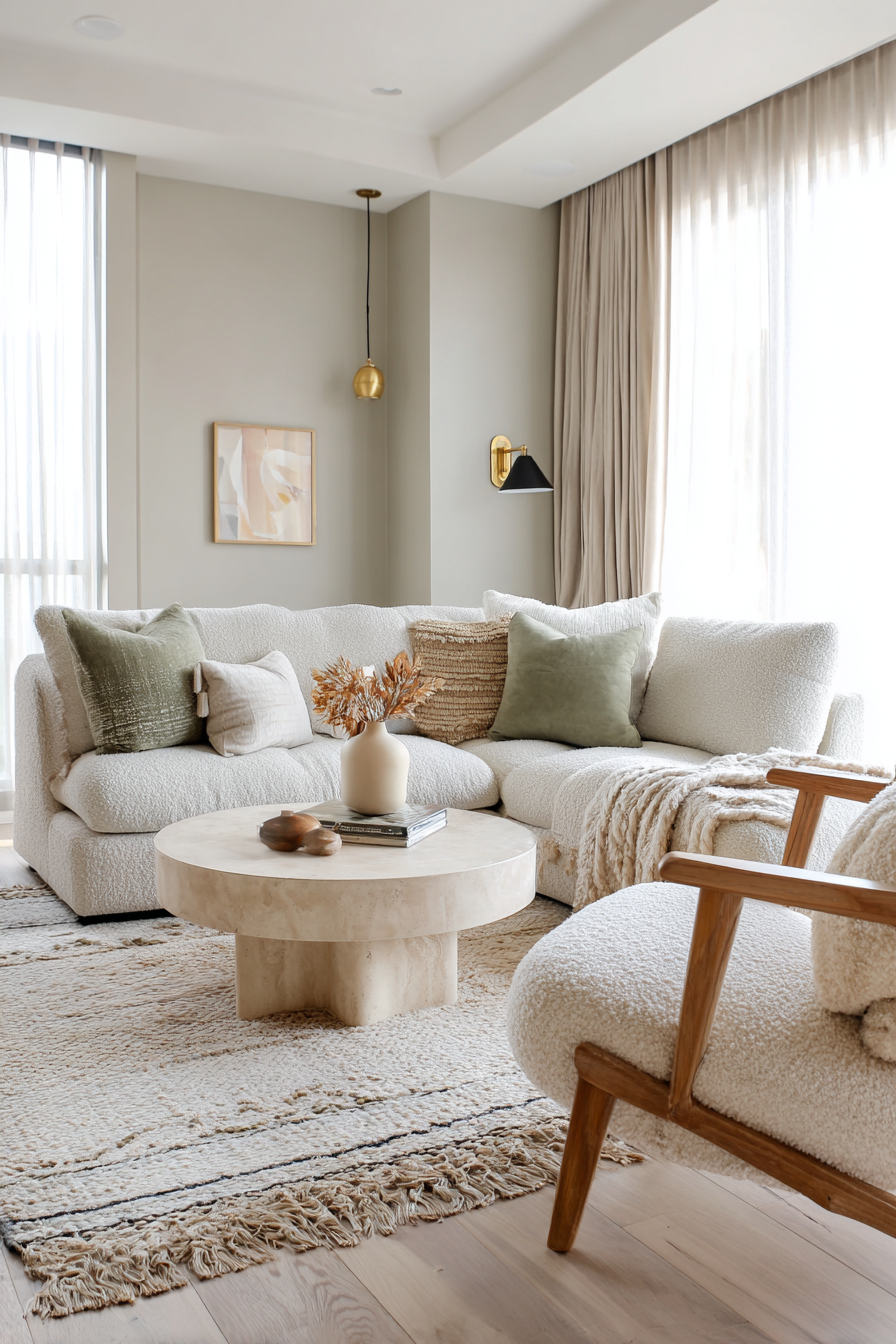
Then there are the softeners: natural fibers. Linen, wool, cotton, jute, and rattan. These are the materials you touch most often. They soften the hard edges of wood and stone. A jute rug underfoot adds a rough, earthy texture that contrasts beautifully with smooth hardwood floors. Wool throws add depth and warmth to a leather sofa. These textiles are breathable and regulate temperature better than synthetics. They make a room feel inhabited and cozy. Layering these fibers is an art form. You mix rough with soft, thick with thin. It’s about creating a landscape for your hands and feet to explore.
Mastering the Art of Layering
Texture is one of the most effective ways to bring depth and personality into your home, yet it’s often overlooked. Many people focus on color first. But a monochromatic room can feel flat if everything is the same texture. Knowing how to layer textures in interior design is what transforms a space from flat to truly lived-in. The goal is contrast. If you have smooth walls, you need rough furniture. If you have a sleek metal lamp, you need a soft fabric shade.
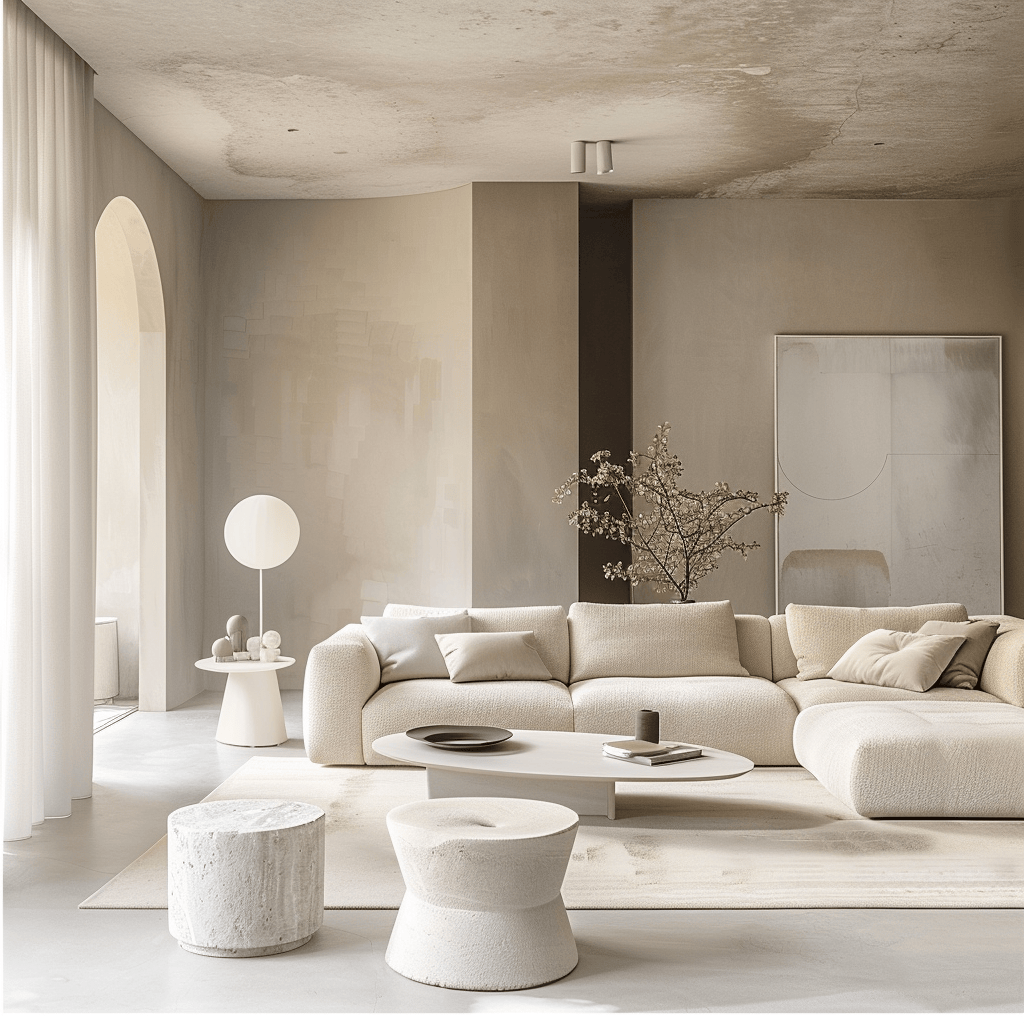
Start with the largest surfaces. Your floors and walls set the stage. Plaster walls offer more than just texture, they add warmth and timeless style. Soft curves, matte finishes, and natural imperfections make each wall feel one of a kind. Perfect for living rooms, bedrooms, or entryways, they soften spaces that might otherwise feel too sharp or modern. Unlike flat paint, plaster catches the light differently throughout the day. It moves. It breathes. This subtle movement adds a layer of visual interest that doesn’t compete with your furniture.
Next, look at your mid-layer: sofas, chairs, tables. This is where you introduce the primary textures. An oak dining table mixes simplicity and strength. Pair it with chairs that have woven seats. The contrast between the solid wood and the airy weave creates balance. Don’t be afraid to mix woods either. As long as the tones are somewhat complementary, mixing a cherry sideboard with a teak table adds richness. The key is to avoid matching sets. Matching sets feel staged. Mixed materials feel collected over time.
Finally, the accessories. Pillows, rugs, curtains, and decor objects. This is where you can experiment with bold textures. A chunky knit pillow on a smooth silk sofa. A sheepskin rug over a sisal one. These small touches add the final layer of comfort. They invite you to sit down and stay awhile. Remember, layering isn’t about clutter. It’s about intention. Each piece should have a reason to be there, contributing to the overall tactile experience. If it doesn’t add warmth or interest, let it go.
Room-by-Room Texture Guide
Different rooms have different needs. The texture palette for a bedroom should differ from a kitchen. In the bedroom, comfort is king. You want softness. Think high-thread-count cotton sheets, a velvet headboard, or a wool area rug. Cottage art and design experts often suggest using soft florals and natural textures to create a calm, modern country bedroom. Gentle colors paired with these textures bring the beauty of nature indoors without feeling rustic or dated. The goal is to create a sanctuary that encourages rest.
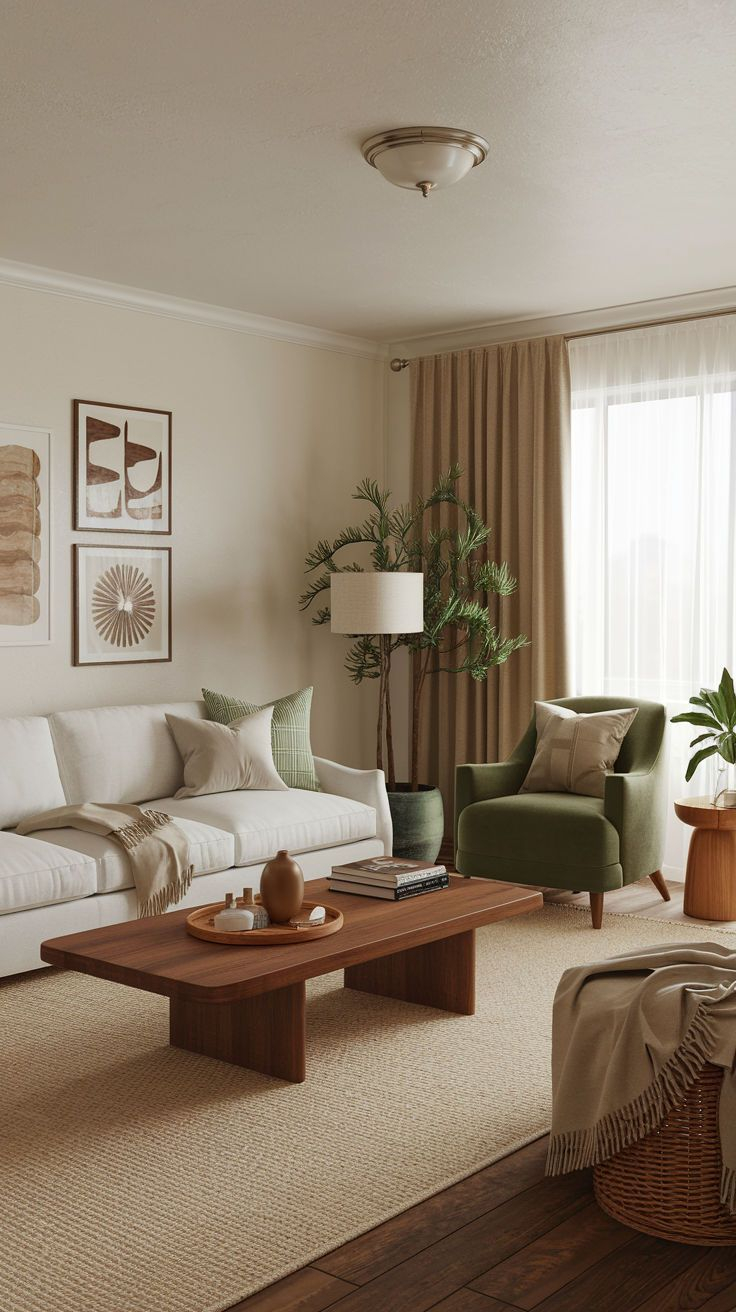
The living room is for gathering and relaxing. Here, you want durability mixed with comfort. Leather ages beautifully and adds a rich, organic feel. Pair it with linen cushions to soften the look. A fireplace, whether real or electric, adds a textural focal point. Surround it with natural stone or tile to enhance the effect. Earthy living rooms are taking root in 2025 with organic textures, natural palettes, and serene simplicity. Think clay tones, rich woods, soft textiles, and indoor greenery that turns your space into a soothing sanctuary.
Kitchens and bathrooms are tricky because they need to be functional and easy to clean. But that doesn’t mean they have to be sterile. Use natural stone countertops. Choose wood cabinetry with a visible grain. Even in a bathroom, a teak stool or a bamboo bath mat can add warmth. The key is to seal natural materials properly so they withstand moisture. Don’t shy away from texture in wet areas. A textured tile in the shower adds grip and visual interest. It breaks up the monotony of large, flat surfaces.
Dining rooms benefit from the warmth of wood. A solid wood table is the heart of the room. Surround it with chairs that offer textural contrast. Maybe upholstered seats in a durable fabric like wool or velvet. Lighting matters too. A woven pendant light or a ceramic lamp base adds another layer. The dining room is where we connect with others, so the textures should invite touch and conversation. Avoid glass tops if you want warmth. Glass is cold and reflective. Wood is warm and absorbing.
Embracing Imperfection and Wabi-Sabi
There is a Japanese aesthetic called Wabi-Sabi that celebrates imperfection. It’s the idea that beauty is found in things that are imperfect, impermanent, and incomplete. This philosophy fits perfectly with the use of natural textures. Wood knots, stone veins, linen wrinkles—these are not flaws. They are features. They prove that the material is real. In a world of mass-produced perfection, these irregularities are luxurious. They signal craftsmanship and authenticity.
Designing an organic modern living room is about creating a space that feels timeless, tactile, and deeply human. It celebrates imperfection, craftsmanship, and the quiet beauty of natural materials. When you choose a hand-thrown ceramic vase, you accept that it might not be perfectly symmetrical. That asymmetry makes it interesting. It draws the eye. It invites you to pick it up and turn it around. This interaction is what makes a home feel alive. It’s not a museum exhibit. It’s a living space.
Embracing imperfection also takes the pressure off. You don’t have to worry about every scratch or stain. In fact, those marks add to the story of your home. A ring from a coffee cup on a wooden table is a memory of a morning spent reading. A fade on a rug is a record of sunlight pouring in during afternoon naps. This mindset shift is liberating. It allows you to relax in your space. You stop treating your home like a showroom and start treating it like a home.
This approach also supports sustainability. When you value the aging process of materials, you are less likely to replace them. You repair instead of discard. You refinish instead of trash. This is good for the planet and good for your wallet. It encourages a slower, more mindful way of living. You become attuned to the changes in your environment. You notice the seasons changing by the way the light hits your plaster walls. You notice the passage of time by the patina on your brass fixtures.
You don’t need to renovate your entire house to embrace natural textures. Start small. Swap out synthetic throw pillows for linen or wool ones. Add a jute or sisal rug to your living room. These small changes make a big impact. They are low commitment and low cost. You can test the waters and see how the textures make you feel. If you love the calm they bring, expand from there.
Look at your lighting. Harsh, overhead LED lights flatten textures. They wash out the details. Switch to warm-toned bulbs and use lamps with fabric shades. The light filtering through linen or paper creates a soft, diffused glow that enhances the texture of the surrounding surfaces. Shadows play a role too. Textured walls create interesting shadow patterns that change throughout the day. This dynamic quality keeps the space feeling fresh and engaging.
Bring in plants. Yes, it’s cliché, but it works. Plants add organic shapes and textures that no manufactured item can replicate. The roughness of bark, the smoothness of leaves, the delicacy of flowers. They add life. Combine plants with natural pots like terracotta or unglazed ceramic. The earthy tone of the pot connects the plant to the rest of the room. It bridges the gap between the living element and the static furniture.
Finally, trust your hands. When shopping, touch everything. Don’t just look at pictures online. Go to stores and run your hands over the fabrics. Sit on the chairs. Feel the weight of the ceramics. Your body knows what it likes. If a material feels cold or cheap, it probably won’t bring the calm you are seeking. If it feels warm and substantial, it’s likely a good choice. Design is sensory. Engage all your senses, not just your eyes. Listen to the sound of footsteps on different floors. Smell the scent of natural wood or beeswax. These subtle cues build a holistic experience of home.
Creating a space with natural textures is a journey, not a destination. It evolves as you do. You might start with a few key pieces and slowly add more as you find them. There is no rush. The beauty of this style is its timelessness. It won’t go out of fashion next year. It’s rooted in human history and our connection to the earth. So take a breath. Look around your space. What feels missing? What feels cold? Add a touch of nature. Add a bit of roughness. Add some soul. Your home will thank you, and so will you.