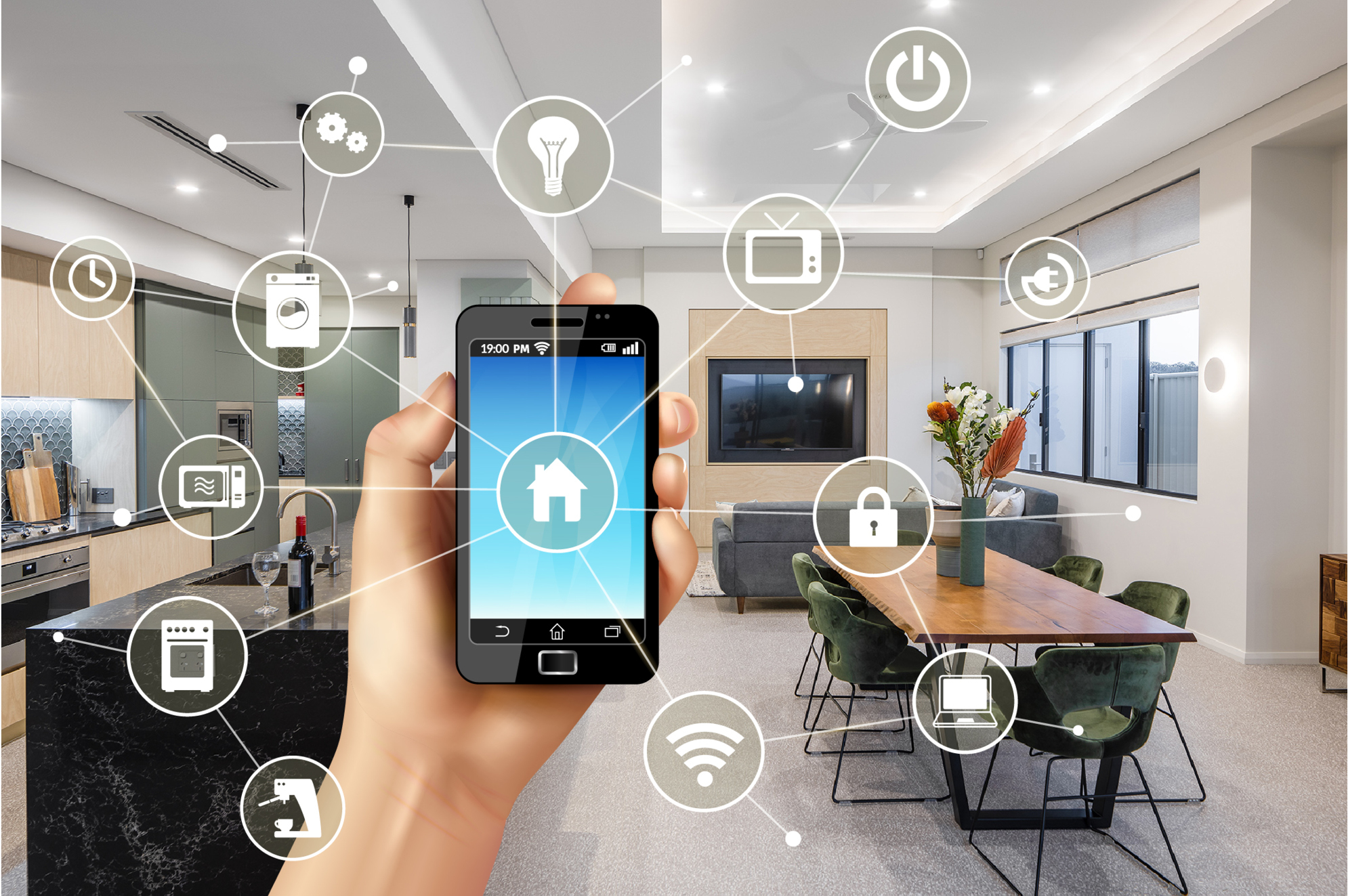
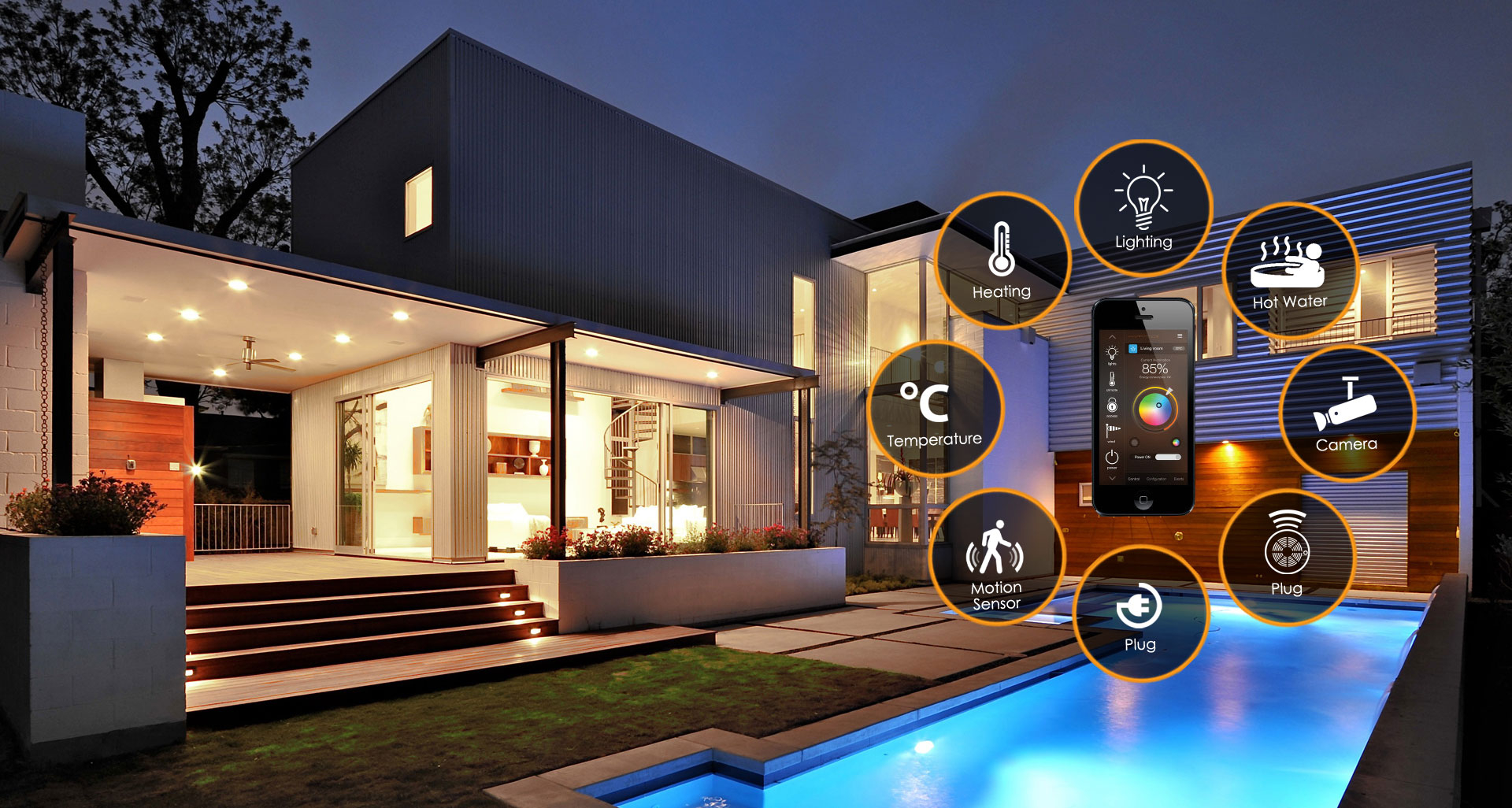
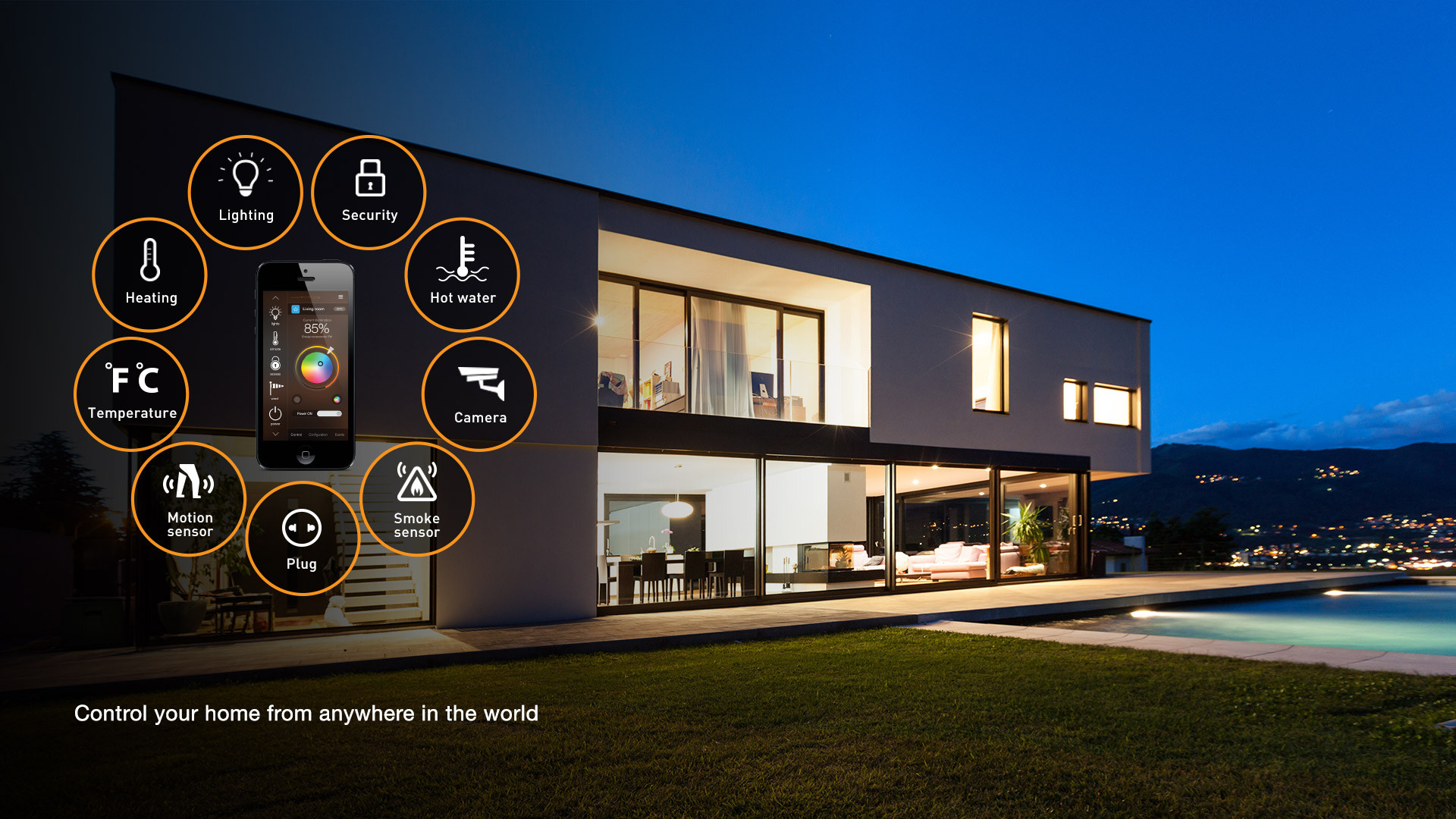
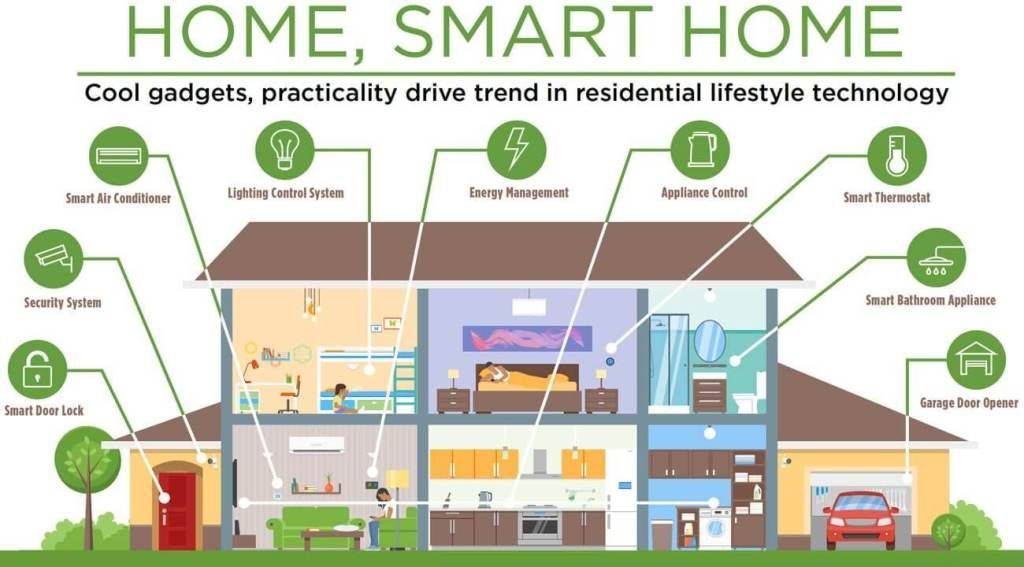
You walk into a showroom in 2026. The lights dim automatically as you approach. The blinds adjust to block the harsh afternoon sun. A voice asks, gently, if you’d like some jazz playing in the background. It feels like magic. It feels like the future we were promised decades ago. And honestly? It’s pretty cool. But then you get home, look at your bank account, and realize that the "magic" comes with a receipt that keeps printing long after you’ve left the store.
We’ve all been there. You buy a smart speaker because it was on sale. Then you need a smart plug to make your old lamp work with it. Then you realize you want the lights to turn off when you leave, so you buy sensors. Before you know it, you’re not just buying gadgets; you’re building an ecosystem. And ecosystems are expensive to maintain. They require food, water, and in this case, constant updates, subscriptions, and eventual replacement.
This isn’t about scaring you away from technology. Far from it. A well-planned smart home can save energy, increase security, and add genuine comfort to your daily life. Some studies even suggest these upgrades can boost resale value by up to 5%. But that potential gain only happens if you don’t drown in the hidden costs first. Let’s pull back the curtain on what those costs really are, and how you can design a home that’s smart without being silly with your money.
The Subscription Trap and Connectivity Creep
Let’s talk about the monthly bleed. It’s small at first. Maybe $5 here for cloud storage for your doorbell camera. $10 there for advanced features on your security system. It feels negligible. But by the time you’ve added smart locks, a video intercom, and a comprehensive monitoring service, you’re looking at $50 or $100 a month. That’s $600 to $1,200 a year. Forever. Or at least, as long as you want those features to work.
Many manufacturers have shifted to a "hardware is cheap, software is premium" model. You might buy a smart thermostat for a reasonable price, but find that the energy reports or remote access features require a paid tier. It’s like buying a car but having to pay a monthly fee to use the GPS. In 2026, this trend has only accelerated. Always read the fine print before you buy. Ask yourself: "Do I need this feature forever? Am I okay paying rent on this device?"
Then there’s the infrastructure. Wi-Fi isn’t just a utility anymore; it’s the foundation of your home’s nervous system. A standard router from your internet provider often chokes under the weight of dozens of connected devices. You end up needing mesh networks, extenders, or professional-grade access points. These aren’t one-time purchases either. They need maintenance, occasional replacement, and sometimes professional installation. If your network goes down, your "smart" home becomes a very expensive, very confusing dumb home. Plan for robust connectivity from day one, or you’ll be patching holes in your signal for years.
The Obsolescence Clock is Ticking Faster
Here’s a hard truth: your fridge will last 15 years. Your smart fridge might last five. Maybe seven if you’re lucky and the company doesn’t go bust. Most smart devices have significantly shorter lifespans than their "dumb" counterparts. Sensors typically last 2-5 years. Hubs and controllers? Maybe 5-8. This isn’t just about batteries dying; it’s about software support ending.
Imagine buying a high-end smart lock in 2024. By 2029, the manufacturer stops releasing security patches. Suddenly, your front door is potentially vulnerable, or worse, the app stops working with your new phone. You’re forced to replace it. Now multiply that by every screen, sensor, and speaker in your house. This cycle of replacement is a hidden cost that rarely appears in initial budget spreadsheets. It’s a recurring capital expense that mimics a lease rather than an ownership model.
To combat this, prioritize open standards. Look for devices that use Matter, Zigbee, or Z-Wave protocols rather than proprietary ecosystems that lock you into one brand. If a company disappears, your devices should still talk to each other through a local hub. Avoid "cloud-only" devices if you can. A device that works locally on your network will continue to function even if the manufacturer’s servers go offline. It’s about future-proofing your investment against the inevitable churn of the tech industry.
Installation Complexities and Professional Labor
DIY is great for plugging in a smart bulb. It’s less great for rewiring your entire lighting system to support smart switches that require a neutral wire. Many older homes simply don’t have neutral wires in the switch boxes. Fixing this isn’t a quick tweak; it’s an electrical overhaul. You’ll need an electrician. And in 2026, skilled labor is not cheap.
The complexity grows when you want things to look seamless. Hidden tech is a major trend. Speakers built into ceilings, motors for shades hidden in valances, cameras disguised as light fixtures. These require precise planning during the construction or renovation phase. If you wait until after the drywall is up to decide you want motorized shades, you’re looking at cutting into walls, patching, painting, and significant labor costs. The "hidden" nature of the tech hides the cost of its integration.
Don’t underestimate the cost of programming and integration either. Buying the devices is one thing; making them work together smoothly is another. Do you want your lights to fade up slowly when your alarm goes off? Do you want the thermostat to adjust based on who is home? Setting up these automations takes time and expertise. Many people hire smart home integrators. These professionals charge for their time, often at rates comparable to specialized contractors. Factor this "soft cost" into your budget. It’s the difference between a collection of gadgets and a cohesive system.
Maintenance Headaches and Digital Hygiene
Tech breaks. It glitches. It needs updates. Unlike a wooden chair, which sits there quietly doing its job, a smart device demands attention. Firmware updates can reset your preferences. Servers go down. Devices drop off the network. You become the IT department for your residence. For some, this is a fun hobby. For most, it’s a chore.
If you’re not tech-savvy, you might find yourself calling for support frequently. Even if you are handy, the time spent troubleshooting is a cost. Time is money. Consider the "matte black fixture" phenomenon mentioned in design circles—beautiful, but shows every fingerprint and water spot. Smart tech is similar. It looks sleek until it’s out of sync, lagging, or unresponsive. The maintenance isn’t just physical cleaning; it’s digital hygiene. Managing passwords, updating apps, rebooting hubs. It adds up.
There’s also the physical wear and tear. Smart blinds have motors that can burn out. Smart locks have mechanical parts that fail faster than traditional deadbolts because they’re moving more often (auto-locking, remote unlocking). You need a maintenance fund specifically for your tech. Just as you save for HVAC repairs, save for tech repairs. Expect to replace 10-20% of your smart devices every few years. If you don’t plan for this attrition, you’ll be caught off guard when your main entryway lock dies on a Tuesday night.
Privacy Risks and Insurance Implications
We often think of cost in dollars, but privacy is a currency too. Every smart device is a data collection point. Your habits, your schedule, your voice commands—they’re all valuable data. While many companies claim to anonymize this data, breaches happen. In 2026, cybersecurity for the home is becoming a distinct concern. Protecting your network requires more than just a strong password. It might require separate VLANs (virtual local area networks) for your IoT devices, advanced firewalls, and regular security audits.
This brings us to insurance. Traditional homeowner’s insurance policies weren’t designed for homes full of connected devices. If a smart heater malfunctions and causes a fire, does your policy cover it? What if a hack leads to theft? Some insurers are starting to offer specific cyber-add-ons or smart home endorsements. Others might raise premiums if they perceive higher risk. It’s a new landscape. You need to check with your provider. Ignoring this could leave you exposed to massive liabilities that standard policies won’t touch.
Furthermore, consider the resale implication of privacy. Not every buyer wants a home that’s been "lived in" by algorithms. Some prefer a blank slate. If your smart home is deeply integrated and hard to reset, it might actually deter certain buyers. They see the complexity as a burden, not a benefit. Making your system easy to decouple or reset is crucial. Otherwise, the "value add" of the tech might be negated by the perceived hassle for the next owner. Transparency about what data is stored and how it’s wiped is key to maintaining value.
So, how do you navigate this minefield? Start with a plan, not a product. Don’t buy a gadget because it’s cool. Buy it because it solves a specific problem. Define your priorities. Is it energy efficiency? Security? Convenience? Focus your budget there. Ignore the rest. A focused system is cheaper to build, easier to maintain, and less prone to failure.
Infrastructure first. Invest in high-quality wiring (Cat6 ethernet, neutral wires in switch boxes, dedicated circuits for server racks) even if you don’t install the devices yet. Wiring is cheap to install during construction but exorbitant to retrofit. Create a "tech closet" or designated space for your hubs and servers with proper ventilation and power backup. This foundational layer will outlast any specific device you buy today.
Adopt a modular approach. Choose systems that allow you to swap out components without tearing down the whole house. Use standard sizes for mounts and enclosures. Keep boxes and manuals (or digital copies) for warranty purposes. And perhaps most importantly, set a realistic budget that includes a 20-30% contingency for the hidden costs we’ve discussed. Assume things will go wrong. Assume subscriptions will rise. Assume you’ll need to replace things sooner than expected. If you plan for the worst, you’ll be pleasantly surprised when things go right.
In the end, a high-tech home should serve you, not the other way around. It should fade into the background, enhancing your life without demanding your constant attention or draining your wallet. By understanding the hidden costs—the subscriptions, the obsolescence, the labor, the maintenance, and the risks—you can make informed choices. You can build a home that’s not just smart, but wise. And that’s a design choice that pays dividends for years to come.