Ever walked into a room that just felt… right? You know the vibe. It’s crisp and clean, but not cold. It feels grounded, like you could kick off your shoes and breathe a little deeper. That’s the magic of mixing natural elements with modern design. But here’s the kicker: most people think you need a massive budget to pull it off. They see those glossy magazine spreads with custom walnut slabs and imported stone, and they sigh. They assume it’s out of reach.
But what if I told you that the core of this style isn’t about how much you spend? It’s about how you look. In 2026, we’re seeing a huge shift away from fast furniture and toward pieces that have soul. You don’t need to buy new. You don’t need to hire a high-end designer. You just need to understand the balance. It’s about letting the rough talk to the smooth. The old shake hands with the new. And yes, you can do it without emptying your savings account. Let’s dive into how you can bring that calm, collected energy into your space, smartly and affordably.
The Foundation: Mastering the Neutral Palette
Before you buy a single thing, you have to get the backdrop right. The biggest mistake people make when trying to mix modern and organic styles is using too many colors. It gets messy. The secret sauce? Stick to a neutral base. Think of your walls and large furniture as the canvas. In recent years, the trend has moved away from stark, clinical whites toward warmer, earthier neutrals. We’re talking oatmeal, soft greige, warm taupe, and creamy off-whites. These shades mimic the colors found in nature—sand, stone, unbleached linen.
Why does this matter for your wallet? Because neutral paint is timeless. You won’t feel the need to repaint every two years when trends shift. Plus, neutral walls make everything else look more expensive. A cheap wooden chair looks intentional against a warm beige wall, but it might look out of place against a bright, cool white. When you keep the background quiet, you allow the textures to do the heavy lifting. This is where the "modern" part comes in. Clean, uncluttered walls provide that sleek, minimalist framework. It’s the silence between the notes. Without it, the natural elements just feel like clutter.
So, start by assessing your current paint. If it’s a cool gray or a bright white, consider warming it up. You don’t even have to repaint the whole house. Just one accent wall or the main living area can change the entire feel. Look for paints with low VOCs (volatile organic compounds) to keep with the natural theme. Many hardware stores now offer affordable eco-friendly options. Once your canvas is ready, you’ll find that adding natural elements becomes infinitely easier. The space feels open, airy, and ready for those organic touches. It’s a small step, but it sets the stage for everything else. Somtimes, less really is more.
Wood Warmth Without the High Price Tag
Wood is the heartbeat of organic modern design. It brings warmth, texture, and a sense of history that plastic or metal just can’t match. But let’s be real—solid hardwood furniture is pricey. So, how do you get that rich, woody feel without breaking the bank? The answer lies in being selective and creative. You don’t need a solid oak dining table. You need the presence of wood. Start with smaller accents. A live-edge shelf, a set of wooden bowls, or even a simple stool can anchor a room.
Thrifting is your best friend here. In 2026, the secondhand market is thriving. Old mid-century modern pieces often have great lines and solid wood construction. They might need a little love—a sanding, a new stain, or just a good clean—but they cost a fraction of new items. Look for pieces with interesting grain patterns. The imperfections are what make them beautiful. A knot in the wood or a slight variation in color tells a story. That’s the "organic" part. It contrasts perfectly with the smooth, manufactured surfaces of modern tech or lighting.
If you’re buying new, look for engineered wood options that use real wood veneers. High-quality veneers can look just as good as solid wood, especially if they’re treated well. Another trick? Mix wood tones. You don’t need everything to match. In fact, mismatched woods look more curated and less like a showroom set. Pair a light ash wood side table with a darker walnut chair. The contrast adds depth. Just keep the undertones consistent (warm with warm, cool with cool) to avoid visual chaos. By focusing on key wooden pieces rather than filling every corner, you save money and create focal points that draw the eye. It’s about quality over quantity, always.
Texture Is Your Secret Weapon
Here’s a truth bomb: a room can look flat even if you have the right colors and furniture. Why? Lack of texture. Modern design loves smooth surfaces—glass, steel, polished concrete. Natural design loves roughness—wool, jute, stone, bark. When you mix them, you create tension. And tension is interesting. It keeps the eye moving. It makes a space feel cozy instead of sterile. The good news? Texture is often the cheapest element to add.
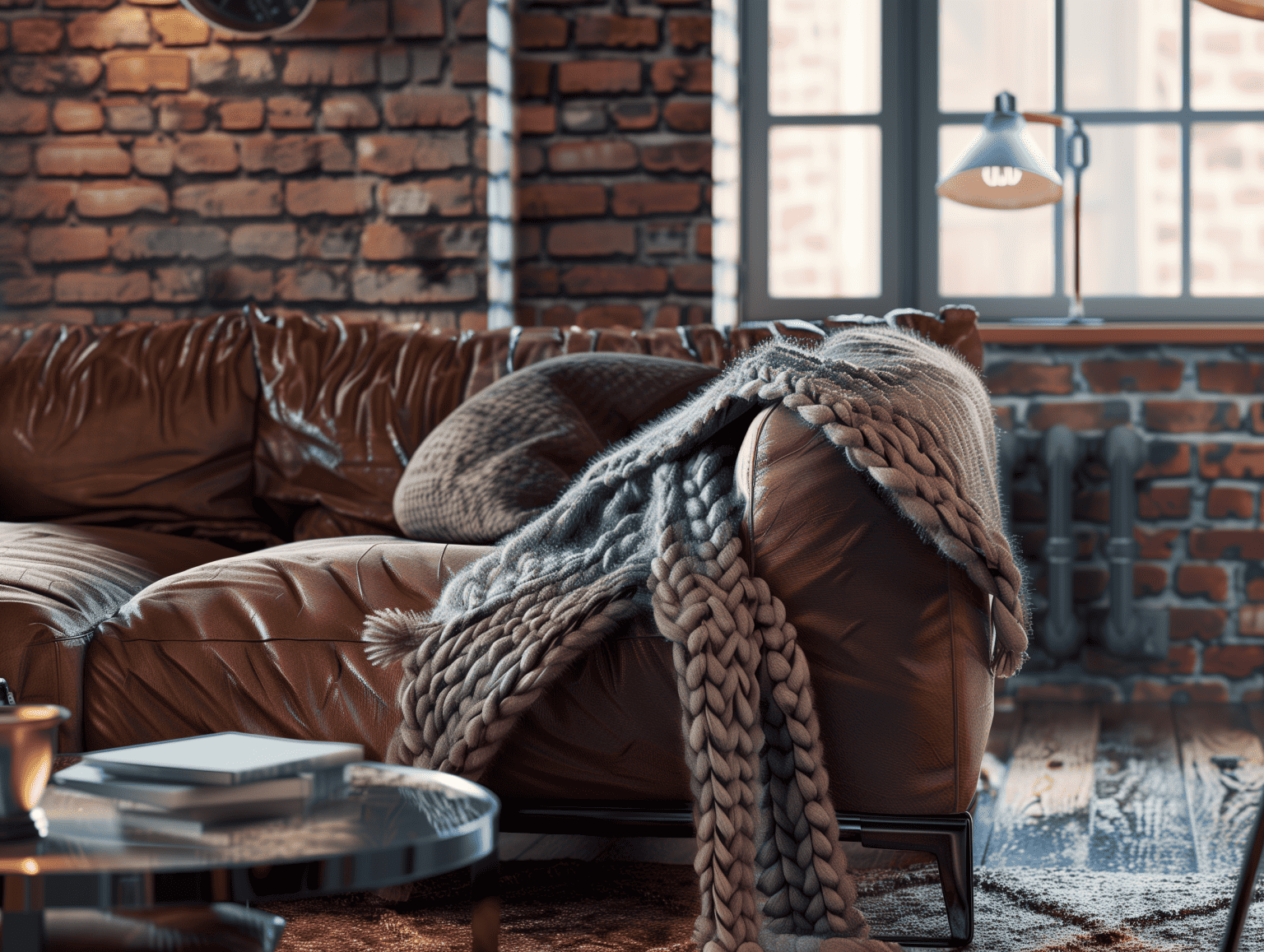
Think about your floors. If you have hard flooring (wood, tile, laminate), you need rugs. But not just any rugs. Look for natural fibers. Jute, sisal, wool, or cotton. A chunky wool throw draped over a sleek leather sofa instantly softens the look. It invites touch. People want to sit down. They want to relax. In 2026, we’re seeing a rise in "tactile minimalism." It’s not just about looking good; it’s about feeling good. You can find affordable textured pillows at discount stores. Look for ones with visible weaves or slight irregularities. Avoid anything that looks too perfect or synthetic.
Don’t forget the vertical spaces. Walls don’t have to be bare. A woven basket hung on the wall adds instant warmth. It’s cheap, it’s lightweight, and it breaks up the monotony of a flat surface. Macramé plant hangers are another great option. They add intricate detail without taking up floor space. Even your window treatments matter. Swap out stiff, synthetic blinds for linen curtains. Linen wrinkles. It moves with the air. It feels alive. These small textile changes add layers of comfort that make a modern space feel like a home. It’s the difference between a hotel lobby and your living room. One is impressive; the other is inviting. Aim for the latter.
Bringing the Outdoors In (For Free)
You can’t talk about natural elements without talking about plants. They are the ultimate budget-friendly decor. A single fiddle leaf fig or a trailing pothos can transform a corner. Plants add color, life, and movement. They soften the hard lines of modern architecture. And the best part? They grow. You can propagate them. Share them with friends. It’s a gift that keeps on giving. In 2026, indoor gardening is bigger than ever. People are realizing that plants aren’t just decor; they’re companions.
But here’s the smart way to do it: don’t just scatter pots everywhere. Be intentional. Group plants in odd numbers (three or five) for a more natural look. Use varied heights. Put a tall plant next to a low, bushy one. This creates a mini landscape inside your home. And pay attention to the pots. This is where you can tie in the modern aesthetic. Use simple, geometric planters in concrete, ceramic, or matte black metal. The contrast between the wild, organic shape of the plant and the structured, clean line of the pot is pure organic modern magic.
You don’t need expensive rare species. Snake plants, ZZ plants, and spider plants are nearly indestructible and cost very little. They thrive on neglect, which is perfect for busy lives. If you don’t have a green thumb, start small. A single succulent on a windowsill is enough. The goal is to bring a piece of the outside in. It connects you to the rhythms of nature. It reminds you to slow down. And if you kill a plant? Don’t worry. It happens. Compost it and try again. The process is part of the charm. It’s imperfect, just like the style itself. Plus, plants improve air quality. It’s a win-win for your health and your aesthetic.
Lighting: Sculpting Space with Shadows
Lighting is often an afterthought, but it’s crucial. Bad lighting can ruin the best-designed room. In organic modern spaces, light should feel natural, even when it’s artificial. Avoid harsh, overhead fluorescent lights. They flatten everything. Instead, layer your lighting. Use floor lamps, table lamps, and wall sconces to create pools of light. This adds depth and drama. It highlights the textures we talked about earlier. Shadows are just as important as light. They create mood.
Look for fixtures that blend materials. A lamp with a wooden base and a linen shade is a perfect example. It combines the natural (wood, linen) with the functional (light). Metal accents in brass, black, or brushed nickel add that modern edge. You don’t need designer brands. Many affordable retailers now offer high-quality replicas or inspired designs. Look for simple shapes. Spheres, cylinders, arcs. Clean lines. Avoid anything too ornate or fussy. The fixture itself should be a sculpture.
Dimmers are your secret weapon. Being able to adjust the light level changes the entire feel of a room. In the evening, dim the lights to create a cozy, intimate atmosphere. It makes the natural textures glow. It softens the modern edges. It’s a small investment that pays off every day. Also, consider the temperature of your bulbs. Stick to warm white (2700K-3000K). Cool white light feels clinical and sterile. Warm light feels like sunset. It enhances the earthy tones in your wood and textiles. By controlling how light hits your space, you control how it feels. It’s free ambiance. Just flip a switch.
Finally, let’s talk about mindset. Organic modern design celebrates imperfection. It’s wabi-sabi meets minimalism. This is great news for your budget because it means you don’t need perfection. You don’t need brand-new, flawless items. You can embrace the worn, the weathered, and the handmade. DIY projects are huge in 2026. Not because people are cheap, but because they want unique pieces. A hand-thrown clay vase might have a slightly uneven rim. That’s what makes it special. A reclaimed wood beam might have nail holes. That’s its character.
Try your hand at simple DIYs. Paint a terracotta pot with a matte white finish for a modern look. Sand down an old wooden crate to use as a storage bin. Frame a pressed leaf or a botanical print in a simple black frame. These small acts of creation add personal meaning to your space. They make it yours. And they cost almost nothing. The key is to keep the execution simple. Don’t over-decorate. Let the materials speak for themselves. If you’re making something, ask yourself: does this add warmth? Does it add texture? Does it fit the clean lines?
This approach also reduces waste. Upcycling old items is sustainable. It aligns with the natural ethos of the style. You’re not just decorating; you’re curating a lifestyle. It’s about slowing down and appreciating what you have. When you stop chasing the newest trend, you start seeing the beauty in the everyday. A smooth stone from a walk on the beach can be a paperweight. A branch from your yard can be a coat rack. The possibilities are endless when you open your eyes. It’s not about spending less; it’s about valuing more. And that’s a lesson that lasts longer than any furniture trend.
So, there you have it. Mixing natural elements with modern lines doesn’t require a trust fund. It requires attention. It requires a willingness to look at the world differently. To see the beauty in a rough stone and a smooth steel beam side by side. Start small. Pick one corner. Add a plant. Change a rug. Paint a wall. See how it feels. Let your home evolve slowly. Let it breathe. In the end, the best homes aren’t the ones that look like magazines. They’re the ones that feel like you. Calm, grounded, and real. And that’s priceless.