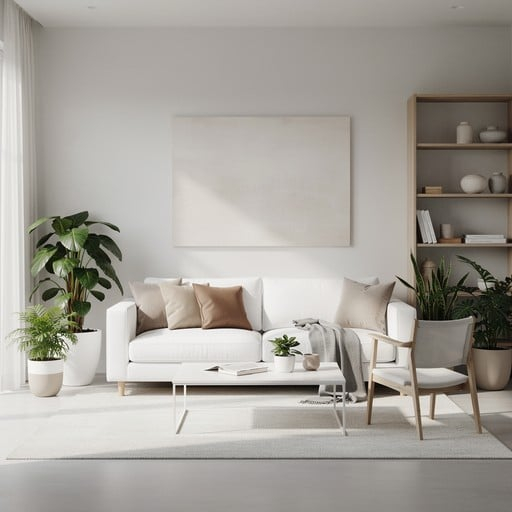
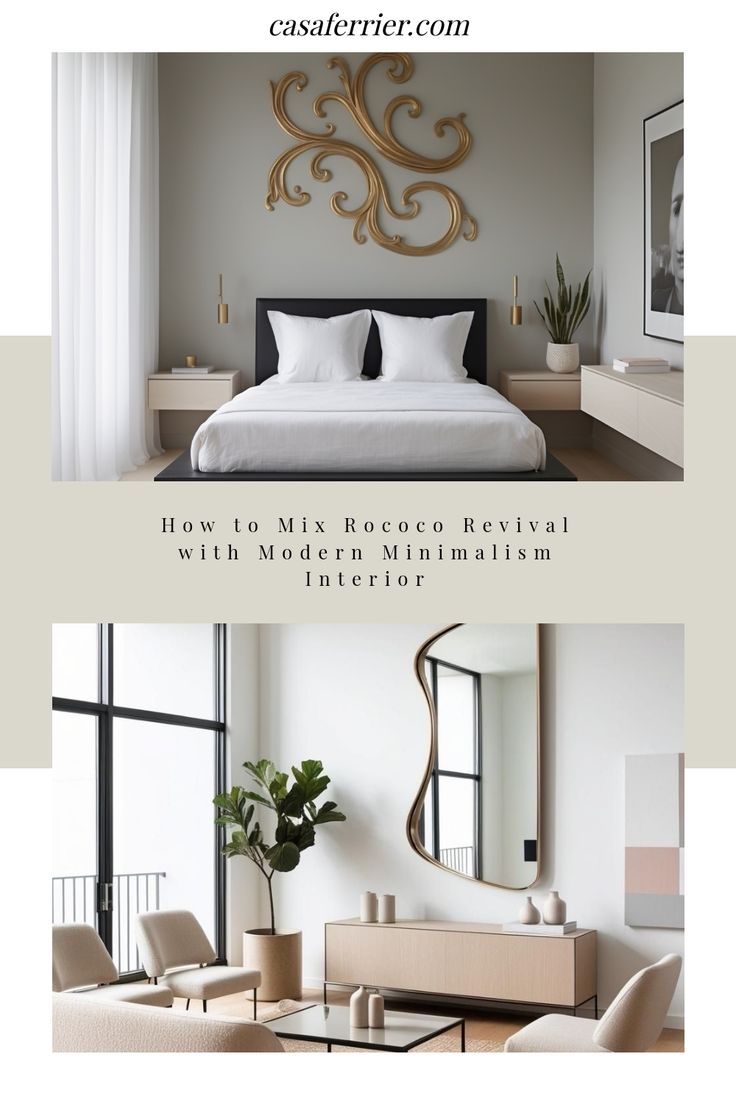
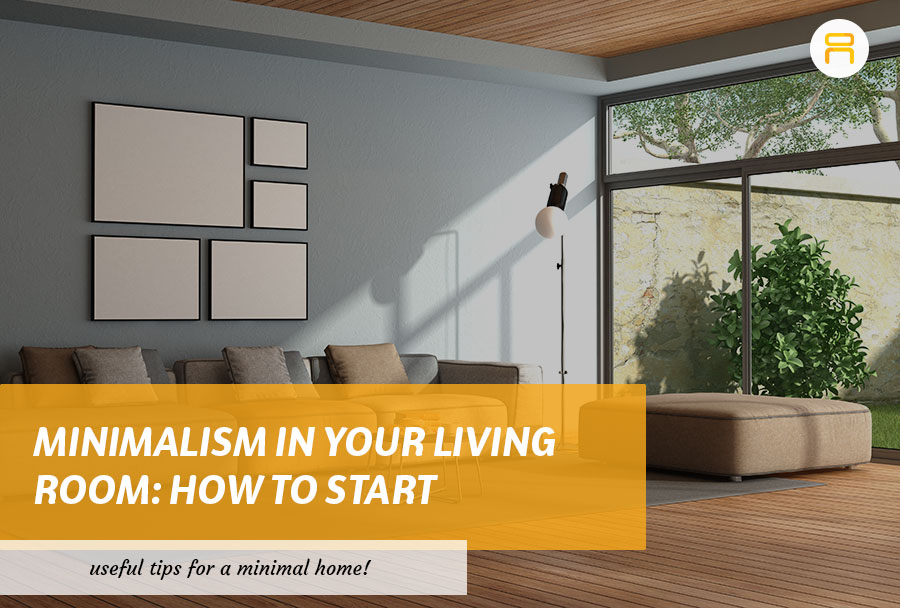
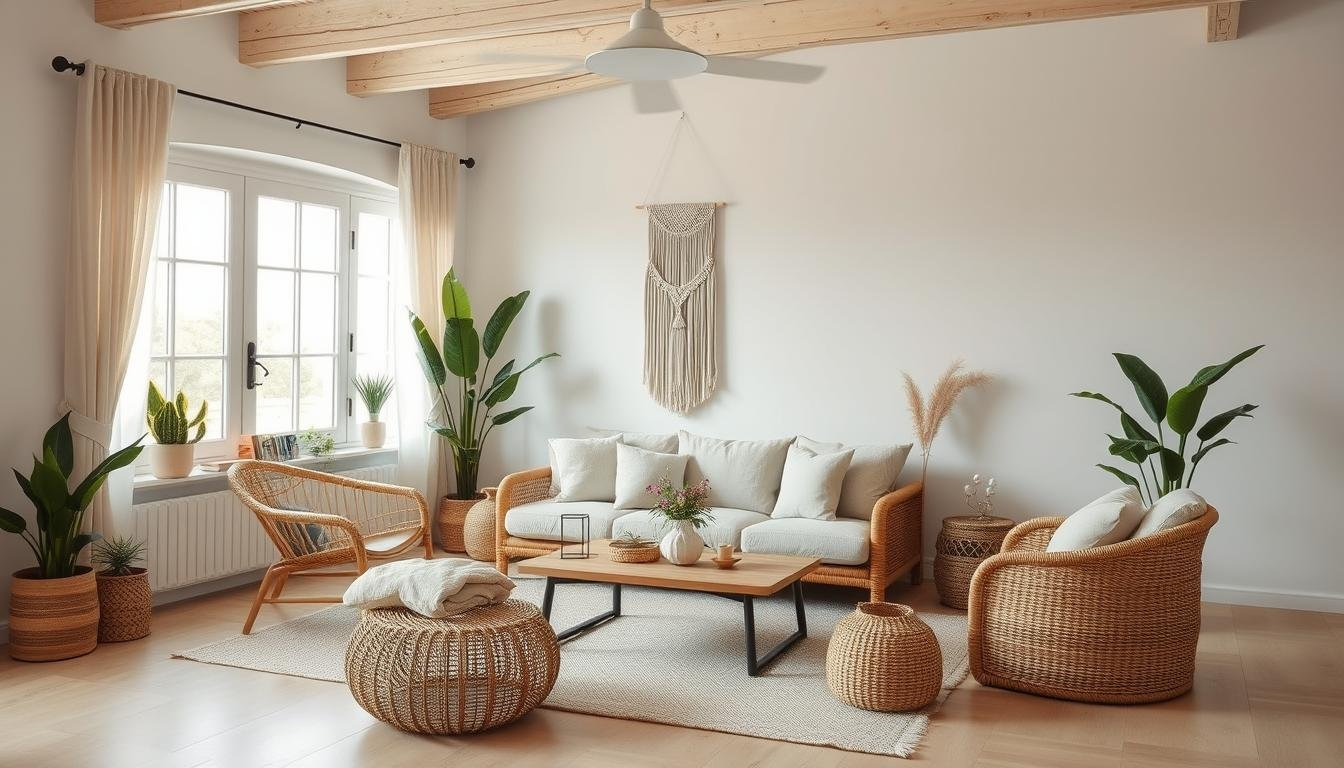
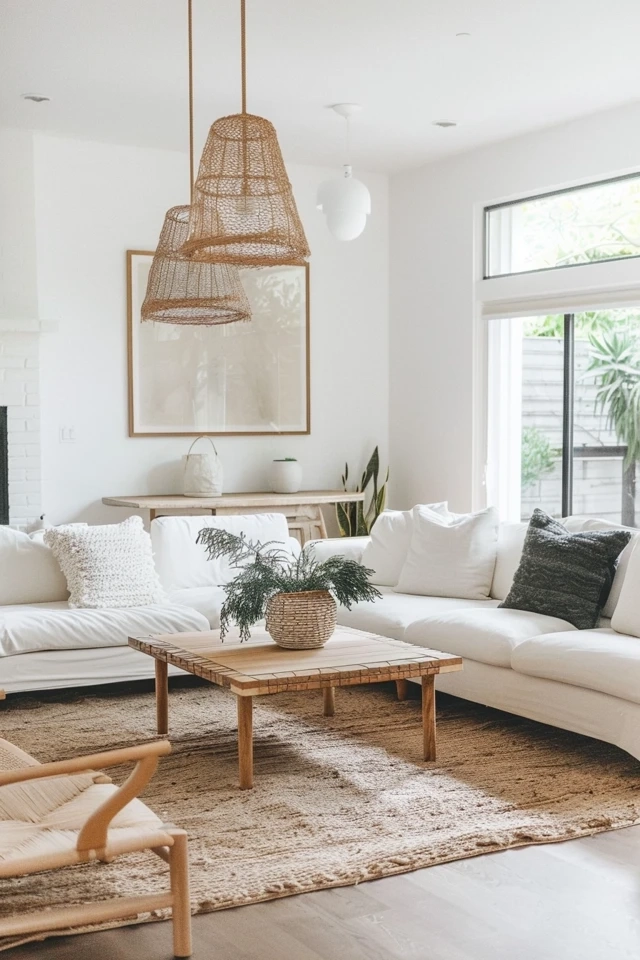
We’ve all been there. You walk into a room that looks like it was ripped straight from a magazine, pristine and perfect, but you’re afraid to sit down. Or maybe you step into a space so cluttered with heirlooms and knick-knacks that you can’t find a place to rest your coffee cup. It’s exhausting, isn’t it? For years, we felt pressured to pick a side. You were either a ruthless minimalist, tossing out anything that didn’t spark joy, or a traditionalist, holding onto every piece of furniture with a story. But in 2026, the rules have changed. We are finally seeing the end of that rigid binary.
The truth is, most of us don’t want a museum, and we definitely don’t want a storage unit. We want homes that work hard but look soft. We want the efficiency of modern living wrapped in the comforting embrace of history. This isn’t just about aesthetics; it’s about how we live. It’s about finding that sweet spot where a sleek, functional desk meets a warm, wooden chair that’s been in your family for decades. It’s a delicate dance, sure, but when you get it right, the result is magic. It feels lived-in yet curated. Simple, yet rich.
So, how do you actually pull this off without it looking like a mistake? It’s not about throwing everything together and hoping for the best. It requires a bit of intention. You have to listen to what each piece is saying. Does this modern lamp clash with that antique rug, or do they sing together? In this guide, we’ll break down exactly how to strike that balance. We’ll look at why this hybrid style is dominating interior trends right now and give you practical ways to bring it into your own space. No jargon, no stress. Just real advice for creating a home that feels like you.
Why We Are Craving Balance Now More Than Ever
Let’s be honest for a second. The last few years have been a whirlwind. By the time we hit 2024 and moved into 2025, people were tired of the cold, sterile "white box" aesthetic that dominated the early 2010s. At the same time, the maximalist trend—while fun—felt overwhelming for many who were dealing with smaller spaces and tighter budgets. We started craving something steadier. Something that felt grounded. That’s where this blend of minimalist function and traditional elegance comes in. It answers a deep psychological need for both order and comfort.
Think about it. Minimalism offers clarity. It clears the mental clutter. When your surfaces are clear and your lines are clean, your brain gets a break. But traditional design offers soul. It provides texture, history, and a sense of continuity. When you combine them, you get the best of both worlds. You get the calm of a minimalist space with the warmth of a traditional home. Recent surveys in home design show that over 60% of homeowners are now identifying their style as "transitional" or "eclectic modern," a huge jump from just five years ago. We aren’t just decorating; we are healing our spaces.
This shift is also practical. Life in 2026 is fast. We need furniture that works. We need tables with hidden charging ports and sofas that can withstand a movie marathon. But we also miss the craftsmanship of the past. We miss the weight of solid wood and the intricacy of a hand-tufted rug. By merging these styles, we acknowledge our modern needs without sacrificing our appreciation for beauty. It’s a rejection of disposable culture. Instead of buying cheap, trendy items that break in a year, people are investing fewer, better pieces that bridge the gap between eras. It’s sustainable, it’s stylish, and frankly, it’s just smarter.
The Golden Rule: Contrast Creates Harmony
If there is one secret to mastering this look, it’s contrast. You can’t have harmony without a little tension. If everything in your room is sleek and modern, it feels flat. If everything is ornate and old-fashioned, it feels heavy. The magic happens in the middle. You want to pair opposites. This is where the eye gets interested. It’s about juxtaposition. Think of a ultra-modern, glass coffee table sitting on top of a vintage, Persian rug. The rug brings the warmth and pattern; the table brings the light and airiness. They need each other to shine.
Start with your anchor pieces. These are the big items that define the room, like your sofa or your dining table. If you choose a traditional, tufted velvet sofa with rolled arms, keep the rest of the room light. Pair it with a minimalist, metal side table. Or, if you have a sleek, low-profile modern sectional, throw a heavily textured, traditional wool blanket over the arm. Add a classic wooden chest as a coffee table. See what happened there? We balanced the visual weight. The heavy, ornate piece is lifted by the light, simple one. It keeps the room from feeling too serious or too casual.
Don’t be afraid to mix materials, either. This is a huge part of the equation. Traditional design loves wood, brass, and fabric. Minimalism loves steel, glass, and concrete. When you put them together, they highlight each other’s best qualities. The coldness of steel makes the warmth of wood feel cozier. The smoothness of glass makes the texture of fabric feel richer. Try pairing a industrial-style steel bookshelf with classic leather-bound books and a few ceramic vases. The shelf provides the function and the modern edge; the books and vases provide the elegance and tradition. It’s a conversation between the old and the new.
Editing With Purpose: The Art of Selection
Here is the hard part. You can’t keep everything. Minimalism demands editing, but traditional elegance demands curation. It’s a tricky balance. You aren’t just decluttering; you are selecting the stars of the show. In 2026, the trend is towards "intentional scarcity." This means having fewer things, but making sure every single item has a reason to be there. Ask yourself: Does this piece serve a function? Does it bring me joy? Does it add to the story of the room? If the answer is no, let it go. Even if it’s an antique. Even if it was expensive.
Focus on quality over quantity. This is where the "elegance" part really comes in. A single, beautifully crafted traditional armchair can hold more weight in a room than ten cheap, modern accent chairs. Invest in pieces that have good bones. Look for solid construction, natural materials, and timeless shapes. Then, surround them with negative space. Let the breathing room around the object highlight its beauty. This is the minimalist influence. It’s about giving your eyes a place to rest. When you have a stunning, ornate mirror on the wall, don’t clutter the mantle below it. Let the mirror stand alone. It becomes art.
This approach also helps with functionality. When you edit your space, you naturally create more room to move. You reduce visual noise, which reduces stress. But because you’ve kept those key traditional pieces, the room doesn’t feel empty. It feels curated. Think of your shelves. Instead of filling every inch with knick-knacks, choose three or four significant objects. Maybe a traditional clay pot, a stack of modern art books, and a simple brass candlestick. Arrange them with space between them. This creates a rhythm. It guides the eye through the room without overwhelming it. It’s functional because it’s easy to clean and organize, but it’s elegant because it’s thoughtful.
Color and Texture: The Silent Connectors
Color is the glue that holds this whole thing together. If you’re mixing styles, you need a unifying palette. In recent years, we’ve seen a move away from stark white minimalism toward warmer, earthier tones. Think creams, taupes, soft grays, and muted greens. These colors work beautifully with both modern and traditional elements. They provide a neutral backdrop that allows your furniture to pop. If you paint your walls a crisp, cool white, your traditional wood furniture might look dated. But if you use a warm, creamy white, that same wood looks rich and inviting. It bridges the gap.
Texture is just as important, if not more so. Minimalism can sometimes feel cold because it relies on smooth surfaces. Traditional design is all about texture—carvings, fabrics, patterns. To balance them, you need to layer textures carefully. Start with a smooth, modern base. Maybe polished concrete floors or sleek cabinetry. Then, add traditional textures on top. A shaggy wool rug. Velvet cushions. A rough-hewn wooden bowl. These tactile elements soften the hard edges of the modern design. They make the space feel welcoming. You want to be able to reach out and touch things. That connection is vital.
Patterns are another tool in your kit, but use them sparingly. Traditional design often features bold, complex patterns like florals or damasks. Minimalism avoids pattern altogether. The compromise? Use traditional patterns in small doses. A single pillow with a classic toile print on a solid, modern sofa. A runner with a subtle geometric-traditional hybrid pattern in a hallway. Keep the scale in mind. Large, busy patterns can overwhelm a minimalist space. Small, subtle patterns add interest without chaos. And remember, you can always tone it down. If a pattern feels too loud, balance it with plenty of solid, neutral colors nearby. It’s about equilibrium.
Lighting: Where Function Meets Form
Lighting is often an afterthought, but it’s actually one of the easiest ways to blend these two styles. Light fixtures are like jewelry for your home. They can be purely functional, or they can be sculptural statements. In a mixed-style home, you want lighting that does both. Look for fixtures that have clean, modern lines but are made from traditional materials. For example, a pendant light with a simple, spherical shape but crafted from aged brass or hand-blown glass. It’s minimalist in form but traditional in finish. It fits perfectly in a kitchen with modern cabinets and vintage tiles.
Layering your light is key to creating that elegant atmosphere. Minimalist spaces often rely on recessed lighting or track lighting, which is great for function but bad for mood. Traditional spaces use lamps and chandeliers, which are cozy but can be dim. Combine them. Use sleek, recessed lights for general illumination during the day. Then, add traditional table lamps with fabric shades for the evening. The contrast between the hidden, modern source and the visible, classic source creates depth. It makes the room feel dynamic. You can adjust the mood based on what you’re doing. Cooking? Turn on the bright, modern lights. Reading? Switch on the warm, traditional lamp.
Don’t forget about the bulbs themselves. The color temperature of your light changes everything. In 2026, smart lighting is standard, allowing you to tweak the warmth instantly. Use cooler, brighter light for task areas like desks and kitchens, where minimalist function reigns supreme. Use warmer, softer light for living areas and bedrooms, where traditional elegance and relaxation take priority. This technical detail supports the aesthetic goal. It ensures that your space works for you practically, while still feeling beautiful emotionally. It’s a small change, but it makes a huge difference in how the room feels at night.
At the end of the day, your home is for living. It’s not a showroom. The true test of this style is how it holds up to daily life. Does that minimalist table scratch easily? Is that traditional rug hard to clean? Functionality must come first. If a piece looks amazing but makes your life harder, it’s not worth it. This is where the "minimalist function" part really shines. Choose durable materials. Performance fabrics that look like velvet but resist stains. Woods that are hard and resilient. Modern technology hidden inside traditional-looking casings. You want your home to serve you, not the other way around.
Make it personal. This style gives you the freedom to tell your own story. Display that quirky collection of vintage cameras on a sleek, floating shelf. Hang a modern abstract painting above a classic fireplace. There are no strict rules anymore. The only rule is that it has to feel right to you. If you love it, it works. Trust your instincts. Walk into the room. How does it feel? Does it feel calm? Does it feel warm? If yes, you’ve nailed it. If it feels stiff, add something soft. If it feels messy, remove something. It’s an ongoing process. Your home will evolve as you do.
Finally, remember that perfection is boring. A little bit of disarray adds character. A stack of books on the floor. A coat thrown over a chair. These human touches soften the minimalist edges and bring life to the traditional pieces. Don’t worry about keeping everything perfectly aligned. Let the space breathe. Let it show signs of life. That’s where the real elegance lies—not in the price tag of the furniture, but in the comfort of the environment. You’ve created a sanctuary that respects the past while embracing the future. And that is a beautiful thing to come home to.