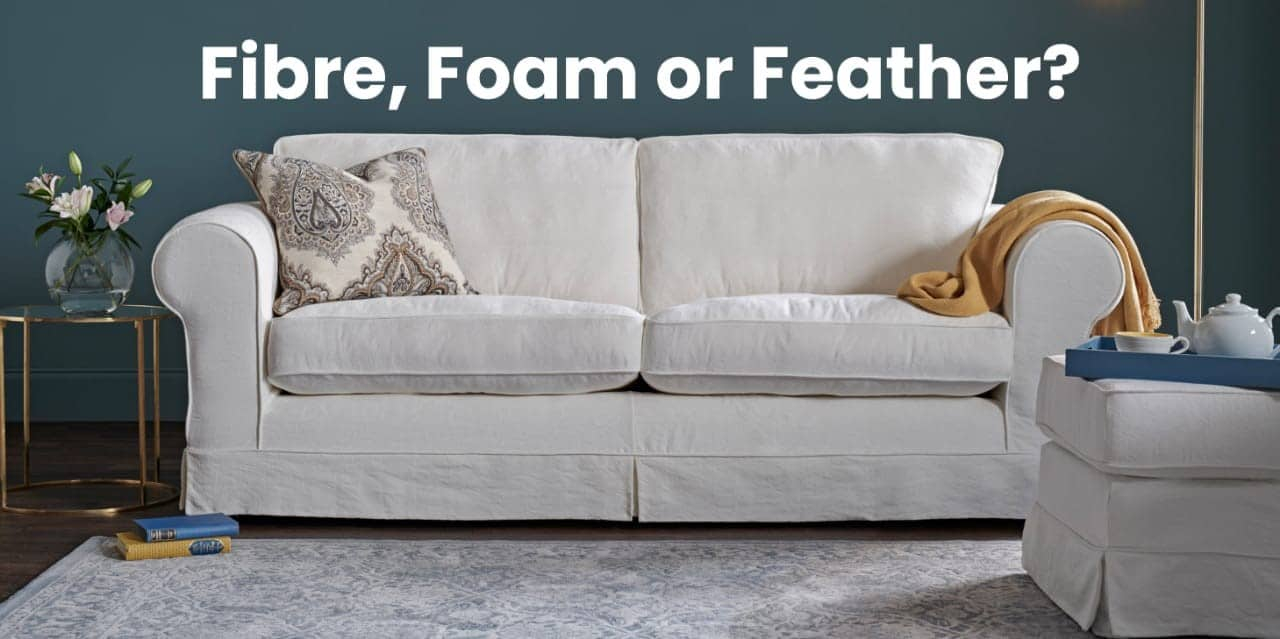
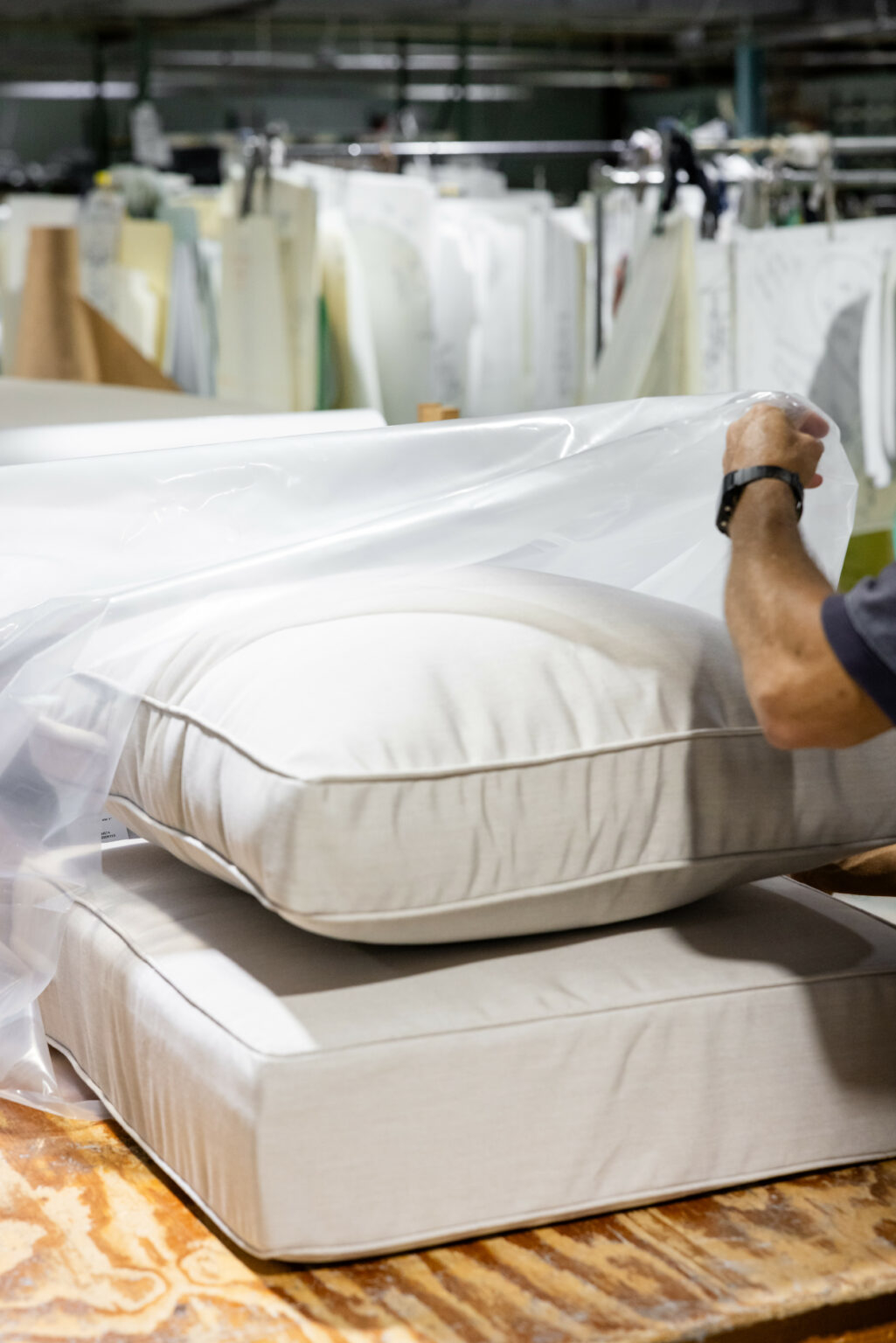
Ever sat on a five-thousand-dollar sofa and wondered why it feels like heaven at first, but starts to sag after just a couple of years. You paid a premium price, so you expect premium materials that last a lifetime, right. Well, the truth inside those plush, beautifully zippered casings might surprise you.
High-end furniture makers have a dirty little secret, and it is all wrapped up in the one thing you do not see: the core of your couch cushions. While salespeople love to talk about hand-tied springs or designer fabrics, they rarely give you the real details on what is actually supporting your weight day after day.
The Illusion of Premium Weight
When you go showroom shopping in 2026, it is easy to get fooled by a heavy cushion. We naturally think that if a seat feels substantial and thick, it must be filled with high-grade materials. Luxury brands use this trick to make you feel like you are getting your money’s worth right out of the gate.
But weight can be deeply misleading in the furniture world. Makers often use heavy chemical fillers or thick layers of cheap polyester batting to bulk up a cushion. This gives it an initial stiffness that mimics quality, but within a year or two, those fillers pack down tightly and lose all their bounce.
The High-Density Foam Shell Game
The real magic—or lack thereof—happens inside the polyurethane foam core. True commercial-grade foam, like a high-resiliency 2.8-pound foam, can easily last a decade without losing its shape. However, even some brands charging thousands for a couch will slip in a 1.8-pound or lower density core to save pennies on production.
- High-Resiliency Foam (2.8 lb): Lasts 8 to 15 years, maintains its springiness, but costs more for the mill to make.
- Standard Foam (1.5 – 1.8 lb): Starts sagging in 1 to 3 years, yet looks identical from the outside when brand new.
Because nobody unzips a brand new couch in the store to measure the exact cubic weight of the foam, manufacturers get away with using cheaper foam cores. They hide behind the beautiful outer fabric while using materials that are barely better than what you find in a budget big-box store.
The Hidden Upkeep of Down and Feather Fills
Who doesn’t love the idea of sinking into pure duck down and goose feathers. It sounds like the ultimate luxury, and companies charge a massive premium for it. What they do not mention on the price tag is the absolute nightmare of maintenance that comes with pure down fills.
Without a solid foam core to give it structure, a pure down cushion will look totally squashed and messy after just one evening of watching movies. You become a slave to fluffing your couch daily just to keep your living room looking tidy. Plus, lower-tier "luxury" lines mix in cheap, pointy feathers that eventually poke right through the fabric and stick into your legs.
Massively Marked Up Performance Fabrics
The fabric covering your cushions is another spot where the math just does not add up for the consumer. Mill costs for high-end residential fabrics usually run between $5 to $25 a yard. An average sofa takes about 16 yards of fabric, meaning the actual material cost for the outer shell is often under $400 for the maker.
Yet, when you upgrade to a special stain-resistant or UV-proof performance fabric, the retail price of the sofa can jump by a thousand dollars or more. The markup here is astronomical, helping companies pocket huge profits while making you think the cushion itself is what is costing so much money.
Why Secret Inner Wraps and Layers Matter
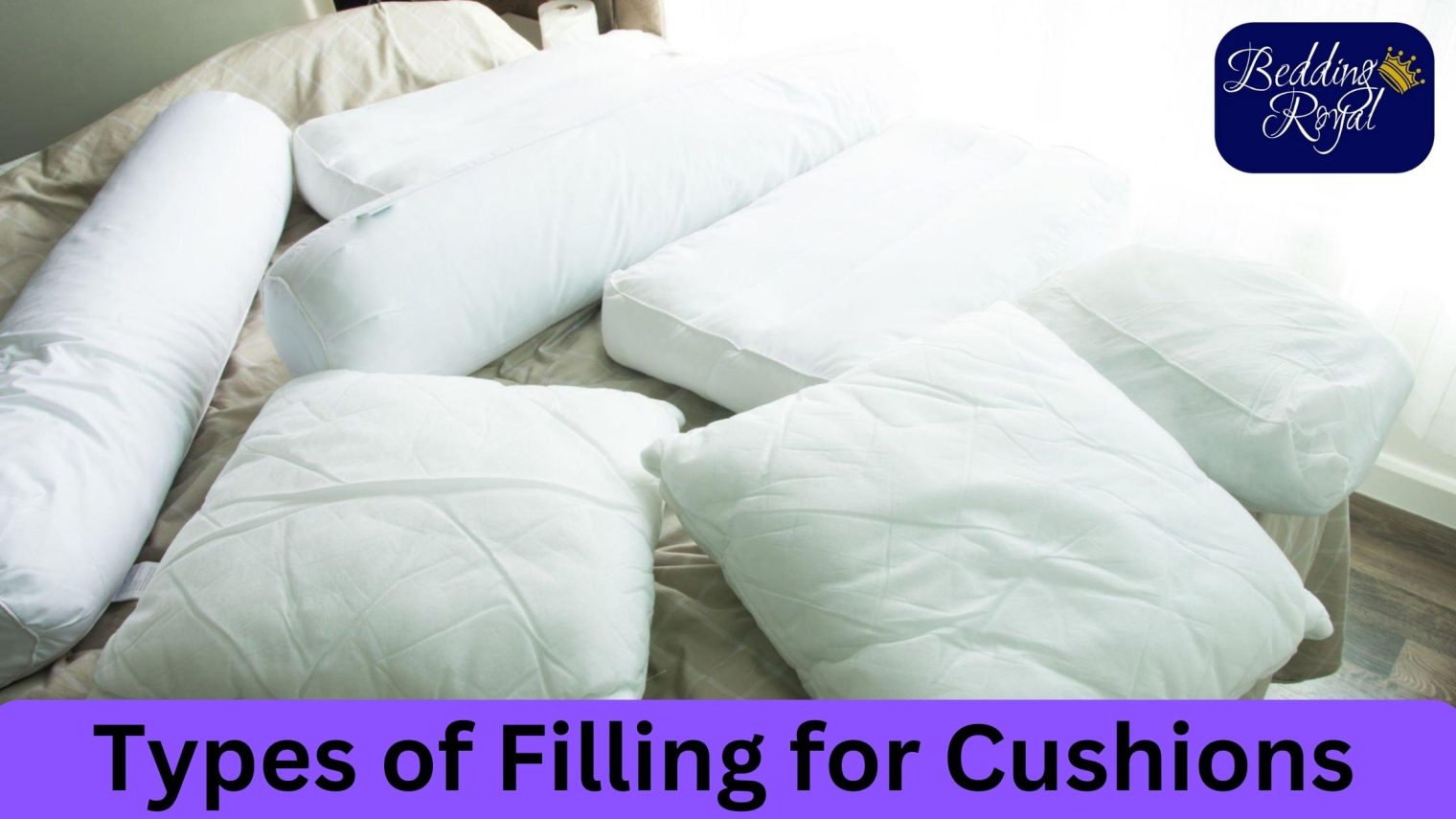
A truly great cushion is like a multi-layer cake. It needs a firm core, a soft wrapper, and a protective inner lining. Cheaply made luxury cushions skip the inner lining altogether, wrapping raw fiberfill or Dacron directly around the foam. Over time, the friction of you sitting down causes the foam to break down into dust.
High-end makers also love to hide how the cushion interacts with the springs underneath. If a couch has a weak suspension system, they will make the cushions extra stiff to mask the lack of proper support. Once that cushion softens up after a few months, you will suddenly feel like you are sinking directly into a hole.
How to Refresh Your Seats Without a New Couch
If your current sofa is starting to look tired and deflated, do not run out and spend thousands on a brand new piece of furniture. The frame of an older couch is usually still perfectly fine. You can actually buy custom-cut high-resiliency foam online in 2026 for a fraction of the price of a new sofa.
- Measure carefully: Take the dimensions from seam to seam on your empty cushion covers.
- Order direct: Buy professional 2.8 lb indoor foam from a supplier instead of going through a furniture dealer.
- DIY or Local: Stuff the new cores into your existing covers yourself, or pay a local shop a small fee to do it perfectly.
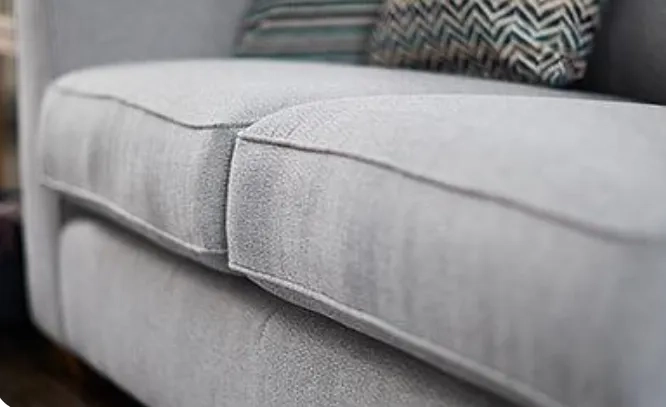
Swapping out just the foam inside your three-seater couch usually costs between $80 and $350 total. Compare that to spending a couple grand on a whole new piece of furniture, and it becomes a total no-brainer. You get a couch that feels brand new while avoiding the crazy markups of luxury retailers.
At the end of the day, understanding what goes into your couch cushions puts the power back in your hands. Don’t let fancy showroom lighting or slick sales talk distract you from asking the real questions about foam density and inner construction.
Next time you are shopping for a new place to lounge, ask the seller point-blank about the exact weight and density of the foam inside. If they can’t or won’t give you a straight answer, that is your cue to walk away. Your wallet, and your back, will thank you later.