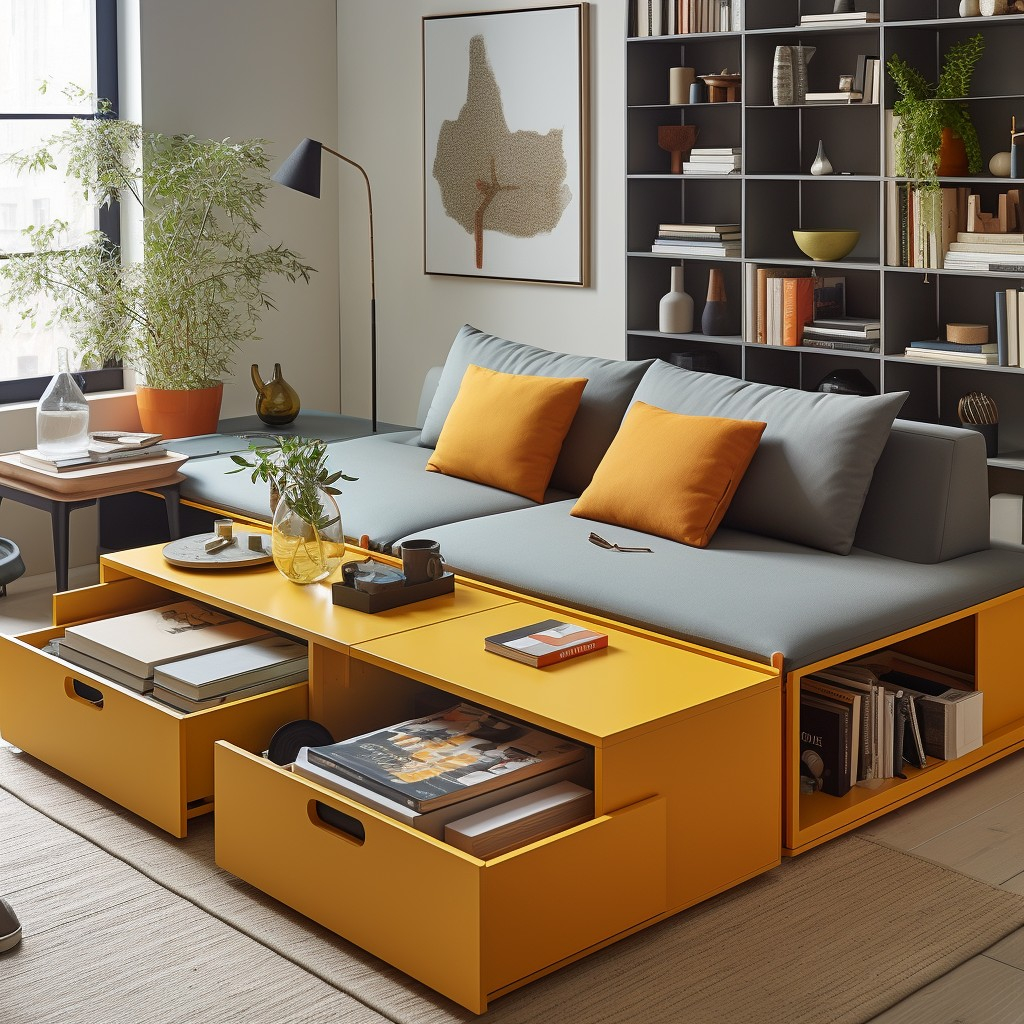
Living in a tight space is tough, but it can also be a fun puzzle. In 2026, more of us are downsizing or moving into compact city studios than ever before. But how do you make a single room function as a bedroom, an office, and a living area without it looking like a giant storage unit?
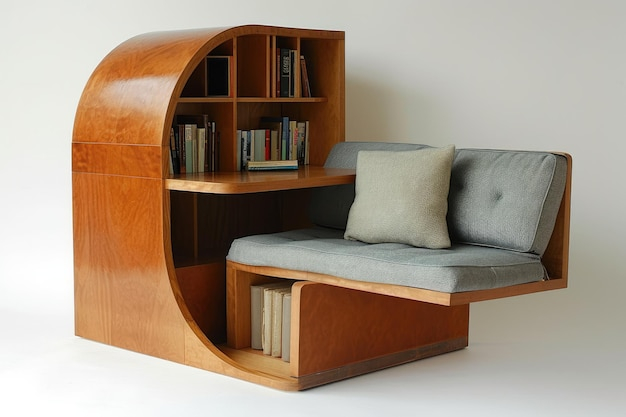
That is where transformer or multifunctional furniture comes into play. A couch that turns into a bed, or a coffee table that lifts up into a desk, sounds like magic. But if you do not choose carefully, you might end up with an expensive piece of junk that is too heavy to move and annoying to use.
Start with Your Daily Habits
Before you open a browser or step into a showroom, take a look at your everyday life. What do you actually do in your room. If you rarely host guests, do you really need a massive sleeper sofa? Probably not. Maybe a sleek drop-leaf table for your occasional remote workdays makes more sense.
People often buy pieces for the life they wish they had, rather than the one they live. Write down a quick list of your daily routines. You want to buy things that solve your actual problems, not hypothetical ones.
Measure Twice, Buy Once
It sounds obvious, but skipping the tape measure is the number one mistake people make. In a compact room, every single inch matters. You need to measure the floor space, but also the clearance around the item.
Will the drawers still open fully when your rug is on the floor? Does the Murphy bed clear your ceiling fan when you pull it down. Don’t forget to measure your doors and hallways too, or that awesome new couch might end up stuck on the staircase outside your door.
Test the Moving Components In Person
If you can, go out and play with the mechanical parts yourself before buying. Try converting the piece back and forth a few times. Does it feel smooth, or does it creak and catch?
If an item is too difficult to change around, you will probably just leave it in one position forever. That completely defeats the purpose of buying something versatile. Look for solid joints and heavy-duty hinges that can handle being moved around every single day.
Keep It Visually Light and Simple
Heavy, dark, chunky furniture can make a tiny room feel like a cave. Instead, look for designs that let light pass through them. Furniture with exposed legs or items made from lighter woods and materials can make your layout feel much more open and breezy.
Also, think about how the design blends with what you already own. You want a piece that offers aesthetic versatility. If it stands out like a sore thumb, it will just make the room look messy and disorganized.
The Reality of Double-Duty Items
Let’s be real for a minute: sometimes items that try to do everything end up doing nothing well. A cheap sofa bed might be an uncomfortable couch and a terrible bed.
When you look at a dual-purpose piece, figure out what its primary job will be. If it is going to be your main bed every single night, prioritize mattress comfort over how stylish it looks as a sofa during the day. Never sacrifice your basic comfort just to save a little bit of square footage.
Your life in 2026 might look completely different in a couple of years. Modular options are fantastic because they can grow and change with you.
Look for modular shelving or sectional seating that can be rearranged when you move to a bigger place later on. Investing in pieces that can adapt to different layouts means you won’t have to sell everything and start from scratch during your next move.
Living large in a small apartment isn’t about cutting out comfort. It is about making smarter choices with the items you bring past your front door. By focusing on your actual habits, checking the build quality, and keeping measurements tight, you can create a beautiful sanctuary.
Take your time when shopping, and don’t rush into buying trendy pieces that don’t fit your layout. With the right strategy, your compact home can feel just as functional and welcoming as a house twice its size.