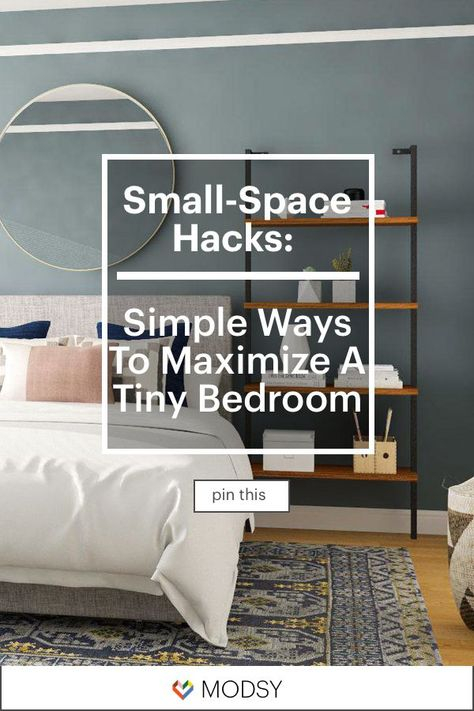
Ever walked into a room and felt like the walls were closing in? You’re not alone. In 2026, more of us are squeezing into smaller footprints than ever before. Whether it’s a cozy studio in the city or a tiny home tucked away in the woods, space is the ultimate luxury. But here’s the thing: small doesn’t have to mean cramped. It just means you have to be smarter about what you bring inside.
The secret isn’t magic. It’s furniture that pulls double duty. We’re talking about pieces that don’t just sit there looking pretty but actually work for you. A coffee table that becomes a dining table. A sofa that turns into a guest bed. It sounds simple, right? Yet, so many people still fill their homes with single-purpose items that hog precious square footage. Let’s change that narrative. Let’s look at how you can maximize every single inch without losing your mind or your style.
The Bed That Disappears (And Other Sleeping Hacks)
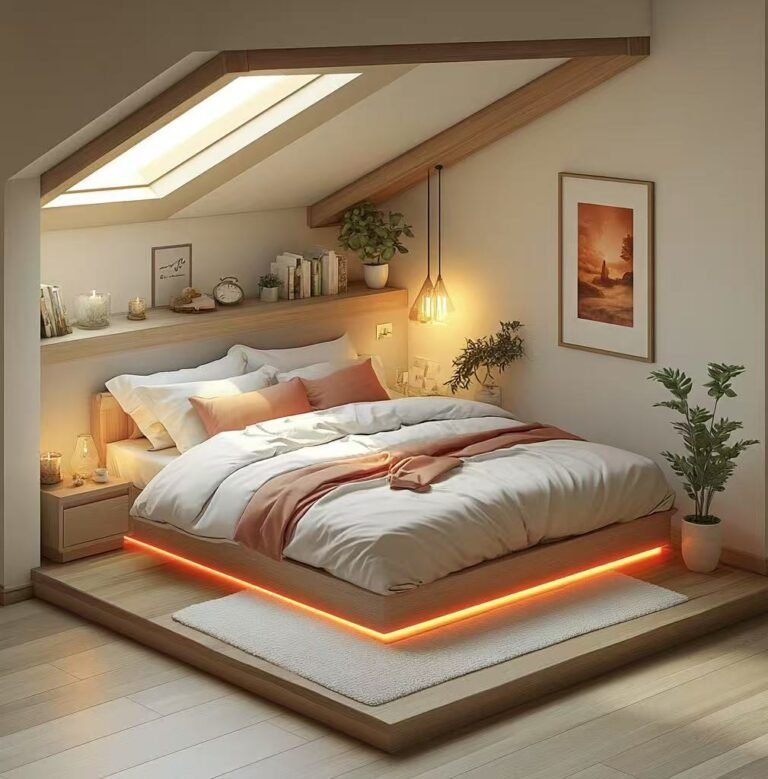
Let’s start with the biggest space-hog in the house: the bed. In a small apartment, a queen-sized mattress can feel like it takes up half the floor plan. But you need sleep, obviously. So what’s the fix? Enter the Murphy bed, but not the clunky, industrial-looking ones from the past. Today’s wall beds are sleek, often coming with built-in shelving or even a desk on the front panel. When you fold it up in the morning, your bedroom instantly transforms into a home office or a yoga studio. It’s like having two rooms for the price of one.
If a wall bed feels too permanent or expensive, consider a high-quality sofa bed. But beware—not all sleeper sofas are created equal. Look for ones with memory foam mattresses rather than those thin, springy bars that leave you feeling like you slept on a rock. Brands in 2026 are focusing heavily on comfort, ensuring your guests (or you, on lazy Sundays) actually get a good night’s rest. Another clever option is the loft bed, especially if you have high ceilings. By raising your sleeping area, you free up the entire floor space below for a workspace, a lounge area, or even a mini kitchenette. It’s vertical thinking at its finest.
Don’t forget about storage underneath. If you stick with a traditional bed frame, make sure it has drawers built in. Every cubic inch counts. Storing off-season clothes, extra linens, or shoes under the bed keeps them out of sight and frees up closet space for things you actually use daily. It’s a small tweak, but it makes a huge difference in how cluttered a room feels.
Seating That Stores Everything
Sofas and chairs are essential, but they can also be massive visual blocks. The trick is to choose seating that offers hidden value. Storage ottomans are the unsung heroes of small-space living. They serve as footrests, extra seating for parties, and deep bins for blankets, board games, or kids’ toys. Look for ones with sturdy lids that can double as a coffee table when you put a tray on top. Suddenly, you’ve got a surface for your drinks and a place to stash the remote.
Modular sofas are another game-changer. Instead of one giant, immovable couch, you get several smaller pieces that can be rearranged. Need more floor space for a dance party? Push them against the walls. Want a cozy nook for movie night? Arrange them in an L-shape. Some modules even come with built-in charging ports or side tables, eliminating the need for extra end tables that clutter the walkways. This flexibility allows your living room to adapt to your life, rather than forcing your life to adapt to the furniture.
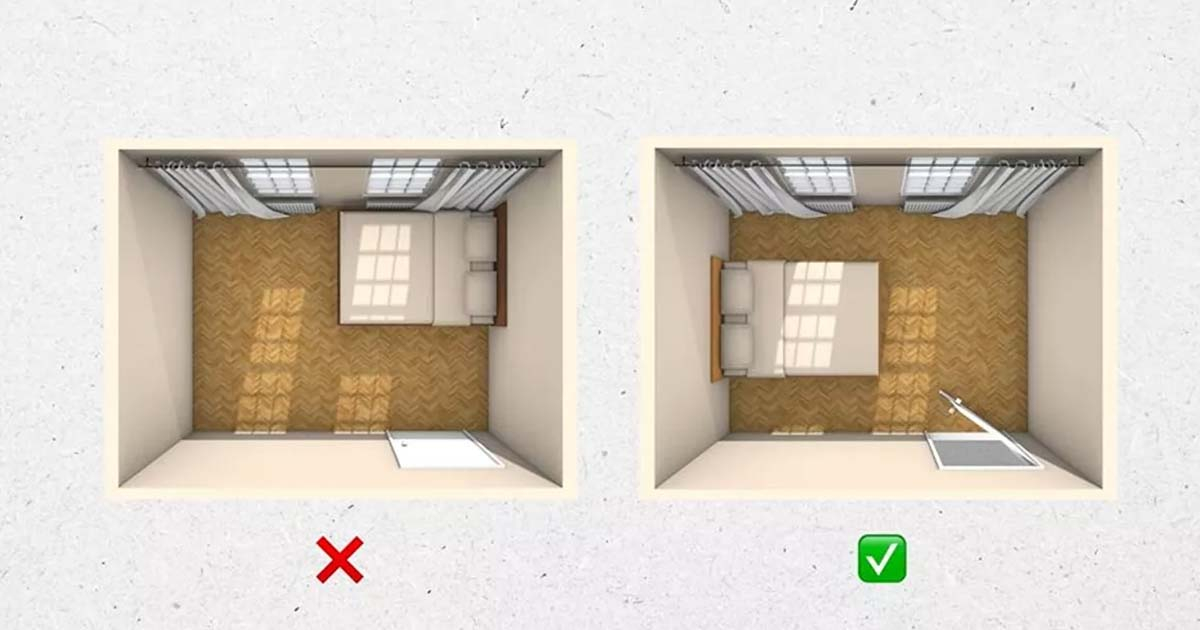
Consider bench seating with lift-up tops for dining areas. A narrow bench along a wall takes up less visual space than individual chairs and provides ample storage inside. You can tuck it under a drop-leaf table when not in use, creating a clear path through the room. It’s all about flow. If you can walk through your space without dodging furniture legs, you’ve won half the battle. And let’s be honest, tripping over a chair leg at 2 AM is nobody’s idea of fun.
Tables That Transform and Expand
Dining tables are often oversized for the actual number of people using them daily. Do you really need a eight-seater if it’s just you and your cat most nights? Probably not. Drop-leaf tables or gateleg tables are classic solutions for a reason. They fold down to a slim console against the wall, taking up mere inches of depth. When friends come over, you unfold the leaves, and suddenly you have a proper dining surface. It’s simple mechanics, but it works wonders.
Coffee tables with lift-tops are another must-have. These allow you to raise the surface to a comfortable height for working on your laptop or eating dinner while watching TV. No more hunching over a low table and straining your back. Plus, many of these designs include compartments inside the base for storing magazines, chargers, or snacks. It keeps the surface clean and clutter-free, which is crucial in a small space where mess spreads quickly.
Nesting tables are perfect for versatility. You get two or three tables of different sizes that stack neatly together. Use the largest one as your main side table, and pull out the smaller ones when you need extra surfaces for drinks or decor. When you’re done, they stack back up, taking up the footprint of just one table. It’s like having a set of Russian dolls for your living room. Practical, stylish, and surprisingly affordable.
Vertical Storage: Going Up Instead of Out
When floor space is limited, the only way to go is up. Walls are often underutilized real estate. Floating shelves are a great start. They don’t have bulky legs, so they feel lighter and less intrusive. Use them to display books, plants, or decorative items, but try to keep them organized. Clutter on high shelves can make a room feel chaotic. Group items by color or size to create a sense of order.
Tall, narrow bookcases are better than short, wide ones in small rooms. They draw the eye upward, making the ceiling feel higher and the room more spacious. Look for units with a mix of open shelves and closed cabinets. Open shelves keep things accessible, while cabinets hide the ugly stuff—like bills, cleaning supplies, or that box of cables you haven’t sorted through since 2023. A combination of both keeps the aesthetic pleasing and the functionality high.
Don’t ignore the space above doors and windows. Installing a shelf above a doorframe can provide extra storage for items you rarely use, like holiday decorations or archival documents. It’s out of the way, yet easily accessible when needed. Similarly, hanging rods or hooks on the back of doors can hold coats, bags, or towels, freeing up valuable closet or bathroom space. Every little bit helps.
Kitchen and Bath Solutions for Tight Quarters
Kitchens in small apartments are often galley-style or barely exist. Maximizing counter space is critical. Rolling carts or kitchen islands on wheels can provide extra prep space and storage. When you’re done cooking, wheel it into a corner or under a counter. Look for carts with towel racks, spice racks, or knife blocks built in. It brings functionality to wherever you need it most.
Inside cabinets, use risers and stackable organizers. Double your shelf space by stacking plates or bowls vertically with dividers. Hanging racks under shelves can hold mugs or small pots. The goal is to use every cubic inch of cabinet space efficiently. If you have a small fridge, consider a compact dishwasher drawer or a countertop model to save floor space. It’s about choosing appliances that fit your lifestyle, not just what looks standard.
Bathrooms are another challenge. Over-the-toilet storage units are a lifesaver. They utilize the dead space above the tank for towels, toiletries, and toilet paper. Pedestal sinks look nice but offer zero storage. If possible, opt for a vanity with drawers, even if it’s small. If you’re stuck with a pedestal, use a rolling cart next to it or install floating shelves above the sink. Mirrors with medicine cabinets behind them are also essential, providing hidden storage for toothbrushes and meds while making the room feel larger.
It’s tempting to buy every cool gadget you see online, but restraint is key. Before purchasing any multifunctional piece, ask yourself: Will I actually use both functions? If you never have guests, maybe you don’t need a sofa bed. If you always eat at your desk, maybe you don’t need a formal dining table. Be honest about your habits. The best furniture is the one that fits your actual life, not the life you imagine you might have someday.
Quality matters more in small spaces. Since each piece serves multiple roles, it gets used more heavily. A cheap mechanism on a folding table might break after a few months, leaving you with a wobbly mess. Invest in sturdy hinges, smooth glides, and durable fabrics. It’s better to have fewer, high-quality pieces than many flimsy ones that need replacing every year. Look for warranties and read reviews specifically mentioning durability.
Finally, think about scale. Just because a piece is multifunctional doesn’t mean it should be huge. Measure your space carefully. A bulky sectional might have storage, but if it blocks the window or makes the room feel dark, it’s not worth it. Opt for pieces with exposed legs, as they allow light to pass underneath, creating an illusion of more space. Glass or acrylic tables can also help maintain visual openness. It’s a balancing act between function and form, but when you get it right, your small space will feel like a sanctuary.
Living in a small space doesn’t mean compromising on comfort or style. It just requires a shift in perspective. By choosing furniture that works harder, you can create a home that feels spacious, organized, and uniquely yours. It’s not about having less; it’s about making more of what you have. So take a look around your room. What’s gathering dust? What’s getting in the way? Maybe it’s time to swap that heavy armoire for a sleek wall unit. Or trade that static coffee table for one that lifts and stores. Small changes can lead to big results. And honestly, isn’t that what we’re all looking for? A home that breathes, adapts, and supports us, no matter how many square feet we have to work with.