The coffee cup leaves a faint ring on the reclaimed oak table, catching the late afternoon winter light just right. Across the room, a linen armchair shows the soft, lived-in indentation of an afternoon spent reading rather than staging. For years, domestic spaces were judged by their resistance to life—surfaces coated in sterile high-gloss polishes, furniture arranged like an untouchable museum exhibit, and color palettes dictated by algorithmic minimalism. We bought homes to look like digital renders, only to realize that living inside a spreadsheet is profoundly exhausting.
That sterile era has officially cracked open. Stepping into interior design right now reveals a dramatic pendulum swing toward spaces that breathe, absorb our daily chaos, and actually love us back. The current design climate demands an abandonment of rigid showrooms in favor of interiors built for human pulse rates. It is no longer about curating a backdrop for social media validation; it is about building a tactile sanctuary that grounds the nervous system the moment you drop your keys in the entryway.
Reflecting this profound lifestyle shift requires throwing out the tired rulebook of the past decade. The 9 essential home decor rules for this year do not restrict your creativity; instead, they liberate you from the tyranny of trends that expire before the paint has even dried. These guidelines marry sensory indulgence with stubborn functionality, ensuring that your home feels as good to inhabit on a frantic Tuesday morning as it does during a quiet Friday night.
The Death of the Showroom: Why Modern Interiors Must Embrace Radical Lived-In Authenticity
For too long, interior design operated under a glass-case mentality. Sofas were wrapped in performance fabrics that felt suspiciously like outdoor gear, and coffee tables were decorated with expensive, unread coffee table books clamped shut by heavy brass weights. We spent vast amounts of energy apologizing for our own presence in our homes, frantically hiding mail, fluffing karate-chopped pillows, and panicking if a throw blanket looked slightly rumpled. This exhausting performance is what design critics call the "showroom trap," and it has systematically eroded our psychological connection to our living spaces.
True interior styling today pivots away from immaculate perfection toward unapologetic authenticity. This means incorporating pieces that carry a narrative—the slightly wobbly ceramic vase thrown by a local artisan, the dining chairs with grain patterns telling decades of botanical history, the wool rugs that shed a little because they are made from genuine, unbleached fleece. When you stop demanding that your living room look like an architectural magazine spread frozen in time, something remarkable happens. The rooms begin to absorb your personality, becoming softer, more forgiving, and infinitely more welcoming.
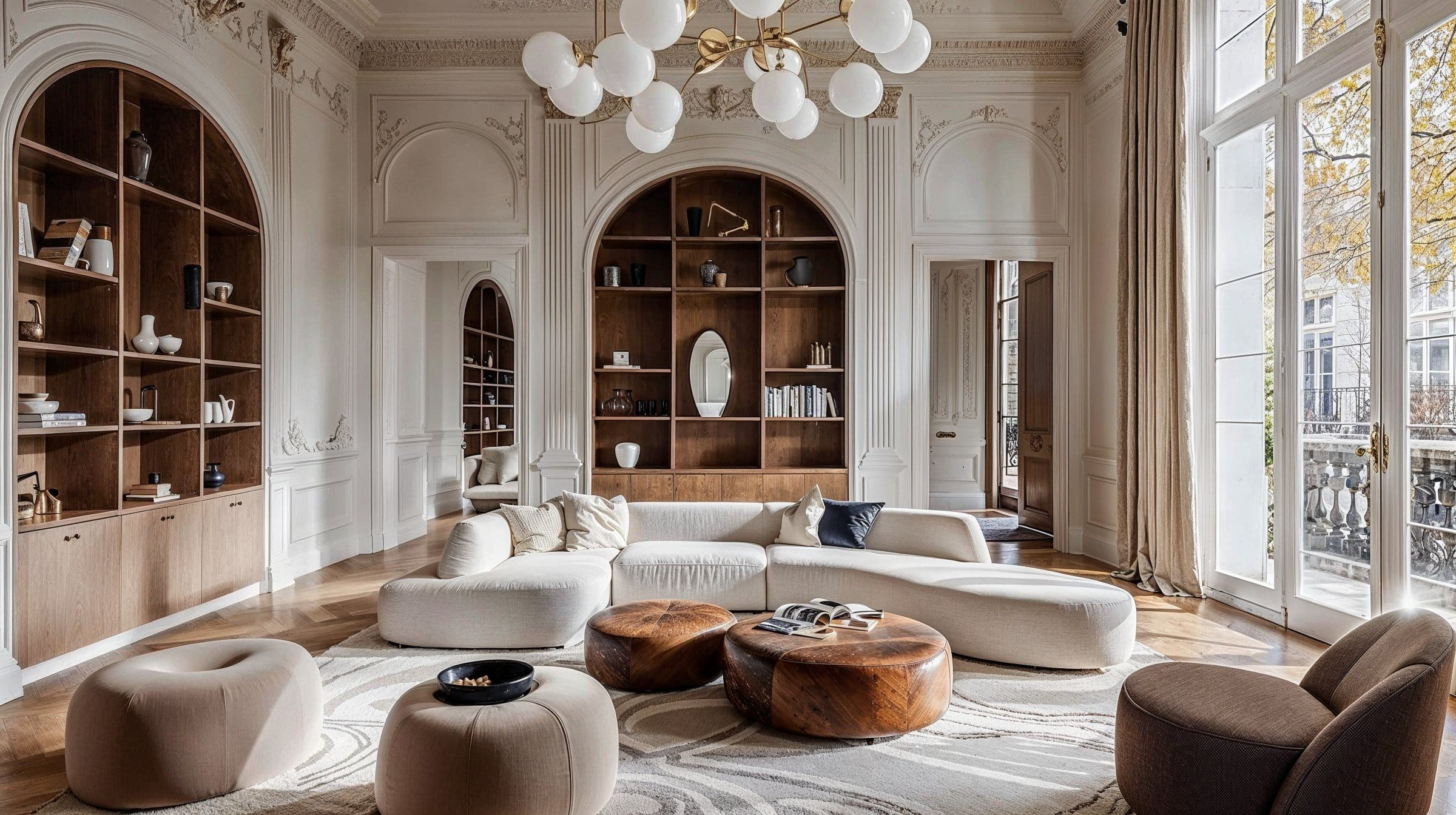
This transition is anchored by a sensory revolution in materials. High-gloss lacquers and cold chrome are being replaced by surfaces begging to be touched: bouclé with heavy, irregular loops, travertine with its raw, porous pits left unsealed, and deeply brushed oaks that show the natural chatter marks of the sawmill. These materials do not hide the passage of time; they celebrate it. A scratch on a matte-finished hardwood floor ceases to be a tragedy and becomes part of the patina. Designing for authentic living means acknowledging that a home is an active organism, not a static monument.
Decoding the 2026 Color Psychology: Moving Beyond Greige Into Grounding Earth Tones
The reign of gray and sterile white is finally over. For over a decade, neutral color schemes promised timelessness but delivered a chilling uniformity that left many interiors feeling like corporate lobbies. As we navigate a hyper-digital world dominated by screens, blue-light fatigue, and constant connectivity, our homes are tasked with providing the ultimate antidote: visual silence. This is achieved through a deliberate embrace of rich, grounding earth tones that mirror the natural world.
The palette defining contemporary interiors borrows directly from the soil, forest floor, and mineral deposits. Think of sun-baked terracotta, deep olive, complex ochre, mushroom taupe, and moody forest greens that shift hue as the sun moves across the room. These shades work because they are psychologically restorative. They trigger biophilic responses, convincing our primitive brains that we are sheltered within a safe, natural landscape rather than a drywall box.
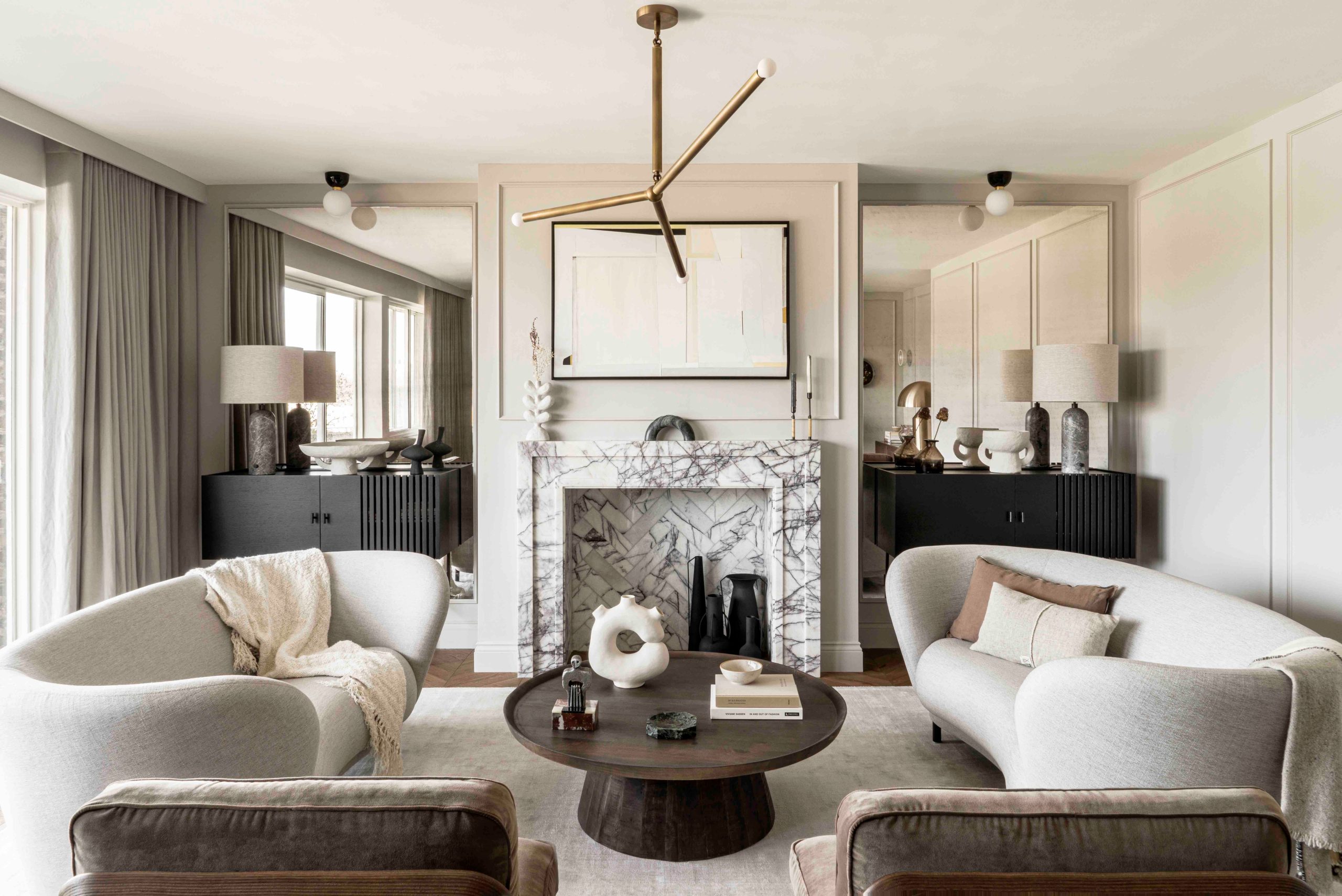
Applying these rich tones requires an understanding of light and scale. Dark, saturated colors do not shrink a room; instead, they blur the corners, creating an intimate, cocooning effect that lighter colors can never replicate. The secret lies in tonal layering. Rather than painting every wall a stark, uniform shade of clay, modern spaces utilize monochromatic variations—pairing a chalky clay wall with a slightly richer terracotta trim, accented by deep umber upholstery. This creates depth, shadow, and a sense of architectural maturity that elevates even the most basic builder-grade apartment into a soulful refuge.
The Strategic Blueprint: Implementing the 9 Essential Decor Rules Room by Room
Translating design theory into physical reality requires a methodical, room-by-room framework. Moving haphazardly through a home renovation often results in stylistic whiplash, where the living room feels like a rustic cabin and the primary bedroom mimics a minimalist Japanese ryokan. By adhering strictly to these nine foundational home decor practices, you establish a cohesive thread that binds every square foot of your living space together.
- Rule 1 (Prioritize Sensory Tactility): Ensure every room contains at least three contrasting textures—such as rough stone, soft wool, and smooth ceramic—to engage the physical senses beyond mere sight.
- Rule 2 (Layer Ambient Lighting): Banish harsh overhead ceiling fixtures in favor of a minimum of three distinct light sources per room, utilizing warm bulbs between 2400K and 2700K.
- Rule 3 (Anchor with Grounding Palettes): Replace stark whites and grays with complex earth tones, utilizing colors derived from clay, moss, stone, and unrefined wood.
- Rule 4 (Design for Daily Flow): Arrange furniture to clear natural pathways, ensuring that human movement through the room is never restricted by oversized statement pieces.
- Rule 5 (Curate Meaningful Collections): Display objects gathered from travel, local artisans, or family heritage instead of mass-produced decor items purchased purely to fill empty wall space.
- Rule 6 (Integrate Living Biophilia): Position houseplants, floral branches, or botanical elements in every functional zone to bridge the gap between indoor architecture and nature.
- Rule 7 (Invest in Invisible Storage): Keep horizontal surfaces clear by integrating hidden cabinetry, woven baskets, and multi-functional furniture that swallows daily clutter.
- Rule 8 (Embrace Asymmetry and Imperfection): Avoid rigid matching furniture sets; instead, mix vintage finds with modern pieces, styling vignettes using odd-numbered groupings.
- Rule 9 (Prioritise Quality Bedding and Soft Goods): Upgrade textiles—such as heavyweight linen sheets, dense wool throws, and supportive cushions—to directly elevate tactile comfort.
Navigating Common Interior Design Pitfalls and Finding Proven Workarounds
Even with the best intentions, it is remarkably easy to fall into stylistic traps when refreshing a home. The excitement of a new design phase often leads to impulsive purchases, scale blindness, and the dreaded "catalog copy-paste" effect where a room looks like a page torn straight out of a mass-market retailer’s advertising insert. Recognizing these common pitfalls allows you to course-correct before wasting time and financial resources on updates that you will regret by next season.
One of the most persistent traps is scale mismatch—specifically, floating furniture in the middle of a room without a sufficiently large area rug to anchor it. A tiny rug that only sits under the coffee table makes the entire seating arrangement look untethered and accidental. The practitioner workaround is simple: ensure your living room rug is large enough for the front legs of all primary seating furniture to rest comfortably upon it, creating a unified architectural island.
Another frequent misstep is relying on a single, blazing overhead light source to illuminate an entire evening. Overhead lights flatten the room, cast harsh downward shadows, and kill any sense of intimacy. The solution is the "triangle of light" methodology, where table lamps, floor lamps, and picture lights are placed at varying heights throughout the room. This casts a warm, multidimensional glow that flatters both the architecture and the inhabitants.
- Pitfall 1 (The Catalog Copy-Paste Trap): Buying an entire matching furniture set from a single showroom page, resulting in a sterile, personality-free environment. Workaround: Mix eras by combining one mid-century vintage piece, one modern anchor, and one handmade artisan accessory in every room.
- Pitfall 2 (Harsh Overhead Lighting): Depending solely on central ceiling fixtures or recessed LED cans. Workaround: Cap overhead lights with dimmers and introduce low-level floor lamps, wall sconces, and rechargeable table lamps.
- Pitfall 3 (Floating Rug Syndrome): Using a postage-stamp-sized rug that makes the furniture look unanchored and the room feel disjointed. Workaround: Scale up; ensure at least the front legs of all sofas and armchairs sit firmly on the textile surface.
- Pitfall 4 (Surface Clutter Accumulation): Letting everyday items pile up on sideboards and coffee tables because storage options are lacking. Workaround: Implement drop-zones in entryways and heavy lidded storage baskets within arms reach of every primary seating zone.
- Pitfall 5 (Ignoring Scale and Proportion): Hanging artwork too high or choosing art pieces that are too small for large, expansive blank walls. Workaround: Center gallery wall centerpieces at eye level (roughly 57 to 60 inches from the floor) and choose oversized art that commands the wall space.
The Broader Impact: Sustainability, Economic Value, and Mindful Consumption
Interior decorating is frequently dismissed as a superficial, purely aesthetic pursuit. However, the decisions we make inside our homes carry profound economic, ecological, and psychological repercussions. The cultural pivot toward authenticity and longevity is not just an aesthetic trend; it is a direct response to the ecological toll of fast furniture—those cheap, particle-board items designed to disintegrate after a couple of moves and end up in municipal landfills.
Investing in durable, repairable home goods fundamentally shifts your relationship with consumption. Choosing a solid walnut dining table over a veneer alternative means purchasing a piece that can be sanded, re-oiled, and passed down through generations. Supporting independent ceramicists, weavers, and carpenters keeps traditional craftsmanship alive while infusing your living space with unique cultural energy that mass manufacturing can never replicate. This mindful approach to home decor proves that sustainability and luxury are no longer mutually exclusive; in fact, true luxury in contemporary design is defined by provenance and durability.
Furthermore, the economic case for intentional design is compelling. Homes styled with classic proportions, natural materials, and neutral-to-earthy palettes hold their market value significantly better than spaces hyper-styled around fleeting, hyper-specific internet aesthetics. When you design a room around how light enters the windows, how your body moves through the hallway, and how materials age over time, you stop chasing ephemeral micro-trends. You build a resilient domestic ecosystem that requires minimal updates, saving both financial capital and cognitive bandwidth year after year.
Actionable Frameworks for Bringing Your New Design Vision to Life
Transforming your living space does not require writing a blank check or knocking down structural walls. It requires discipline, editorial curation, and a willingness to subtract before you add. The most successful room makeovers always begin with a ruthless decluttering phase, stripping away everything that does not serve a functional purpose or spark genuine emotional resonance.
Once the slate is wiped clean, use a phased implementation approach. Start with the textiles—the sheets, throw blankets, and area rugs that dictate the softness of the interior envelope. Next, audit your lighting plan, replacing harsh daylight-balanced bulbs with warm, 2400K filament alternatives that instantly shift the mood of the house as dusk settles. Finally, introduce your statement furniture pieces and curated accent decor, ensuring that every item has earned its place through a combination of utility and beauty.
Remember that a home is never truly finished; it is a living canvas that evolves alongside your life stages, travels, and shifting priorities. By leaning into the 9 essential decor rules, you establish an unbreakable structural framework that prevents design fatigue. You are no longer reacting to what an algorithm tells you is stylish; you are actively crafting a sanctuary that honors your physical body, calms your mental state, and welcomes you home with open arms every single day.
The journey toward a deeply personal, functional, and soulful living space is ultimately an act of self-care. When you curate a home that honors tactile richness, natural light, and intentional design, you create a physical buffer against the relentless noise of the outside world. The coffee cup ring on the oak table and the indentation in the linen armchair stop being imperfections to hide; they become the quiet signatures of a life well-lived within walls that truly understand you.
As you look around your own rooms today, resist the urge to overhaul everything overnight. Pick one corner, upgrade its lighting, introduce a touch of organic texture, or clear away the visual noise that has drained your focus. By taking these small, deliberate steps, you reclaim your domestic landscape. Your home is ready to stop being a showroom and finally start being your life.