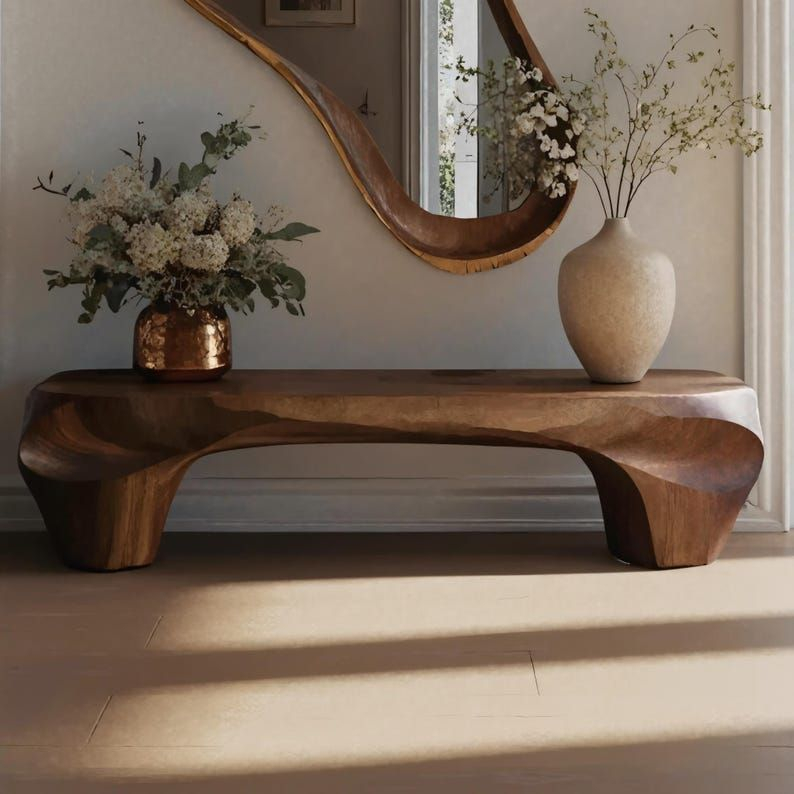
Have you ever run your hand across a wooden table and wondered how it stays together without a single metal screw? There is something magic about wood working that feels deeply human. Even as we live in a fast digital world in 2026, our spaces still crave warmth and honesty. We want things that last.
We often think old skills belong in dusty museums. Yet, ancient carpentry is making a quiet comeback right inside our living spaces. Designers and builders are looking back to move forward. They are using methods that masters perfected centuries ago to build rooms that feel both rooted and fresh.
The Secret Power of Interlocking Wood
Long before glue and steel nails became cheap and common, craftspeople had to rely on geometry. They cut shapes into the wood itself so pieces locked together like a puzzle. Think of the mortise and tenon joint. One piece has a protruding tongue, and the other has a matching hole. When fitted, they hold tight naturally.
This matters today because metal fastners can rust, loosen, or snap over time. Wood moves as the seasons change, expanding and shrinking with humidity. Traditional joints give a little bit instead of fighting the natural shift of the material. That flexibility is why antique cabinets still stand strong after hundreds of years.
Bringing Nature Indoors with Hidden Craft
Modern interior architecture loves clean lines and open spaces. But minimalist rooms can sometimes feel cold or sterile. Enter exposed timber framing and custom built-ins that show off classic joinery. When you see a dovetail joint on a kitchen drawer, you instantly know care went into making it.
Architects now use these old techniques to build room dividers, staircases, and wall panels. Instead of hiding every connection behind drywall or plastic trim, they celebrate the craftsmanship. It turns structural parts into artwork. You get a space that feels grounded and connected to the natural world.
Why Handcrafted Details Beat Mass Production
We are surrounded by flat-pack furniture that looks great on day one and falls apart by year three. People are growing tired of throwaway culture. Investing in custom woodwork built with true joinery changes how we live with our belongings. It shifts our mindset from consumption to preservation.
Makers who still practice these old methods talk about listening to the grain. Every tree grows differently, meaning every board has its own personality. A machine stamps out identical parts, but a human hand adapts the joint to fit the specific quirks of the timber. That personal touch is impossible to fake.
The Fusion of Smart Tech and Ancient Tools
You might assume old-school joinery is entirely stuck in the past, but 2026 tells a different story. Today’s workshops blend centuries-old knowledge with modern computer numerical control routers. Woodworkers use high-tech design software to map out complex cuts with extreme precision before picking up their hand chisels.
This mix allows builders to create intricate Japanese wood joints—which use zero glue or metal—faster and more accurately than ever before. Technology does not replace the craft here; it frees up time for the artisan to focus on the fine-tuning and the final fit. It is the best of both worlds.
Sustainable Design Through Timeless Building
Sustainability is no longer just a buzzword. It sits at the heart of how we design our homes. Traditional joinery supports eco-friendly living because it avoids toxic glues, resins, and hard-to-recycle metal brackets. If a piece of furniture ever needs repair, a skilled carpenter can take it apart and fix it rather than throwing it away.
Using local hardwoods and mechanical locks means materials stay pure and easy to repurpose decades down the road. Buildings designed with longevity in mind reduce waste. When we build things to last forever, we stop putting pressure on our forests and landfills.
You do not need to hire a master artisan to build a whole house from scratch to enjoy this trend. Simple touches make a massive difference. Look for floating shelves anchored with hidden timber pegs, or invest in a solid wood dining table featuring visible butterfly keys.
When shopping for interior elements, ask makers how their pieces are put together. Supporting local woodworkers who respect heritage methods keeps these vital skills alive. Even small details, like exposed joinery on a media console, add character and depth to an otherwise plain room.
At the end of the day, our homes should tell our stories and offer a safe harbor from the noise outside. Traditional joinery survives in modern architecture because it carries soul. It reminds us that patience, skill, and care still matter deeply.
When we choose furniture and architecture built to stand the test of time, we invest in more than just decor. We build a lasting connection to the history of human hands shaping the earth around them.