Ever walked into a tiny apartment and felt like the walls were closing in? It’s a common feeling. We’ve all been there, staring at a cramped corner, wondering if we’ll ever have enough room to stretch our legs. But here’s the secret: size isn’t everything. In fact, some of the most stylish homes I’ve seen are the smallest ones. They just know how to play the game differently.
Choosing furniture for a small space doesn’t mean you have to sacrifice your personality or comfort. It’s not about buying the cheapest, flimsiest stuff you can find. It’s about being smart. It’s about picking pieces that work harder, look lighter, and fit better. In 2026, the options are better than ever. Designers are finally catching on that most of us don’t live in mansions. So, let’s dive into how you can make your small room feel huge, without losing an ounce of style.
The Magic of Legs and Lightness
First things first. Let’s talk about visibility. When you’re dealing with limited square footage, what you can’t see matters just as much as what you can. Heavy, blocky furniture that sits flat on the floor tends to eat up visual space. It makes the room feel crowded, even if there’s technically room to walk around. The trick? Lift it up.
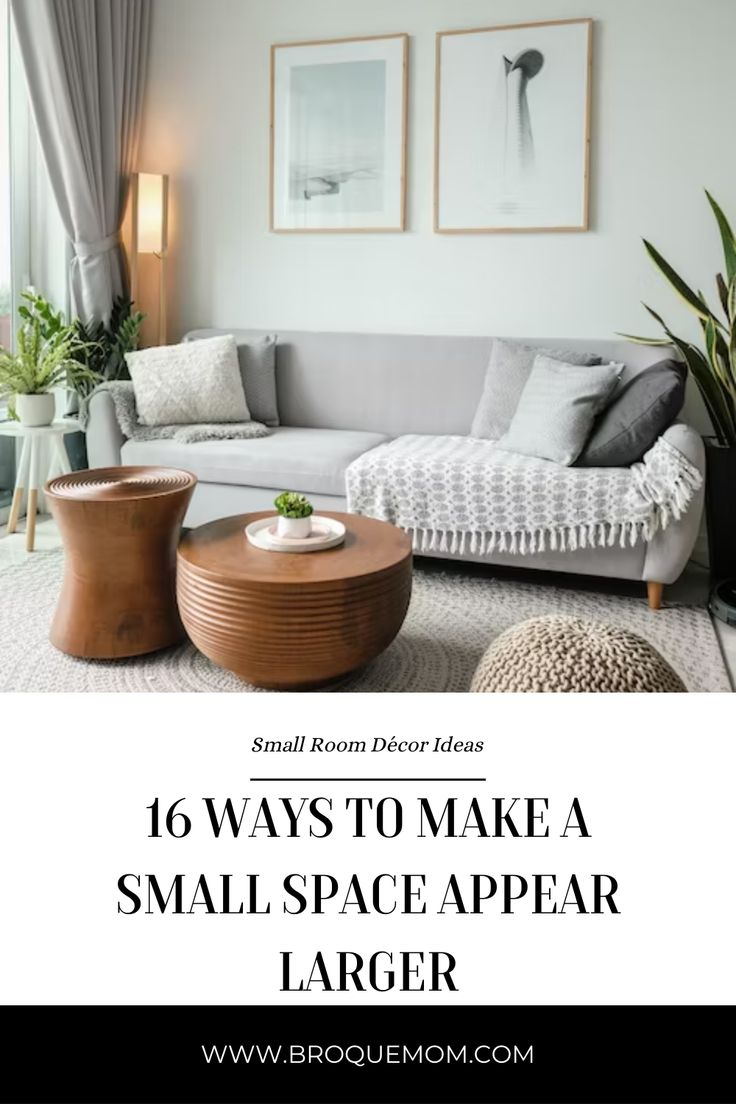
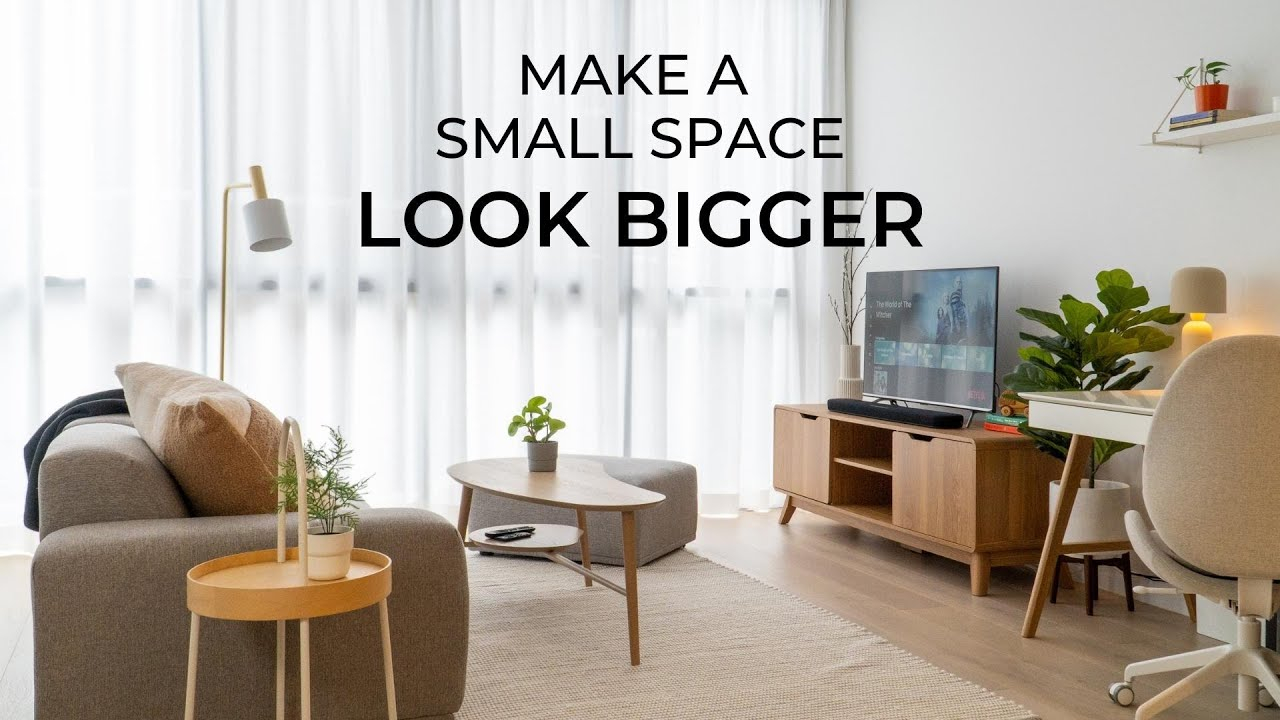
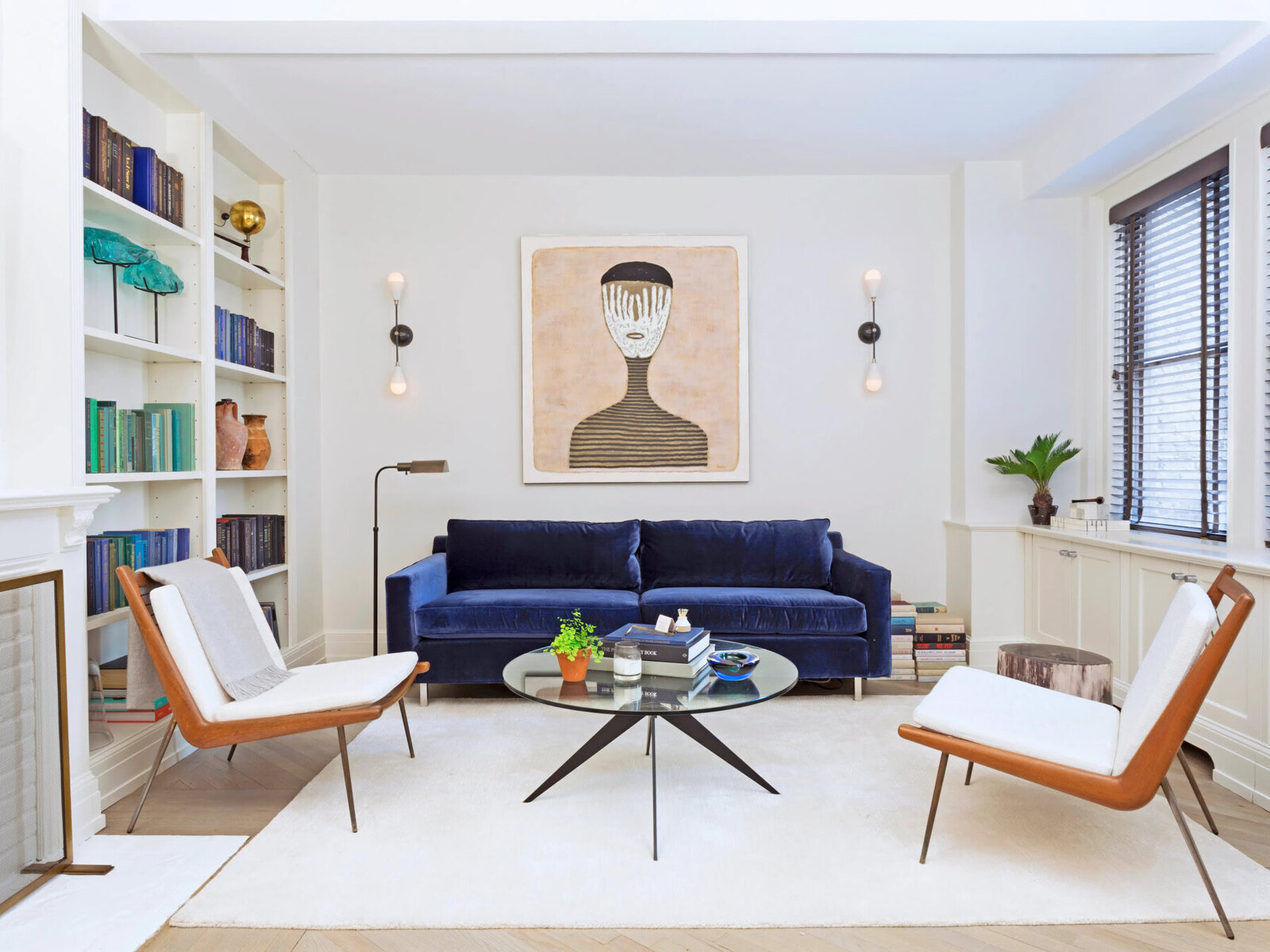
Look for sofas, chairs, and tables with exposed legs. Mid-century modern styles are great for this because they often feature tapered wooden legs that raise the seat off the ground. When you can see the floor continuing underneath your furniture, your brain tricks itself into thinking the room is larger. It creates a sense of airiness. A sofa that floats on slender legs feels significantly lighter than a bulky sectional that hugs the carpet.
This principle applies to almost every piece in the room. Side tables with open bases, consoles with thin metal frames, and even beds with raised platforms help maintain that flow. If you must have a solid base, try to keep it low to the ground. The goal is to keep the eye moving across the floor plane. Don’t block the view. Let the light travel. It’s a simple shift, but the impact is immediate. You’ll notice the room feels less like a storage unit and more like a living space.
Multi-Tasking Masters
In a small home, every item needs to earn its keep. There’s no room for single-purpose furniture that sits idle most of the time. This is where multi-functional pieces become your best friends. Think of them as the Swiss Army knives of interior design. They do double duty, saving you from clutter and freeing up precious floor space.
Consider a storage ottoman instead of a traditional coffee table. It gives you a surface for your drink, a place to rest your feet, and hidden storage for blankets or magazines. Or look at sleeper sofas that have evolved way beyond the uncomfortable metal bars of the past. Today’s models are sleek, comfortable, and genuinely stylish. They invite guests to stay over without turning your living room into a bedroom forever.
Another game-changer is the drop-leaf or extendable dining table. When it’s just you, it stays compact against the wall or in a corner. When friends come over for dinner, it expands to seat six. Wall-mounted desks are another fantastic option for those working from home. They fold away when the workday is done, reclaiming your living space. The key is to ask yourself: "What else can this do?" If the answer is "nothing," think twice before buying it. Versatility is luxury in a small space.
Scale and Proportion Matters
One of the biggest mistakes people make in small rooms is buying furniture that’s too small. It sounds counterintuitive, right? You’d think tiny room equals tiny furniture. But actually, a room filled with lots of little pieces looks cluttered and chaotic. It’s like a dollhouse. Instead, aim for fewer, larger statement pieces that fit the scale of the room properly.
A single, well-proportioned sofa is often better than a loveseat and two separate chairs. It creates a cleaner line and less visual noise. Just make sure it’s not so big that it blocks pathways. Measure your space carefully. Leave at least 18 to 24 inches of walking room around major pieces. This breathing room is essential for comfort and flow. If you squeeze a giant sectional into a tiny box, it will feel oppressive no matter how nice the fabric is.
Pay attention to the back height of your seating too. Low-back sofas and chairs are excellent for small spaces because they don’t block sightlines. They allow your eye to travel across the room to the windows or the far wall, which enhances the feeling of depth. High-back chairs can work, but use them sparingly. Maybe one accent chair with a higher back is fine, but don’t surround yourself with them. Keep the horizon line open. It helps the room feel expansive rather than enclosed.
Vertical Thinking
When you can’t go out, go up. Vertical space is often the most underutilized real estate in small apartments. By drawing the eye upward, you create a sense of height and grandeur, even if the ceiling is standard eight feet. Tall bookshelves, floor-to-ceiling curtains, and vertical art installations can make a room feel much taller than it is.
Invest in tall, narrow shelving units instead of wide, short ones. They take up less floor space but offer plenty of storage. Use them to display books, plants, or decorative items. But be careful not to overcrowd the shelves. Leave some negative space. Empty space on a shelf lets the eye rest and prevents the unit from looking like a junk drawer. Glass shelves are also a neat trick because they disappear visually, adding storage without adding bulk.
Don’t forget about wall-mounted solutions. Floating shelves, pegboards, and wall hooks keep things off the floor and surfaces clear. A desk that mounts to the wall feels less intrusive than one with four legs. Even lighting can play a role. Floor lamps that arc high over a seating area draw the gaze upward. Pendant lights hung from the ceiling add interest at eye level and above. By layering your design vertically, you maximize every inch without feeling cramped.
Color and Material Tricks
Color has power. It’s not just about aesthetics; it’s about perception. Light, neutral colors tend to recede, making walls feel further away. Dark colors advance, making them feel closer. This doesn’t mean you have to paint everything white. Boring! But using a cohesive, lighter palette for your large furniture pieces can help them blend into the background, making the room feel more open.
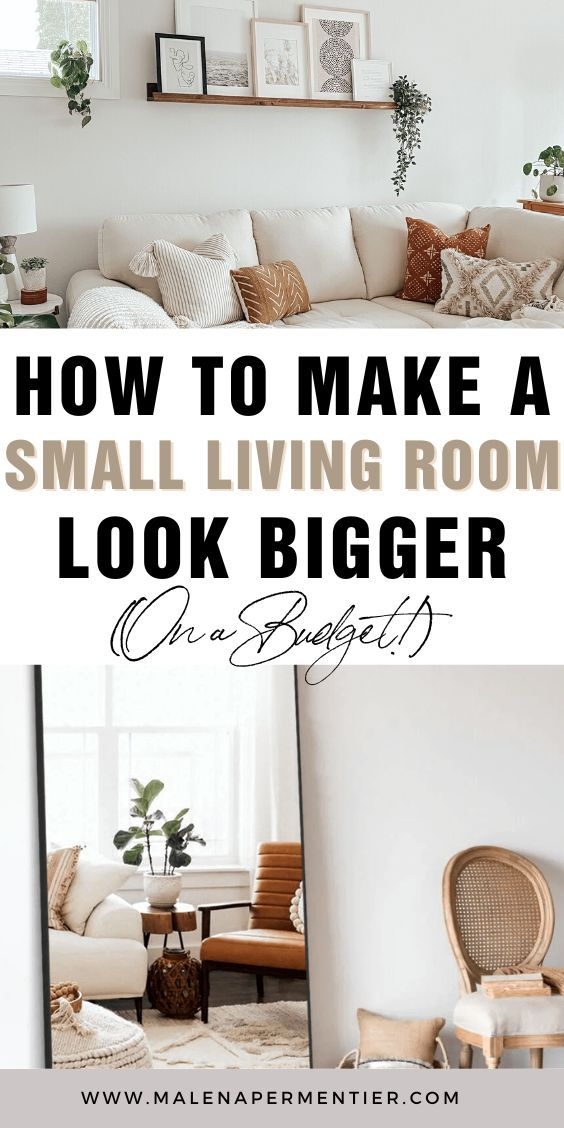
Try matching your sofa color to your wall color, or keeping them in the same tonal family. This reduces visual contrast and breaks up the space less. If you love bold colors, save them for smaller accents like pillows, rugs, or artwork. These pops of color add personality without overwhelming the room. Mirrors are another classic trick for a reason. They reflect light and space, effectively doubling the visual depth of a room. Place a large mirror opposite a window to bounce natural light around.
Materials matter too. Reflective surfaces like glass, acrylic, and polished metal feel lighter than heavy wood or stone. A glass-top coffee table is practically invisible, allowing the rug and floor to show through. Acrylic chairs, often called "ghost chairs," are perfect for dining areas because they don’t block views. Mix these transparent elements with warmer textures like wool, linen, or wood to keep the space from feeling cold or clinical. Balance is key. You want airy, but you also want cozy.
Finally, how you arrange your furniture is just as important as what you buy. Pushing everything against the walls is a common instinct, but it often creates a "dance floor" effect in the middle of the room that feels empty and awkward. Instead, try floating your furniture. Pull the sofa a few inches away from the wall. Create intimate conversation groups. This makes the room feel more purposeful and cozy.
Keep traffic patterns clear. You should be able to walk through the room without dodging obstacles. If you have to shimmy sideways to get to the kitchen, your layout isn’t working. Use rugs to define zones, especially in open-plan studios. A rug under the seating area anchors the space and separates it from the dining or sleeping area. This psychological division helps the brain process the room as having distinct functions, which reduces the feeling of chaos.
Don’t be afraid to edit. In a small space, less is definitely more. If a piece doesn’t serve a function or bring you joy, let it go. Clutter is the enemy of spaciousness. Keep surfaces relatively clear. Use baskets and bins to hide the daily mess. A tidy room always feels bigger than a messy one, no matter the size. Regularly assess your layout. Does it still work for your life? If not, move things around. Flexibility is the ultimate luxury in small-space living.
So, there you have it. Making a small room feel big isn’t about magic. It’s about making intentional choices. It’s about choosing furniture with legs, demanding versatility, respecting scale, looking up, playing with light and color, and arranging with care. You don’t need a massive budget or a huge house to have a stylish, comfortable home. You just need to think a bit differently. Start with one change. Maybe swap out that heavy coffee table for something lighter. Or add a mirror. See how it feels. Small steps lead to big changes. And honestly? There’s something kind of wonderful about mastering a small space. It feels like a victory.