Have you looked around lately and felt like everything was starting to look like the inside of a spaceship. For years, we were trapped in a loop of sterile white walls, hidden handles, and screens so smooth they felt totally lifeless. It was the age of clinical minimalism, and frankly, it left us feeling a bit numb.
But things are shifting quickly here in 2026. A quiet revolution is happening right under our fingertips, and designers everywhere are finally breaking up with the cold, hyper-polished look. Instead, they are turning toward something much more exciting: raw, honest, and rich textural authenticity.
The Backlash Against Digital Smoothness
We spend hours every single day staring at glass screens and interacting with algorithms. It makes sense that we are starting to feel a bit starved for real sensory experiences. For a long time, tech companies and brands pushed for absolute perfection, smoothing out every single bump and wrinkle in our visual world. But this year, people are pushed to their limits with that flat aesthetic.
It turns out that humans don’t actually want to live in a rendering. We want to touch things that feel real! That is exactly why we are seeing a huge boom in tactile design. Even digital interfaces are trying to copy the physical world now, using liquid glass styles and deep gradients to give our eyes something to grip onto. We want depth, not just a flat surface.
Bringing the Outside World Indoors
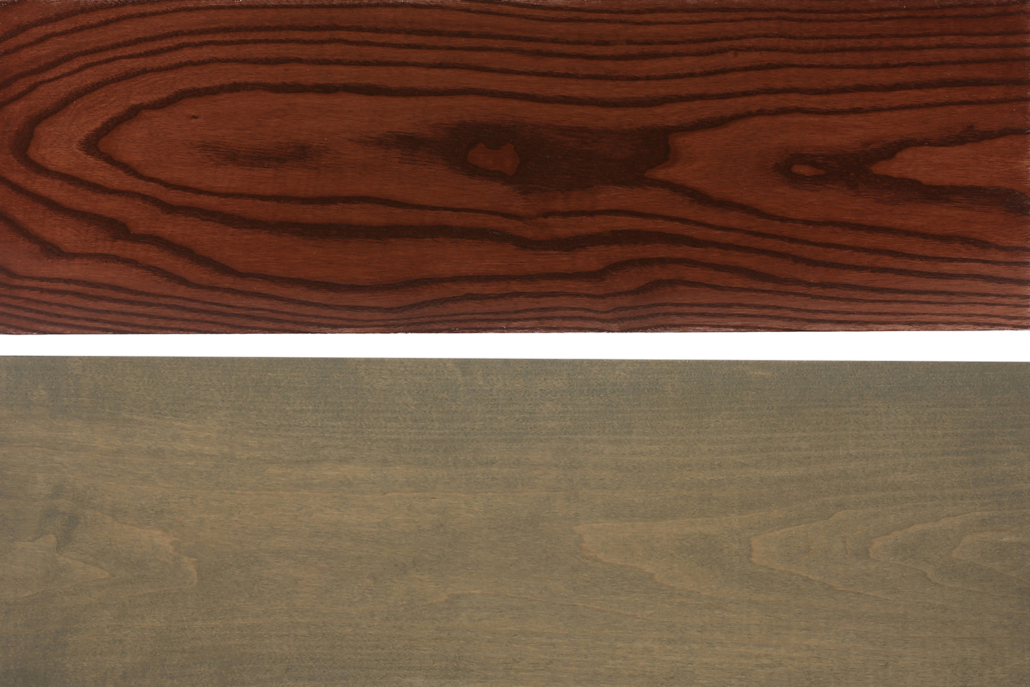
In the world of interior spaces, this shift is changing everything. The days of the gray, lifeless couch sitting in an empty, sterile room are officially over. Designers are now obsessed with materials that tell a story the second you look at them. We are talking about hand-troweled plaster walls, rough clay finishes, and reclaimed wood where you can literally see and feel the natural grain.
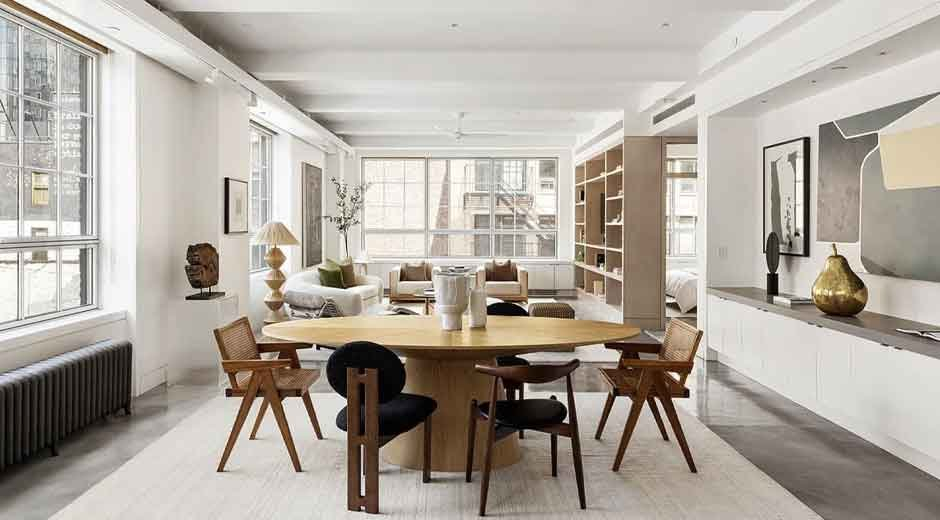
It is all about layering these different elements to create a space that feels warm and cozy rather than intimidating. Think about walking into a room and seeing a bumpy bouclé chair paired with a rough stone table and a soft wool rug. It feels alive. This trend, which many call tactile minimalism, keeps the clutter away but brings the soul back in.
Celebrating the Beauty of Human Mistakes
Another huge part of this movement in 2026 is what experts call being imperfect by design. Thanks to the rise of AI-generated images that look perfectly polished, creators are intentionally leaning into human error. Hand-drawn doodles, weird proportions, and wobbly lines are showing up everywhere from fancy product packaging to website layouts.
These little flaws are not mistakes; they are the whole point. When you see a ceramic bowl with an uneven glaze or a logo that looks like it was sketched in a notebook, your brain instantly recognizes it as human. It builds a sense of trust and warmth that a perfect machine-made object just cannot copy. We are choosing progress over polish, and it feels incredibly liberating.
You cannot talk about texture without talking about color, because the two are totally stuck together. The cold grays and stark whites of the past decade are being replaced by deeply natural palettes. Designers are embracing rich terracotas, deep moss greens, chocolate browns, and warm sandy tones. These are colors that feel