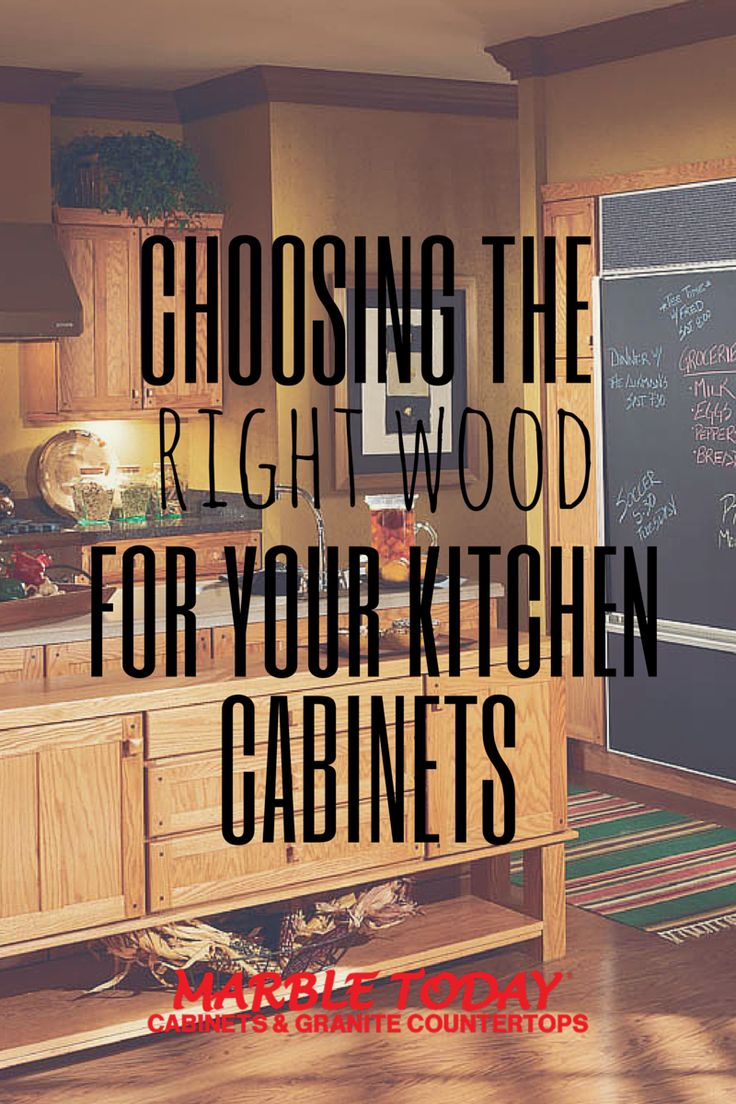
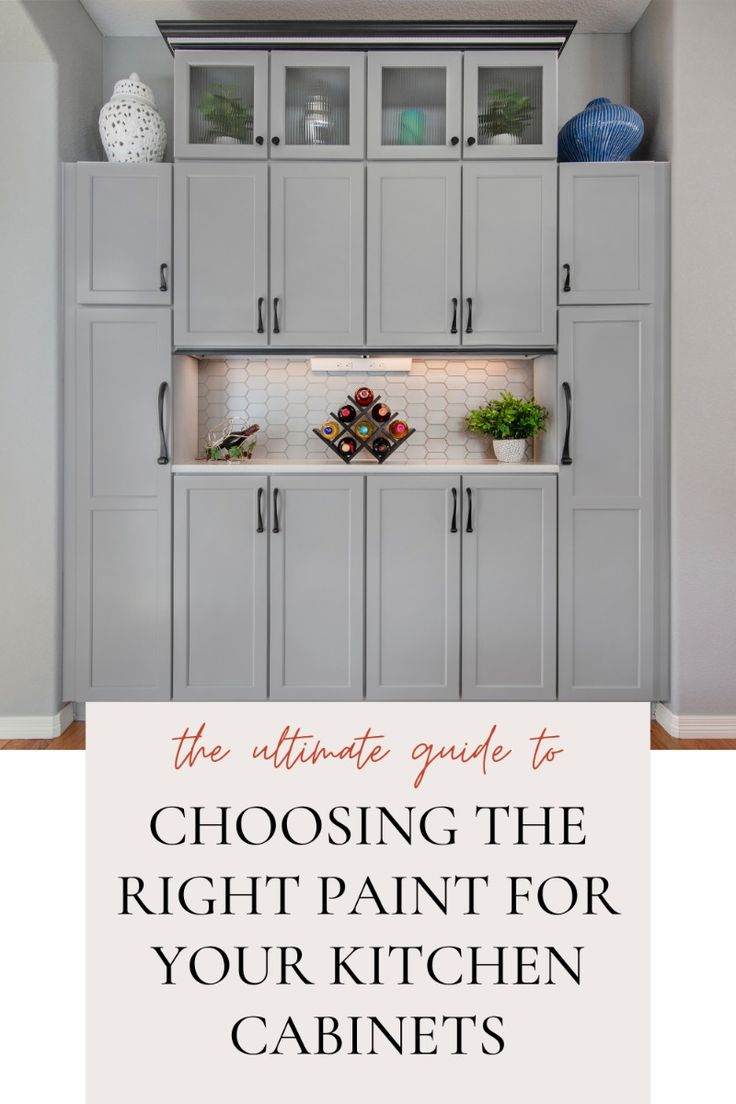
We have all been there. You look at a gorgeous picture of a pristine, modern kitchen and think, yes, that is exactly what I want. The sleek lines, the sparkling countertops, the tiny little cubbies. It looks like absolute heaven. But then reality hits hard. You actually move into the space, try to cook a Sunday roast, and realize you have absolutely nowhere to put your giant air fryer or that stack of mismatched plastic containers.
It turns out that planning where your stuff goes is the hardest part of a remodel. In 2026, we are using more small appliances and gadgets than ever before, yet our kitchens often feel more cramped. Why does this happen? Because we tend to design for looks rather than how we actually live. Let’s dive into the messy truth about kitchen storage and how you can save yourself a lot of heartbreak.
Forgetting to Measure Your Actual Stuff
Most people start their kitchen journey by picking out pretty cabinet doors. That is a massive trap. Instead, you need to grab a tape measure and look inside your current cupboards. Seriously, go measure your tallest cereal box and that massive slow cooker you use twice a year.
A common blunder is assuming standard shelves will fit your life. They won’t! If you don’t measure, you end up with dead space at the top of shelves, or worse, doors that won’t shut because your dinner plates are too wide. Group your items by height before ordering any cabinets. It sounds tedious, but it saves you from having to store your blender in the hallway closet.
The Deep Dark Abyss of Base Cabinets
Standard lower cabinets with regular doors are where plastic lids go to die. You know the drill: you need a specific frying pan, so you have to get down on your hands and knees, practically crawling into the cabinet with a flashlight. It is bad for your back and bad for your sanity.
The fix here is simple but life-changing: drawrs. Deep drawers on the bottom of your kitchen are superior in every single way. When you pull a drawer out, you can see everything from a bird’s-eye view. No bending, no digging, and no losing things in the dark corners. If you are stuck with old cabinets, look into retrofitting them with pull-out wire baskets to get a similar effect.
Ignoring the Power of the "Work Triangle
You might have heard designers talk about the classic work triangle—the distance between your sink, fridge, and stove. But people still mess this up by putting their storage in the completely wrong spot.
Imagine having to walk across the entire room just to grab salt while something is burning on the stove. Or putting your everyday glassware miles away from the dishwasher. When planning, think about zones. Store your pots right next to the oven. Put your mugs and coffee pods directly above the coffee maker. It creates a smooth flow that makes cooking feel less like a marathon and more like a breeze.
Leaving the Corners to Waste Away
Corner spaces are notorious for being poorly utilized. Many people just put a standard shelf in the corner, which creates a deep, unreachable cavern. Things get pushed back there and are never seen again until you move houses.
Thankfully, design has come a long way by 2026. You do not have to settle for a basic lazy Susan that drops items off the edge. Look into modern pull-out mechanisms, often called "blind corner optimizers" or "magic corners." These clever racks glide entirely out of the cabinet, bringing your heavy mixers and roasting pans right to you. They cost a bit more, but the saved storage space is worth every penny.
Giving Up Precious Vertical Real Estate
Look up at your current kitchen. Is there a dusty gap between the top of your cabinets and the ceiling. If so, that is a huge missed opportunity, especially in smaller homes where every inch counts.
Run your cabinets all the way to the ceiling! Even if you can’t reach the very top shelves without a step stool, that space is perfect for seasonal items. Think holiday platters, cookie cutters, or extra paper towels. It also creates a much cleaner visual line, making your ceiling look higher than it actually is. Plus, you never have to dust the tops of your cupboards again.
It is incredibly easy to get sucked into buying dozens of plastic bins, spice turn-tables, and custom knife inserts. We see them in organizing videos and think they will solve all our problems. But sometimes, too many organizers actually restrict your flexibility.
What happens when you buy a new brand of spices that doesn’t fit into your custom tiny slots. You are stuck. Instead of hyper-specific inserts, focus on adjustable shelving and wide, open drawers. Use simple, moveable dividers that can adapt as your cooking habits change over the next few years. Flexibility is the real secret to a kitchen that stays organized over time.
At the end of the day, a great kitchen isn’t the one that looks like a museum. It is the one that works effortlessly for you and your family. By avoiding these common blind spots—like ignoring your vertical space or skipping drawers—you can build a room that feels spacious and joyful. Take your time during the planning phase, think about how you move when you cook, and don’t be afraid to prioritize function over a trendy magazine look. Your future self will thank you every time you make breakfast.