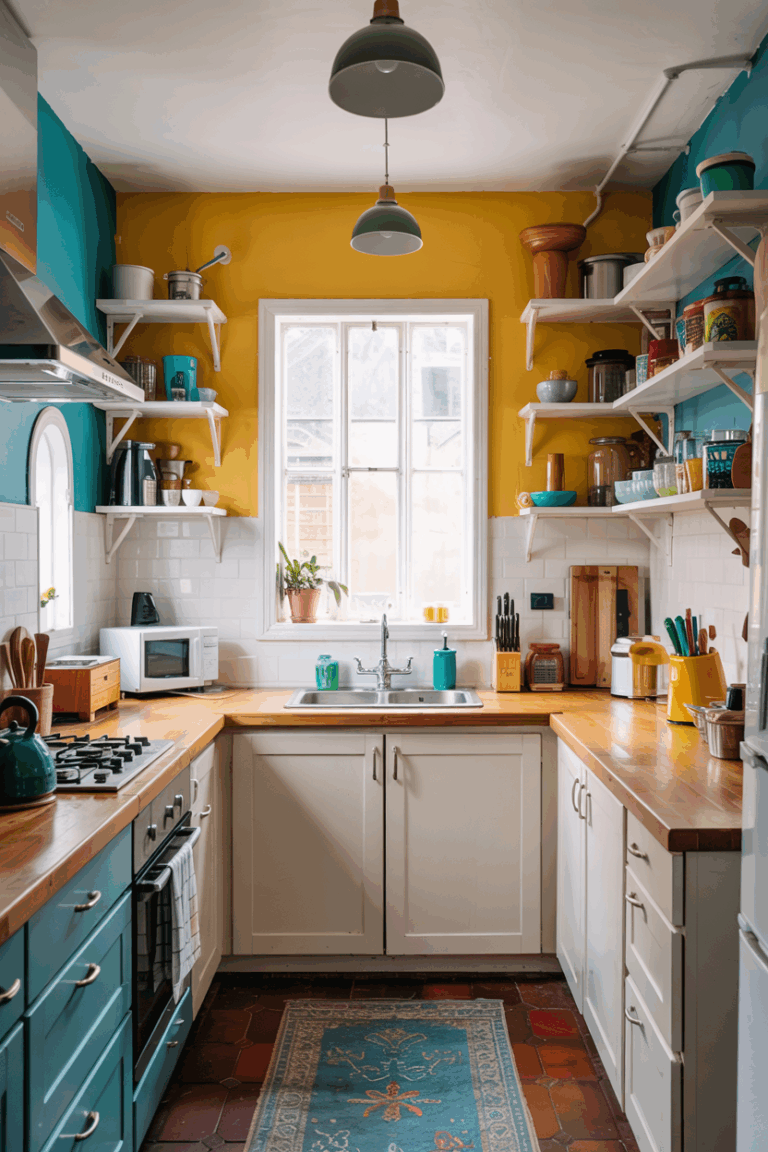
Ever open a cabinet door and feel a wave of dread instead of relief? You’re not alone. We’ve all been there, staring into the abyss of mismatched Tupperware or that one shelf where things go to die. It’s frustrating. It makes cooking feel like a chore rather than a joy. But here’s the thing: it doesn’t have to be this way. The secret isn’t buying more bins or spending a fortune on a total remodel. It’s about understanding how you actually use your space, not how it looks in a magazine.
In 2026, the approach to kitchen design has shifted dramatically. We aren’t just looking for pretty anymore. We want function. We want sanity. Designers are finally listening to what families have been saying for years: we need systems that can handle the chaos of Tuesday night dinners, not just Sunday brunches. By focusing on workflow and real-life habits, we can transform even the clunkiest kitchens into spaces that work for us. Let’s dive into the practical, no-nonsense storage solutions that are changing the game.
Stop Fighting Your Drawers and Start Using Them Right
Let’s talk about drawers. For years, we treated them like deep, dark caves where we tossed everything from ladles to loose batteries. But modern designers know that drawers are actually the most efficient storage unit in your kitchen—if you set them up correctly. The key is vertical organization. Instead of stacking plates on top of each other, which makes retrieving the bottom one a risky Jenga game, use dividers to store them vertically. It sounds simple, but it changes everything. You can see every plate. You can grab exactly what you need without moving three others out of the way.
Same goes for pots and pans. If you have deep drawers, install peg systems or heavy-duty dividers. This keeps your cast iron skillets from sliding around and banging into each other every time you open the drawer. It’s quieter, safer, and honestly, it feels luxurious to pull out a pan without an avalanche of lids following it. In 2026, we’re seeing a huge trend toward "zone-based" drawer interiors. Keep your baking sheets near the oven, your mixing bowls near the prep area, and your serving platters near the dining zone. It’s about reducing the steps you take, not just hiding the clutter.
Don’t forget the shallow drawers, either. Those top-level drawers are prime real estate for utensils, but only if you measure them first. Most generic trays leave awkward gaps where spatulas fall through or get stuck. Custom-fit inserts or adjustable modular systems ensure every inch is used. And please, for the love of good cooking, keep the junk drawer contained. Use a small tray inside it to corral the tape, scissors, and batteries so they don’t take over the whole space. A little structure goes a long way in keeping the chaos at bay.
The Vertical Wall Space You’re Probably Ignoring
We often focus so much on cabinets that we forget the walls. But vertical space is your best friend, especially in smaller kitchens. Think about it: if you can’t go out, go up. Installing open shelving or rail systems on empty wall sections can free up precious counter space. In 2026, we’re seeing a move away from cluttered countertops toward "landing zones" that are clear and functional. By moving frequently used items like spices, oils, and everyday mugs to wall-mounted racks, you keep them accessible but off the work surface.
Magnetic strips aren’t just for knives anymore. Designers are recommending magnetic bars for spice tins, measuring spoons, and even small scissors. It’s a sleek, modern look that keeps metal tools visible and within arm’s reach. Plus, it adds a bit of industrial chic to the room. If you’re not into magnets, consider pegboards. They’ve made a huge comeback, and for good reason. You can customize the hooks and shelves to fit your specific gear. Hang your colanders, whisks, or even small cutting boards. It turns your tools into decor, which is a nice bonus.
Another trick is using the inside of cabinet doors. It’s wasted space in most homes. Add slim racks to the inside of pantry doors for storing foil, plastic wrap, or cleaning supplies. You can also mount small baskets for herbs or snack packets. This is particularly useful for families with kids, as it keeps lighter items at their eye level and out of the way of heavier cookware. It’s a small change, but it adds surprising amounts of storage without requiring any construction. Just make sure the hinges can handle the extra weight, and you’re golden.
Pantry Systems That Don’t Require a Walk-In Closet
Not everyone has a sprawling walk-in pantry. In fact, most of us are working with a narrow cupboard or a few awkward shelves. But that doesn’t mean you can’t have a high-functioning food storage system. The secret is visibility. If you can’t see it, you won’t eat it. Clear, uniform containers are still the gold standard, but in 2026, the focus is on labeling and accessibility. Use chalkboard labels or sleek printed tags so you know exactly what’s in each bin. No more guessing if that’s quinoa or rice until you pour it out.
Pull-out shelves are a game-changer for deep pantries. Instead of digging through the back to find that can of tomatoes, you simply pull the shelf out like a drawer. Everything is exposed. Nothing gets lost in the shadows. If you’re renting or can’t install hardware, try tiered shelf risers. These allow you to stack cans and jars in steps, so you can see the labels of the items in the back row. It’s a cheap fix that makes a massive difference in daily usability.
Also, think about zoning your pantry by category, not just by type. Keep breakfast items together, baking supplies in another spot, and snacks in a designated bin. This helps family members know where things go, which reduces the "I couldn’t find it" complaints. For spices, consider a rotating carousel or a pull-out rack next to the stove. Having your seasonings within arm’s reach while you cook encourages you to experiment with flavors, rather than sticking to salt and pepper because the cumin is buried in the back of a high cabinet.
The Truth About Corner Cabinets and Awkward Nooks
Corner cabinets are notoriously difficult. They’re often deep, dark, and hard to reach. We’ve all shoved things in there and forgotten they existed. But designers have some clever solutions for these tricky spots. Lazy Susans are making a comeback, but not the flimsy plastic ones from the 90s. Modern versions are sturdy, full-height units that rotate smoothly, bringing items from the back to the front with a simple spin. They’re perfect for storing bulky items like mixers, large pots, or bundles of paper towels.
If a rotating shelf isn’t your style, consider blind corner pull-outs. These are specialized hardware pieces that slide out diagonally, bringing the contents of the corner into the open. They’re more expensive than a simple shelf, but they utilize 100% of the space. For those on a budget, simply using the corner for infrequently used items is a valid strategy. Store your holiday platters or specialty appliances there. Just make sure to label the boxes clearly so you don’t have to unpack everything to find your turkey roaster in November.
Don’t ignore the space above the fridge or between cabinets and the ceiling, either. These nooks are perfect for storing items you rarely need, like extra stockpiles of paper goods or seasonal decor. Use uniform bins to keep it looking tidy. The goal is to make these awkward spaces intentional, not accidental dumping grounds. When every inch has a purpose, the whole kitchen feels more organized and less stressful. It’s about working with the architecture you have, not fighting against it.
Hidden Hacks for Small Appliances and Clutter Magnets
Let’s be honest: our countertops are often covered in appliances we use once a month. The toaster, the blender, the air fryer—they take up valuable prep space. In 2026, the trend is toward "appliance garages" or dedicated cabinet zones with power outlets inside. This allows you to keep your coffee maker or toaster plugged in and ready to go, but hidden behind a door when not in use. It keeps the visual noise down and gives you more room to chop veggies or roll out dough.
If you can’t build a custom garage, create a "station" in a lower cabinet. Measure your appliances and arrange them so they fit snugly side-by-side. Use risers to stack smaller items like hand mixers or immersion blenders. The key is to keep them grouped together so you’re not hunting through multiple cabinets. Some designers even recommend installing a sliding door on a section of lower cabinetry specifically for these items. It’s easier to access than a hinged door and feels very modern.
Another major clutter magnet is mail and keys. If your kitchen is the hub of the house, you need a drop zone. But it shouldn’t be on the counter. Install a small wall-mounted organizer or a dedicated drawer with dividers near the entry point to the kitchen. This keeps the paperwork and random junk out of sight but still accessible. It prevents the dreaded "kitchen counter creep" where bills and flyers slowly take over your eating space. A place for everything means peace of mind for everyone.
Storage solutions are only as good as the habits that support them. You can have the most beautiful, custom-built kitchen in the world, but if you don’t put things back, it will become a mess again. The trick is to make putting things away easier than leaving them out. This means storing items close to where they are used. Keep pots near the stove, glasses near the sink or fridge, and cutting boards near the prep area. Reduce the friction of cleanup, and you’re more likely to do it.
Involve the whole family in the system. If your kids can’t reach the snacks, they’ll ask you for them. If they can’t see their bowls, they’ll leave them on the table. Create zones that are accessible to everyone. Use clear bins for kid-friendly snacks at their eye level. Label shelves with pictures for younger children who can’t read yet. When everyone knows where things belong, the burden of organizing doesn’t fall on just one person. It becomes a shared responsibility, which lightens the load significantly.
Finally, give yourself permission to edit. Kitchens change as our lives change. Maybe you stopped baking sourdough during the pandemic and now you have ten unused loaf pans. Donate them. Maybe you started drinking more tea and need more mug space. Adjust your storage to fit your current reality, not your past hobbies. Regularly assess what’s working and what’s not. If a solution isn’t helping, change it. The best kitchen is one that evolves with you, staying functional and welcoming year after year.
So, where do you start? Pick one spot. Just one. Maybe it’s that junk drawer or the spice cabinet. Apply one of these principles. See how it feels. Notice the small sigh of relief when you can find what you need without digging. That’s the goal. It’s not about perfection. It’s about creating a space that supports your life, makes cooking easier, and lets you enjoy the heart of your home. You’ve got this. And remember, a little bit of order goes a long way in creating a lot of calm.