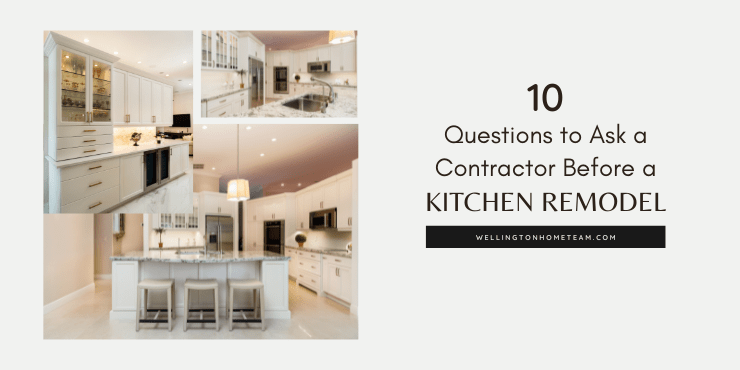
When you decide to remodel your kitchen or bathroom, it is incredibly easy to get swept up in the visuals. You find yourself staring at paint swatches, scrolling through endless streams of social media design boards, and daydreaming about beautiful quartz countertops. The cabinets are the literal backbone of the room, consuming a massive chunk of your budget. Yet, most of us just focus on the door style and the outer color.
But what happens after the installer pack up their tools and leaves. A few months down the road, you might notice a sag in a heavy drawer, or a door that doesn’t quite close straight anymore. It turns out that the secret to cabinets that last for decades lies in the nitty-gritty details that happen behind closed shop doors. Let’s look at the critical, forgotten questions that will save you a massive headache later on.
What is the Core Material of the Cabinet Box?
A lot of homeowners just assume that "custom cabinetry" means everything is made out of solid hardwood. In reality, the boxes—the actual structure of your cupboards—are almost always made from engineered wood product like plywood, particleboard, or medium-density fiberboard (MDF). There is nothing wrong with this, but you absolutely need to know exactly what grade they are using. High-density plywood holds screws incredibly well and resists moisture, while cheap particleboard can swell and crumble if your kitchen sink leaks even a tiny bit.
Ask your builder about their material choices, especially for wet zones like the sink base and the bathroom vanity. You want to make sure they are using top-tier moisture-resistant materials. It is your hard-earned cash on the line, so don’t feel awkward asking them to explain the differences.
How Exactly are the Drawers Built and Joined?
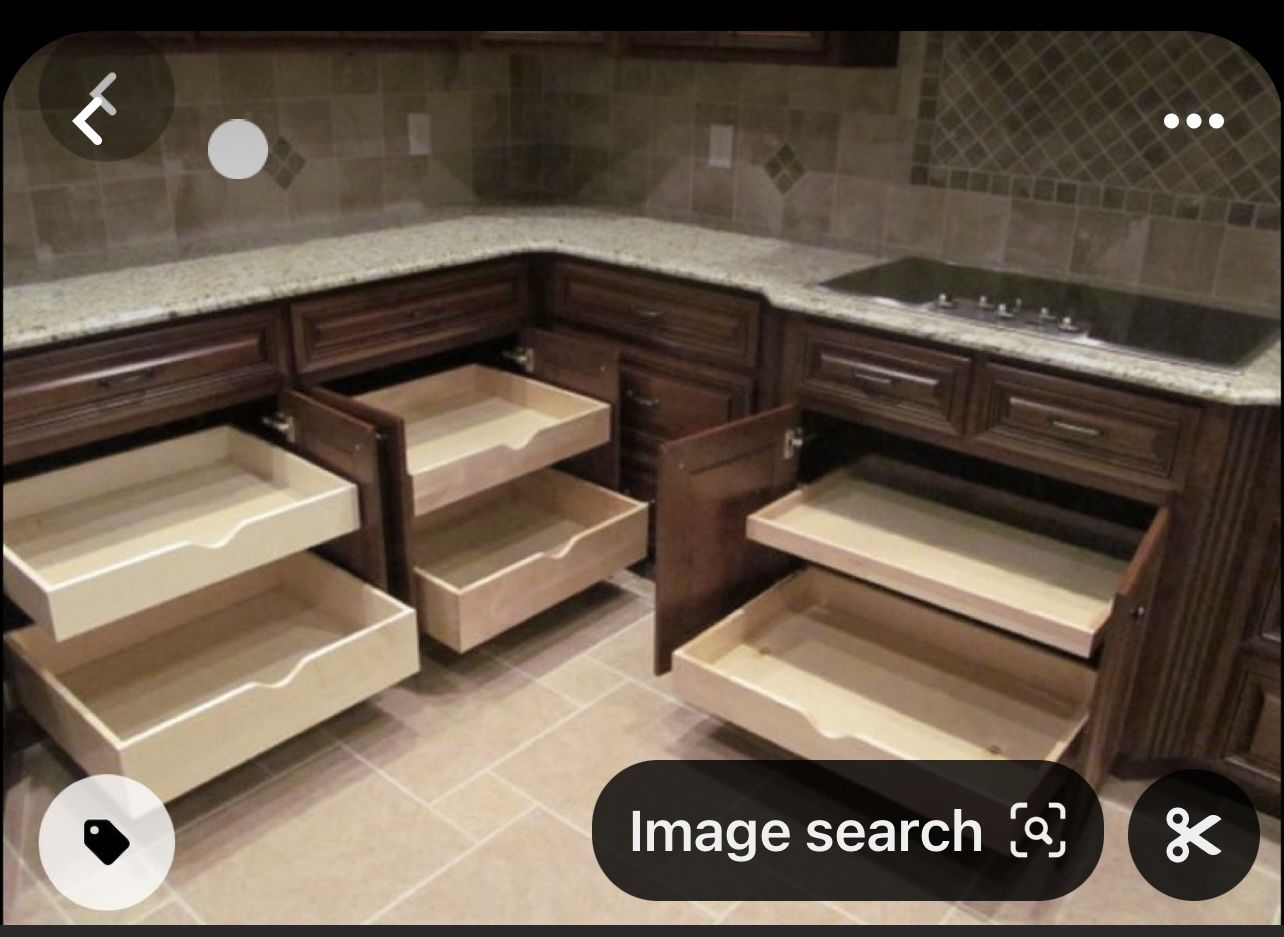
We open and close our kitchen drawers thousands of times a year. They take a beating, especially the big ones holding heavy cast-iron pans or stacks of ceramic plates. That is why you need to ask how the drawer boxes are put together. Are they stapled together with thin plywood bases, or do they feature traditional dovetail joints. Dovetail joinery isn’t just for looks; it provides immense mechanical strength.
Also, ask about the drawer runners. Look for high-quality, undermount, soft-close hardware that can support at least 75 to 100 pounds of weight. If a maker uses cheap side-mounted tracks, your drawers might start binding or scraping against the face frame before the year is out.
What is Your Precise Finishing Process?
This is a massive one that almost nobody thinks about until it’s too late. There is a monumental difference between cabinets painted in a dusty workshop versus those finished with a baked-on conversion varnish in a dedicated, clean room. A factory-grade conversion varnish creates a chemical bond that resists water, grease, and household cleaners.
If they are painting or staining the wood on-site or using basic latex paint, the finish is going to chip, stain, and wear away around the handles very quickly. Ask them to walk you through their finish steps. Do they spray both sides. What is their protocol for controlling dust particles while the paint dries.
Are You Outsourcing Any Components?
You might think your local craftsman is hand-carving every single piece of wood in their local workshop. However, it is a very common industry practice to outsource specific parts, like the cabinet doors, drawer boxes, or ornamental trim pieces, from large specialty manufacturers. This isn’t inherently a bad thing, as it can sometimes save you money and keep the timeline moving forward.
But you have a right to know. If they are sourcing doors from a third party, you need to verify that the quality matches the face frames they are building by hand. You want to ensure the wood species, grain patterns, and moisture levels align perfectly so the wood doesn’t warp later.
What are the Tolerances for Bending and Gaps?
Wood is a living material. It breathes, expands, and shrinks depending on the weather and humidity inside your house. Because of this, experienced cabinet makers build with specific tolerances in mind. You should ask how they handle wood expansion, especially if you live in a climate with extreme seasonal changes.
What happens if a door warps slightly after installation. What is their acceptable standard for alignment gaps between doors. A great craftsman will design the cabinetry with adjustable hinges and expansion gaps so that your kitchen layout stays perfectly aligned even when the summer humidity hits.
What is Covered Under Your Warranty and Aftercare?
Every contract looks great on day one, but what about day 300. Or what about five years from now when a hinge snaps or the finish begins to delaminate near the dishwasher. You need to ask what kind of warranty they offer on their craftsmanship versus the manufacturer warranty on the hardware.
Get it in writing. Will they come out to fix a misaligned door for free during the first year. A reputable professional who takes pride in their trade will happily stand behind their work and provide a clear, easy-to-understand warranty document.
Investing in custom cabinetry is one of the biggest financial commitments you will make for your home this year. It shapes how your kitchen functions every single day. By asking these deeper questions around material science, construction methods, and warranties, you show the builder that you care deeply about quality.
Don’t be shy about asking for physical finish samples or even a quick tour of their shop. A true professional will welcome your curiosity. They will love showing off their tools and explaining their process. In the end, these simple questions will give you complete confidence that your beautiful new kitchen is built to endure the test of time.