Have you ever walked into a minimalist room and felt, well, a little chilly. Not because the AC was blasting, but because the space itself felt totally devoid of life? It’s a common trap. We strip away the clutter in search of peace, but we accidentally end up stripping away the soul too.
But what if minimalism didn’t have to feel so clinical? In 2026, the design world has completely shifted away from stark, museum-like interiors. Instead, we are leaning hard into "quiet luxury"—an approach that values underated quality, comfort, and spaces that feel deeply personal without screaming for attention. It’s all about creating a sanctuary that whispers wealth and comfort rather than shouting it.
The Shift From Stark to Soulful
For a long time, minimalism meant flat white walls, sharp edges, and shiny surfaces. It looked great on Instagram, but living in it day-to-day felt a bit like staying in a high-end laboratory. People started realizing that their homes needed to feel like a warm hug at the end of a stressful day.
That is where quiet luxury steps in. This design movement isn’t about showing off brand names or expensive crystal. It is about the tactile experience of a space. It’s the difference between a cold leather couch and a plush mohair sofa that practically begs you to sit down. By focusing on how things feel rather than just how they look, we can create minimalist spaces that are incredibly cozy.
The Power of Touch
If you are keeping your color palette simple, textures have to do the heavy lifting. Think of texture as the secret ingredient that prevents a neutral room from looking boring. When everything is the same shade of beige or gray, different surfaces create visual interest through shadows and light.
Take a look at bouclé, for example. This loopy, knotted fabric has been huge recently, and it’s not going anywhere. Pairing a chunky bouclé armchair with a smooth, matte oak coffee table instantly creates a conversation between the objects. You don’t need bright colors when you have surfaces that practically demand to be touched.
Welcoming Raw and Imperfect Elements
Perfect is boring, and honestly, it’s a little stressful. True luxury lies in items that show the hand of the maker or the passage of time. This concept, often tied to the idea of wabi-sabi, celebrates the beauty in things that are slightly imperfect.
Consider using raw, unpolished stone for a fireplace surround or a kitchen island. Instead of perfectly smooth marble, opt for brushed limestone or travertine with visible pores. These materials reflect light softly and add an earthy grounding effect to clean-lined rooms. The same goes for walls; plaster finishes or subtle lime-washes give flat drywall a velvety, three-dimensional depth.
Layering Textiles with Purpose
Decorating a warm minimalist space requires a thoughtful approach to fabrics. Instead of cluttering a room with endless throw pillows, choose just a few high-quality pieces that offer a real sensory contrast.
- Linen: Perfect for long, pooling drapery that lets the sunlight filter through softly.
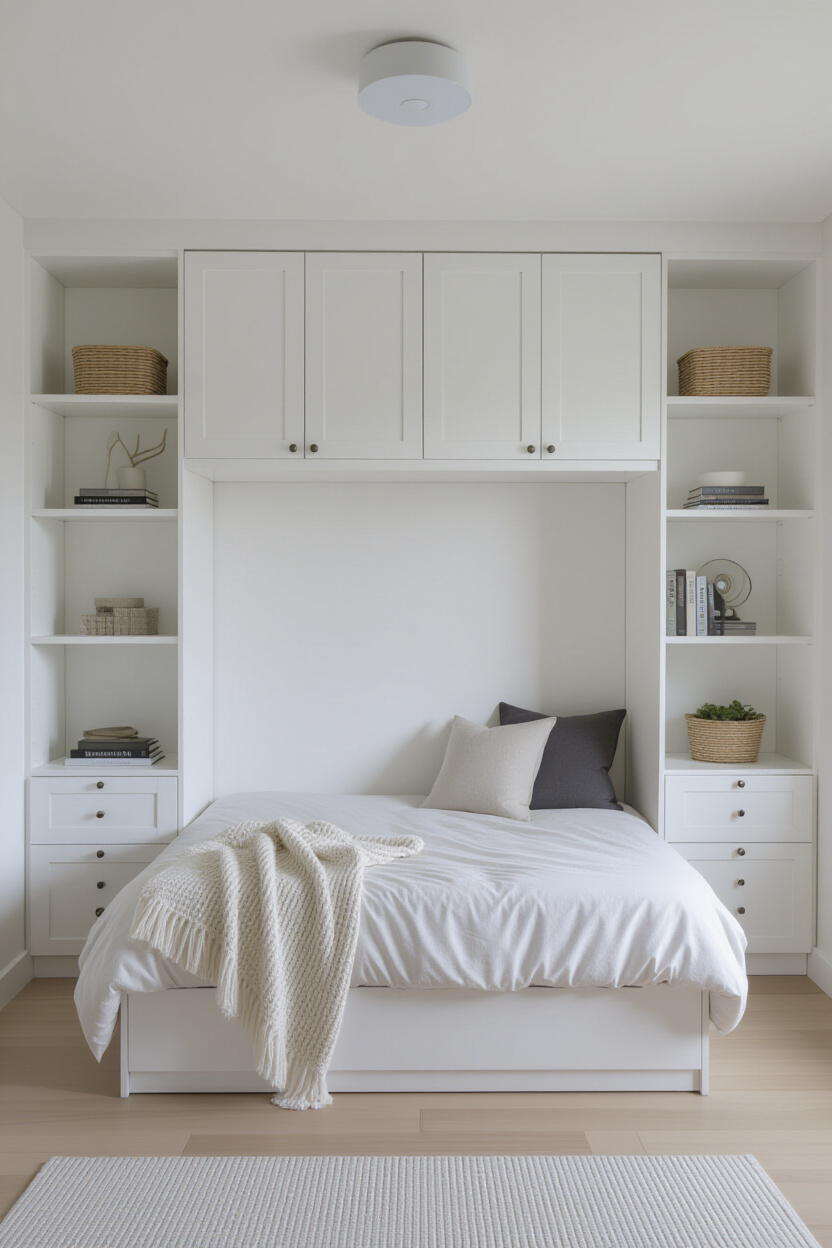
- Wool and Cashmere: Ideal for chunky knit blankets tossed over a sleek modern sofa.
- Velvet: A muted, matte velvet pillow can add a touch of low-key opulence without feeling gaudy.
The trick is to keep the colors closely related. When your tones are harmonzed, you can mix three or four different textures in one seating area without the space feeling chaotic.
Bringing the Warmth of Wood
You cannot talk about warmth without talking about wood. It is the ultimate antidote to the coldness of metal and glass. However, the type of wood finish you choose makes all the difference in achieving a quiet luxury aesthetic.
Steer clear of high-gloss, shiny varnishes. They create a glare that feels artificial. Instead, look for matte, oiled, or wire-brushed finishes. These techniques preserve the natural grain and texture of the wood, allowing you to actually feel the ridges of the timber. European oak, walnut, and recovered elm are fantastic choices for flooring or large furniture pieces.
Lighting as a Soft Texture
We often forget that light itself acts as a texture in a room. Harsh, overhead lighting can make even the most beautifully decorated room look flat and clinical. To complement your warm materials, you need illumination that mimics the soft glow of a candle.
Instead of relying on recessed ceiling lights, layer your lighting at different heights. Use floor lamps with fabric shades that diffuse light warmly, and position low-wattage accent lights to cast soft shadows across textured walls. This creates a cozy ambiance that highlights the physical materials you’ve carefully chosen for your home.
At the end of the day, creating a warm minimalist home isn’t about following a strict set of rules. It’s about curating an environment that feels restorative. By trading cold, glossy surfaces for rich, tactile materials, you can create a home that feels both incredibly elevated and completely lived-in.
Start small. Swap out a synthetic pillow for a heavy linen one, or introduce a handmade ceramic vase to your entryway table. Notice how those tiny changes affect the mood of the room. True luxury isn’t about excess; it’s about making sure that everything you own brings a sense of comfort and peace to your daily life.