Have you ever walked into a room and instantly felt a sense of calm, even if you couldn’t quite put your finger on why. Or maybe you’ve stepped into a space that felt completely off, like the furniture was swallowing the walls whole? It happens all the time. More often than not, the culprit isn’t the color scheme or the price tag of the decor. It comes down to two foundational principles that master designers use every single day: balance and scale.
When you get these two elements right, magic happens. An ordinary, cookie-cutter living room suddenly feels like a custom-designed sanctuary. The beautiful thing is, you don’t need a massive budget to pull this off in 2026. You just need to understand how objects interact with each other and the physical space around them. Let’s dive into how the pros do it and how you can bring that same harmony into your own home.
Understanding the True Meaning of Scale
Scale is all about how items relate to the actual size of the room they occupy. It sounds simple, but it is incredibly easy to mess up. Think about placing a massive, deep-seated sectional sofa inside a tiny apartment living room. It instantly cramps the style and blocks the flow of the room. On the flipsyde, putting a delicate, low-profile loveseat in a room with soaring fifteen-foot ceilings makes the furniture look lost, like it’s floating out at sea.
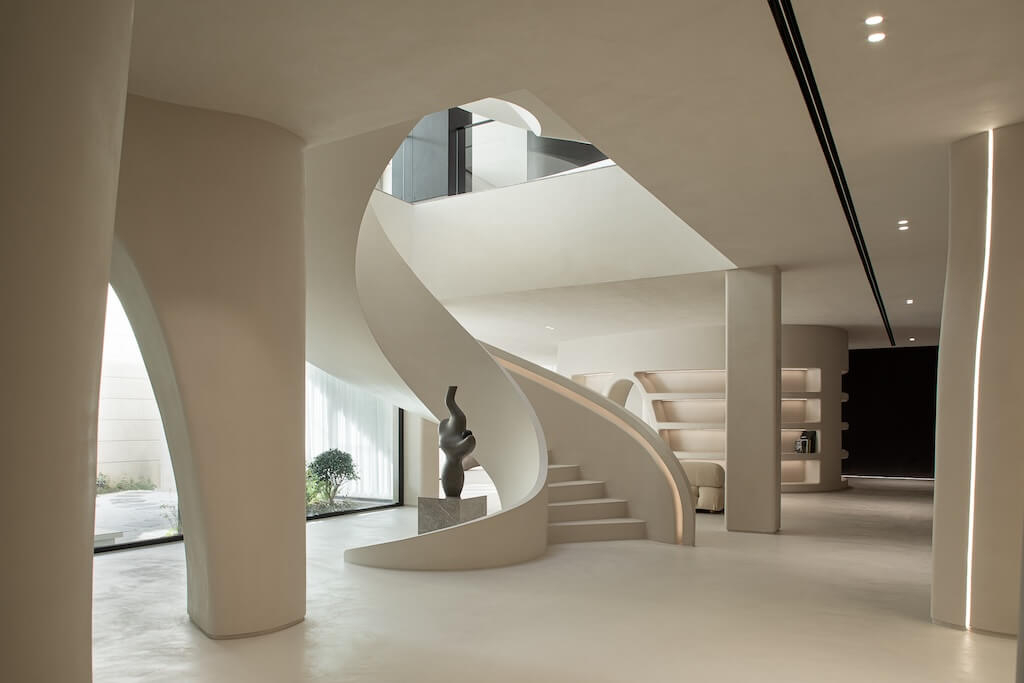
Master designers look at a room’s architecture first. They measure the height of the windows, the ceilings, and the total floor area before choosing a single item. If you have tall ceilings, you need taller elements—like high-backed chairs, large potted trees, or bookshelves that stretch upward—to draw the eye up and fill that empty vertical air. It is all about making a large-scale architectural space feel welcoming and closely connected to the everyday human experience.
The Secret Recipe of Visual Weight
Balance isn’t just about physical weight; it is mostly about visual weight. This refers to how heavy an object looks when you stare at it. For example, a heavy wooden coffee table with block legs looks much heavier than a glass-topped table with thin metal legs, even if they take up the exact same amount of physical floor space.
To create a balanced environment, you want to distribute this visual weight evenly throughout the room so your eyes can move smoothly from one area to another. If you put all your heavy, dark furniture on one side of the room and leave the other side with light accents, the space will feel lopsided. You can balance a chunky, dark sofa on one wall by placing two substantial armchairs or a large piece of art on the opposite wall.
Playing with Symmetry versus Asymmetry
There are two main flavors of balance: formal symmetry and informal asymmetry. Symmetrical balance is what you see when a fireplace is flanked by two identical armchairs, matching side tables, and identical lamps. It creates an instant feeling of order, calmness, and classic elegance. It’s a foolproof way to make a space feel polished.
But if every single corner is perfectly mirrored, a room can start to feel a bit stiff and sterile. That’s where asymmetry comes to save the day. Asymmetrical balance achieves equilibrium using different objects that have similar visual weight. You might balance a large sofa on one side with a pair of smaller chairs and a floor lamp on the other. This approach feels way more relaxed, modern, and full of personality.
Juxtaposition and the Power of High-Low Contrasts
One of the coolest tricks in a designer’s playbook is pairing oversized items with delicate accents to create drama. If everything in a room is medium-sized, the space becomes incredibly boring to look at. It lacks rhythm.
Imagine a massive, chunky concrete dining table paired with sleek, ultra-thin wire chairs. Or maybe a giant, oversized pendant light hanging over a delicate, minimalist side table. This juxtaposition keeps your eyes moving and adds a whimsical, interesting touch to the decor. It breaks the monotony and transforms an ordinary layout into an orchestrated spectacle of design prowess.
Framing the Space with Built-ins and Horizontal Lines
Sometimes a room feels chaotic because it lacks structure. Master designers frequently use strong horizontal lines and built-in furniture to visually frame an interior. Built-in shelving that matches the wall color can make a giant room feel much more intimate and grounded.
Horizontal lines, like a long low credenza or a perfectly placed shiplap wall, can trick the brain into thinking a narrow room is actually much wider. These lines give the eye a track to follow, creating a sense of spaciousness and comfort. When you frame a space correctly, even the most awkwardly shaped room starts to feel intentional and cohesive.
Small Scale Accessories in Large Rooms
We often worry about furniture being too big, but what about the little things. Using tiny decor pieces in a massive room is a very common misstep. A tiny 8×10 picture frame looks silly on a massive accent wall. Instead, you need to group smaller items together so they function as one large visual unit.
If you have a collection of small-scale accessories, don’t scatter them all over a large room. Cluster them together on a tray, or arrange them on a bookshelf so they gain strength in numbers. For artwork, group smaller prints together into a large gallery wall. This allows you to keep the items you love without sacrificing the harmony and proportion of the overall space.
At the end of the day, mastering balance and scale is about listening to your gut. When you walk into a room, take a second to breathe and notice where your eyes land. If your gaze gets stuck on one heavy corner, or if the room feels cold and empty, it is time to shake things up. Move a chair, swap out a tiny rug for a larger one, or add some height to a lonely corner.
Designing a beautiful home isn’t about following rigid rules or spending a fortune. It’s about creating an environment that lifts your mood and supports your lifestyle. By playing around with visual weight, contrasting sizes, and smart layouts, you can easily elevate your ordinary rooms into balanced, beautiful sanctuaries that you’ll love living in for years to come.