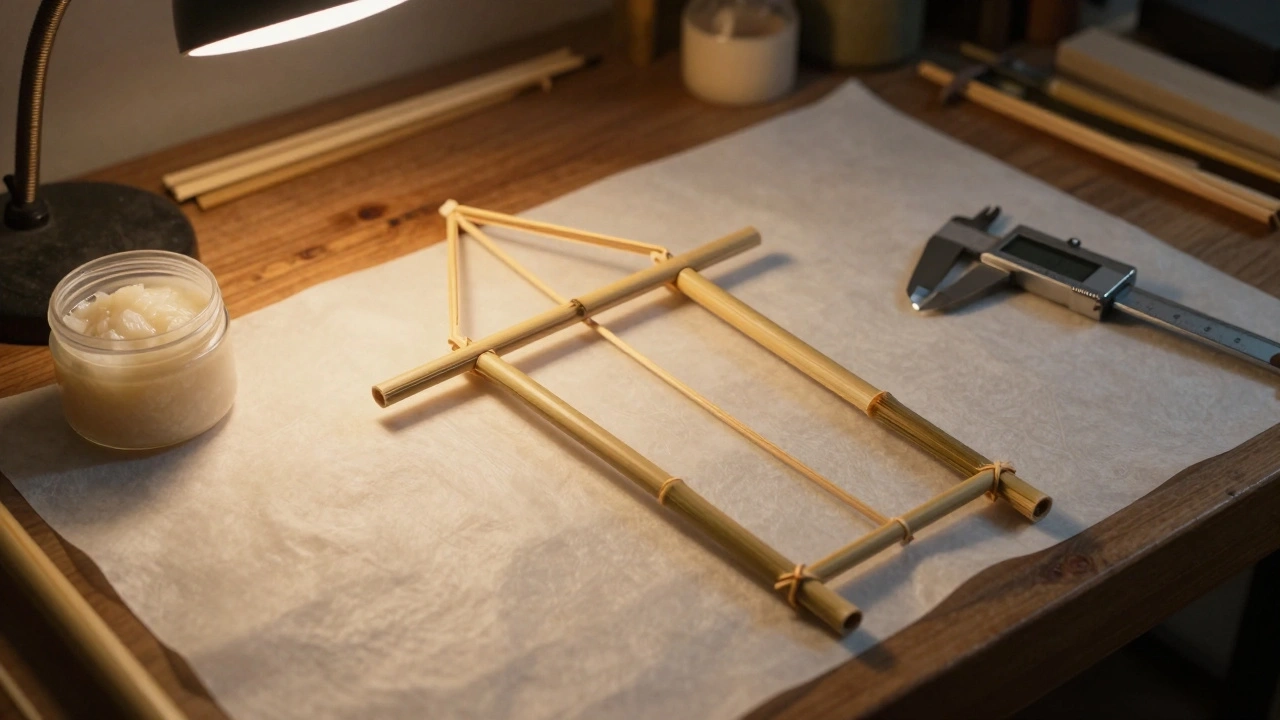
Have you ever stood in a garage, caught the scent of freshly cut pine, and felt that sudden, unstoppable urge to just build something. For decades, that feeling was the heartbeat of the traditional tinkerer. You grabbed a rusty handsaw, a hammer, and maybe some leftover nails, and you just figured it out as you went along.
But if you walk into a creator space today in 2026, things look completely different. The smell of sawdust has been replaced by the faint, sweet aroma of melting cornstarch plastic from a row of 3D printers huming away. The maker movement didn’t just grow up; it completely reinvented itself across generations. How did we get from whittling blocks of wood to slicing digital files on a tablet?
The Solitary Era of the Basement Workshop
Go back forty or fifty years, and making things was mostly a lonely, quiet hobby. It was your grandfather down in the basement, carefully restoring a broken radio or building a birdhouse from scratch. These creators relied entirely on manual hand tools—chisels, planes, and manual drills. Knowledge wasn’t shared on a screen; it was handed down from parent to child or found in the dog-eared pages of old hobbyist magazines.
Back then, patience wasn’t just a virtue, it was a requirement. If you messed up a cut on a rare piece of oak, you couldn’t hit undo. You either started over or integrated the mistake into the design. This generation built a deep, tactile understanding of raw materials. They knew exactly how wood would warp in the humidity or how metal would bend under pressure.
Power Tools and the Rise of the Suburban Garage
As the years rolled on into the late 20th century, the humble basement workshop migrated up to the suburban garage. This shift brought a massive surge of electricity with it. Suddenly, routers, circular saws, and drill presses became affordable for the everyday enthusiast. Making things got much faster, louder, and a lot more ambitious.
+-------------------+-----------------------------------+
| Era               | Primary Tools Used                |
+-------------------+-----------------------------------+
| The Basement Era  | Chisels, Handsaws, Hand Drills    |
| The Garage Era    | Routers, Table Saws, Power Drills |
| The Digital Era   | 3D Printers, CNC, Laser Cutters   |
+-------------------+-----------------------------------+
This era was all about home improvement and DIY weekend projects. Neighbors would gather to help build a backyard deck or fix up an old muscle car. While it was still heavily focused on traditional crafting, the seeds of a broader community were beginning to sprout. People started trading tips over the backyard fence, sharing the physical labor of creation.
Enter the Microchip and the Digital Dawn
Then came the internet, and everything changed overnight. In the early 2000s, computers stopped being just for office work and started talking to machines. Early desktop CNC mills and basic laser cutters began trickling into the hands of ordinary civilians. Suddenly, you didn’t need twenty years of muscle memory to cut a perfect circle; you just needed to know how to draw one on a screen.
This fusion of hardware and software gave birth to a brand new flavor of creator. People who had never picked up a hammer in their lives were suddenly designing complex mechanical gears. The entry barrier didn’t just lower; it was completely smashed to pieces.
The 3D Printing Explosion and Democratization
Fast forward a bit closer to our current year of 2026, and the desktop 3D printer has become the absolute poster child of modern creation. What used to require a massive industrial factory can now be done on a kitchen counter. If a plastic clip breaks on your dishwasher, you don’t throw the machine away or wait weeks for a replacement part. You download a digital file and print a new one in an hour.
This technology completely changed our relationship with physical stuff. It shifted the maker movement from a niche hobby into a powerful movement of self-sufficiency. Modern filaments even allow people to print using recycled plastics, wood fibers, and carbon fiber, blending old-school textures with futuristic methods.
From Lonely Garages to Global Hackerspaces
Perhaps the biggest evolution isn’t the machines at all, but the humans using them. The solitary builder of the past has evolved into a hyper-connected global community. Makerspaces and fab labs have popped up in almost every major city, acting as communal workshops where anyone can rent time on a high-end machine.
If you hit a roadblock on a project today, you don’t just give up. You post a question on an online forum or discord channel. Within minutes, a teenager in Tokyo or a retired machinist in Munich might chime in with the exact solution. Knowledge has been entirely decentralized.
If you want to dive into this world today, the options can feel a bit overwhelming. You don’t need to spend thousands of dollars to get your hands dirty. Here is how you can get started simply:
- Visit a local makerspace: Before buying any expensive gear, see if there is a local cooperative workshop near you where you can try out different tools for free or cheap.
- Start with free software: Learn the basics of 3D modeling using free, beginner-friendly web tools like Tinkercad before moving to advanced programs.
- Don’t abandon the basics: The best modern creators often combine old and new. A 3D-printed bracket holding together a hand-carved piece of wood creates something truly unique.
The tools will inevitably keep shifting as we move past 2026, but the core human drive remains exactly the same. Whether you are using a pocket knife to carve a toy or calibration scripts to fine-tune a resin printer, making is about looking at the world around you and realizing you have the power to change it.
We have come a long way from those dusty, quiet basements. The modern maker movement has proved that when you give people the tools to create, they don’t just build objects—they build communities. The tools change, but the joy of saying "I made this" never fades.