You know that feeling when you finally step out of a long, hot shower and the world just seems to quiet down? That exhale. The tension dropping from your shoulders. For years, we treated bathrooms as purely functional spaces—places to get clean and get out. But something shifted. Maybe it was the collective burnout of the last few years. Maybe it was just the realization that we spend so much time at home, we might as well make every corner feel good. Whatever the reason, 2026 has officially crowned the spa-like bathroom as the number one DIY project homeowners are tackling. And honestly? It makes perfect sense.
It’s not about installing a gold-plated faucet or ripping out walls to build a massive addition. Well, sometimes it is. But mostly, it’s about intention. It’s about turning a cramped, cold room into a warm, multi-sensory haven. According to recent reports from Zillow and various design experts, traditional bathtubs are actually seeing a decline in popularity. In their place? Wet rooms, steam options, and spaces designed for total relaxation. People aren’t just renovating for resale value anymore; they’re renovating for their sanity. They want a retreat. A place where the noise of the day can’t follow them.
So why is this trend exploding right now? Why are folks picking up hammers and paintbrushes to chase that spa vibe? It comes down to wellness. We’ve become hyper-aware of how our environment affects our mental health. A cluttered, harshly lit bathroom stresses us out. A calm, textured, softly lit one soothes us. It’s biophilic design meeting mindful living. And the best part? You don’t need a millionaire’s budget to get started. Whether you’re swapping out hardware or retiling an entire wet room, the principles remain the same. Let’s dive into what’s making these spaces so special and how you can bring that energy into your own home.
The Shift From Function to Feeling
For decades, bathroom design was ruled by efficiency. How fast can you get in and out? How easy is it to clean? While those things still matter, the priority has flipped. Now, it’s about how the space feels. This isn’t just a vague aesthetic choice; it’s a response to a culture that is increasingly focused on restorative living. We’re tired. We’re overstimulated. Our homes have become our offices, our gyms, and our schools. The bathroom is often the only room with a lock on the door. It’s the last bastion of privacy.
In 2026, we’re seeing a move away from flashy, Instagram-ready features that look good in photos but feel cold in person. Instead, homeowners are choosing restorative elements. Think warm neutrals instead of stark whites. Think natural stone that feels cool and solid under your feet, rather than cheap vinyl that cracks. It’s about creating a sensory experience. When you walk in, does the lighting soften your mood? Does the scent of eucalyptus or cedar hit you? These small details add up to a major shift in how we use the room. It’s no longer just a place to brush your teeth; it’s a place to decompress.
This shift is also driven by accessibility. As more people plan to age in place, or simply want a home that’s comfortable for everyone, barrier-free layouts are becoming standard. No more stepping over high tub ledges. Enter the wet room. These open, seamless spaces allow for easy movement and can be equipped with built-in seating. It’s practical, sure, but it also looks incredibly sleek and spa-like. It removes the visual clutter of separate shower stalls and tubs, creating a sense of openness and calm. It’s design that cares for you, physically and mentally.
Natural Materials and Earthy Palettes
If there’s one word that defines the 2026 spa bathroom, it’s "natural." We’re craving a connection to the outdoors, even when we’re inside. This is where biophilic design really shines. It’s not just about putting a potted plant in the corner (though that helps). It’s about using materials that remind us of the earth. Wood, stone, clay, linen. These textures bring warmth and depth to a space that used to be all chrome and ceramic.
Wooden elements are having a huge moment. Vanities made from reclaimed oak or teak add instant character. Even if you can’t afford a full wood vanity, adding wooden shelves or a small stool can change the vibe entirely. Just make sure it’s properly sealed for moisture. Stone is another big player. Natural stones like travertine, slate, or limestone offer unique patterns and textures that mass-produced tiles just can’t match. They feel grounding. When you touch them, you feel connected to something older and more permanent. It’s a subtle psychological boost.
Color palettes have followed suit. Gone are the days of clinical white or bold, trendy accent walls. 2026 is all about soft, earthy tones. Think sage green, warm beige, terracotta, and muted blues. These colors mimic the landscape. They’re easy on the eyes and promote a sense of tranquility. Pairing these colors with natural light creates a space that feels alive. If you’re working with a small windowless bathroom, don’t despair. Use warm-toned lighting and lighter shades of these earthy colors to keep the space from feeling cave-like. The goal is balance. Not too dark, not too bright. Just right.
Smart Tech for Seamless Wellness
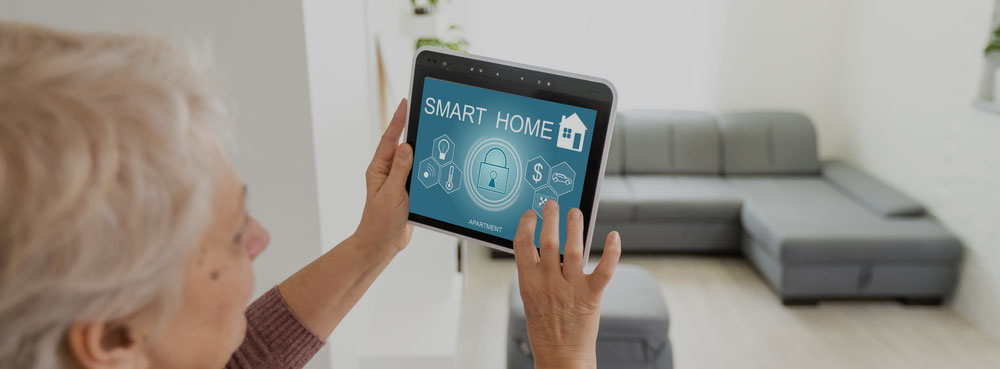
Now, here’s where it gets interesting. While we’re chasing a natural, rustic vibe, we’re also embracing technology. But not just any tech. We’re talking about invisible tech. Technology that enhances the experience without drawing attention to itself. In 2026, smart bathrooms are less about gadgets and more about automation and comfort. It’s about creating an environment that adjusts to you.
Smart lighting is a game-changer. Imagine walking into your bathroom in the morning and the lights slowly brighten to mimic sunrise, helping you wake up gently. At night, they dim to a warm amber to help you wind down. Chromotherapy, or color therapy, is also gaining traction. Some advanced shower systems allow you to change the color of the light to match your mood—blue for calm, red for energy. It sounds gimmicky, but many users report it genuinely affects their mindset. It’s about using light as a tool for wellness.
Then there’s the water itself. Smart showers can remember your preferred temperature and pressure, so you never have to fiddle with the knobs again. Some even integrate aromatherapy dispensers, releasing essential oils into the steam. Speaking of steam, home steam showers and saunas are no longer just for luxury hotels. They’re becoming more accessible for DIYers willing to tackle a bigger project. These features turn a quick rinse into a therapeutic session. And yes, there are compact sauna kits available now that fit into standard shower footprints. It’s luxury, democratized.
Budget-Friendly Upgrades That Make an Impact
Let’s be real. Not everyone has the budget to rip out their entire bathroom and install a steam room. And that’s okay. You don’t need to spend a fortune to create a spa-like atmosphere. Some of the most impactful changes are the cheapest. It’s about being strategic. Focus on the senses. What can you see, touch, smell, and hear?
Start with lighting. Harsh overhead lights are the enemy of relaxation. Swap them out for softer, warmer bulbs. Add dimmer switches if you can. If wiring is too much hassle, consider battery-operated puck lights under cabinets or along the baseboards. They create a lovely glow. Next, look at your textiles. Ditch the scratchy, thin towels. Invest in plush, high-quality cotton or bamboo towels. Hang them on a heated towel rack if you’re feeling fancy, or just make sure they’re always fresh and fluffy. The tactile experience matters.
Scent is powerful. You don’t need expensive diffusers. A simple reed diffuser with sandalwood or lavender oil can transform the air. Or keep a bundle of dried eucalyptus in the shower; the steam releases the natural oils. Decluttering is free and incredibly effective. Clear off the counters. Hide the shampoo bottles in a nice basket or behind a curtain. Visual clutter creates mental clutter. A clean, empty surface feels luxurious. Finally, add some greenery. A fern or a peace lily thrives in humidity and adds a pop of life. These small tweaks add up to a big change in how the room feels.
The Rise of the Wet Room and Barrier-Free Design
We mentioned wet rooms earlier, but they deserve their own spotlight. This is arguably the biggest structural trend in 2026 bathrooms. A wet room is essentially a fully waterproofed bathroom where the shower area is level with the rest of the floor. There’s no curb, no step, no glass door blocking the view. It’s open, airy, and incredibly practical. For DIYers, this is a bigger undertaking because it requires precise sloping and waterproofing, but the payoff is huge.
Why are they so popular? First, accessibility. As I said before, stepping over a tub ledge is a hazard for many. A wet room is safe for kids, seniors, and anyone with mobility issues. It’s future-proofing your home. Second, it makes small bathrooms feel larger. Without the visual break of a shower enclosure, the eye travels across the whole space. It feels expansive. Third, it’s easier to clean. No grout lines on a curb, no glass doors to scrub. Just wipe down the walls and floor.
Creating a wet room doesn’t mean you have to sacrifice style. In fact, it offers a canvas for beautiful design. You can use large-format tiles to minimize grout lines, creating a seamless look. You can incorporate a bench built into the wall for seating. You can add a rainfall showerhead for that true spa experience. It’s a design that prioritizes flow and function, which ironically, makes it feel more luxurious. It’s uncluttered. It’s intentional. And for many homeowners in 2026, that’s the ultimate luxury.
At its core, a spa-like bathroom is about engaging all five senses. It’s not just about how it looks. It’s about the whole experience. We’ve talked about sight (lighting, colors), touch (textures, materials), and smell (aromatherapy). But what about sound and taste? Well, maybe not taste, unless you count drinking herbal tea while you soak. But sound is crucial.
Water sounds are naturally calming. A good rainfall showerhead creates a gentle, consistent sound that masks outside noise. If you’re doing a bigger renovation, consider adding a small water feature, like a wall-mounted fountain. The trickling sound is meditative. Alternatively, invest in a waterproof Bluetooth speaker. Create playlists specifically for your bathroom time. Ambient nature sounds, soft instrumental music, or guided meditations can turn a ten-minute shower into a mindfulness practice.
Temperature plays a role too. A heated floor is a splurge, but once you have it, you’ll wonder how you lived without it. Stepping onto warm tiles in the winter is pure joy. If heated floors aren’t in the budget, thick bath mats work wonders. The key is consistency. The space should feel cohesive. Every element should work together to lower your heart rate. It’s about creating a bubble. When you close the door, the outside world disappears. You’re left with warmth, softness, and quiet. That’s the goal. That’s the spa feeling.
So, is the spa-like bathroom trend just a flash in the pan? I don’t think so. It’s rooted in something deeper than aesthetics. It’s rooted in our need for care. In a fast-paced, digital world, we’re craving spaces that slow us down. We’re craving connection—to nature, to our bodies, to ourselves. The bathroom is the perfect place for that. It’s private. It’s intimate. By turning it into a sanctuary, we’re not just improving our homes; we’re improving our daily lives.
You don’t have to do it all at once. Start small. Change the lightbulbs. Buy better towels. Add a plant. See how it feels. If you’re ready for a bigger project, look into wet rooms or smart showers. But remember, the goal isn’t perfection. It’s comfort. It’s creating a space that welcomes you. A space that says, "Take a breath. You’re safe here." In 2026, that’s not just a design trend. It’s a necessity. And honestly? We could all use a little more of that.