Does your apartment feel like it’s closing in on you? You walk through the door after a long day, kick off your shoes, and instead of relief, you get hit with a wave of anxiety. The pile of mail on the counter. The coat that never quite makes it to the hook. The stack of books that has migrated from the shelf to the floor. It’s exhausting. Living in a small space in 2026 doesn’t have to mean living in chaos. In fact, some of the most peaceful homes we’ve seen are barely 500 square feet. The difference isn’t the size. It’s the strategy.
We often think we need more room. We scroll through real estate listings, dreaming of a spare bedroom or a walk-in closet. But here’s the truth: moving won’t fix a clutter problem. If you can’t manage the stuff you have now, you’ll just be overwhelmed in a bigger box later. The secret to going from chaotic to calm isn’t about square footage. It’s about intention. It’s about understanding how your brain reacts to visual noise and using clever, proven tactics to quiet that noise down. Let’s dive into how you can reclaim your space, and maybe even your sanity, without spending a fortune or knocking down walls.
The Mental Shift: Why Clutter Feels Like Chaos
Before we buy a single bin or label maker, we have to talk about why this matters. Recent studies in environmental psychology, including insights shared by sources like homeaddict.io, highlight that our physical environment directly impacts our mental health. Clutter isn’t just messy; it’s a constant, low-level stressor. Your brain is always processing visual information. When there’s too much "stuff" competing for attention, your cortisol levels spike. You feel tired. You feel scattered. It’s not because you’re lazy. It’s because your environment is overstimulating you.
Think of your home as an external hard drive for your brain. When it’s fragmented and full of junk files, everything runs slower. Organizing with mental health principles in mind means shifting the goal from "perfectly tidy" to "emotionally supportive." This is a crucial distinction. Perfection is brittle. It breaks under pressure. A supportive home is resilient. It allows for life to happen. Maybe that means leaving a basket out for laundry instead of forcing yourself to fold it immediately. Maybe it means keeping your favorite mug on the counter because it brings you joy, even if it breaks the "clear surfaces" rule. Self-compassion is the first step in organization. If you beat yourself up every time you miss a spot, you’ll eventually give up entirely.
This mindset shift also helps us prioritize what actually stays. In 2026, we are more aware than ever of the impact of consumerism on our well-being. Keeping items that don’t serve you—whether functionally or emotionally—is like carrying extra weight in a backpack you never take off. By acknowledging that decluttering is an act of self-care, not punishment, the process becomes lighter. You start asking different questions. Not "Can I fit this here?" but "Does this help me feel calm?" That simple change in perspective transforms the chore of cleaning into a ritual of renewal.
The Great Edit: Decluttering Without the Burnout
Now that we’ve set the stage, let’s tackle the stuff. The word "declutter" can feel huge. It conjures images of dumping everything in the middle of the living room and crying over old yearbooks. Let’s not do that. Instead, let’s look at what experts from minimizemymess.com and tidyhomeguide.com suggest: micro-editing. You don’t need to organize your whole life in a weekend. Start with one surface. One drawer. One shelf. The goal is momentum, not completion. When you clear a small area, your brain gets a hit of dopamine. It feels good. That feeling motivates you to tackle the next small thing.
Use the "Four-Box Method" but keep it simple. Label four boxes: Keep, Donate/Sell, Trash, and Relocate. As you go through a small zone, pick up each item and make a decision. Be ruthless but kind. If you haven’t used it in a year, ask yourself why you’re keeping it. Is it guilt? Fear? Hope? Guilt says, "My aunt gave this to me." Fear says, "What if I need it someday?" Hope says, "Maybe I’ll start painting again." Most of the time, these emotions are heavier than the objects themselves. Letting go of the object is a way of letting go of the emotion. It’s freeing. And remember, donating is a valid option. Your clutter could be someone else’s treasure.
One tricky part of small spaces is the "just in case" items. Where do you put the extra toilet paper? The holiday decorations? The tools? The key is verticality and hidden storage. But before you hide things, you must reduce them. Do you really need three hammers? Probably not. Do you need ten throw pillows on a twin-sized bed? Definitely not. By reducing the volume of items, you make the remaining items easier to store. This isn’t about minimalism for the sake of aesthetics. It’s about creating breathing room. Every item you remove is a gift to your future self, who won’t have to dig through a jungle of unused goods to find the scissors.
Vertical Victory: Maximizing Walls and Air Space
In a small home, floor space is premium real estate. If you’re storing things on the floor, you’re losing valuable living area. The solution? Look up. Walls are your best friend. Sources like bhg.com and archeworks.org emphasize the power of vertical storage. This doesn’t mean installing industrial shelving that makes your apartment look like a warehouse. It means thinking creatively about height. Install floating shelves above doorways. Use the space above kitchen cabinets for baskets holding infrequently used items. Hang hooks on the back of doors for coats, bags, or even cleaning supplies.
Consider the "eye-level rule." Items you use every day should be at eye level or within easy reach. Items you use rarely can go high up or low down. This keeps your daily workflow smooth and prevents the frustration of climbing on chairs to get a coffee mug. In the kitchen, this might mean using magnetic strips for knives or spice jars, freeing up counter space. In the bedroom, it could mean a tall, narrow bookshelf instead of a wide dresser. Tall furniture draws the eye upward, making the ceiling feel higher and the room larger. It’s a visual trick that works wonders for the sense of spaciousness.
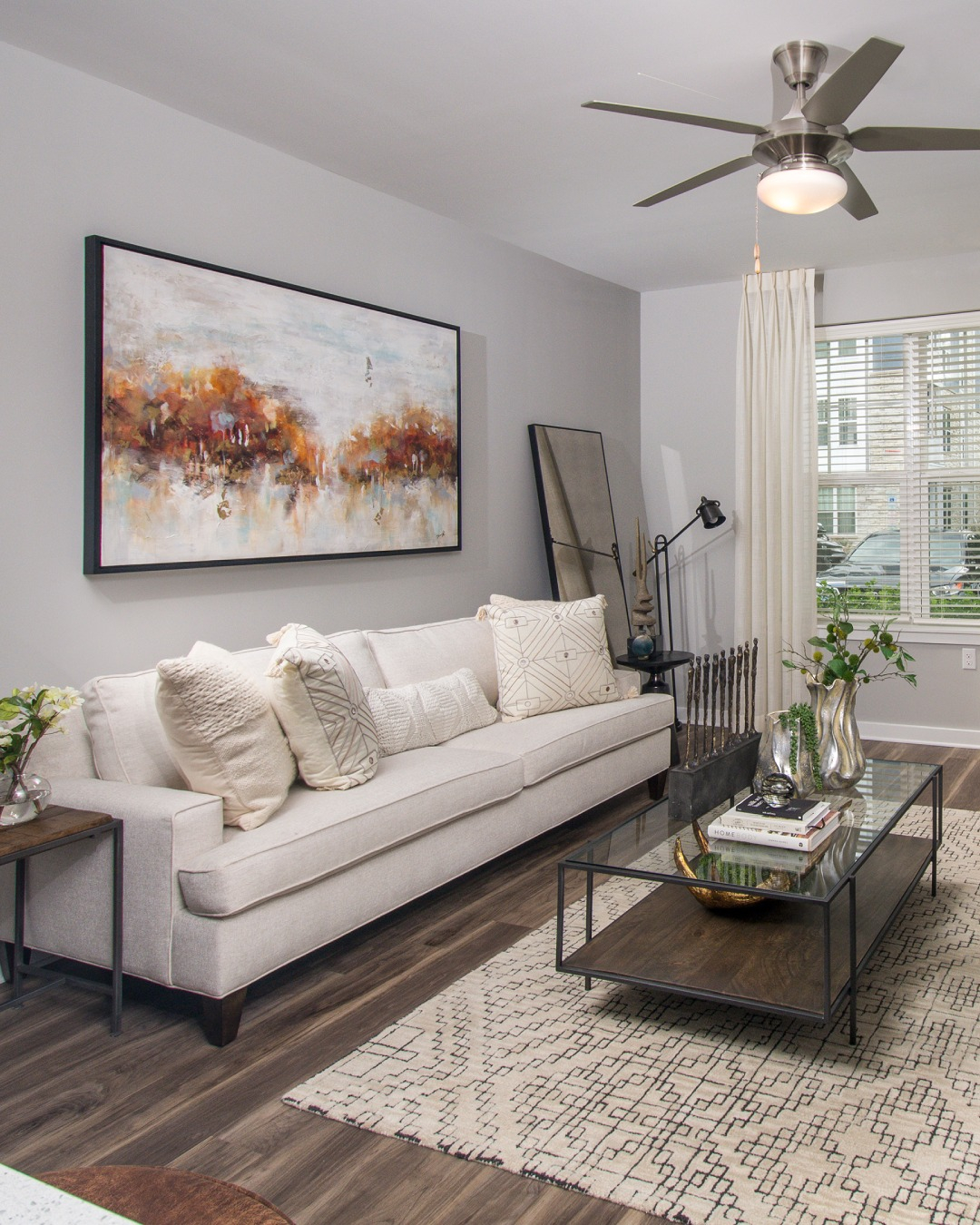
Don’t forget the air space in the middle of the room. Floating furniture—pieces with legs that show the floor beneath them—creates a sense of lightness. A sofa on legs feels less bulky than one that sits flat on the ground. Same with nightstands and desks. Seeing the floor continue underneath furniture tricks the brain into perceiving more square footage. It’s subtle, but effective. Combine this with wall-mounted organizers, like pegboards in the office or entryway. Pegboards are incredibly versatile. You can move hooks around as your needs change. They turn empty wall space into functional storage without taking up an inch of floor area. It’s smart, adaptable, and looks intentional rather than cramped.
Multi-Tasking Furniture: The Heroes of Small Living
If walls are your best friend, multi-functional furniture is your superhero. In 2026, furniture design has evolved to meet the needs of urban living. Pieces that do double duty are no longer a compromise; they’re a necessity. Think beyond the sofa bed. Look for ottomans with storage inside. Use them as footrests, extra seating, and a place to stash blankets or board games. Coffee tables with lift-tops can become dining tables or workstations. Beds with drawers underneath utilize the dead space where dust bunnies usually live. These aren’t just hacks; they’re essential tools for making a small space function like a large one.
The key here is to avoid "visual clutter" from the furniture itself. A piece that does five things shouldn’t look like it’s trying too hard. Clean lines and neutral colors help multi-tasking furniture blend in rather than dominate. For example, a bench at the end of your bed can provide seating and storage, but if it’s a bright, patterned fabric, it might make the room feel busier. Choose pieces that recede visually. Mirrored furniture is another classic trick. A mirrored cabinet in the entryway reflects light and space, making the hallway feel wider while hiding shoes and umbrellas. It’s form and function working together.
Also, consider modularity. Can your shelving unit be reconfigured? Can your desk expand when you have guests? Flexible furniture allows your home to adapt to your life, rather than forcing your life to adapt to your home. This is particularly important if you work from home. A desk that folds away or a chair that tucks completely under a table can transform a bedroom back into a sanctuary at the end of the workday. Separating work from rest is critical for mental health, and flexible furniture makes that boundary possible in a single room. It’s about creating zones, even if they’re temporary.
Zone Defense: Creating Purposeful Areas
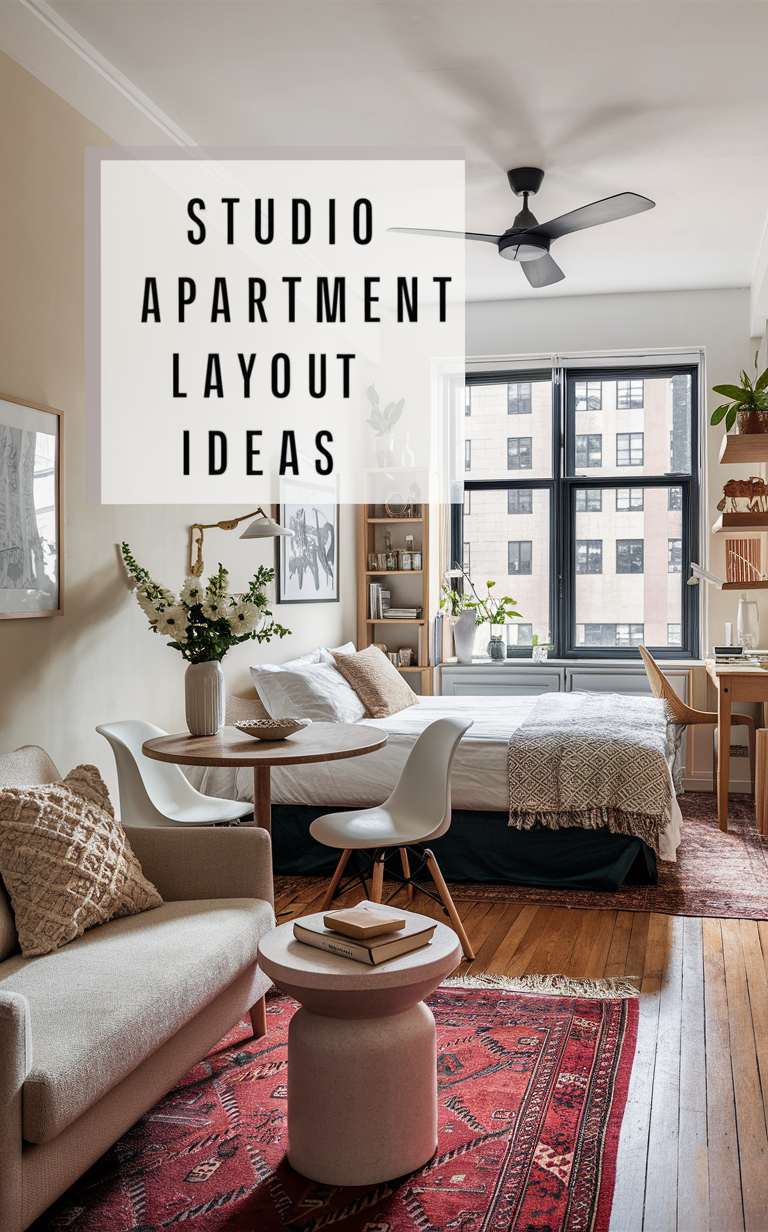
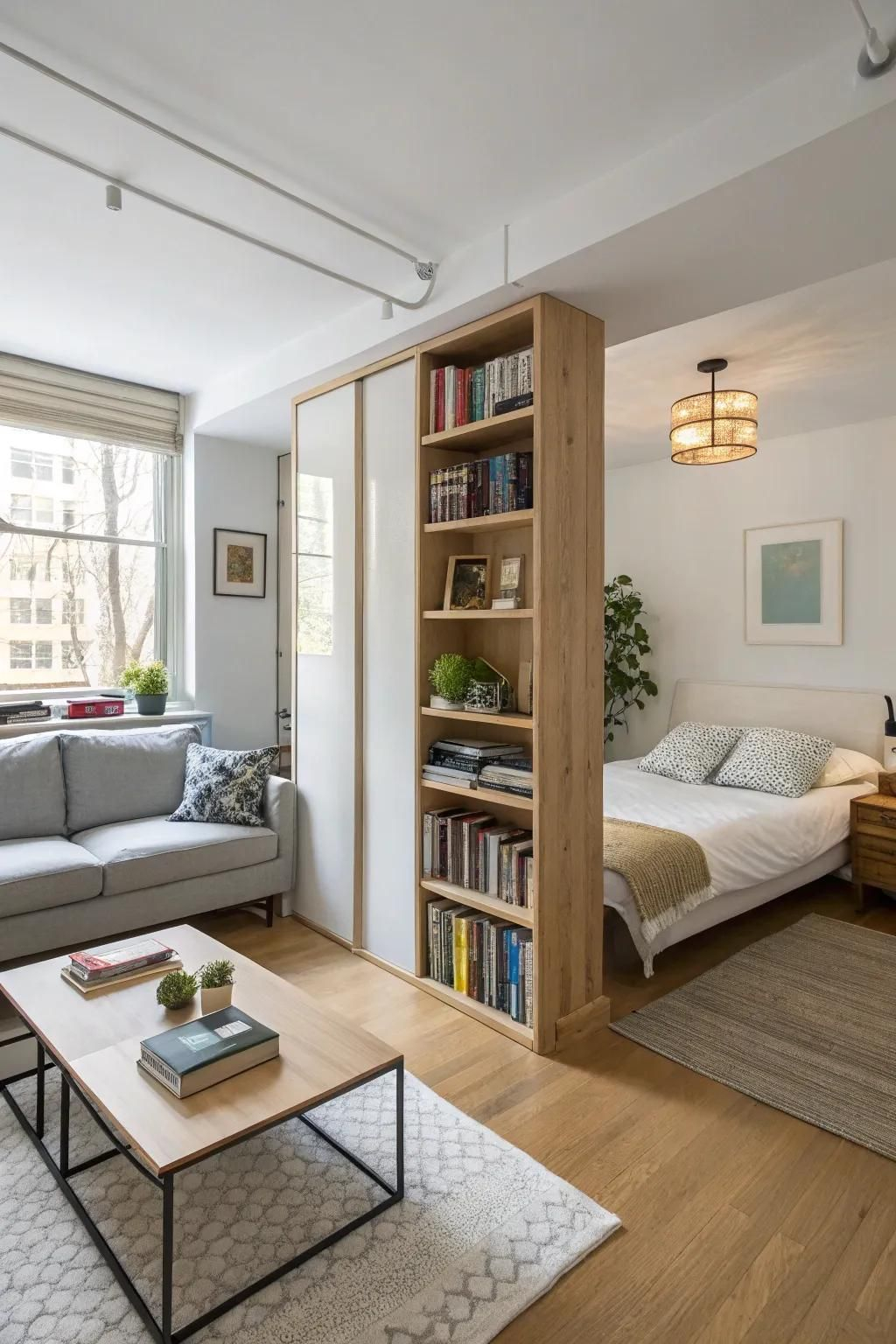
Even in a studio apartment, you need distinct zones. Sleeping, eating, working, and relaxing should feel like different experiences, even if they happen in the same physical footprint. Without zones, life feels blended and chaotic. You might try to relax on the couch but feel stressed because you can see your laptop and unpaid bills. Use rugs, lighting, and furniture arrangement to define these areas. A rug under the dining table anchors that space. A floor lamp next to the reading chair creates a cozy nook. These visual cues tell your brain, "This is where we eat," or "This is where we chill."
Lighting plays a huge role in zoning. Overhead lighting is often harsh and uniform. Layer your lighting instead. Use task lighting for work areas, warm ambient lighting for relaxation spots, and perhaps a dimmer switch for versatility. When you turn off the work lamp and turn on the soft floor lamp, you’re signaling to your body that the workday is over. This psychological separation is vital in small spaces where you can’t just walk into another room to escape. It’s about creating atmosphere. A string of fairy lights or a salt lamp can add warmth and define a corner as a "calm zone."
Keep the flow clear. Ensure there’s a path through your space that isn’t blocked by furniture. If you have to sidestep a chair to get to the kitchen, that friction adds up over time. It creates a subconscious sense of obstruction. Arrange furniture to facilitate movement, not hinder it. Sometimes, pulling furniture away from the walls slightly can create a better flow than pushing everything against the perimeter. It sounds counterintuitive, but it creates depth. And keep surfaces clear. The "one in, one out" rule helps here. If you buy a new plant, maybe an old knick-knack needs to go. Maintaining the balance is easier than fixing a collapse.
Organization isn’t a one-time event. It’s a habit. The most beautiful, organized home will fall into chaos if there’s no system to maintain it. But maintenance doesn’t mean cleaning for hours every day. It means small, consistent actions. The "two-minute rule" is a lifesaver. If a task takes less than two minutes, do it immediately. Hang up the coat. Wash the coffee mug. File the paper. These tiny actions prevent the buildup of small messes that eventually become overwhelming projects. It’s about staying ahead of the curve.
Create "landing strips" for high-traffic items. Everyone needs a place to drop their keys, wallet, and phone when they walk in the door. If you don’t have a designated spot, these items will migrate across every surface in your home. A small bowl, a hook, or a tray near the entrance solves this. Similarly, have a "donation box" that lives in your closet. When you realize you don’t wear a shirt, toss it in the box. When the box is full, take it to the charity shop. This makes decluttering an ongoing process, not a massive annual ordeal. It keeps the volume of stuff manageable.
Finally, be realistic about your habits. If you hate folding laundry, don’t buy a system that requires perfect folds. Use baskets. If you cook every night, don’t hide your pots and pans in a hard-to-reach cupboard. Keep them accessible. An organization system only works if it fits your life. If it fights against your natural tendencies, you’ll abandon it. Adjust your systems as your life changes. Maybe you got a new job. Maybe you started a hobby. Your home should evolve with you. Check in with your space once a season. Does it still feel calm? Does it still serve you? If not, tweak it. It’s your sanctuary. Treat it with care.
Living in a small space can be incredibly rewarding. It forces you to curate your life, to keep only what truly matters. It reduces the time spent cleaning and maintaining, giving you more time for experiences, relationships, and rest. The journey from chaotic to calm isn’t about perfection. It’s about progress. It’s about creating a home that supports you, rather than stresses you. Start small. Be kind to yourself. And remember, every item you let go of is a step toward a lighter, brighter life. You’ve got this.