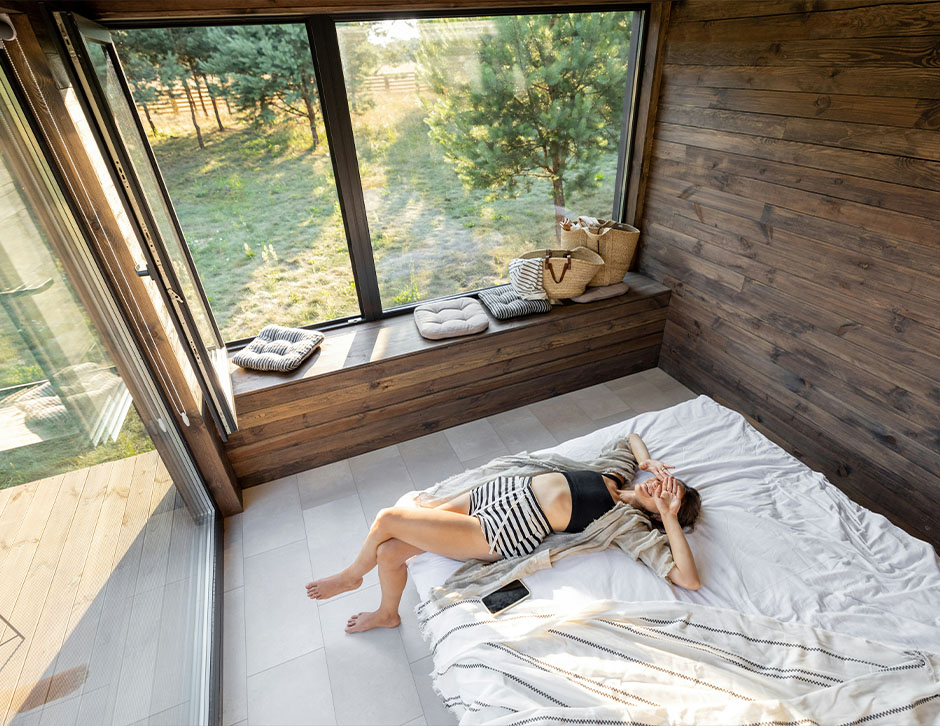
Ever walk into your bedroom and just feel… meh? You’re not alone. We spend roughly a third of our lives in this one room, yet it’s often the last place we give any real attention to. It becomes a dumping ground for laundry, a secondary office, or just a place to crash when you’re too tired to think. But what if that space could do more? What if it could actually help you feel closer to your partner, or just give you that deep, restorative exhale you’ve been craving?
It doesn’t take a contractor. It doesn’t even take a lot of cash. In 2026, the trend isn’t about massive overhauls or buying the most expensive mattress on the market. It’s about intention. It’s about those tiny, almost invisible shifts that change how a room feels in your bones. Think of it like seasoning a dish. You don’t need to cook a whole new meal; sometimes, just a pinch of salt or a squeeze of lemon changes everything. Let’s look at how you can sprinkle that magic into your own sanctuary.
Lighting Is the Mood Maker
Lighting is probably the single most underestimated tool we have for setting a tone. Most bedrooms suffer from what I call "the big light syndrome." You flip one switch, and harsh, overhead illumination floods the room, killing any sense of mystery or calm instantly. It’s functional, sure, but it’s hardly romantic. The fix? Layer your light. Start by banning the overhead light for evening hours. Instead, rely on lamps placed at different heights. A floor lamp in the corner, a small table lamp on the nightstand, and maybe even some subtle LED strips behind the headboard can create a warm, inviting glow that makes the walls feel softer.
Color temperature matters too. Look for bulbs labeled "warm white" or around 2700K to 3000K. These emit a yellowish, candle-like hue that signals to your brain that it’s time to wind down. Cool white or daylight bulbs are great for reading fine print or doing taxes, but they keep your body alert. By swapping out just a few bulbs, you’re hacking your circadian rhythm and creating an atmosphere that naturally encourages closeness. It’s a small change, costing maybe twenty bucks, but the impact on how safe and relaxed you feel is huge.
Don’t forget dimmers. If you can’t install hardwired dimmer switches, smart bulbs are a fantastic alternative. Being able to lower the lights with your phone or voice command as you settle into bed adds a layer of luxury and ease. It allows you to transition slowly from the chaos of the day to the quiet of the night. This gradual shift helps partners sync up, creating a shared ritual of slowing down together before sleep.
Texture Invites Touch
Romance is tactile. It’s about skin on skin, soft sheets, and the feeling of being enveloped in comfort. Yet, so many bedrooms are flat and visually interesting but physically cold. To fix this, you need to think in layers. Start with your bedding. You don’t need to buy a new comforter every season. Swapping out quilt covers or adding a textured throw at the foot of the bed can completely reset the mood. Linen, velvet, faux fur, or chunky knits each bring a different energy. Linen feels breezy and lived-in, while velvet feels luxurious and intimate.
Pillows are another easy win. Rotate them. Flip them. Add a couple of decorative shams that feel good to lean against. When you’re sitting up in bed talking or reading, having a plush surface to rest against makes the experience more enjoyable. It invites you to stay there longer. And let’s be honest, the longer you linger in bed together, the more likely connection happens. It’s not just about sex; it’s about presence.
Consider the floor, too. If you have hard flooring, a soft rug beside the bed is a game-changer. Stepping onto something warm and fuzzy first thing in the morning or last thing at night is a small pleasure that adds up. It grounds the space and absorbs sound, making the room feel quieter and more secluded. These textural elements act like a hug for the room, signaling to anyone who enters that this is a place to soften up and let go of defenses.
Scent Sets the Memory
Our sense of smell is directly linked to the emotional center of the brain. It’s powerful stuff. A specific scent can transport you back to a vacation, a childhood home, or a moment of pure peace. In the bedroom, curating a signature scent can anchor feelings of relaxation and intimacy. But be careful—overpowering fragrances can be headache-inducing rather than soothing. The goal is subtlety.
Essential oil diffusers are popular for a reason. Lavender is classic for sleep, but maybe you prefer sandalwood for warmth or bergamot for a slight uplift. Try blending scents to find what works for both you and your partner. Some people love floral notes, while others prefer earthy tones. It’s worth having a conversation about what smells good to both of you. You might discover a new favorite combination that becomes "your" scent.
Candles work well too, provided they’re soy or beeswax based to avoid toxic fumes. Lighting a candle an hour before bed creates a visual focal point and releases fragrance slowly. It’s a ritual. The act of striking the match, watching the flame catch, and smelling the aroma rise is a mindful pause in a busy day. It tells your nervous system that the work is done. Over time, that scent becomes a cue for your body to relax and open up to connection.
Decluttering Clears the Mind
You can’t relax in a space that feels chaotic. Visual clutter creates mental clutter. When your eyes scan the room and see piles of clothes, stacks of books, or tangled cords, your brain stays in low-level alert mode. It’s waiting for the next task. To create a romantic and comfortable haven, you need to clear the decks. This doesn’t mean you need a minimalist, sterile room. It means everything should have a home.
Start with the surfaces. Nightstands should be clear except for essentials: a lamp, a book, maybe a glass of water. Clear off the dresser top. If you have chairs in the corner that have become laundry racks, deal with the laundry. It sounds basic, but it’s foundational. When the physical space is orderly, it’s easier for your mind to settle. And when your mind is settled, you’re more present with your partner.
Hidden storage is your friend here. Baskets under the bed, drawers in the nightstand, or closed cabinets help keep things out of sight. The goal is to reduce visual noise. Think of your bedroom as a stage. If the stage is cluttered with props from other plays, the audience (you) can’t focus on the main event (rest and connection). A clean, tidy space feels respectful of the time you spend there. It says, "This space matters."
Personal Touches Tell Your Story
A hotel room can be perfectly made and beautifully lit, but it often lacks soul. It doesn’t know you. Your bedroom should reflect who you are as a couple or as an individual. It should tell your story. This doesn’t mean covering every wall with photos, though a few meaningful images can be lovely. It’s about including objects that have significance. A souvenir from a trip you took together, a piece of art you both love, or even a collection of shells from a beach walk.
These items serve as conversation starters and memory anchors. They remind you of shared joy and experiences. In times of stress or disconnect, looking around at these personal touches can remind you of the bond you share. It adds depth to the room. It makes it feel inhabited and loved. Avoid generic decor just because it’s trendy. Choose things that spark joy or nostalgia for you specifically.
Also, consider the layout. Does the bed face the door? Some people find that comforting; others find it exposing. Experiment with moving furniture slightly. Sometimes, just angling a chair differently or moving a plant can change the flow of energy in the room. Make the space work for your habits. If you love reading in bed, ensure the lighting is right for that. If you love morning coffee together, create a small nook for it. Tailoring the space to your actual life makes it infinitely more comfortable.
In 2026, our devices are more integrated than ever. But the bedroom should be a tech-light zone. Screens emit blue light that disrupts sleep, but more importantly, they are portals to the outside world. Checking emails, scrolling social media, or watching news in bed keeps your mind engaged with stressors and distractions. It pulls you out of the present moment and away from your partner.
Create a charging station outside the bedroom. Buy old-fashioned alarm clocks if you need to wake up. This simple boundary forces you to disconnect. It reclaims the bed as a place for sleep, intimacy, and relaxation only. At first, it might feel weird. You might reach for your phone out of habit. But over time, you’ll notice a difference. The silence becomes richer. The conversations become deeper. You start to notice the small details of your partner’s face again.
If you must have tech in the room, keep it minimal and intentional. Maybe an e-reader for books, but set it to warm light mode. Or a speaker for music, but use it to play ambient sounds or playlists you both enjoy, not to stream podcasts while trying to fall asleep. The goal is to protect the sanctity of the space. By keeping the digital world at bay, you make room for the human world to flourish. It’s a small discipline that yields massive rewards in connection and rest quality.
Transforming your bedroom doesn’t require a magazine budget or a weekend of heavy lifting. It’s about paying attention. It’s about noticing how the light falls, how the sheets feel, and what smells trigger calm. These small changes accumulate. They weave together to create a tapestry of comfort that supports your well-being and your relationships.
Start with one thing. Maybe it’s buying a warmer lightbulb tonight. Maybe it’s clearing off your nightstand tomorrow morning. See how it feels. Notice the shift. Then add another layer. Before you know it, you’ll have created a space that doesn’t just look good, but feels like a true refuge. A place where you can breathe, connect, and rest deeply. And really, isn’t that what home is supposed to be?