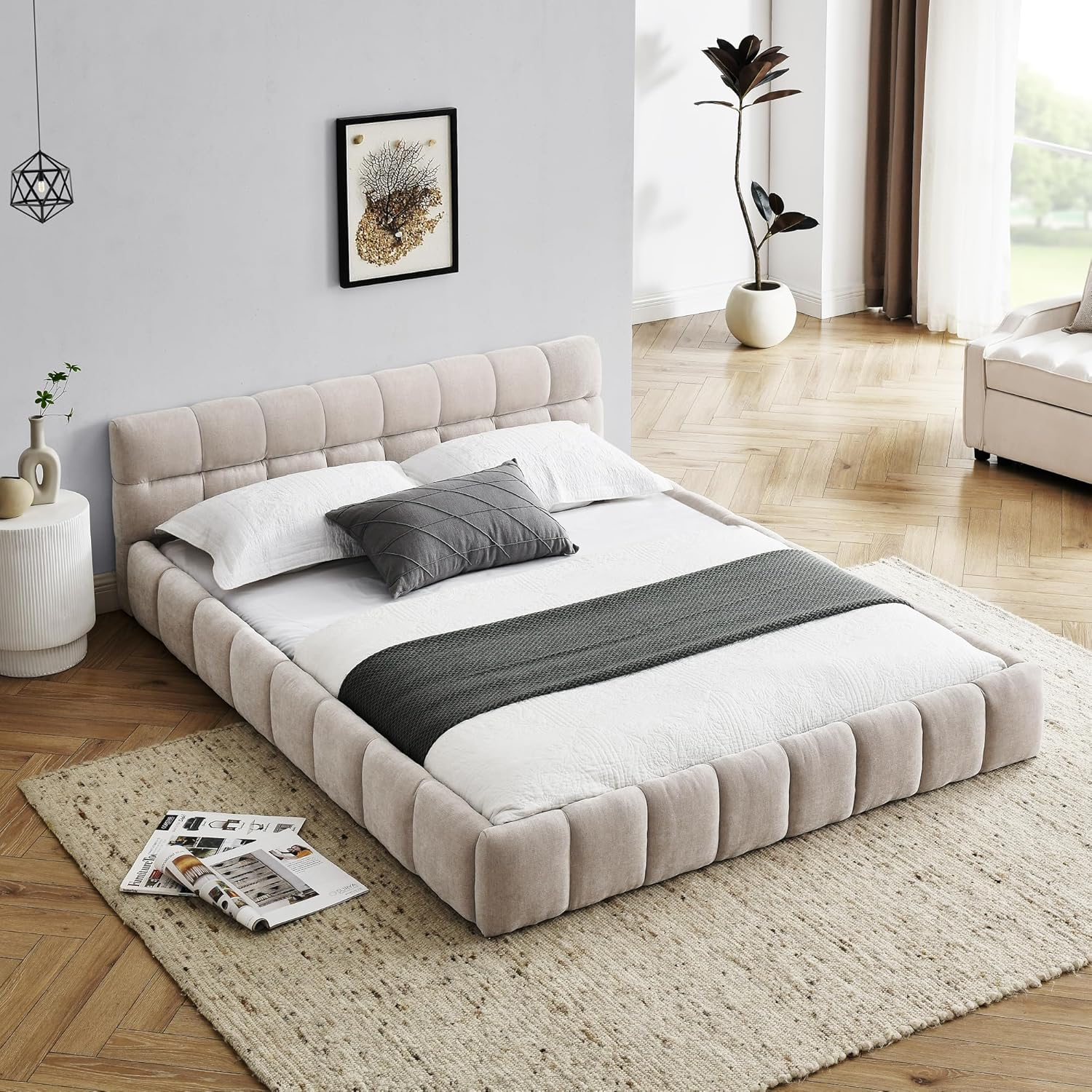
We’ve all been there. It’s 11:30 PM. You’re exhausted, bones heavy, eyes burning. But instead of drifting off, you’re scrolling. Just one more email. One more notification. One more doom-scroll through the endless feed. By the time you finally put the phone down, your brain is buzzing like a beehive. Sound familiar? In 2026, where our devices are practically glued to our hands and the line between work and home has blurred into non-existence, the bedroom has become the last casualty of our busy lives. It’s no longer just a place to sleep; it’s an overflow office, a gym, a streaming hub, and sometimes, a storage unit for laundry we swear we’ll fold tomorrow.
But what if your bedroom could be different? What if it was actually… quiet? Not just silent, but deeply, profoundly calm. A place where your nervous system exhales the moment you cross the threshold. Creating a restful sanctuary isn’t about buying expensive furniture or following rigid design rules. It’s about intention. It’s about reclaiming a space that belongs entirely to you and your need for restoration. And honestly? We need it now more than ever. Recent studies from early 2026 show that nearly 60% of adults struggle with consistent sleep quality, largely due to environmental stressors and digital overstimulation. This isn’t just about being tired. It’s about health. It’s about sanity. Let’s fix it.
The Digital Detox: Unplugging to Power Down
The biggest thief of sleep isn’t caffeine or stress. It’s the blue light glowing in your pocket. We know this. We’ve known it for years. Yet, here we are in 2026, still checking our phones right before bed. Why? Because it’s habit. Because it’s easy. But breaking this cycle is the single most impactful change you can make for your bedroom sanctuary. It starts with a hard boundary. No screens in the bed. Period. If you use your phone as an alarm clock, buy a real alarm clock. They cost ten bucks and look kinda cute on a nightstand. Trust me, the freedom of not reaching for your device first thing in the morning—or last thing at night—is worth every penny.
But it’s not just about the phone. Look around your room. Do you have a TV mounted on the wall? A laptop sitting on the dresser? These are visual cues that tell your brain, "This is a place for activity," not rest. Try to remove them. If you can’t remove the TV, cover it with a beautiful piece of art or a sliding panel when it’s not in use. Hide the tech. Out of sight, out of mind. Some people are taking this further by installing "smart" lighting systems that automatically dim and shift to warm, amber tones after sunset, mimicking the natural circadian rhythm. While tech can help, the goal is to reduce reliance on it. Think of your bedroom as a charging station for you, not your gadgets.
If going cold turkey feels impossible, start small. Create a "charging station" outside the bedroom. Maybe it’s a small table in the hallway or a drawer in the kitchen. Plug everything in there at 9 PM. Then, walk away. Replace that scrolling time with something analog. Read a physical book. Journal. Stretch. Listen to soft music on a dedicated speaker that doesn’t connect to the internet. The transition might feel weird at first. You might feel phantom vibrations in your pocket. But within a week, you’ll notice your mind settling faster. The anxiety of "missing out" fades, replaced by the comfort of being present. And isn’t that what we’re all chasing anyway?
Lighting the Way: Mastering Circadian Rhythms
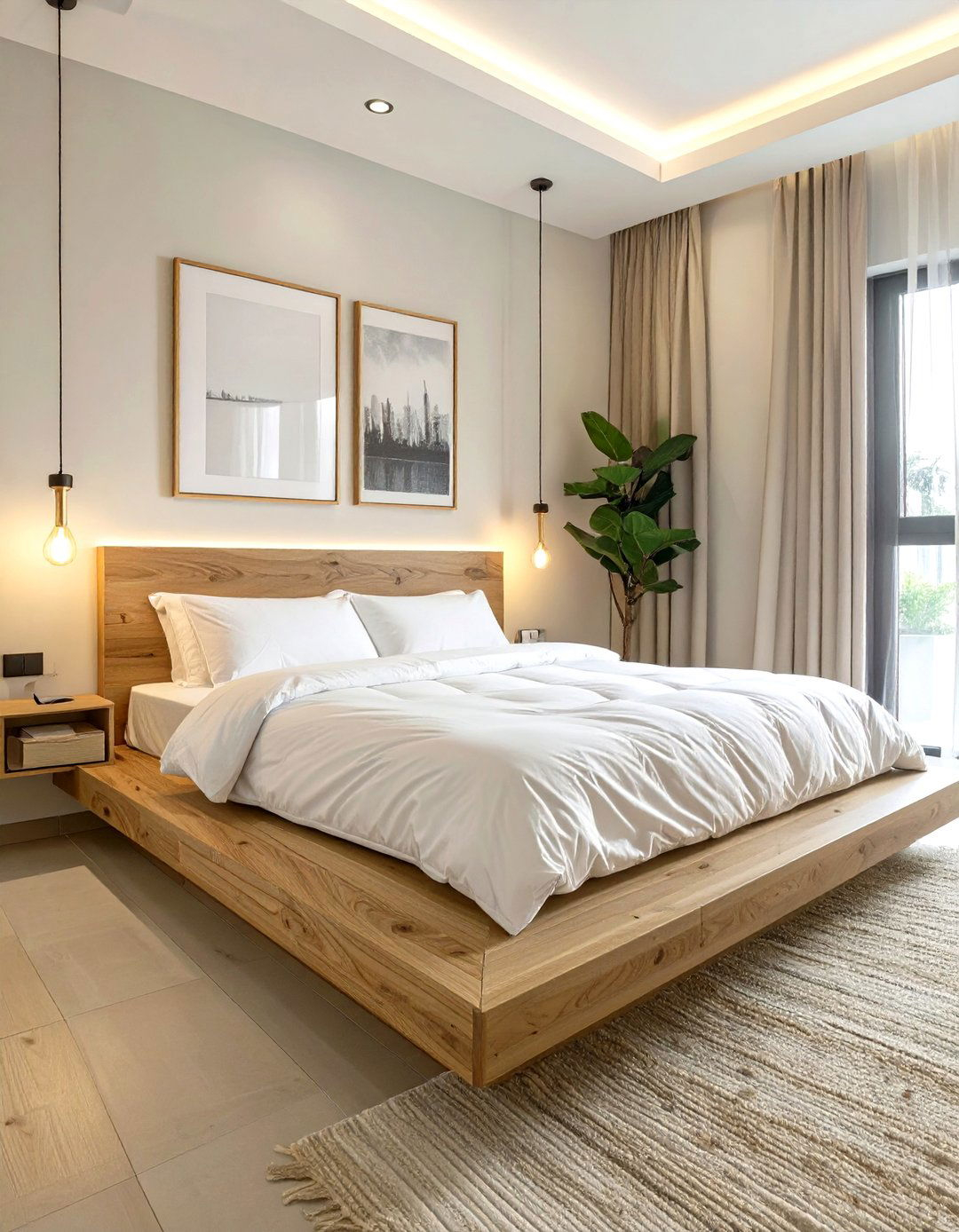
Light is language. It speaks to our biology in ways we’re only beginning to fully understand. For decades, we’ve blasted our homes with harsh, cool-white LED bulbs that mimic midday sun, even at midnight. This confuses our bodies. It suppresses melatonin, the hormone that tells us it’s time to sleep. In 2026, lighting design has shifted dramatically toward "human-centric" solutions, but you don’t need a professional designer to get it right. You just need to think in layers. Start by swapping out those bright white bulbs for warm ones. Look for color temperatures below 3000 Kelvin, ideally around 2700K or even 2200K for evening use. That soft, golden glow signals to your brain that the day is done.
Next, consider the source. Overhead lighting is the enemy of relaxation. It’s flat, harsh, and clinical. Instead, rely on low-level lighting. Table lamps, floor lamps, and even wall sconces placed at eye level or below create a cozy, cave-like atmosphere. This is crucial. When light comes from below eye level, it feels safer, more primal. It triggers a relaxation response. Try using dimmer switches on every lamp. Being able to adjust the brightness as the evening progresses helps your body wind down gradually. Some folks are even using smart bulbs that sync with their local sunset times, slowly dimming over the course of an hour. It’s a gentle nudge toward sleep, rather than a sudden shutdown.
Don’t forget about the morning, though. Your sanctuary needs to welcome the day, too. Blackout curtains are essential for blocking streetlights and early sun, ensuring deep sleep, but make sure they aren’t so heavy that they make the room feel like a tomb during the day. Consider layering them with sheer curtains that let in diffused, soft natural light when you wake up. Natural light in the morning helps reset your circadian clock, boosting mood and energy for the day ahead. If your room faces east, you’re lucky. If not, maybe a sunrise-simulating alarm clock can help trick your brain into waking up gently. The key is control. You should dictate the light, not the other way around.
Sensory Comfort: Textures, Temperatures, and Scents
Sleep is a full-body experience. It’s not just about closing your eyes; it’s about how your skin feels against the sheets, how the air smells, and whether you’re shivering or sweating. Let’s talk textiles first. In 2026, sustainable fabrics are huge, but beyond the eco-friendly aspect, they offer incredible comfort. Look for natural fibers like organic cotton, linen, or bamboo. These materials breathe. They wick moisture away from your body, keeping you cool and dry. Synthetic fabrics like polyester trap heat and can leave you feeling sticky and restless. Invest in the best sheets you can afford. You spend a third of your life in bed. Isn’t that worth a little splurge? Layering is also key. A lightweight duvet, a heavier quilt, and a throw blanket allow you to adjust to temperature changes throughout the night without kicking off all your covers.
Temperature plays a massive role in sleep quality. Most experts agree that a cooler room is better for sleep, ideally between 60 and 67 degrees Fahrenheit (15-19 Celsius). Your body temperature needs to drop to initiate sleep. If your room runs hot, consider a cooling mattress pad or a fan. Not just for the white noise (more on that later), but for the air circulation. Some newer smart thermostats can even learn your sleep schedule and lower the temperature automatically an hour before bedtime. It’s a small tweak that makes a big difference. If you tend to get cold, stick to warm socks and layered bedding rather than cranking up the heat, which can dry out the air and irritate your sinuses.
Then there’s scent. Our sense of smell is directly linked to the limbic system, the part of the brain that handles emotion and memory. A calming scent can trigger an immediate relaxation response. Lavender is the classic choice, backed by plenty of research showing it lowers heart rate and blood pressure. But it’s not for everyone. Some prefer chamomile, sandalwood, or even just the clean smell of fresh air. Avoid synthetic air fresheners or plug-ins with harsh chemicals. Opt for natural essential oil diffusers, or simply open the window for ten minutes before bed to let the stale air out. Keep it subtle. The scent should be a whisper, not a shout. You want to notice it only when you’re paying attention, creating a subconscious association between that smell and safety.
Decluttering the Mind Through Physical Space
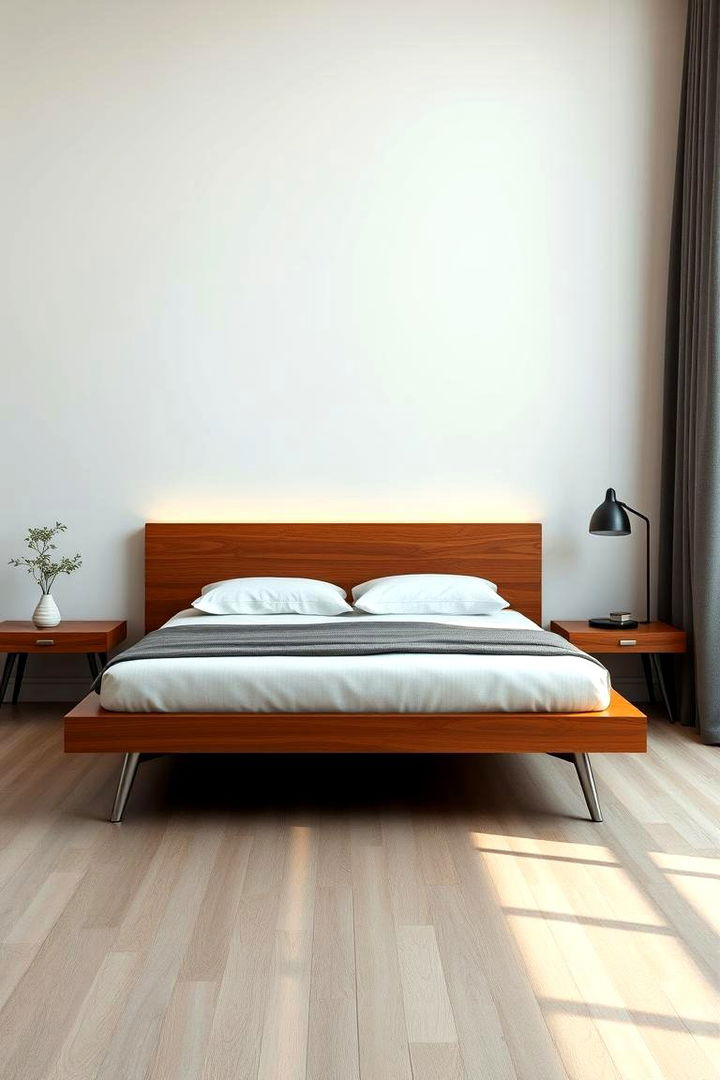
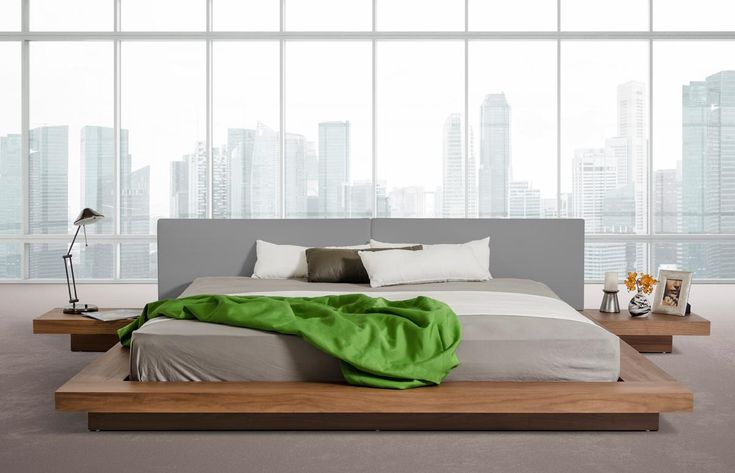
Clutter is visual noise. Every pile of clothes, every stack of papers, every unused gadget on your nightstand is a tiny demand on your attention. Even if you’re not consciously looking at it, your brain is processing it. In a world that’s already overloading our cognitive load, a cluttered bedroom is the last thing we need. Creating a sanctuary means editing ruthlessly. This doesn’t mean you need a minimalist, sterile room. It means everything in the room should serve a purpose or bring you joy. If it doesn’t, it goes. Start with the surfaces. Nightstands, dressers, and floors should be clear. Put things in drawers. Hide the chaos.
The bed itself should be a no-work zone. No laptops, no bills, no laundry baskets. It’s for sleep and intimacy. That’s it. If you have a small room, this can be tough. Use vertical space. Install shelves high up on the walls for books or decor that doesn’t need to be accessed daily. Use under-bed storage for seasonal items. The goal is to create open space for your eyes to rest. When you look around the room, your gaze should flow smoothly, not get stuck on piles of stuff. This physical order creates mental order. It’s hard to feel anxious in a space that feels contained and cared for.
Also, consider the emotional weight of objects. Do you have gifts you hate? Clothes that don’t fit? Papers from a job you left five years ago? These items carry energetic baggage. Let them go. Donate, recycle, or trash them. It’s freeing. In 2026, we’re seeing a rise in "mindful consumption," where people are buying less but choosing better. Apply this to your bedroom. Choose fewer, higher-quality pieces that you truly love. A single beautiful chair is better than three cheap ones gathering dust. A single piece of art that moves you is better than a gallery wall of prints you bought because they were on sale. Your bedroom should reflect who you are now, not who you were or who you think you should be.
Color Psychology and Biophilic Design
What color is your bedroom? If it’s bright red or neon yellow, you might want to reconsider. Color has a profound impact on mood. For a restful sanctuary, think soft, muted, and natural. Earth tones like sage green, warm beige, soft terracotta, or dusty blue are incredibly calming. They mimic the colors found in nature, which our brains are wired to find soothing. White can work, but it needs warmth. Pure stark white can feel clinical. Opt for off-whites or creams with yellow or pink undertones. These shades reflect light softly and create a cocooning effect. Avoid high-contrast patterns on large surfaces. They can be visually stimulating and distracting when you’re trying to wind down.
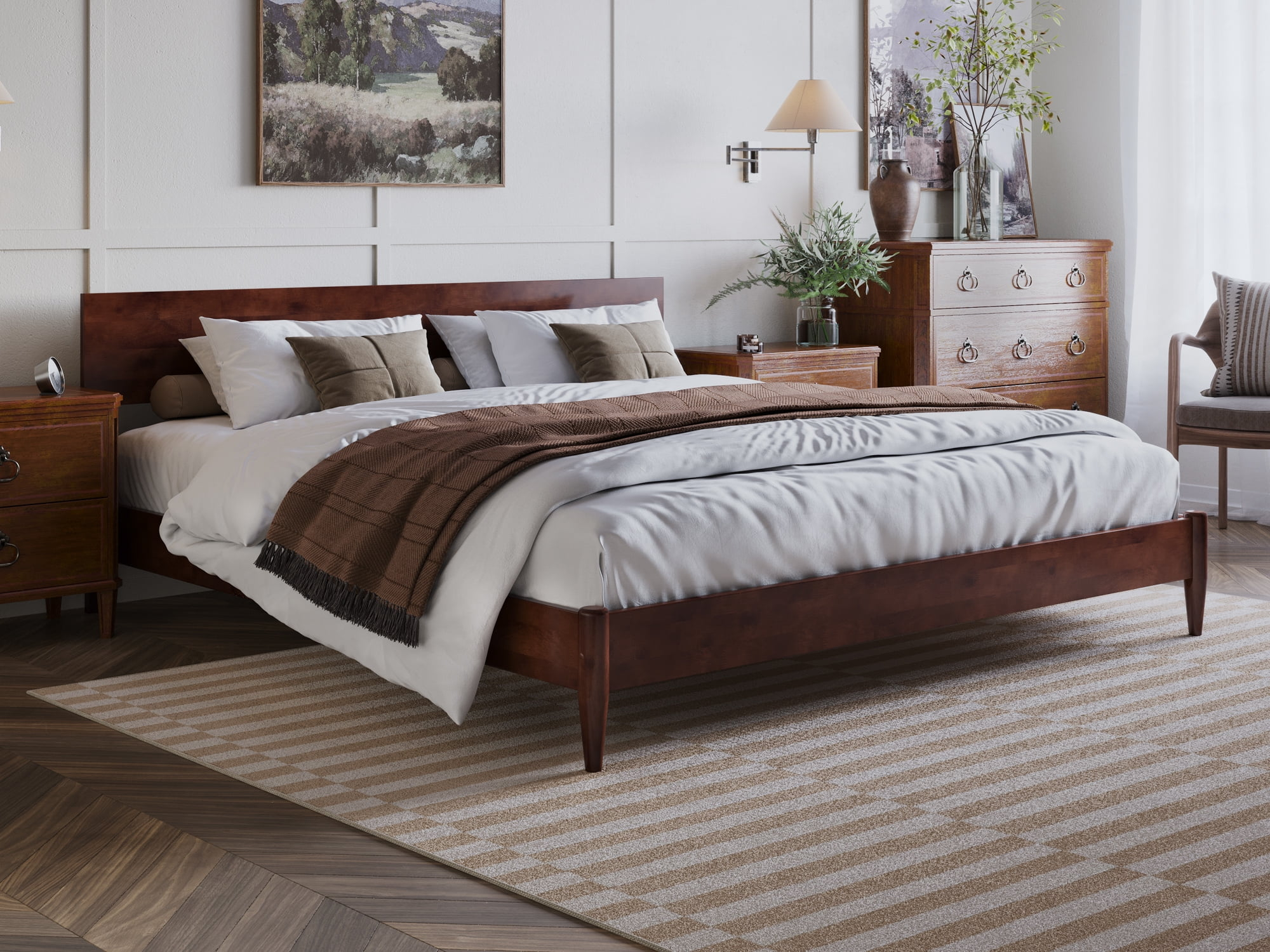
This ties into biophilic design, which is basically a fancy way of saying "bring the outdoors in." Humans have an innate connection to nature. Being around plants, natural materials, and natural light reduces stress and improves well-being. Add a few low-maintenance houseplants to your bedroom. Snake plants, pothos, or peace lilies are great because they thrive in low light and help purify the air. Just don’t overdo it. You don’t want a jungle that attracts bugs or feels cramped. A pot or two on a shelf or nightstand is enough. Use natural materials wherever possible. Wood, stone, wool, cotton. These textures add depth and warmth that plastic and metal just can’t match.
If you can’t have real plants, bring in images of nature. Artwork featuring landscapes, forests, or oceans can have a similar calming effect. Sounds of nature, like rain or ocean waves, can also be incorporated through a sound machine. The idea is to create a sensory environment that feels safe and grounded. In 2026, with so much of our lives happening in virtual spaces, the tangible, organic feel of a biophilic bedroom is a necessary counterbalance. It reminds us that we are part of the natural world, not separate from it. This connection fosters a sense of peace that’s hard to find elsewhere. So, look at your walls. Are they shouting or whispering? Aim for the whisper.
A sanctuary isn’t just a physical space; it’s a state of mind. And getting into that state requires a transition. You can’t go from high-stress work mode to deep sleep in two seconds flat. You need a buffer zone. A ritual. This doesn’t have to be complicated or time-consuming. It just needs to be consistent. Maybe it’s brewing a cup of herbal tea. Maybe it’s doing five minutes of stretching. Maybe it’s reading ten pages of a book. The key is to do the same thing every night. This trains your brain to recognize that when you do X, it’s time to sleep. It’s like Pavlov’s dog, but for rest.
In our modern homes, boundaries are blurry. We work from bed. We eat in bed. We watch movies in bed. This erodes the association between the bedroom and sleep. Re-establish that boundary. Make your bedroom a sacred space. If you live in a studio apartment, use a room divider or a curtain to physically separate your sleeping area from your living area. Even a small screen can create a psychological divide. When you cross that line, you leave the day behind. Leave the worries, the emails, the to-do lists on the other side. They’ll still be there in the morning, but they don’t belong in the sanctuary.
Another part of this ritual is preparing the space for the next day. Take five minutes before bed to tidy up. Put away your clothes. Clear your nightstand. Fluff your pillows. This act of care is a gift to your future self. Waking up to a clean, orderly room sets a positive tone for the day. It reduces morning stress and helps you start fresh. It’s a small act, but it’s powerful. It says, "I value my rest. I value my space. I value myself." In a world that often feels chaotic and demanding, this simple ritual is an act of rebellion. It’s a declaration that rest is not a luxury; it’s a necessity. And you deserve it.
Creating a restful bedroom sanctuary isn’t a one-time project. It’s an ongoing practice. It’s about listening to your body and adjusting your environment to meet its needs. Some nights you’ll need extra darkness. Other nights, you’ll need a warmer blanket. Pay attention. Be flexible. But stay committed to the core principles: reduce digital noise, optimize light, prioritize comfort, clear clutter, connect with nature, and honor the transition. These aren’t just design tips. They’re tools for better living.
As we move further into 2026, the pressures of modern life aren’t going away. If anything, they’re intensifying. But we have the power to create pockets of peace. Your bedroom is the most important pocket of all. It’s where you recharge. Where you heal. Where you dream. Don’t let it become an afterthought. Treat it with the care and respect it deserves. Start small. Swap a bulb. Clear a surface. Buy a real alarm clock. See how it feels. Notice the difference in your sleep. Notice the difference in your mood.
You might be surprised by how much a little intention can change everything. It’s not about perfection. It’s about progress. It’s about creating a space that supports you, night after night. So tonight, when you walk into your bedroom, take a deep breath. Look around. What can you change? What can you let go of? How can you make this space more yours? The answers are there. You just have to listen. And then, slip under the covers, turn off the light, and rest. You’ve earned it.