The alarm goes off at six in the morning, but the room does not scream to life. There are no frantic neon digits, no visual clutter of plastic charging stations, and no aggressive geometric patterns demanding your attention before your eyes have even fully opened. Instead, the first thing you notice in the bedroom is what isn’t there. There is an absence of visual noise. The air feels heavy with calm, the light diffuses softly across textured plaster walls, and the bedding invites you to linger just a few moments longer.
For the past several years, interior design swung wildly between hyper-curated minimalist sterility and maximalist, dopamine-driven pattern clashing. We filled our homes with bold accent walls and trendy decor items that felt outdated almost the moment the boxes were unpacked. But somewhere around the turn of the year, a collective exhale swept through the design world. People grew tired of living inside a mood board optimized solely for algorithmic engagement.
The focus shifted away from shouting for attention and toward whispering for peace. Sleep spaces, in particular, underwent a profound philosophical evolution. We stopped treating the bedroom as a mere storage container for a mattress and started treating it as a restorative ecosystem. Quiet luxury entered the conversation not as a fleeting aesthetic fad, but as a deliberate rejection of fast-furnishing culture. It is an ethos built on permanence, sensory comfort, and an uncompromising dedication to materials that age gracefully over decades rather than seasons.
The Anatomy of Restraint: Why Warm Neutrals Have Dethroned Cool Grays
For over a decade, the modern home was swallowed by a sea of sterile grays, stark brilliant whites, and high-gloss chrome finishes. While these palettes promised cleanliness and contemporary flair, they often achieved the exact opposite effect in the bedroom, transforming intimate sleeping quarters into spaces that felt clinical, cold, and unwelcoming. The current design landscape has decisively pivoted away from these frigid tones, embracing a sophisticated spectrum of warm neutrals that actively ground the human nervous system.
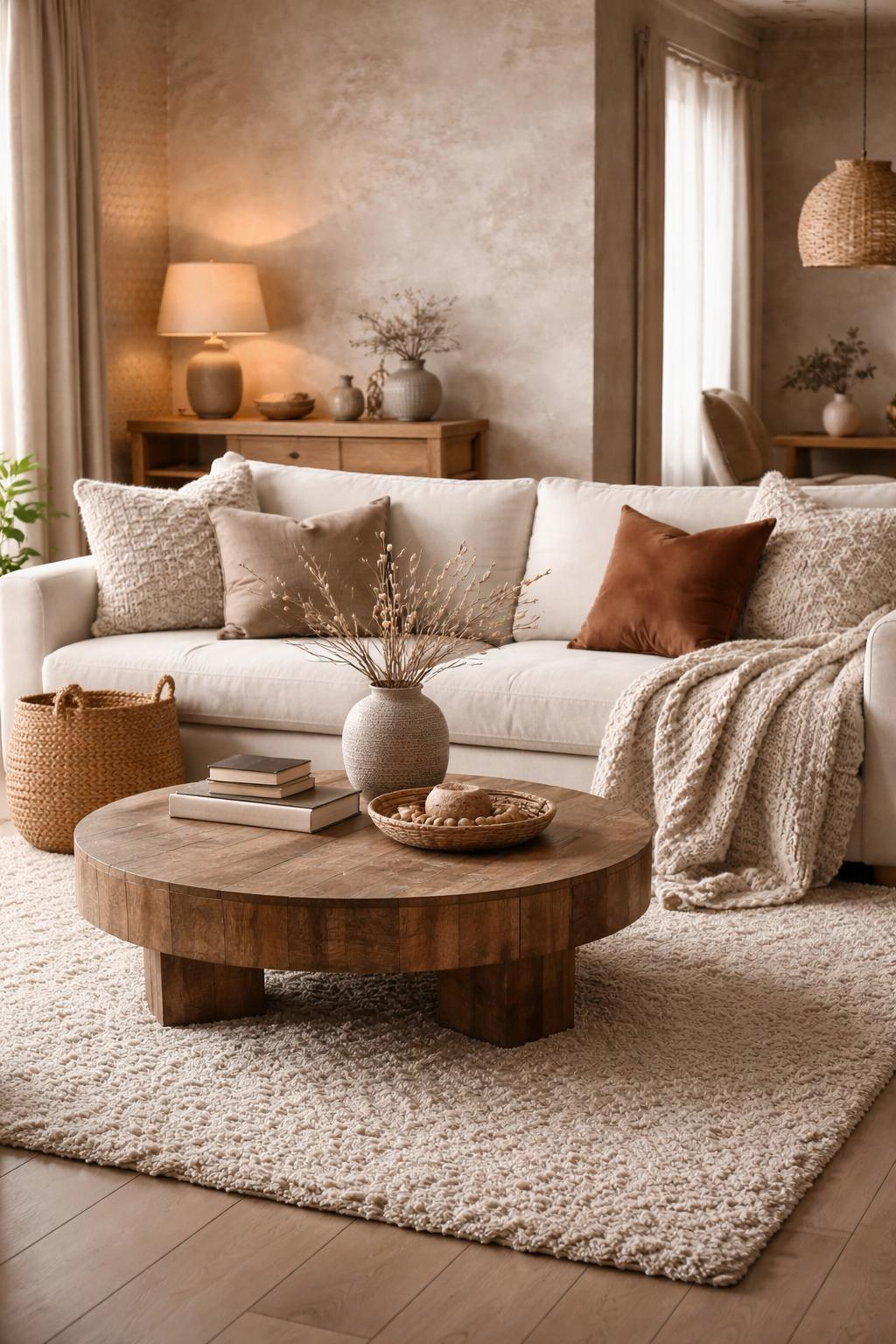
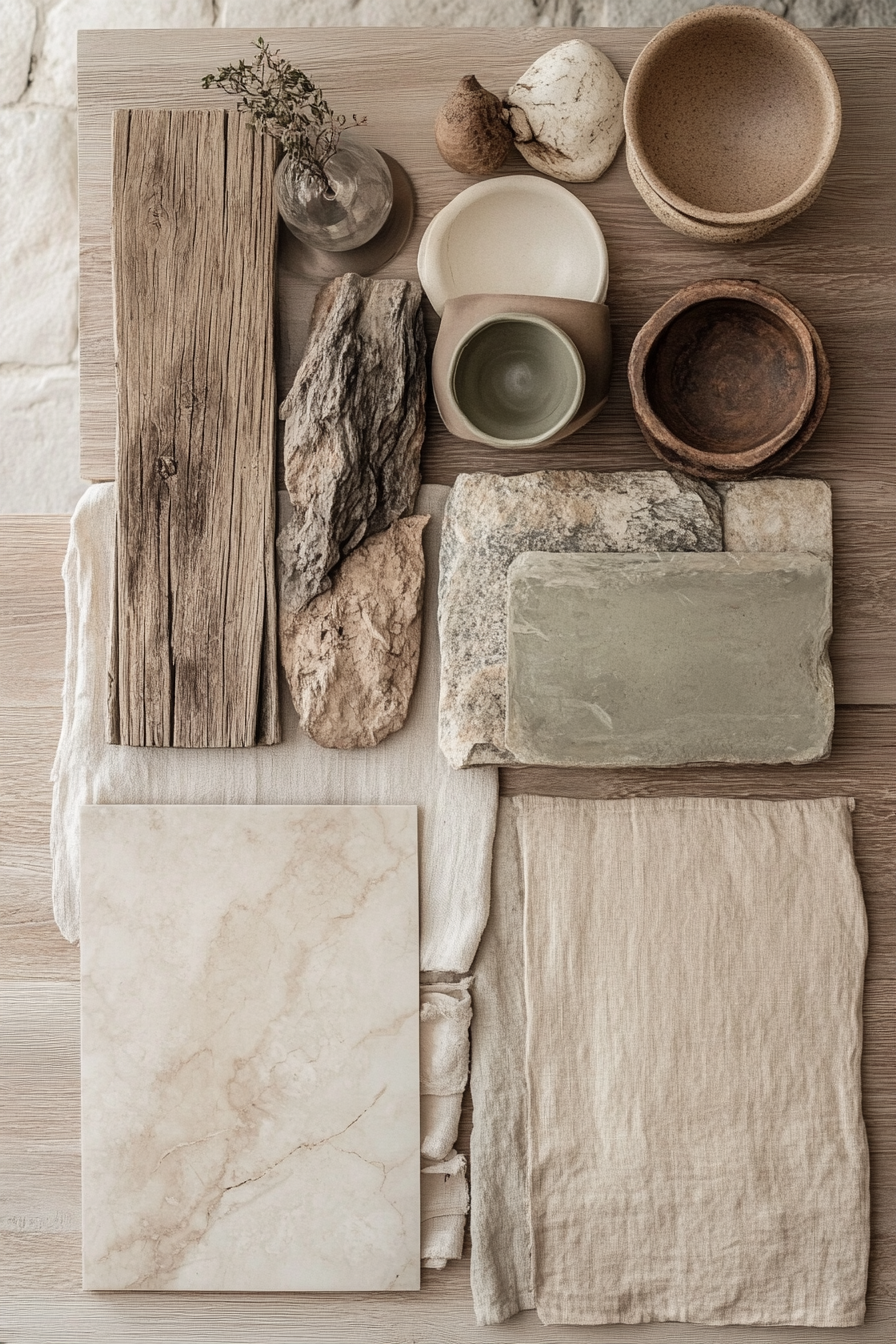
Warm neutrals work because they mimic the organic palette of the natural world. Think of soft cream, rich taupe, raw linen, pale stone, greige, and antiqued wood tones. These colors do not reflect light with harsh intensity; instead, they absorb and diffuse it, creating a soft, womb-like cocoon that signals to the brain that the day’s labor is officially over. When you paint a bedroom in tones of warm alabaster or subtle mushroom, the boundaries of the room seem to soften, dissolving the tight edges of modern architecture into a fluid, calming expanse.
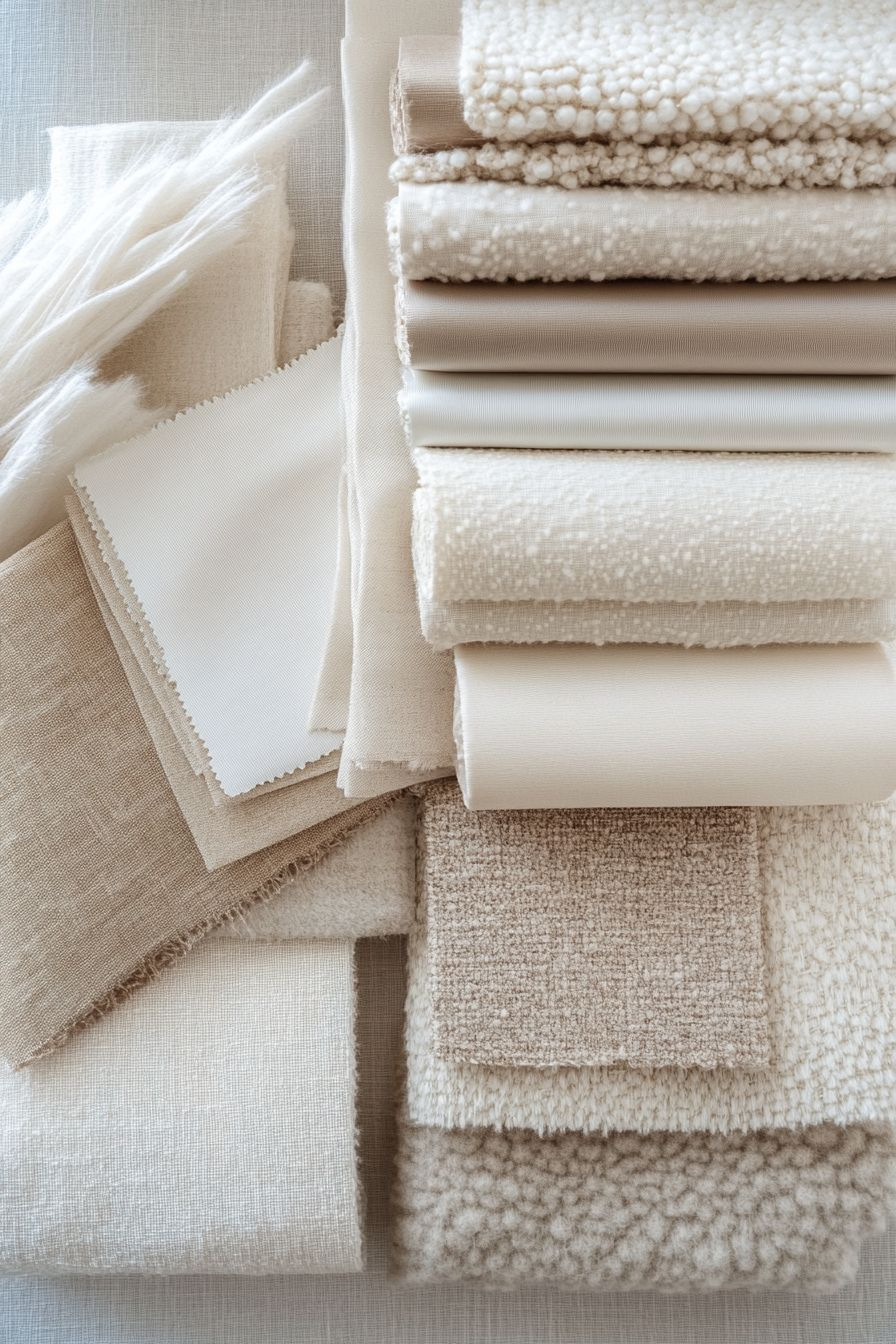
Underpinning this color shift is a rejection of synthetic perfection. The materials chosen to carry these warm neutrals—raw lime wash, unsealed travertine, European flax linen, and heavy wool boucle—possess subtle imperfections. A linen duvet cover is never entirely smooth; it features tiny slubs and natural wrinkles that catch the low morning light. This inherent texture is precisely the point. By prioritizing tactile richness over visual uniformity, quiet luxury creates a sensory environment that feels genuinely lived-in, deeply comforting, and effortlessly expensive without relying on overt logos or flashy design statements.
Stripping Away the Noise: The Psychology of the Uncluttered Sleep Sanctuary
True luxury has always been defined by space and time, two commodities that are increasingly scarce in modern existence. In the bedroom, quiet luxury translates this definition into physical reality by fiercely editing out non-essential elements. The bedside table is no longer a catch-all for half-read paperbacks, rogue charging cables, and stray hand creams. It is a curated surface holding perhaps a single ceramic vessel, a heavy stone lamp, and an analog clock.
This rigorous minimalism is not about chasing an impossible aesthetic standard; it is rooted in environmental psychology. Clutter is a constant, low-level visual stressor. Every object in our field of vision sends a microscopic signal to the brain requiring cognitive processing. When you wake up to a room stripped of visual clutter, your cortisol levels remain stable. You are not immediately greeted by a to-do list disguised as household decor.
Furthermore, this editing process extends to furniture silhouettes and spatial flow. Heavy, ornate headboards and massive, matching bedroom suites have given way to low-profile platform beds upholstered in muted textiles, sculptural nightstands crafted from solid white oak, and built-in wardrobes that blend seamlessly into the wall plane. The goal is to maximize open floor space and invite deep, uninterrupted breathing. When the room is quiet, the mind can finally follow suit.
Crafting Your Own Quiet Luxury Haven Through Intentional Layering
Transforming a chaotic, over-styled bedroom into a serene sanctuary of quiet luxury does not require a total gut renovation or an unlimited budget. It requires a strategic shift in how you select, layer, and maintain the textiles and surfaces you interact with daily. Every addition to the space must pass a rigorous sensory test: Does it feel exceptional against the skin? Does it soften the acoustics of the room? Will it look better in ten years than it does today?
- Step 1 (Audit and Edit the Palettes): Remove all high-contrast, synthetic, or aggressively patterned items from the room, including graphic art prints, brightly colored throw pillows, and polyester blend sheets. Paint the walls in a matte mineral or lime-wash finish using nuanced warm neutrals like soft taupe, pale stone, or creamy alabaster to create a soft, light-absorbing foundation.
- Step 2 (Invest in Authentic, Breathable Textiles): Replace standard bedding with heavy-weight European flax linen or organic cotton percale in muted earth tones. Layer your bed with a waffle-weave cotton blanket and a tactile wool or cashmere throw at the foot of the bed to add visual depth without relying on color.
- Step 3 (Curate Low-Intensity Lighting Sources): Eliminate harsh overhead ceiling fixtures entirely or place them on a dedicated dimmer switch. Layer warm-temperature table lamps featuring ceramic bases, linen drum shades, or amber glass diffusers to cast a golden, inviting glow at eye level during evening hours.
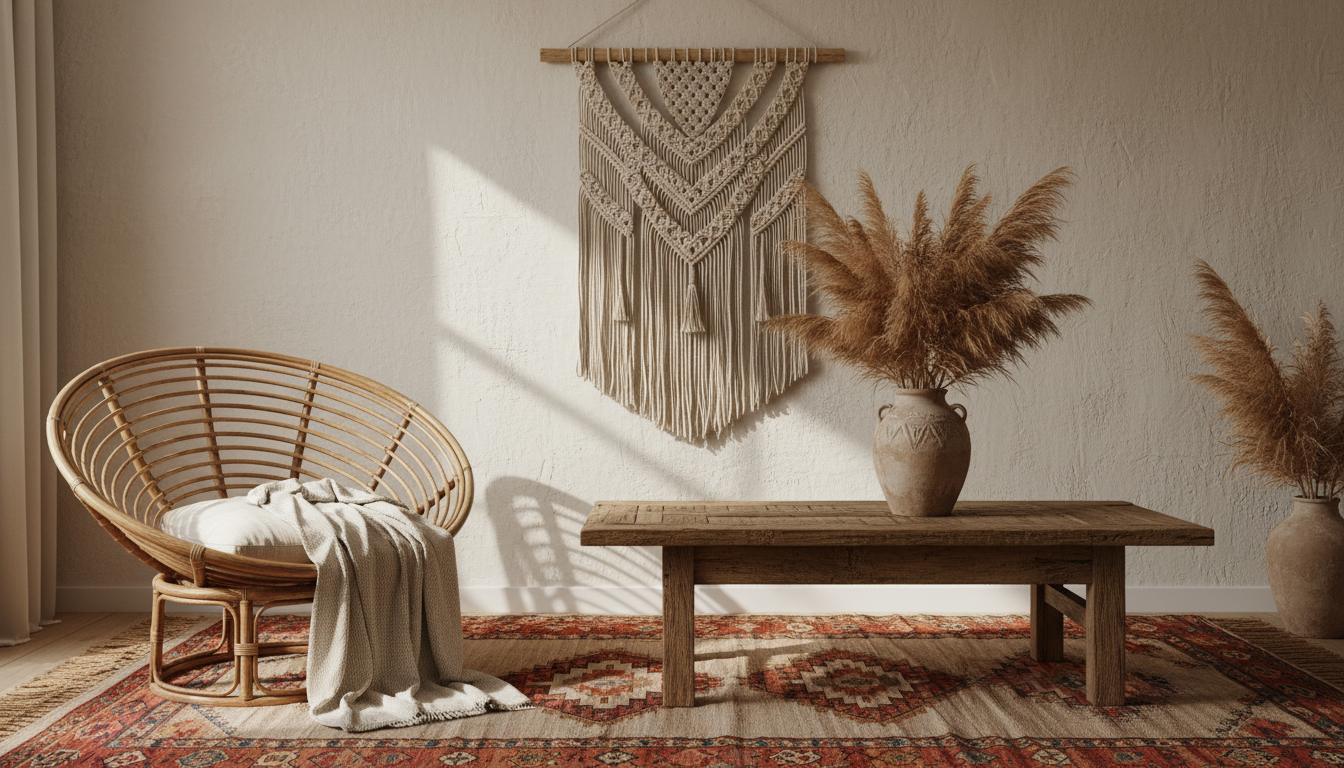
- Step 4 (Anchor the Room with Natural Materials): Introduce grounding elements such as unpolished wood nightstands, a wool area rug with a high, undyed pile, or a rattan accent chair. Avoid glossy synthetic veneers or shiny chrome hardware, opting instead for unlacquered brass, aged bronze, or matte black iron details.
- Step 5 (Concealed Storage and Digital Detox): Remove all visible plastic containers, laundry hampers with open mesh, and television screens. Utilize closed wooden cabinetry, woven baskets with fitted lids, and dedicated charging drawers to keep technology entirely out of sight once the sun goes down.
Common Pitfalls That Ruin the Illusion of Effortless Sophistication
Achieving the effortless, high-end feel of quiet luxury is surprisingly delicate. It is very easy to cross the line from understated elegance into cold sterility or dull monotony. Because the palette is restrained, every misstep stands out with glaring clarity. Avoiding these common design traps ensures your bedroom remains a sanctuary rather than feeling like an unfinished hotel room.
- Pitfall 1 (Monochromatic Flatness): Relying entirely on a single shade of beige or cream without varying textures, resulting in a space that feels flat and lifeless. Workaround: Introduce multiple tactile dimensions by pairing smooth plastered walls with raw linen bedding, a heavy wool rug, and deeply grained solid wood furniture to create subtle contrast through touch.
- Pitfall 2 (Over-Styling and Cluttering Surfaces): Attempting to replicate curated Pinterest photos by overcrowding dressers and nightstands with too many small decorative objects. Workaround: Adopt a strict subtraction rule. Leave at least seventy percent of every horizontal surface completely empty to allow the eye and the mind to rest.
- Pitfall 3 (Using Synthetic or Glossy Finishes): Introducing polyester blends, shiny silk-look synthetics, or high-gloss lacquered furniture that reflects harsh light and traps body heat. Workaround: Stick exclusively to natural fibers—linen, cotton, wool, silk, and leather—and specify ultra-matte or chalky paint finishes that absorb light gracefully.
- Pitfall 4 (Neglecting Acoustic Softness): Designing a minimalist room with bare hardwood floors, glass windows without drapery, and unadorned drywall, leading to an echoey, disruptive acoustic environment. Workaround: Install floor-to-ceiling linen drapery panels, add heavy area rugs, and use upholstered headboards to absorb sound waves and foster a deep acoustic silence.
- Pitfall 5 (Harsh, Cool-Temperature Lighting): Installing modern LED bulbs with a high Kelvin rating (5000K+), which casts an unnatural blue-white glow that ruins the warm, cozy ambiance. Workaround: Use warm-dimming LED bulbs rated between 2400K and 2700K that mimic the amber glow of incandescent lighting and candlelight.
The Broader Philosophy of Slow Design and Sustainable Sleep Sanctuaries
The ascendance of quiet luxury and warm neutrals in the sleep space points to a much larger cultural realization. We are waking up to the ecological and psychological costs of disposable home decor. For decades, the retail market flooded homes with cheap, petroleum-based textiles and flat-pack particle board furniture designed to be discarded after a single apartment move. This cycle not only strained landfills but also created homes that felt distinctly temporary, anxious, and disconnected from the natural world.
Quiet luxury is fundamentally an act of quiet rebellion against this disposable culture. When you invest in a set of heavy French flax linen sheets that soften with every wash, a mattress made from organic latex and wool rather than synthetic foam, or a nightstand carved from sustainably harvested solid oak, you are engaging in slow design. These pieces require resources and craftsmanship upfront, but they pay dividends over decades by aging with character, developing a rich patina that tells the story of your life within the home.
This mindset also reframes wellness. True sleep hygiene goes far beyond blackout curtains and white noise machines; it encompasses the psychological safety of your immediate environment. A bedroom built on sustainable, non-toxic, and tactilely rich materials removes microscopic triggers of sensory overload. It honors the evolutionary truth that humans sleep best when surrounded by elements that feel ancient, grounded, and secure. By designing a room that respects both the planet and our own nervous systems, we reclaim the bedroom as a true sanctuary from the demands of the outside world.
Designing a Timeless Retreat That Evolves With You
The true genius of the quiet luxury aesthetic lies in its timelessness. Because it deliberately avoids neon accent colors, flashy branding, and hyper-specific design tropes, a warm neutral bedroom will look just as relevant, calming, and sophisticated a decade from now as it does today. It frees you from the exhausting treadmill of seasonal home decor updates, allowing you to invest your energy and resources into foundational quality rather than fleeting novelties.
Building this sanctuary is an exercise in intentional editing. Start by clearing away the excess, investing in a handful of impeccably crafted natural textiles, and softening your lighting to embrace the comforting glow of dusk. When you prioritize how a space makes you feel over how it photographs, the design decisions become remarkably clear.
As you settle into your newly redefined sleep space tonight, notice the subtle weight of the linen, the absence of visual clutter, and the quiet stillness of the room. You have not just decorated a bedroom; you have engineered an environment that invites you to completely let go.
The movement toward quiet luxury and warm neutrals in our sleep spaces is much more than an interior design trend; it is a profound cultural correction. It reflects our collective desire to slow down, disconnect from endless digital noise, and anchor ourselves in spaces that prioritize physical comfort and mental peace. By stripping away excess, choosing tactile and sustainable materials, and embracing a restrained, earthy palette, we transform the bedroom from a simple utility room into a sacred place of restoration.
As we look toward the future of our homes, the lessons learned in the bedroom offer a blueprint for mindful living across every room of the house. Quality over quantity, permanence over trendiness, and sensory well-being over visual shock value are principles that will continue to guide how we shape our living environments.
Your bedroom should be the softest place you land at the end of a hard day. By investing in its quiet luxury, you are making a daily investment in your own peace of mind, your health, and the simple, enduring joy of a truly restful night’s sleep.