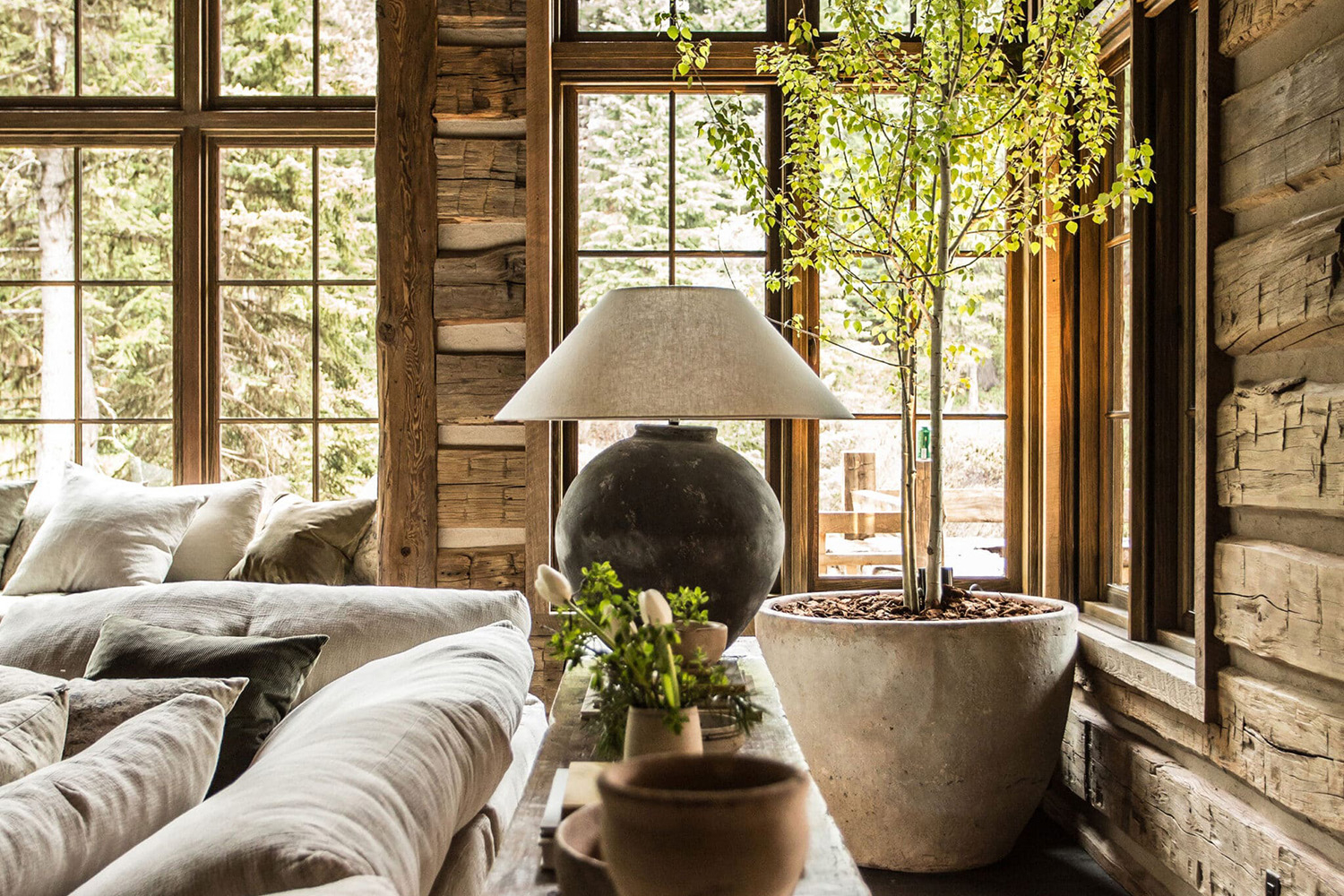
There is a specific kind of quiet that settles into a kitchen when it feels right. It’s not just about the appliances humming or the coffee brewing. It’s the way the light hits a worn wooden surface. It’s the weight of a solid door closing. We spend so much time chasing the "new" that we often forget why we loved our homes in the first place. They were supposed to be places of comfort. Places that held us.
In 2026, the trend isn’t about stripping everything down to sterile minimalism anymore. People are tired of cold surfaces. They want soul. They want history. But they also don’t want to live in a museum piece that feels dark and dated. This is where the magic happens. It’s the dance between the rough, the raw, and the refined. It’s taking the sturdy reliability of traditional cabinetry and letting it breathe alongside textures that tell a story.
You might be wondering if these two styles clash. Do they fight for attention? Actually, no. When done right, they hold hands. The traditional lines provide the structure, the order. The rustic elements bring the warmth, the chaos of nature. Together, they create a space that feels lived-in from day one. It’s not about picking a side. It’s about finding the balance that makes your heart feel a little lighter when you walk into the room.
The Foundation: Choosing the Right Traditional Base
Let’s start with the bones of the room. Traditional cabinetry usually brings to mind raised panels, intricate moldings, and a sense of formality. Think Shaker style or classic French country designs. These styles have stood the test of time because they are proportional and pleasing to the eye. But if you go too heavy on the ornamentation without balancing it out, the room can feel stiff. Like it’s waiting for someone to tell it to relax.
The trick in 2026 is to simplify the traditional profile slightly. You don’t need the heaviest crown molding. A clean Shaker door with a slight bevel offers that traditional nod without the visual clutter. This creates a calm backdrop. It’s like a blank canvas, but with better architecture. By keeping the cabinet doors relatively simple, you allow the textures you add later to shine. If the cabinets are shouting, the rustic accents can’t whisper. And sometimes, the whisper is what matters most.
Consider the color palette here, too. While deep navys and forest greens are still lovely, there is a massive shift toward warm whites and soft creams. These colors reflect light. They make the space feel airy. When you pair a crisp, warm white traditional cabinet with a rough-hewn wood beam, the contrast is electric. The white says "clean," and the wood says "earth." It’s a partnership that works. Don’t be afraid to let the traditional cabinets be the quiet partner in this relationship. They are the anchor. Let them hold the ship steady while the sails catch the wind.
Introducing the Rough: Selecting Rustic Textures
Now for the fun part. The texture. This is where you bring in the elements that make people want to reach out and touch things. Rustic doesn’t mean messy. It means authentic. It means acknowledging that materials come from the earth and have imperfections. In recent years, we’ve seen a move away from fake distressing. You know, the kind where machines beat up perfect wood to make it look old. That feels dishonest now. People want real grain. Real knots. Real history.
Reclaimed wood is the star player here. But use it sparingly. You don’t need to panel every wall. Maybe it’s an open shelf made from an old barn beam. Maybe it’s the toe kick under your island. The key is variety in the grain. If your traditional cabinets are painted smooth, your rustic element needs to have deep grooves and tactile surfaces. Stone is another incredible option. Soapstone or honed marble with visible veining adds a cool, hard texture that contrasts beautifully with warm wood. It grounds the space.
Think about the ceiling, too. Often overlooked, the fifth wall is a perfect place to introduce rustic charm without sacrificing floor space. Exposed beams, even if they are faux and made of lightweight polyurethane, can change the entire vibe of a kitchen. They draw the eye up. They break up the expanse of drywall. Just ensure the finish on these beams matches the tone of your other rustic accents. Consistency in tone helps tie disparate elements together. If your beams are honey-colored, try to echo that warmth in your flooring or your island base. It creates a visual rhythm that feels intentional, not accidental.
The Bridge: Hardware and Fixtures as Connectors
How do you physically connect a sleek, painted cabinet door to a rough stone countertop? Hardware. It’s the jewelry of the kitchen, yes, but it’s also the bridge between styles. In 2026, we are seeing a departure from the ultra-polished chrome of the early 2010s. Instead, designers are reaching for metals that age well. Unlacquered brass, oil-rubbed bronze, and blackened steel. These materials develop a patina over time. They change as you use them. That is the essence of rustic living.
Imagine a traditional white cabinet with a simple cup pull. If you choose a polished nickel pull, it feels modern and crisp. But swap that for an antique brass pull with a slightly irregular surface? Suddenly, the cabinet feels older. Softer. The hardware acts as the handshake between the refined cabinet and the rustic room. It shouldn’t be too perfect. Look for pieces that have a bit of weight to them. When you grab the handle, it should feel substantial. That tactile feedback reinforces the quality of the space.
Lighting fixtures play a similar role. A crystal chandelier might feel too formal for a rustic blend. A bare bulb on a wire might feel too industrial. Aim for the middle ground. Wrought iron chandeliers with candle-style bulbs offer that old-world charm. Or perhaps pendant lights with seeded glass shades. The glass has bubbles and imperfections that catch the light in interesting ways. These small details accumulate. They create a layered look that feels collected over time, rather than bought from a catalog in a single afternoon. Don’t rush this step. Take your time finding pieces that speak to you.
The Centerpiece: The Island Strategy
If the perimeter cabinets are the traditional foundation, the island is often where you take the biggest risk. And that’s a good thing. The island is the stage. It’s where you can really lean into the rustic aesthetic without overwhelming the entire room. A popular approach in 2026 is the "two-tone" strategy, but with a textural twist. Keep the wall cabinets light and traditional. Then, build the island base from reclaimed wood or a heavily grained natural timber.
This creates a focal point. It anchors the room. When you walk in, your eye goes straight to that beautiful, textured mass in the center. It invites gathering. People lean against islands. They sit at them. Having a durable, rustic material there makes sense practically, too. It hides scuffs and spills better than a pristine white finish. But beyond utility, it adds emotional weight. It feels like a table you’ve had for generations.
Be mindful of scale, though. A chunky, rustic island needs room to breathe. If your kitchen is small, a massive wood block can feel oppressive. In smaller spaces, consider using rustic textures on the countertop instead of the base. A thick slab of live-edge wood or a matte-finished concrete can provide that organic feel without the visual bulk of a heavy cabinet base. The goal is harmony. The island should complement the traditional cabinets, not compete with them. It’s a dialogue, not an argument. Ensure the heights align properly and the overhangs are comfortable. Function must never sacrifice for form, even in the pursuit of beauty.
Lighting and Layers: Setting the Mood
Texture is nothing without light. Light reveals the grain in the wood. It highlights the bumps in the plaster. It casts shadows that give depth to the moldings on your traditional cabinets. In many modern renovations, lighting is an afterthought. It’s just about being bright enough to chop vegetables. But to achieve a timeless, rustic-traditional blend, you need layers. You need pools of light, not just a flood.
Start with ambient lighting. Recessed cans are fine for task lighting, but dim them. Use warm bulbs, around 2700K to 3000K. Avoid the harsh blue-white light that makes everything look clinical. Then, add task lighting under the cabinets. This illuminates the countertops and makes the workspace functional. But here is the secret sauce: accent lighting. Use small puck lights inside glass-front cabinets to highlight your dishware. Install sconces on either side of a window or a range hood. These lower-level light sources create a cozy, intimate atmosphere that overhead lights simply can’t match.
Shadows are your friend in this design style. A completely flat, evenly lit room feels sterile. You want pockets of darkness. You want the light to graze the surface of a stone wall, revealing its peaks and valleys. This interplay of light and shadow enhances the rustic textures. It makes the traditional moldings pop. Consider installing dimmers on every circuit. Being able to lower the lights in the evening transforms the kitchen from a workspace into a living room. It becomes a place to linger. To talk. To connect. That is the ultimate goal of any home design, isn’t it?
Let’s be real for a second. Rustic textures can be high maintenance if you choose the wrong materials. Open-grain wood traps crumbs. Unsealed stone stains. But part of the appeal of this style is embracing a bit of wear and tear. It’s called "patina," and it’s beautiful. However, you don’t want your kitchen to feel dirty. You want it to feel loved. There is a difference. The key is selecting materials that age gracefully, not ones that just get gross.
For wood elements, use a durable matte finish. Satin or matte polyurethane protects the wood while maintaining a natural look. Avoid high-gloss finishes on rustic woods; they look cheap and counteract the organic vibe. For stone countertops, seal them regularly. Yes, it’s an extra step. But it preserves the beauty. Embrace the small scratches on your wood island. They tell the story of the meals you’ve prepared. The ring from a coffee mug on the counter? That’s memory. Don’t stress over perfection. This style is forgiving. That’s why it’s timeless. It grows with you.
In 2026, sustainability is also a huge part of this conversation. Using reclaimed materials isn’t just an aesthetic choice; it’s an ethical one. It reduces waste. It honors the past. When you explain to guests that your beam came from a local barn built in the 1920s, it adds a layer of meaning to the room. It sparks conversation. It connects your home to the broader community and history. So, care for your materials, but don’t obsess. Let them live. Let them show signs of life. A kitchen that looks too perfect is a kitchen that isn’t being used. And a kitchen that isn’t being used is just a showroom. We don’t want showrooms. We want homes.
Blending rustic textures with traditional cabinetry is not about following a rigid set of rules. It’s about intuition. It’s about knowing when to stop. It’s about listening to the materials. When you walk into your finished space, you shouldn’t notice the design first. You should notice how it feels. You should feel grounded. Calm. Inspired. That is the mark of success.
So, take a breath. Look at your space. Where does it need warmth? Where does it need structure? Start small if you need to. Swap out the hardware. Add a wooden stool. Paint the cabinets a soft cream. Let the evolution happen naturally. There is no rush. Timelessness doesn’t happen overnight. It accumulates. Layer by layer. Texture by texture. Until one day, you realize you’re not just living in a house. You’re living in a home that truly reflects who you are. And that’s worth every bit of effort.