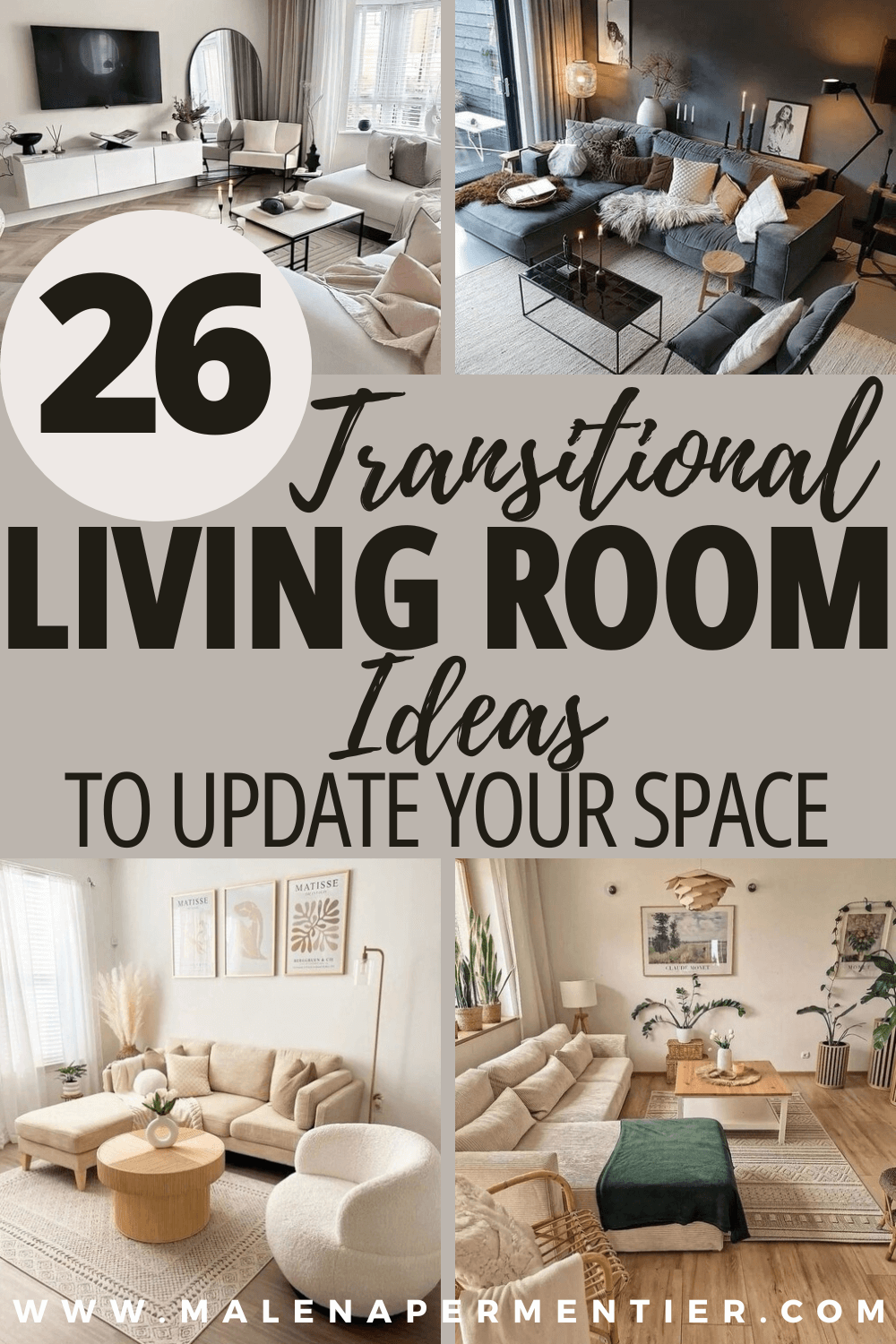
You know that feeling when you walk into a room and it just… works? It’s not too stuffy, not too cold. It feels like a deep breath. That’s the magic of transitional design. It’s the sweet spot between the ornate traditions of the past and the sleek, sometimes sterile, lines of the present. But here’s the thing most magazines won’t tell you: you don’t need a trust fund to get there. In fact, some of the best transitional spaces are born out of necessity, creativity, and a tight budget.
We’ve all been there. Staring at a living room that feels stuck in time, or maybe just stuck in a weird limbo of mismatched hand-me-downs. You want it to feel fresh, but you also want it to feel warm. You want it to look expensive, but your bank account says "ramen noodles for dinner." It’s a tricky balance. But in 2026, the design world has shifted. We’re moving away from fast furniture and toward soulful, lasting pieces. And guess what? You can do this without spending a fortune. It’s about seeing potential where others see junk. It’s about knowing which rules to break.
Let’s be real for a second. Transforming your space isn’t just about aesthetics. It’s about how you feel when you sit down after a long day. It’s about creating a haven that welcomes you home. And you don’t need to hire a high-end designer to make that happen. You just need a little bit of knowledge, a lot of patience, and the willingness to look at your current surroundings with new eyes. So, grab a cup of coffee (or tea, no judgment here) and let’s talk about how to turn your living room into that elusive transitional sanctuary, one smart, budget-friendly choice at a time.
Understanding the Transitional Vibe
So, what exactly is "transitional" anyway? It’s a word thrown around a lot in interior design circles, often making it sound more complicated than it is. Think of it as the perfect middle child. It doesn’t scream for attention like ultra-modern minimalism, nor does it weigh you down with the heavy drapery and dark woods of traditional styles. It’s a blend. It takes the comfort and warmth of classic design and mixes it with the clean, uncluttered lines of contemporary style. The result? A space that feels timeless. It won’t look outdated in five years, and it doesn’t look like it was pulled straight from a catalog today.
The key to nailing this look on a budget is understanding the core principles. First, neutrality is your friend. But don’t panic—neutral doesn’t mean boring beige walls from the 90s. We’re talking about a palette of soft grays, warm whites, creamy taupes, and gentle greiges. These colors act as a calm backdrop, allowing your furniture and accessories to shine without competing. They create a sense of flow and openness, which is crucial if you’re working with a smaller space or limited light. In 2026, we’re seeing a shift towards warmer neutrals, moving away from the cool grays that dominated the last decade. This warmth adds instant coziness, which is essential for that "haven" feel.
Secondly, it’s about balance. If you have a sleek, modern sofa, you might pair it with a rustic wooden coffee table. If you have traditional wingback chairs, you might skip the frilly pillows and opt for solid, textured ones instead. It’s this mix of old and new, hard and soft, that creates visual interest. You aren’t trying to match everything perfectly. In fact, perfection is the enemy of good design here. You want layers. You want texture. You want a room that looks like it evolved over time, not one that was delivered in a single truckload. This approach is actually cheaper because it allows you to keep pieces you already own and just tweak how they’re styled.
The Power of Paint and Light
If you only have fifty bucks to spend, spend it on paint. Seriously. It is the single most impactful change you can make to a room for the lowest cost. A fresh coat of paint can hide years of wear and tear, brighten a dark corner, and completely change the mood of the space. For a transitional look, stick to those warm neutrals we talked about. Look for shades with subtle undertones—maybe a white with a hint of yellow or gray, rather than a stark, clinical white. Brands often have "mistint" sections where you can buy high-quality paint for a fraction of the price. Just make sure to check the color carefully before you buy!
But paint is only half the battle. Lighting is the other half, and it’s often overlooked. Bad lighting can make even the most beautifully decorated room feel cheap and unwelcoming. The goal is to layer your light. You need ambient light (the general overhead stuff), task light (for reading or working), and accent light (to highlight art or architectural features). Most of us rely too much on that single, harsh ceiling fixture. Swap it out if you can, or better yet, stop using it altogether. Use floor lamps and table lamps to create pools of warm light around the room.
Thrifting stores and online marketplaces are goldmines for unique lamp bases. Don’t worry if the shade is ugly; shades are cheap to replace. Look for interesting shapes and materials in the base itself—ceramic, brass, wood. A vintage brass lamp paired with a simple, clean-lined linen shade is a classic transitional move. It bridges the gap between old-world charm and modern simplicity. And remember, bulb temperature matters. Stick to warm white bulbs (around 2700K to 3000K). Cool white bulbs make a room feel like a hospital, which is definitely not the vibe we’re going for. Soft, warm light makes everything look better, including your budget-friendly finds.
Furniture: Mix, Match, and Repurpose
Here’s where the rubber meets the road. Furniture is usually the biggest expense in any room makeover, but it doesn’t have to be. The transitional style is incredibly forgiving because it encourages mixing eras. You don’t need a matching living room set. In fact, matching sets often look stiff and impersonal. Instead, focus on finding pieces with good bones. A solid wood frame, comfortable seating, and clean lines are what you’re after. If you have an old, sturdy sofa that’s just looking a bit tired, consider reupholstering it or even just throwing a high-quality slipcover over it. A well-fitted slipcover in a neutral fabric can work wonders.
When shopping secondhand, look for versatility. A simple wooden chest can serve as a coffee table, extra storage, and even seating if you add a cushion on top. An antique sideboard can become a media console. The key is to strip away the overly ornate details if they feel too heavy for your taste. Sometimes, a quick sanding and a new coat of paint in a matte finish can modernize a traditional piece instantly. This is called "updating," and it’s a huge trend in 2026 as people look to reduce waste and save money. You’re giving old furniture a new life, which is both eco-friendly and budget-smart.
Don’t be afraid to mix materials. Wood adds warmth and tradition. Metal and glass add modernity and airiness. A glass-top table with a metal base feels light and contemporary, while a chunky wooden side table feels grounded and classic. Placing them near each other creates that dynamic tension that defines transitional design. Also, pay attention to scale. In a small room, oversized furniture will make it feel cramped. Choose pieces with exposed legs, which allow light to pass underneath and create a sense of spaciousness. This is a small detail that makes a big difference in how open and inviting your room feels.
Textiles and Texture: The Soft Touch
Once you’ve got your walls painted and your furniture arranged, it’s time to soften the edges. This is where textiles come in. Rugs, curtains, pillows, and throws are the jewelry of your living room. They add color, pattern, and most importantly, texture. In a neutral room, texture is everything. Without it, the space can feel flat and one-dimensional. Think about combining different fabrics: a chunky knit throw draped over a smooth leather chair, a silk pillow next to a linen one, a wool rug under a cotton sofa. These contrasts create depth and interest without needing bold colors.
Rugs are a great way to anchor your seating area. You don’t need to buy a brand-new, expensive Persian rug to get the look. Look for natural fiber rugs like jute or sisal, which are affordable and add a wonderful organic texture. You can even layer a smaller, patterned rug on top of a larger neutral one for a custom, high-end look. This layering technique is very popular right now because it allows you to mix patterns and sizes creatively. If you find a vintage rug with a hole or two, don’t dismiss it. Often, these imperfections add character and history to the room, fitting perfectly into the transitional aesthetic.
Window treatments are another area where you can save money while adding style. Heavy, elaborate drapes are out. Instead, opt for simple, floor-length panels in a lightweight fabric like linen or cotton. Hang them high and wide—close to the ceiling and extending beyond the window frame. This trick makes your windows look larger and your ceilings feel higher. You can find affordable panels at most home goods stores, or even sew your own if you’re handy with a needle. The goal is elegance and simplicity. Let the light filter through softly during the day, creating a gentle, airy atmosphere that feels calm and restorative.
Accessories and Art: The Personal Touch
Now for the fun part: the decor. This is where your personality shines through. But beware—the easy trap is to clutter the space with too many knick-knacks. Transitional design leans towards curated minimalism. It’s better to have fewer, meaningful items than a shelf full of random souvenirs. Start with mirrors. A large mirror is a designer’s secret weapon. It reflects light, makes the room feel bigger, and adds a touch of glamour. Look for frames with simple lines—a thin black metal frame for a modern touch, or a distressed wood frame for a rustic vibe. Place it opposite a window to maximize the natural light.
Art doesn’t have to be expensive to be impactful. You don’t need original paintings to create a gallery wall. Prints, posters, and even pages from old books can look stunning when framed consistently. Use simple black or white frames to unify different pieces. Thrift stores often have great frames that just need a quick wipe-down. Arrange your art at eye level, and don’t be afraid to leave some negative space on the walls. Empty space is just as important as the stuff you put up. It gives the eye a place to rest and prevents the room from feeling chaotic.
Books, plants, and ceramics are the final touches. Stack a few hardcover books on the coffee table. Add a trailing pothos or a snake plant for a burst of life and color. Greenery is essential for making a space feel alive and welcoming. Ceramic vases or bowls in earthy tones add tactile interest. The rule of thumb here is odd numbers. Group items in threes or fives for a more visually pleasing arrangement. And remember, these items should be things you love. If you pick up a vase and it doesn’t spark joy, put it back. Your home should be a reflection of you, not a showroom.
Creating a transitional haven isn’t a one-and-done project. It’s an ongoing process of editing and refining. As you live in the space, you’ll notice what works and what doesn’t. Maybe that accent chair isn’t as comfortable as you thought. Maybe the rug is showing wear faster than expected. That’s okay. Part of the beauty of this style is its flexibility. You can swap out pillows with the seasons. You can rotate art. You can move furniture around to change the flow. This adaptability keeps the room feeling fresh without requiring major investments.
Keep an eye on trends, but don’t chase them. Transitional design is about timelessness, so avoid items that are overly trendy. Stick to classic shapes and neutral colors for your big-ticket items, and use accessories to inject current styles. For example, if earthy terracotta tones are big in 2026, add a few terracotta pillows or a vase. When the trend passes, you can easily swap them out without having to replace your sofa. This strategy saves money in the long run and reduces waste. It’s a smarter, more sustainable way to decorate.
Finally, remember that a home is meant to be lived in. Don’t be so afraid of messing up the perfect arrangement that you can’t relax. Scuffs on the wood, a slightly crooked pillow, a dog hair on the rug—these are signs of life. They add warmth and authenticity. The goal isn’t perfection; it’s comfort. It’s creating a space where you can kick off your shoes, curl up with a book, and feel at peace. If your room looks like a magazine cover but feels like a museum, you’ve missed the mark. Aim for inviting, not impressive. Aim for cozy, not cool.
So, there you have it. Transforming your living room into a transitional haven on a tight budget is entirely possible. It takes a bit of vision, a lot of thrifting, and a willingness to experiment. But the reward is a space that feels uniquely yours—calm, stylish, and deeply comforting. Start small. Pick one corner, one piece of furniture, one wall. See how it feels. Build from there. You’ve got this. And hey, if you make a mistake? Just paint over it. That’s the beauty of starting fresh.