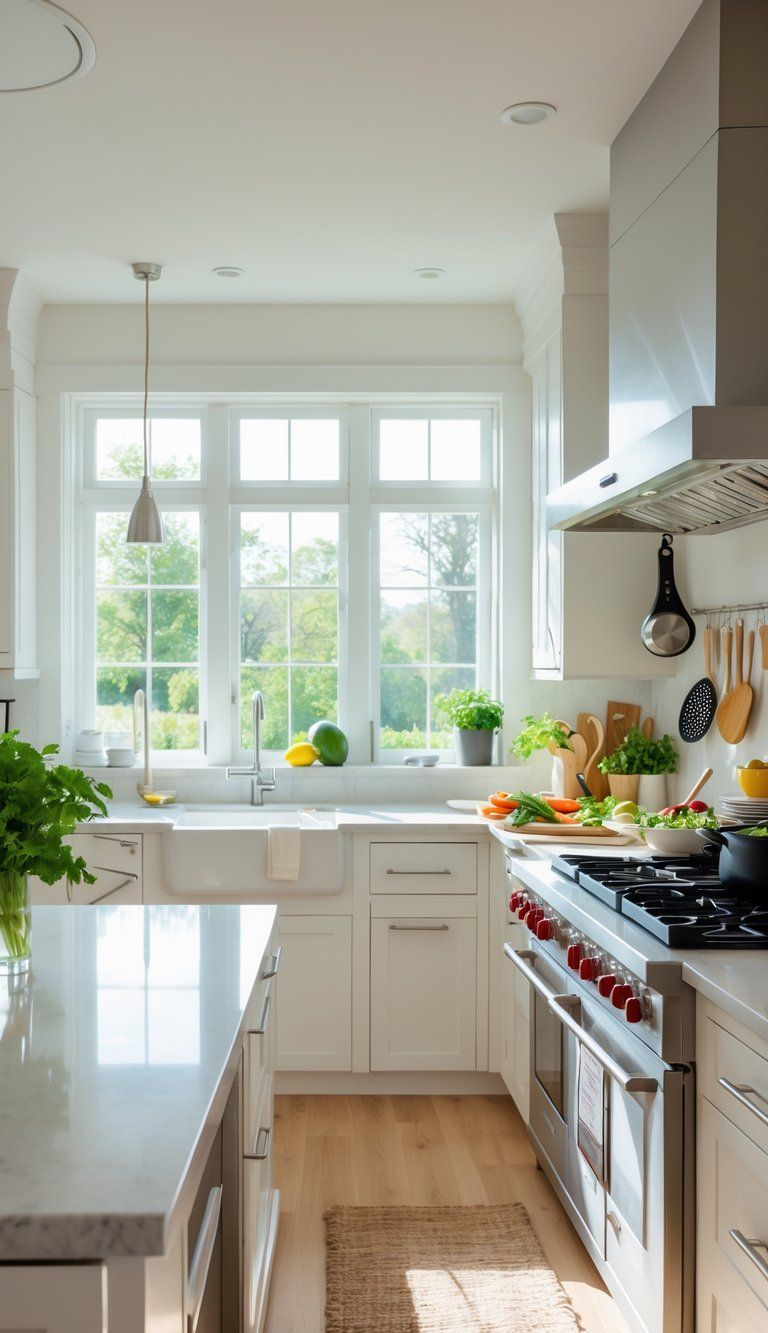
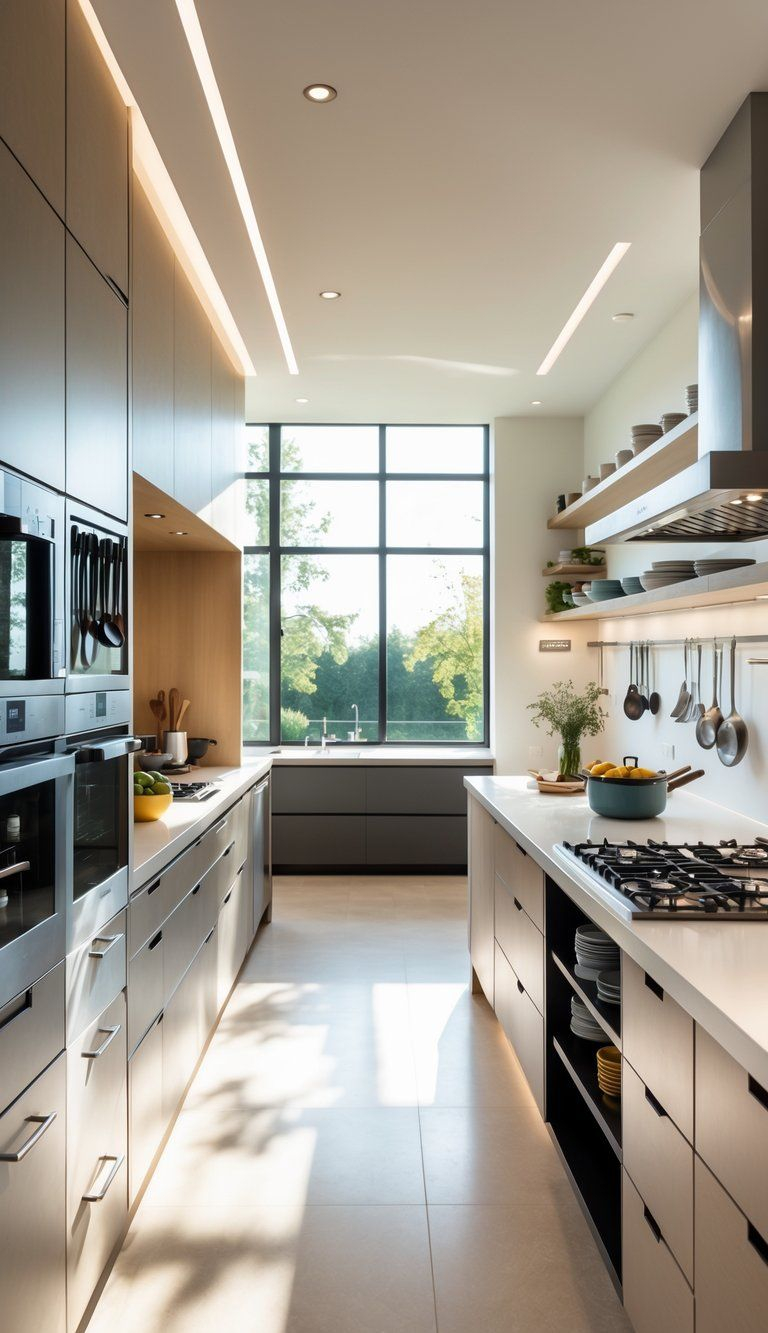
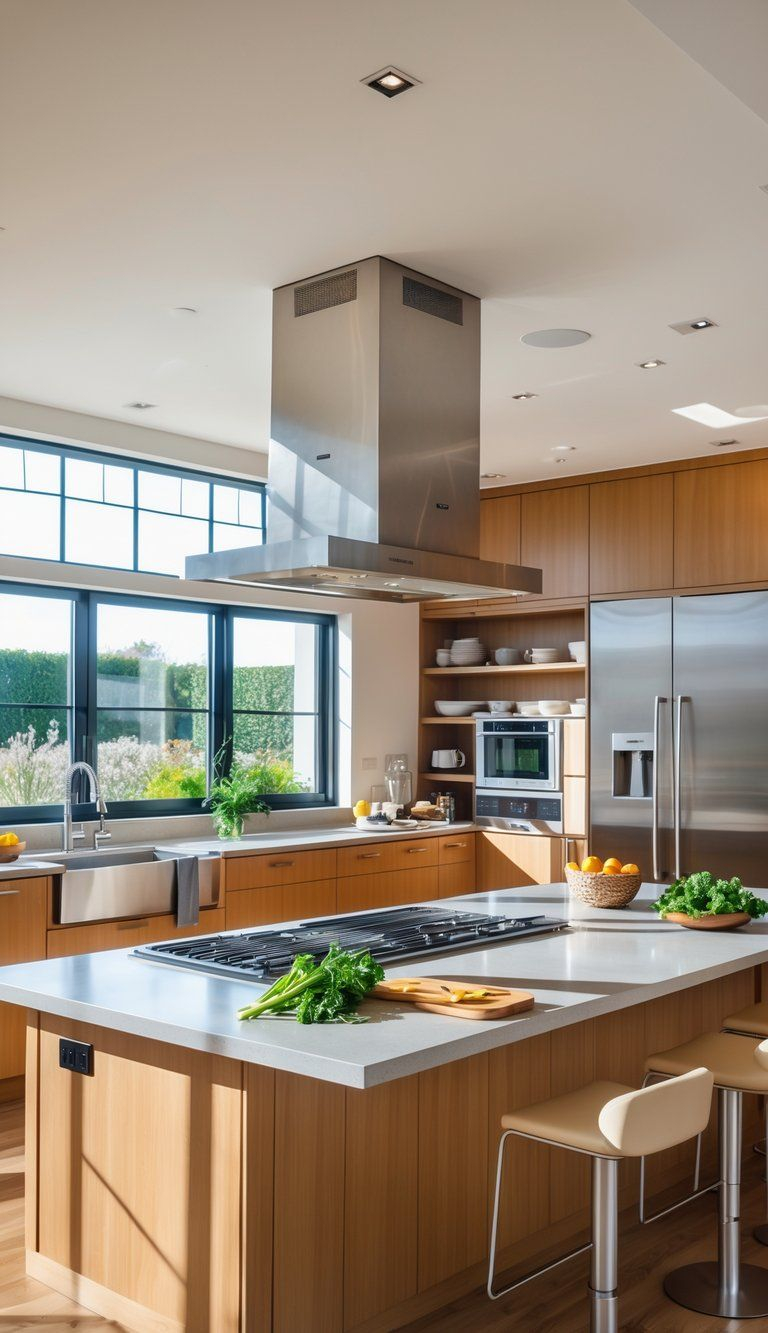
You know that feeling when you walk into a professional kitchen? It’s chaotic, sure. There’s fire, noise, shouting. But look closer. Everything has a place. The tongs are exactly where the line cook expects them. The spices aren’t buried in a dark cupboard; they’re within arm’s reach. Now, think about your own kitchen. Is it like that? Probably not. Most of us are digging through stacks of Tupperware just to find a lid that fits. It’s frustrating. It kills the joy of cooking before you even chop an onion.
But here’s the secret: you don’t need a commercial space to get that level of efficiency. You just need to think like a chef. And no, I’m not talking about buying expensive equipment. I’m talking about hiding things in plain sight. Professional chefs are masters of "hidden" storage. They know that counter space is prime real estate. If it’s not being used right now, it should be clear. This mindset shift changes everything. It turns a cramped, messy room into a streamlined workspace.
So, how do they do it? How do they keep their homes looking serene while storing enough gear to cater a wedding? It’s not magic. It’s strategy. It’s about using every single inch of space, especially the parts you usually ignore. In this guide, we’re pulling back the curtain on the specific, often overlooked storage hacks that pros swear by. These aren’t just theories. They are battle-tested methods used in real homes by people who cook for a living. Ready to transform your kitchen? Let’s dive in.
The Magic of Vertical Real Estate and Door Interiors
Let’s start with the most wasted space in any kitchen: the inside of cabinet doors. Most homeowners treat these as dead zones. Chefs see them as premium storage. Think about it. When you open a cabinet, that door swings out. It’s free space. By adding simple organizers here, you instantly double your storage capacity for flat, lightweight items.
Spice jars are the obvious choice. Instead of letting them rattle around in a deep drawer, mount slim racks on the inside of a pantry or upper cabinet door. You can see every label at once. No more guessing games. But don’t stop there. Cutting boards love this spot too. A simple hook or a narrow rack keeps them vertical and accessible. Lid organizers work wonders here as well. Those slippery pot lids that never stack nicely? Slide them into a door-mounted rack. Problem solved.
The key is customization. Not all doors are the same depth. Measure twice. Buy adjustable racks if you can. This flexibility allows you to adapt as your collection grows. It’s a small change, but the impact is huge. You clear out drawer space for heavier items. You keep frequently used tools visible. And honestly, it just looks cleaner. There’s something satisfying about closing a cabinet door and knowing everything is tucked away neatly behind it. It’s hidden, but it’s not lost.
Under-Cabinet Mysteries and Magnetic Solutions
Look up. Seriously, look at the underside of your upper cabinets. That shadowy gap between the bottom of the cabinet and the countertop is often ignored. Yet, it’s one of the most functional zones in a pro kitchen. Why? Because it keeps things off the counter but still in sight. Out of sight, out of mind is a dangerous rule in cooking. You want your most-used tools visible.
Magnetic strips are the classic example. Knife bars are common, but think bigger. Strong magnetic rings or strips can hold metal spice tins. HGTV notes that under-cabinet storage is a simple solution for herbs and seasonings you reach for daily. Just attach strong magnets to the tins and stick them under the cabinet. It looks sleek. It saves drawer space. And it keeps your favorite blends right above your prep area.
But it’s not just for magnets. Hook systems can hang measuring cups, small strainers, or even lightweight utensils. Some pros install thin, shallow shelves under cabinets for oil bottles or vinegar. The goal is to keep the countertop clear for actual work. If you’re chopping veggies, you don’t want to move a jar of olive oil first. Move it once, store it smartly, and forget about it. This layer of storage adds depth to your kitchen without taking up floor space. It’s subtle, effective, and surprisingly easy to install.
The Pull-Out Revolution and Deep Drawer Dynamics
Deep cabinets are black holes. We’ve all been there. You shove a pot in the back, and it disappears forever. Until you need it. Then you’re on your hands and knees, digging through a jungle of cookware. Professional chefs hate this inefficiency. That’s why pull-out solutions are non-negotiable in high-performance kitchens.
Install sliding drawers or baskets in those deep base cabinets. When you pull them out, everything is visible. No more digging. No more forgotten items gathering dust. This is crucial for pots, pans, and small appliances. If you can see it, you’ll use it. If you can’t, it’s just clutter. Family Handyman highlights that minimizing clutter enhances beauty and functionality, and pull-outs are key to this. They turn a chaotic cave into an organized library of cookware.
Consider tiered shelving inside these pull-outs too. Stackable inserts allow you to store plates or bowls vertically, saving horizontal space. For irregularly shaped items, custom dividers work best. Chefs-resources.com points out that tailored solutions accommodate specialized tools perfectly. Maybe you have a weirdly shaped mixer attachment or a set of uneven baking sheets. Build a slot for them. Give every item a designated home. This structure reduces decision fatigue. You know exactly where everything goes. Cleanup becomes faster. Cooking becomes smoother.
Toe-Kick Treasures and Floor-Level Hacks
Here’s a secret most people never consider: the toe kick. That’s the recessed space at the bottom of your base cabinets, where your feet go when you’re standing at the counter. It’s usually empty. Just air. But in a chef’s home, it’s potential storage. It’s perfect for items you don’t need every day, but still want accessible.
Install shallow, push-to-open drawers in the toe-kick area. What goes in there? Baking sheets. They’re flat, large, and awkward to store elsewhere. They slide in perfectly. Placemats, tablecloths, or even pet food bowls can live here too. It’s out of the way, so it doesn’t clutter your main storage zones. But it’s still part of the kitchen ecosystem. Extra Space Storage mentions maximizing every inch, and the toe kick is the ultimate overlooked inch.
If you’re not ready for custom carpentry, there are simpler options. Low-profile rolling bins can slide under the cabinet overhang. Use them for bulk items like potatoes, onions, or recycling bins. Keep them hidden during the day, pull them out when needed. This keeps the visual noise down. Your kitchen looks streamlined. Clean lines. No bulky bins sitting in the corner. It’s a small detail, but it adds up. Every bit of reclaimed space gives you more room to breathe.
Appliance Garages and Concealed Countertop Zones
Countertops are for working, not for storing. Yet, we all end up with a toaster, a blender, and a coffee maker permanently parked on the counter. It creates visual clutter. It makes the kitchen feel smaller. Professional chefs solve this with "appliance garages." These are essentially cabinets that sit on the countertop, with a door that rolls up or swings open.
Inside, you plug in your appliances. When you’re done, you close the door. The appliance stays plugged in, ready to go, but it’s hidden. No cords dangling. No bulky shapes dominating the view. It’s a game-changer for small kitchens. You get the convenience of having your coffee maker ready, without the visual weight. Houzz lists these as genius ideas for a reason. They bridge the gap between accessibility and aesthetics.
If you can’t build a full garage, use a large, lidded basket or a dedicated cabinet with a roll-up door. The principle is the same. Hide the bulk. Keep the function. This also protects your appliances from dust and grease splatter. They last longer. They look newer. And your kitchen feels calmer. A calm kitchen leads to better cooking. It’s hard to focus when you’re surrounded by visual chaos. Clear the decks. Hide the machines. Let the food be the star.
Corner Cabinets and Lazy Susan Logic
Corners are tricky. They’re deep, awkward, and hard to reach. Traditional corner cabinets are often wasted space, filled with items you rarely use because they’re such a pain to get to. Chefs refuse to let that space go to waste. They use rotating solutions. Lazy Susans aren’t just for dining tables. They’re essential for corner storage.
Install a two-tier rotating shelf in a blind corner cabinet. Now, you can spin the shelf to access items in the back. No more crawling inside. No more losing things. This works great for oils, vinegars, or canned goods. It turns a dead zone into a high-traffic area. Happy Home Hour suggests that concealed cabinets and pull-out shelves improve efficiency, and rotating corners are peak efficiency.
For L-shaped corners, consider a magic corner unit. These are complex mechanisms that pull shelves out and around when you open the door. They’re pricey, but worth it for serious cooks. If that’s out of budget, simple wire baskets on sliders work too. The goal is movement. Static storage in corners fails. Dynamic storage succeeds. Keep things moving. Keep things accessible. It’s about respecting the geometry of your space. Work with the corner, not against it.
So, there you have it. The secrets aren’t really secrets. They’re just smart observations. Professional chefs know that a kitchen is a tool. It needs to work for you, not against you. By using vertical space, hiding things in plain sight, and making every inch count, you create a space that flows. It’s not about having more stuff. It’s about managing what you have with intention.
Start small. Pick one area. Maybe the inside of a pantry door. Add a rack. See how it feels. Then move to the under-cabinet space. Add a magnetic strip. Notice the difference. These changes compound. Soon, your kitchen feels lighter. Brighter. More usable. You spend less time searching and more time cooking. And isn’t that the point?
Remember, perfection isn’t the goal. Function is. If a hack works for you, keep it. If it doesn’t, tweak it. Your kitchen is unique. Your habits are unique. Adapt these pro tips to fit your life. Don’t just copy. Create. Make a space that inspires you to cook, to gather, to live. After all, the best kitchen isn’t the one with the most expensive gadgets. It’s the one that feels like home.