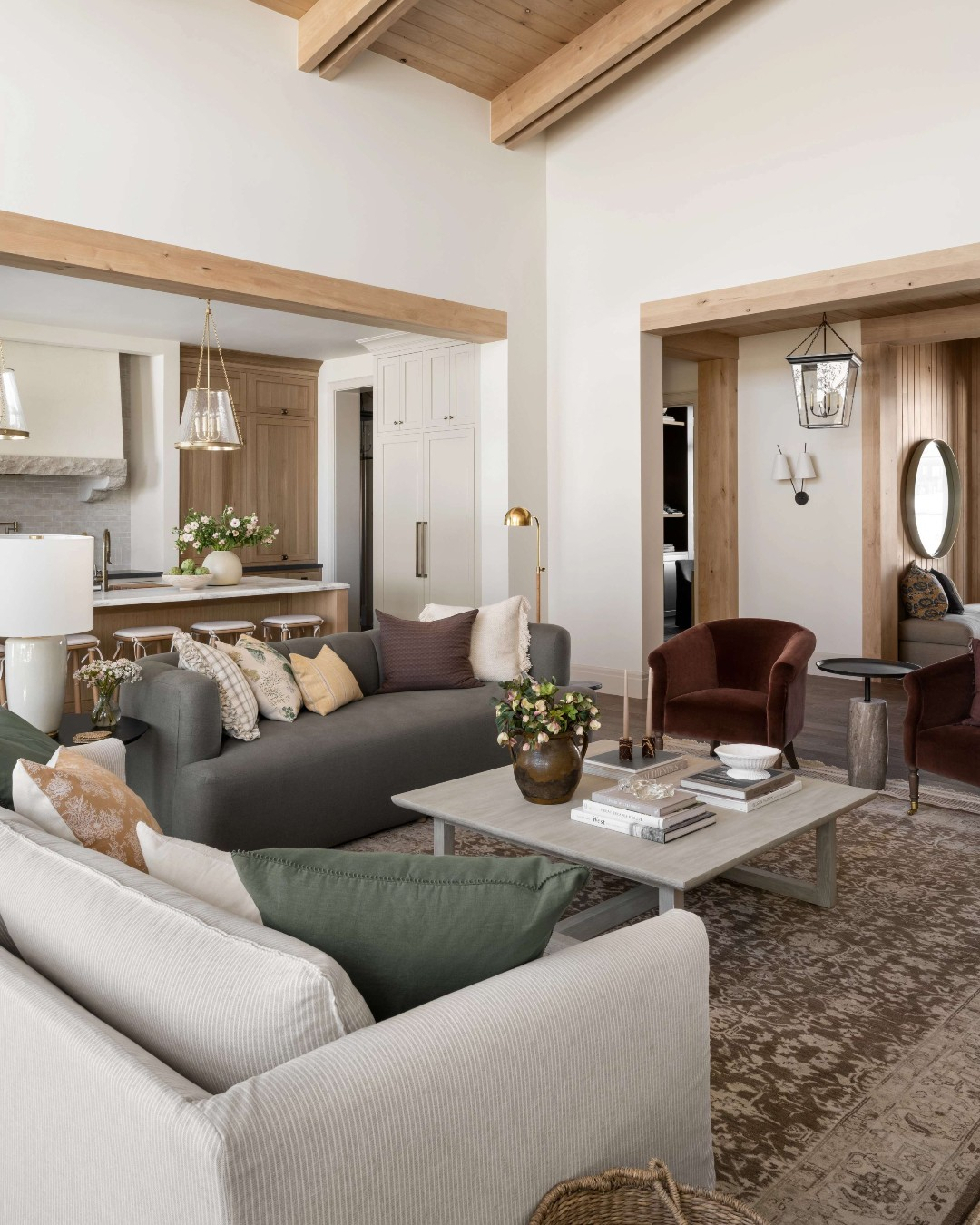
The coffee table bears a faint ring from yesterday’s chipped ceramic mug, the floor rug has a slight slouch where feet instinctively curl up on Sunday afternoons, and the sofa cushions carry the soft indentation of an afternoon nap. For the past decade, social media feeds conditioned millions to recoil from these realities. We spent years chasing an unattainable aesthetic of aggressive minimalism, sterile white walls, and velvet upholstery that felt more like a museum exhibit than a domestic sanctuary. Every throw pillow was karate-chopped into submission; every surface was wiped clean of the accidental clutter that signals a human actually inhabits the room.
That architectural tightrope walk has finally collapsed. Stepping into homes this year reveals an unmistakable shift across interior design circles. The prevailing philosophy has executed a sharp pivot away from staged perfection toward an uncompromising celebration of physical and emotional ease. People are no longer willing to sacrifice their daily comfort for the sake of an algorithmically optimized snapshot. Instead, the most sought-after spaces are designed around how bodies move, how families gather, and how a room breathes when life actually happens inside its four walls.
This grand design reset is neither an accident nor a temporary fad. It is a direct cultural correction against years of visual fatigue. When the world outside feels increasingly unpredictable, the home must function as an absolute decompression chamber. Showroom perfection demands constant maintenance—it is an environment of anxiety where spilling a glass of red wine feels like a domestic emergency. Comfort-first design, conversely, operates on forgiveness. It welcomes the dog, embraces the worn leather, and treats patina not as a flaw, but as the visual currency of a well-lived life.
The Death of the Showroom Aesthetic and the Rise of Tactile Interiors
For years, the blueprint for a chic living room was dictated by hyper-curated digital squares. Rooms were assembled for visual punch rather than tactile engagement, relying on flat boucle fabrics that pilled within months, glass tables that required hourly fingerprint wiping, and stiff, sculptural chairs that punished anyone brave enough to sit in them for more than twenty minutes. This aesthetic prioritized the camera lens over the human spine. The reckoning arrived when homeowners realized that looking at a beautiful room on a screen offered very little solace during long winter evenings spent actually sitting in it.
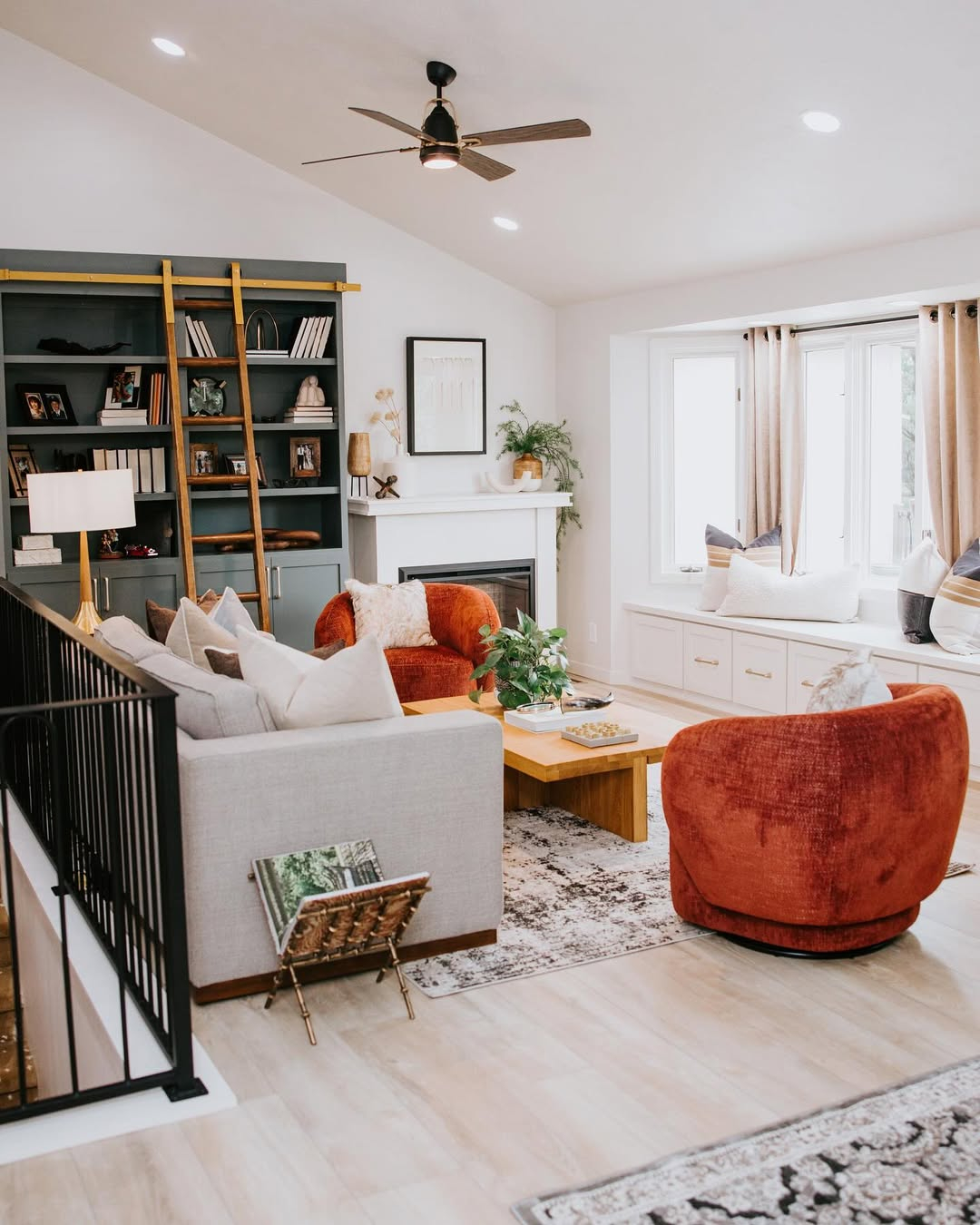
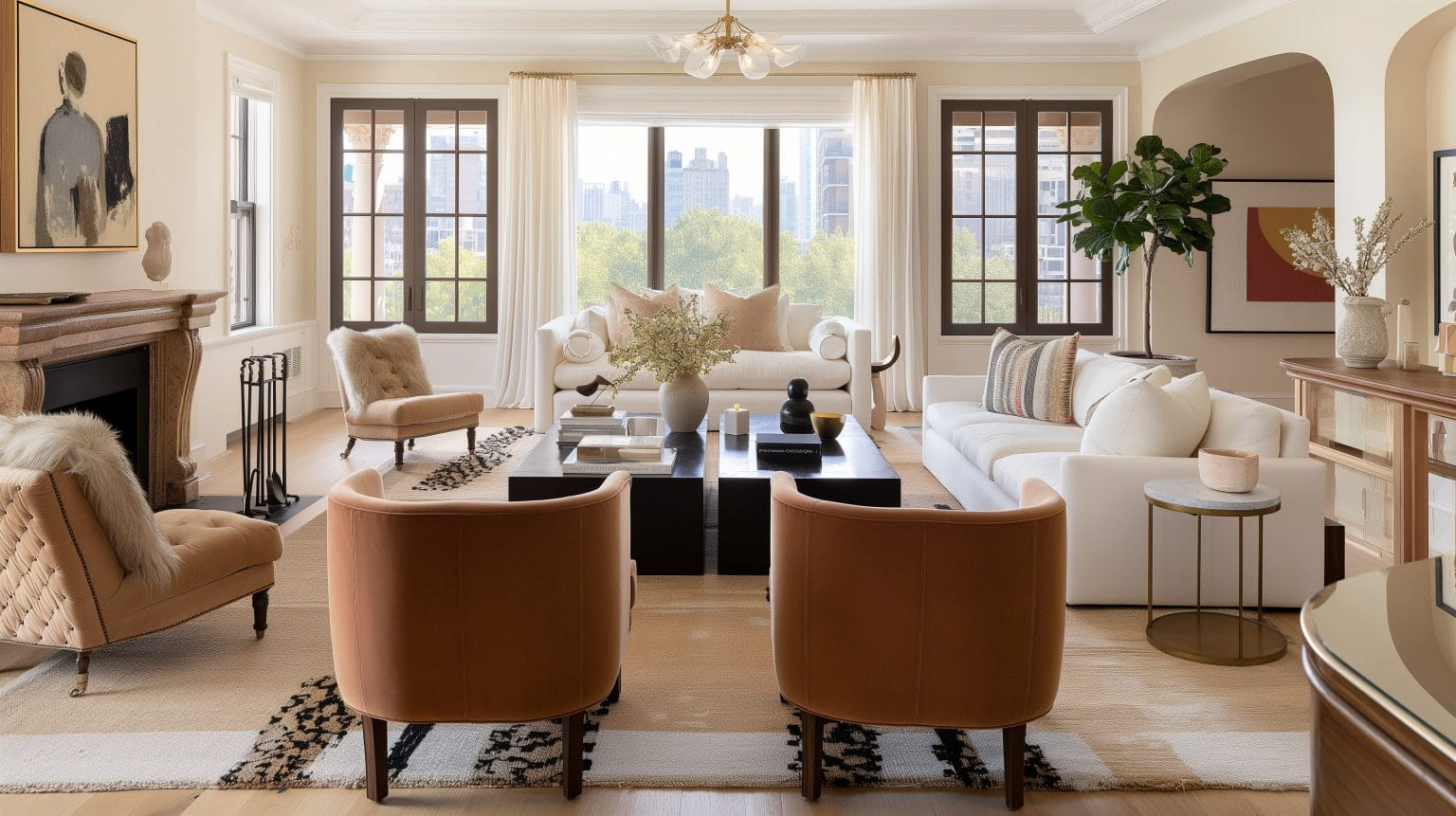
The current movement strips away that performative veneer in favor of materials that beg to be touched. We are seeing a massive resurgence in heavy, structural textiles like heavy-weight wools, raw linens with visible slubs, tumbled leathers, and tactile corduroys that age gracefully. This is not about being messy; it is about embracing honesty in materials. Furniture design has pivoted toward organic shapes—curved sofas that wrap around the body, nesting tables with hand-planed edges, and deep-seated sectionals built for sprawling rather than upright posture. The emphasis has shifted from what a room looks like from a single static viewpoint to how it feels when you sink into it after a grueling workday.
Underpinning this material revolution is an evolving relationship with color and light. Stark monochromatic grays and icy whites are being aggressively swapped for earthy, grounding palettes—warm terracotta, moss green, butter-washed ochres, and complex clay tones that absorb light rather than bouncing it back harshly. Designers are utilizing matte finishes, lime washes, and subtle plaster textures to create depth. These surfaces catch the afternoon sun in a way that feels organic and calming. The goal is no longer to create a pristine backdrop for staging objects, but to construct a cocooning atmosphere that actively lowers cortisol levels.
How Ergonomics and Spatial Psychology Shape the Modern Gathering Space
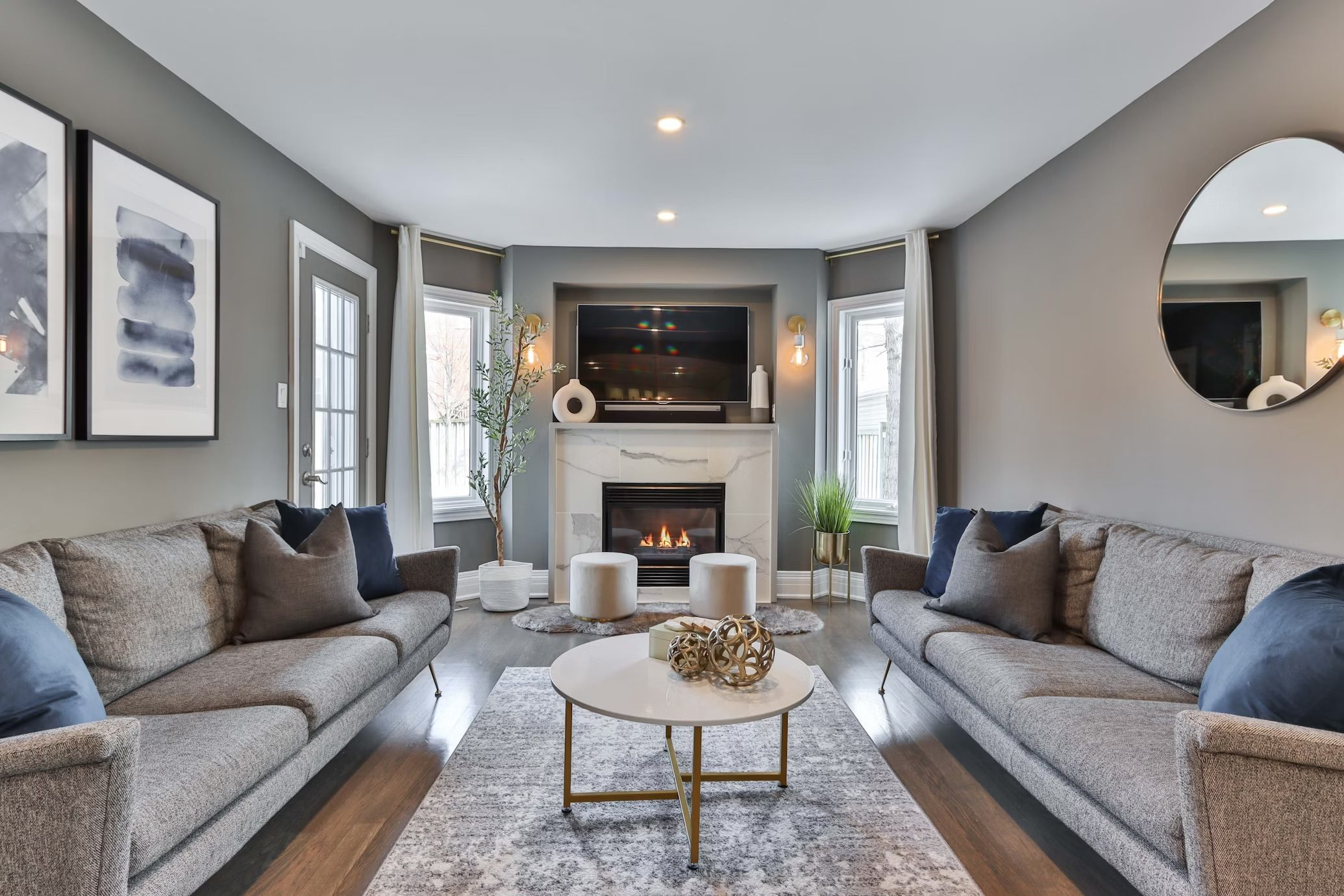
Designing for comfort requires a deep understanding of spatial psychology and ergonomics. A living room is the central nervous system of a home, acting as a transition zone between the outside world and private quarters. If the seating arrangement forces guests into rigid, formal postures reminiscent of a corporate waiting room, conversation stifles and bodies tense up. Modern space planning treats the layout as a functional landscape, prioritizing natural traffic flows, sightlines to windows or hearths, and seating depths that accommodate varied postures from upright reading to full horizontal lounging.
Ergonomics in the living room goes far beyond purchasing an expensive sofa; it is about scaling pieces to human proportions. Supersized modular sofas have taken over because they offer architectural flexibility without sacrificing intimacy. You can reconfigure them to face a fireplace, pull them apart for a conversation circle, or push them together into a sprawling daybed for movie marathons. Coffee tables are shifting toward softer, rounded edges and lower profiles, eliminating the shin-bruising hazards of sharp-cornered marble monoliths. Every single item in the room is evaluated through a functional lens: Does it serve the people using it, or is it merely occupying space to fill a visual void?
Furthermore, lighting has undergone a radical democratization. The days of relying on a single, glaring overhead flush-mount fixture are long gone. Designers now layer illumination across multiple elevations—low-slung floor lamps, dimmable wall sconces, amber-toned table lamps, and picture lights that cast a warm, flickering glow across textured walls. This layering mimics natural twilight, signaling to the nervous system that it is time to unwind. When the lighting is soft and forgiving, even the most imperfect room takes on an inviting, cinematic warmth that high-output LED panels can never replicate.
A Step-by-Step Methodology for Designing a Lived-In, Comfort-First Living Room
Transforming a stiff, over-styled living room into an authentic sanctuary of comfort does not require a complete architectural gut-renovation. It requires a strategic editing process and intentional layering. Follow this step-by-step framework to audit and rebuild your central gathering space for maximum daily livability:
- Step 1 (The Radical Inventory and Audit): Clear everything out of the room that serves purely a decorative purpose and causes you physical or mental maintenance stress. Remove fragile glass accessories, stiff decorative chairs that nobody sits in, and high-maintenance textiles. If an item requires constant fussing to look right, it has no place in a comfort-first home.
- Step 2 (Invest in Deep, Modular Seating): Prioritize your primary seating investment. Look for sofas with a seat depth of at least 38 to 44 inches, high-density foam cores wrapped in down-feather blends, and durable, performance-tested fabrics that can handle spills and pets without looking precious. Modular designs are ideal for adapting the room’s layout to your changing daily needs.
- Step 3 (Layer Tactile, Grounding Textiles): Introduce physical warmth through diverse textures. Combine a heavy wool or jute area rug underfoot with chunky knit throws, heavy linen drapery that pools slightly on the floor, and accent pillows filled with down rather than stiff poly-fill. These elements absorb sound, soften hard architectural lines, and make the room feel instantly welcoming.
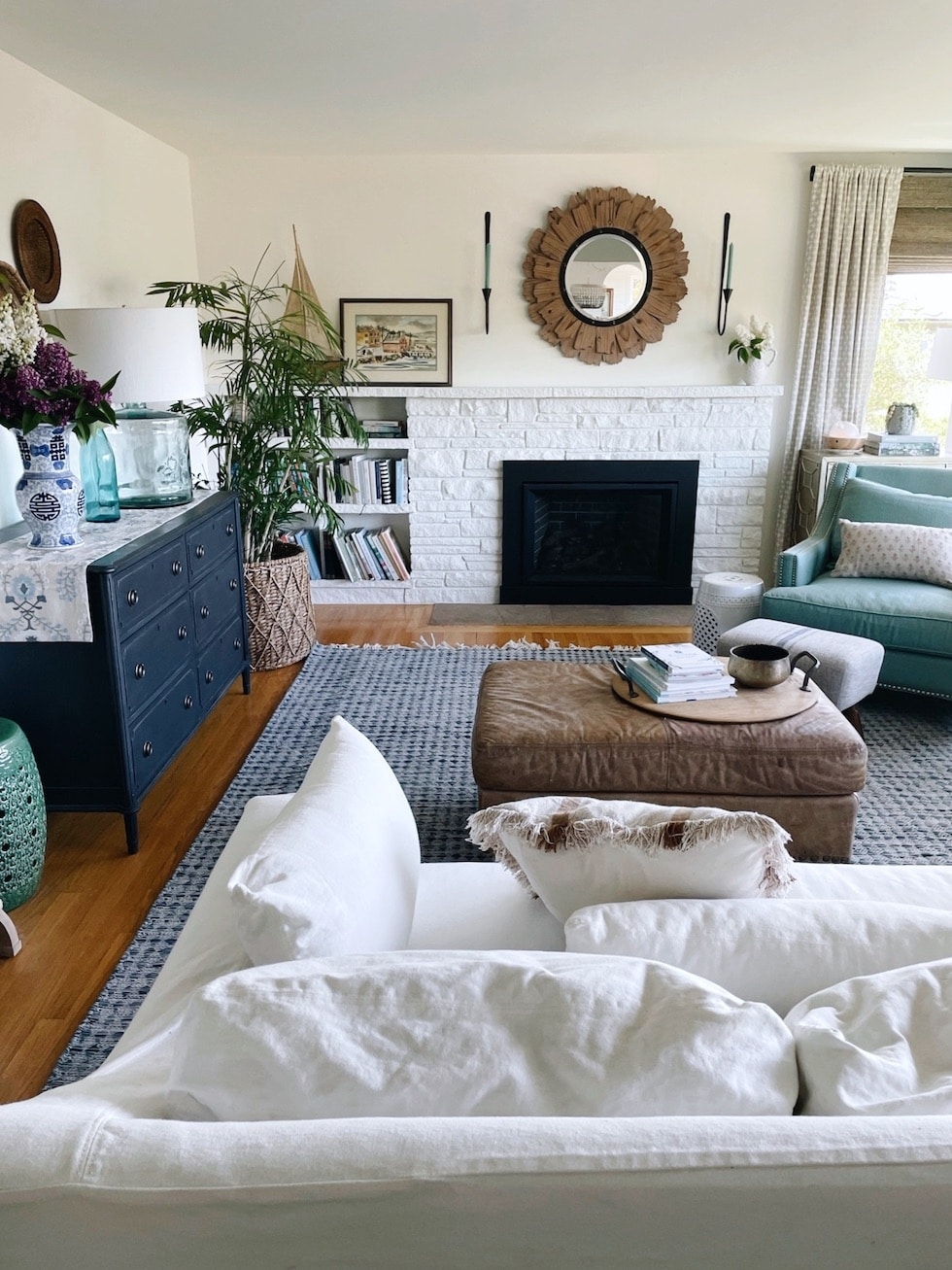
- Step 4 (Humanize the Surface Areas): Replace delicate, high-maintenance display surfaces with functional, touchable alternatives. Choose solid wood coffee tables with natural distressing or worn stone surfaces that can take a hot mug or a heavy stack of books without a coaster panic. Style surfaces with items that tell a personal story—well-thumbed books, ceramic bowls, and meaningful objects collected over time rather than mass-produced retail knick-knacks.
- Step 5 (Calibrate Ambient Lighting Zones): Eliminate harsh overhead lighting entirely. Install dimmer switches on all overhead fixtures and introduce at least three distinct pools of warm, low-level light using floor lamps, table lamps, and wall sconces. Position light sources at varying heights to create cozy pockets and eliminate dark, cavernous corners.
Common Pitfalls to Avoid When Chasing Comfort Over Perfection
Even with the best intentions, homeowners often stumble when trying to pivot away from showroom aesthetics. The most common trap is swinging too far in the opposite direction, trading sterile perfection for chaotic clutter that causes visual anxiety of a different kind. Achieving true comfort requires intentionality, not just an absence of rules. Here are the critical pitfalls to dodge and the field-tested workarounds used by top interior designers:
- Pitfall 1 (Confusing Comfort with Sloppiness): It is easy to mistake a lived-in look for an excuse to abandon all organizational structure, resulting in a room cluttered with stray laundry, unmanaged cords, and miscellaneous debris. The Workaround: Maintain clean architectural lines and hidden storage infrastructure, such as deep media consoles, lidded storage ottomans, and closed bookcases, so that daily items have a designated home when not in use.
- Pitfall 2 (Buying Oversized Furniture for Small Spaces): The desire for a cozy, enveloping sofa often leads people to purchase massive sectional configurations that completely overwhelm the room’s square footage, choking off natural pathways. The Workaround: Map out your floor plan with painter’s tape before buying. Ensure there is at least 30 to 36 inches of clear walking clearance around major furniture pieces to maintain spatial breathability.
- Pitfall 3 (Ignoring Fabric Performance for the Sake of Aesthetics): Selecting delicate natural silks, un-treated velvets, or bright white linens because they look stunning in a photograph, only to live in constant fear of stains and wear. The Workaround: Explore advanced high-performance fabrics like crypton-treated linens, solution-dyed acrylics, and heavy chenilles that offer luxurious hand-feel while providing industrial-strength stain resistance.
- Pitfall 4 (Relying on a Single Monolithic Texture): Furnishing a room entirely in matching leather, matching wood tones, or a uniform neutral fabric palette, which creates a flat, uninspired visual experience. The Workaround: Follow the rule of three textures. In every vignette, pair hard elements (wood, stone) with soft elements (textiles, wool) and reflective or organic elements (ceramics, plants, aged brass).
- Pitfall 5 (Neglecting Acoustic Softness): Designing a room with hardwood floors, leather seating, bare walls, and glass windows, resulting in an echoey, uncomfortable acoustic environment where conversations bounce painfully. The Workaround: Soften the room’s acoustic profile by adding heavy window drapery, a dense wool area rug with a thick felt pad underneath, upholstered seating, and wall art that helps absorb ambient sound waves.
The Long-Term Economics and Emotional Value of Soulful Design
Choosing comfort over perfection is not merely an aesthetic choice; it is a profound economic and psychological shift. The relentless cycle of fast-furniture consumption—buying cheap, trendy pieces designed to look good on camera for six months before breaking down—is financially draining and environmentally catastrophic. When you invest in sturdy, well-crafted pieces built around ergonomic comfort and timeless materials, you are buying furniture that lasts for decades, developing a rich patina that tells the story of your life.
From a psychological standpoint, our living spaces actively regulate our nervous systems. A home designed for perfection operates like an external supervisor, demanding vigilance and maintenance. A home designed for comfort acts as an anchor, offering unconditional acceptance. When children can build blanket forts, dogs can curl up on the sofa without reprimand, and you can stretch out fully without worrying about ruining a delicate cushion, the baseline anxiety of daily life drops significantly. The room becomes a container for memory-making rather than a stage set for performance.
This shift also reflects a broader cultural maturation. We are moving away from the anxiety of curation and toward the freedom of personalization. Vintage pieces found at local markets, mismatched ceramic lamps inherited from family, and handcrafted woodwork carrying minor imperfections are reclaiming center stage. These elements carry soul—a quality that cannot be manufactured in a mass-market catalog. By valuing how a space feels over how it photographs, we reclaim our homes as private sanctuaries rather than public broadcasts.
Actionable Recommendations for Curating Your Personal Sanctuary
To solidify this design philosophy within your own living space, focus your efforts on actionable changes that alter both the tactile and emotional tenor of the room. Start by evaluating your seating arrangement. If your main sofa feels like an obstacle course or a formal seating device, reconfigure it so that it faces the primary source of natural light or a focal point of warmth, rather than just pointing toward a television screen.
Next, audit your textiles. Introduce heavy, weighted blankets, plush velvet or textured wool throw pillows, and woven rugs that feel substantial underfoot. Swap out cold, white-bulb lighting for warm-spectrum LEDs or traditional incandescent bulbs that cast an amber glow across your walls. Finally, bring in living elements—potted plants with broad, organic leaves or sculptural branches foraged from nature. These living things introduce natural asymmetry, breaking up rigid architectural lines and infusing the space with vitality.
Ultimately, your living room should be the most forgiving room in your house. It should welcome you with open arms at the end of a difficult day, accommodate the chaotic beauty of family life, and age gracefully alongside you. Perfection is brittle, fragile, and exhausting; comfort is resilient, welcoming, and deeply human.
The evolution of interior design toward comfort and soulful storytelling represents a permanent maturation in how we inhabit our private spaces. We have collectively exhaled, stepping away from the exhausting pursuit of digital perfection to reclaim our homes as places of physical restoration and emotional safety. The rooms that will matter most in the years to come are not those that stop visitors in their tracks with shock-and-awe styling, but those that invite them to take off their shoes, sink deep into a sofa, and stay awhile.
As you look at your own living room, remember that its true measure is not found in how closely it mirrors a designer’s portfolio, but in how well it holds the messy, beautiful reality of your daily life. Let go of the need for pristine staging, embrace the rich textures of lived experience, and build a space that serves not your camera, but your soul.