The coffee table is the ultimate domestic crossroads. It is the landing pad for cold-brew glasses that leave stubborn ring marks, the graveyard of afternoon mail, the midnight footrest, and the structural anchor of the entire living room seating layout. Yet, when you look at design magazines or curated social media feeds, these surfaces look like miniature architectural installations—impossibly balanced, perfectly lit, and entirely devoid of human residue.
Achieving that elusive sweet spot where a room looks finished rather than merely furnished is a frequent interior design puzzle. When you attempt to replicate those editorial looks at home, the surface often veers into one of two extremes: a sterile hotel showroom that feels like a museum exhibit, or a cluttered dumping ground for remote controls, coasters, and half-empty coffee mugs. The secret lies in moving away from the mentality of "decorating" and shifting toward composition, scale, and utility.
A truly successful surface arrangement communicates a sense of story and curation. It respects the physics of your furniture scale while accommodating the messy reality of daily life. By stripping away superficial trends and focusing on timeless compositional rules, you can transform the central anchor of your room into an expressive, functional landscape that invites you to settle in, kick off your shoes, and actually live.
The Architecture of Scale and Surface Geometry
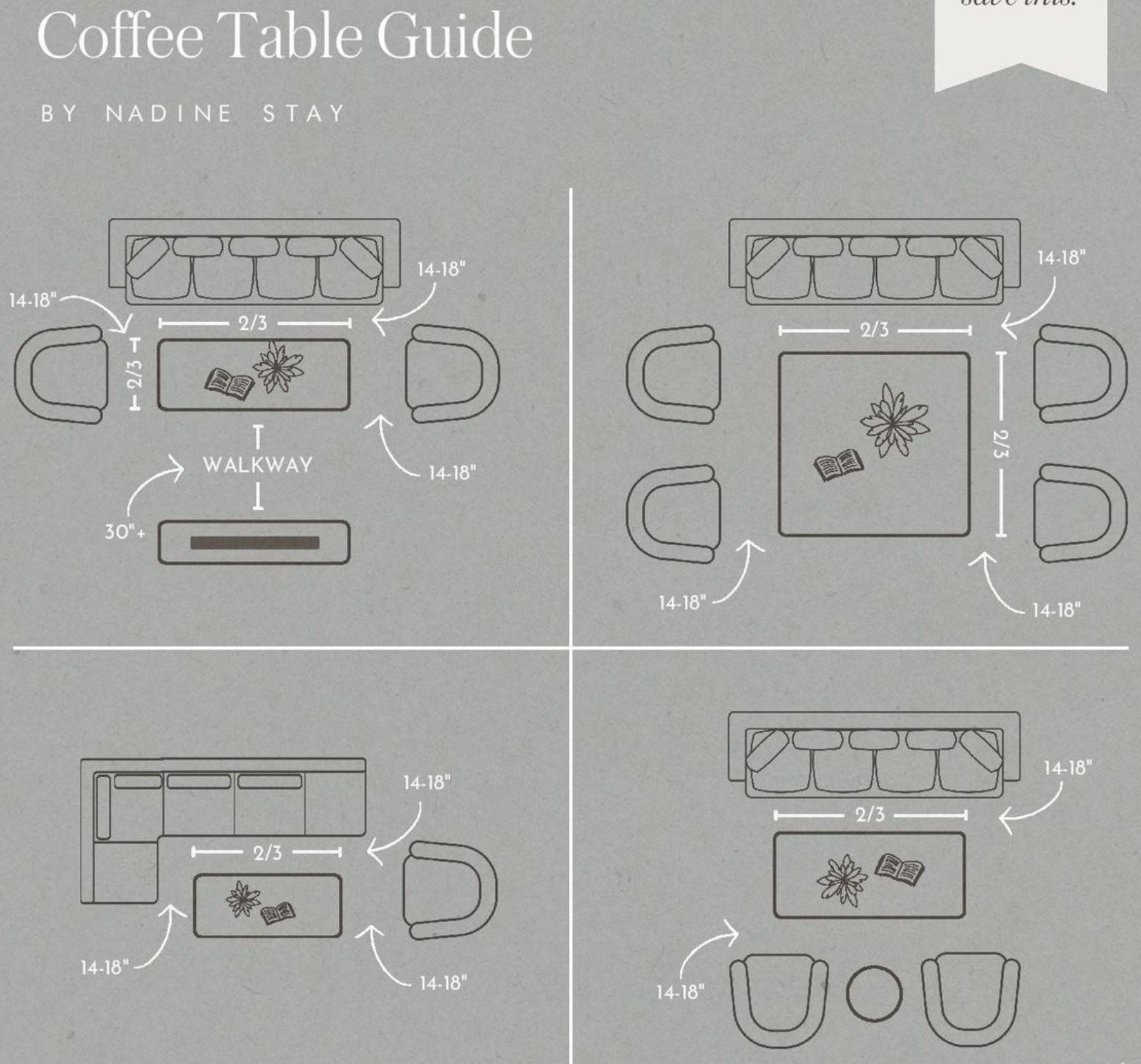
Every successful interior styling project begins with a rigorous evaluation of scale. A coffee table is not an isolated canvas; it is an architectural element nested within a broader ecosystem of rugs, sofas, and accent chairs. If your sofa features heavy, rolled English arms and deep-seated cushions, a frail, wire-frame glass coffee table will instantly look lost, swallowed by the visual weight of the surrounding upholstery. Conversely, an oversized, hulking rustic timber block can easily overwhelm a streamlined mid-century modern sectional.
The first fundamental step involves matching your tabletop arrangement to the geometry of the furniture beneath it. Rectangular tables demand a linear or asymmetrical grouping that draws the eye across the length of the surface, whereas square or round tables benefit from centralized, radial configurations. Designers often rely on the rule of thirds, dividing the table visually to prevent overcrowding while maintaining negative space. Negative space is not empty space; it is the visual breathing room that allows the eye to rest and appreciate the curated objects you have chosen to display.
Materiality also dictates layout rules. A high-gloss lacquer table reflects light upward, meaning that opaque objects like stacked matte-finish books and heavy stone trays create a grounding counter-balance. On the other hand, raw wood or travertine surfaces benefit from the introduction of reflective glass, polished brass, or glazed ceramics to break up the monolith of texture. Understanding the tactile conversation between your table’s base material and your decor pieces prevents the surface from feeling flat and unconsidered.
Balancing Functionality with Editorial Curation
The primary trap of modern styling is prioritizing visual perfection over everyday utility. A coffee table must remain a functional participant in your living space. If every single square inch is occupied by fragile porcelain figurines or towering stacks of oversized monographs, where do you set your evening tea, your book, or your phone? The most successful arrangements integrate utility directly into the design vocabulary, treating functional items not as clutter to be hidden, but as foundational styling elements.
Enter the organizational tray. A low-profile tray crafted from leather, burl wood, or honed marble acts as a visual corral for the inevitable detritus of living room life—coasters, candle snuffers, and television remotes. By grouping these small, miscellaneous items inside a defined boundary, you instantly convert potential clutter into an intentional vignette. The tray acts as a frame, signaling to the human eye that the items within belong together for a specific purpose.
Furthermore, elevation changes dictate the rhythm of a well-styled table. If every item sits at the exact same height, the arrangement becomes monotonous and static. Introduce verticality through stacked art books, cylindrical candle holders, or a sculptural branch in a heavy vessel. This vertical interplay mimics the natural topography of a landscape, creating peaks and valleys that guide the viewer’s eye naturally across the surface without causing visual fatigue or blocking lines of sight across the room.
The Step-by-Step Methodology for Composing Your Tabletop
Transforming a chaotic surface into a composed focal point requires a disciplined, sequential approach. Rather than placing items randomly and hoping for the best, professional stylists follow a reliable assembly sequence that builds depth layer by layer.
- Step 1 (Clear and Clean): Remove every single object from the table. Wipe down the surface thoroughly to reveal its natural grain, patina, or finish before introducing any new elements.
- Step 2 (Anchor with the Foundation): Place your largest foundational elements first—typically a low tray or the primary stack of two to three large-format coffee table books positioned slightly off-center.
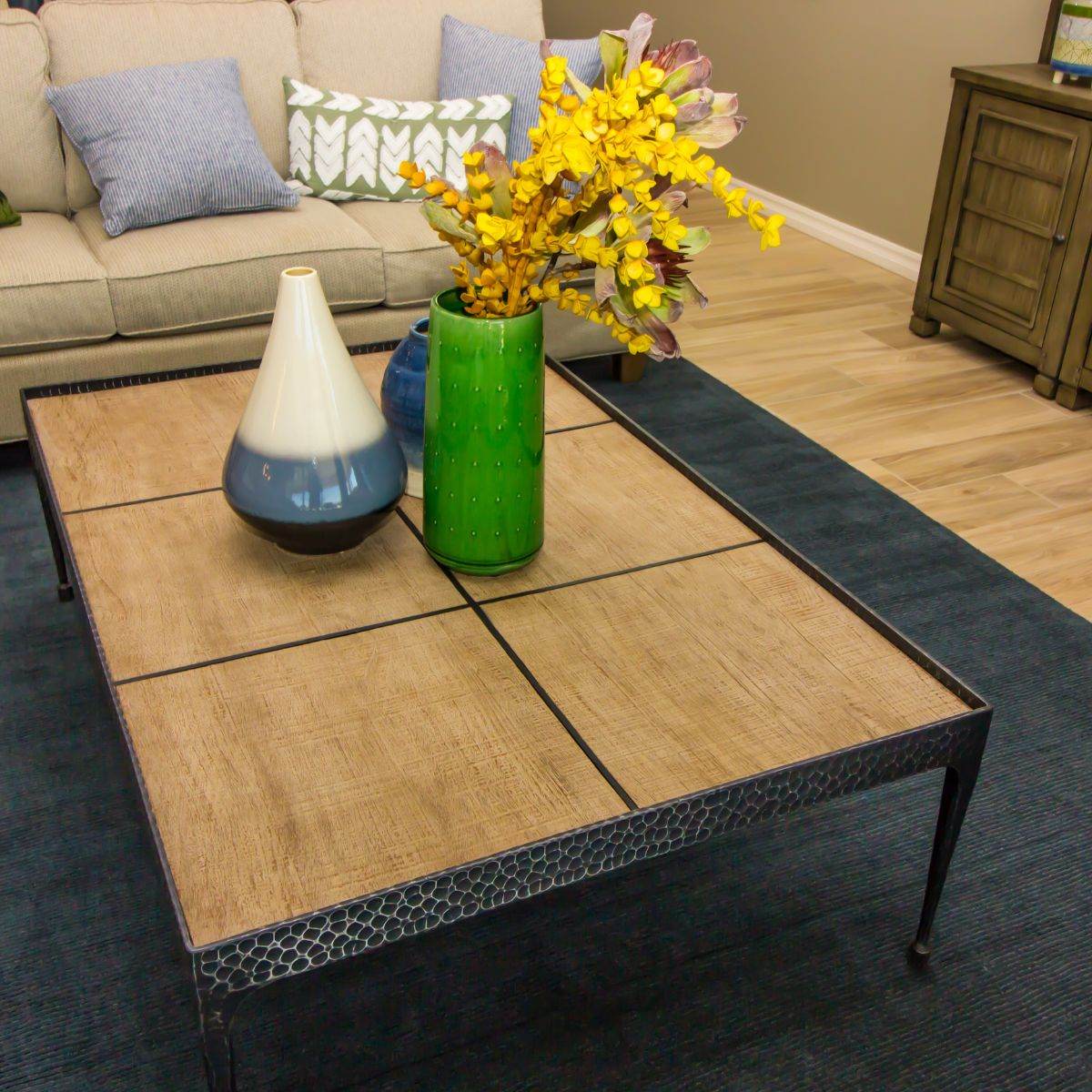
- Step 3 (Introduce Verticality): Add a mid-height or tall element diagonal to your foundation piece, such as a ceramic vase filled with seasonal greenery or a sculptural pillar candle, ensuring unobstructed sightlines.
- Step 4 (Incorporate Personal Artifacts): Layer in smaller, meaningful items that reflect your personal narrative—a vintage brass catchall, a smooth soapstone paperweight, or a souvenir from a meaningful journey.
- Step 5 (Edit and Refine): Step back two paces, look at the table from your main seating vantage point, and remove at least one item to restore essential negative space.
Navigating Common Styling Pitfalls and Practical Workarounds
Even with the best intentions, certain recurring missteps can derail a coffee table arrangement. Recognizing these traps early allows you-to make quick course corrections before your living room feels overly staged or messy.
- Pitfall 1 (Overcrowding the Surface): Filling every square inch leaves no room for actual living. Workaround: Adopt a strict "one-in, one-out" policy for tabletop objects, and ensure at least forty percent of the surface remains completely bare.
- Pitfall 2 (Blocking Sightlines): Placing tall floral arrangements or massive candelabras right in the middle makes conversation across the room awkward. Workaround: Keep centerpieces under twelve inches in height, or opt for sprawling, low-profile architectural branches that arch gracefully outward.
- Pitfall 3 (Ignoring Scale Proportion): Using dozens of tiny, trinket-sized objects creates visual noise and clutter. Workaround: Scale up your items; replace five small knick-knacks with one substantial sculptural object to instantly calm the visual field.
- Pitfall 4 (Monochromatic Monotony): Matching your decor color palette too closely to your sofa and rug makes the table disappear. Workaround: Introduce high-contrast accents, such as deep charcoal ceramics on a cream linen surface or rich brass objects on a dark walnut table.
- Pitfall 5 (Forgetting Practical Maintenance): Letting coasters and remotes scatter outside designated zones destroys your layout within twenty-four hours. Workaround: Position your catchall tray within arm’s reach of the primary seat so putting items away becomes an unconscious habit.
The Psychology of Domestic Comfort and Atmosphere
A coffee table arrangement does more than fill physical space; it orchestrates the emotional cadence of a room. When you walk into a space where the central table features organic textures, worn book spines, and soft candlelight, your nervous system responds to the implicit invitation to relax. This is the intersection of interior design and domestic psychology. A home that feels genuinely lived-in avoids the sterile perfection of a showroom while steering clear of chaotic neglect.
The objects we choose to display on our primary gathering surface act as silent conversation starters. A monograph on mid-century architecture, a bowl of smooth beach stones collected during a coastal trip, or an artisanal ceramic dish passed down through family lines all communicate identity and history. These tactile details anchor us in the physical world, offering a grounding sensory counterbalance to our increasingly digital, screen-dominated daily routines.
Moreover, seasonal adaptation keeps the arrangement dynamic and responsive to the natural world outside your windows. Swapping heavy brass vessels for clear glass bud vases in the spring, or transitioning from bright citrus branches to dried seed pods and amber glassware in the autumn, connects your interior environment to the passing seasons. This fluid approach ensures your living space never feels static, rigid, or frozen in time.
Core Recommendations for Lasting Surface Harmony
To maintain a perpetually polished yet welcoming coffee table, rely on a few foundational habits and design frameworks. First, invest in quality foundational books that you actually enjoy flipping through; their textured linen covers and rich photography provide an immediate textural upgrade over generic decor pieces. Second, embrace natural elements—living plants, fresh flowers, or polished stones introduce organic irregularity that softens the rigid geometric lines of modern furniture.
Third, curate with intention rather than accumulation. Every object placed on the table should either serve a direct functional purpose or hold genuine emotional resonance. When you limit your display to items you truly love, the entire arrangement feels cohesive and authentic. Finally, give yourself permission to let the table evolve. Your living space is an ongoing narrative, and your coffee table should reflect the shifting rhythms of your life.
Styling a coffee table is ultimately an exercise in thoughtful editing and self-expression. It requires balancing the tension between practical daily life and intentional aesthetic composition. When you get it right, the surface stops being just a piece of furniture and becomes the emotional anchor of your home—a welcoming focal point that grounds your seating area and invites connection.
As you look at your own living space today, resist the urge to buy more things to fix a styling dilemma. Instead, start by clearing the surface entirely, evaluating the scale of your furniture, and building your arrangement back up layer by layer with intention. By honoring scale, prioritizing utility, and incorporating personal history, you will create a centerpiece that is not only visually striking, but undeniably, beautifully yours.