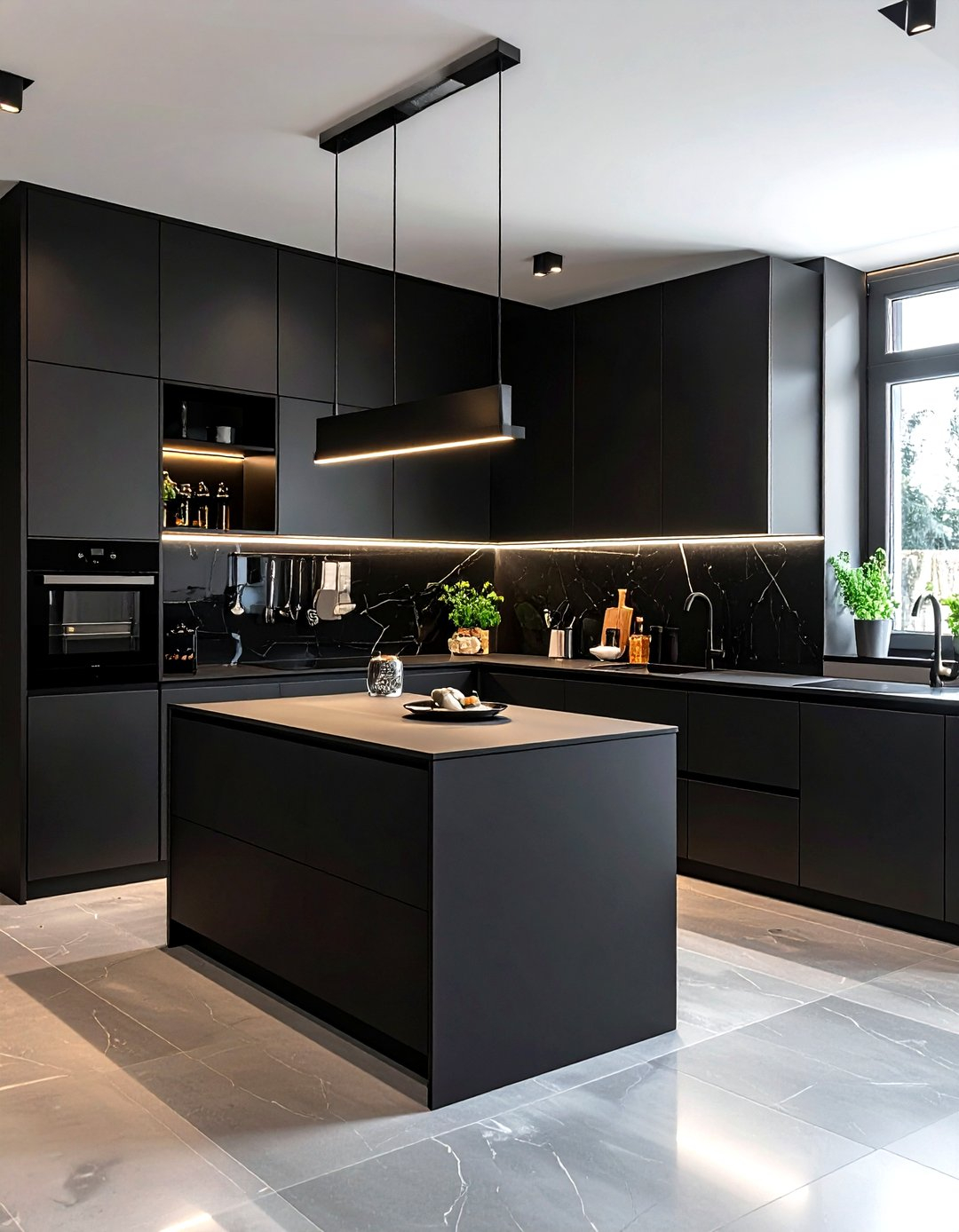
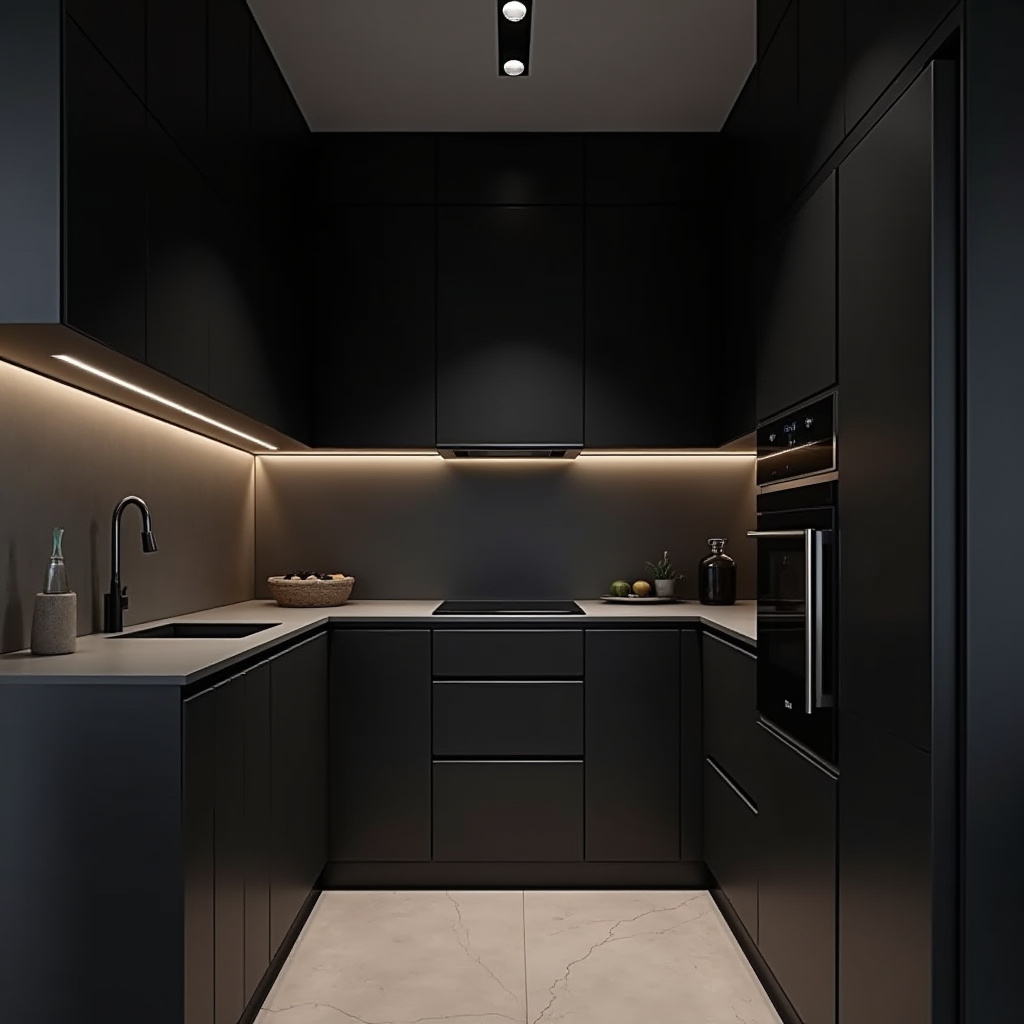
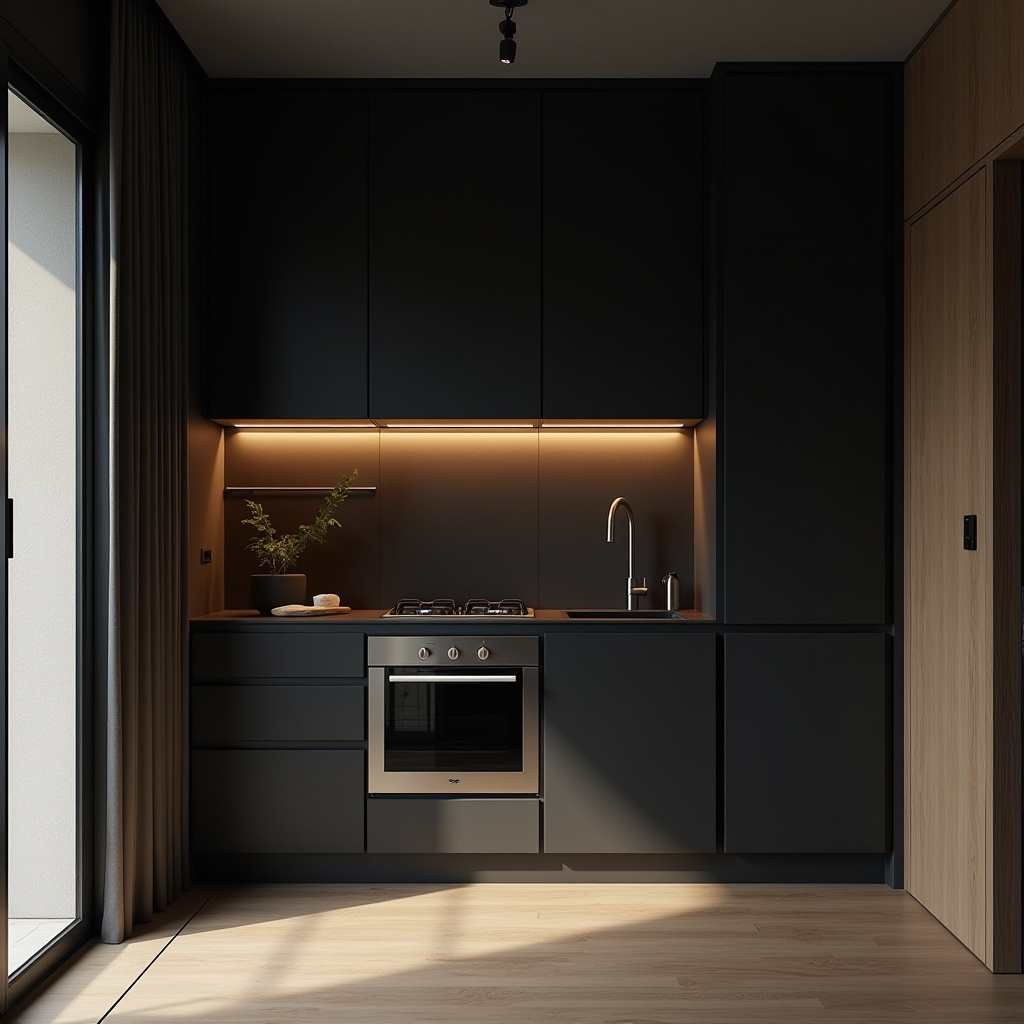
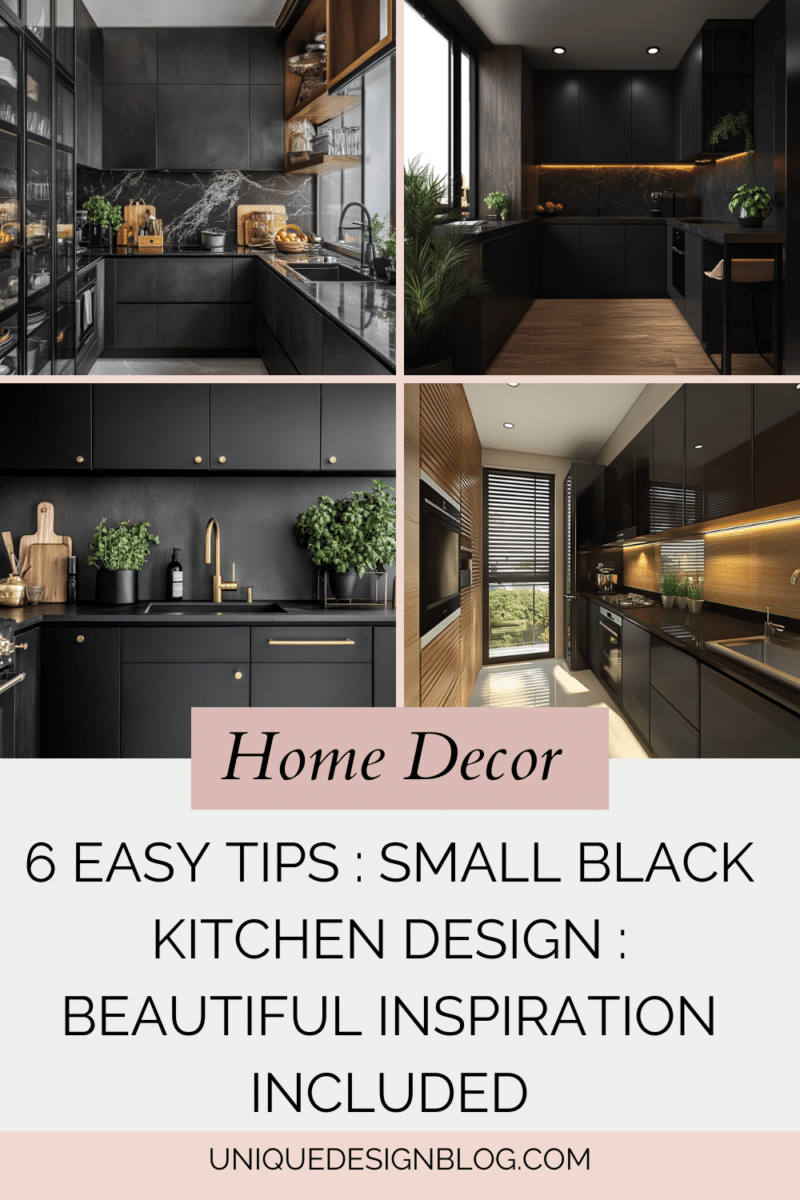
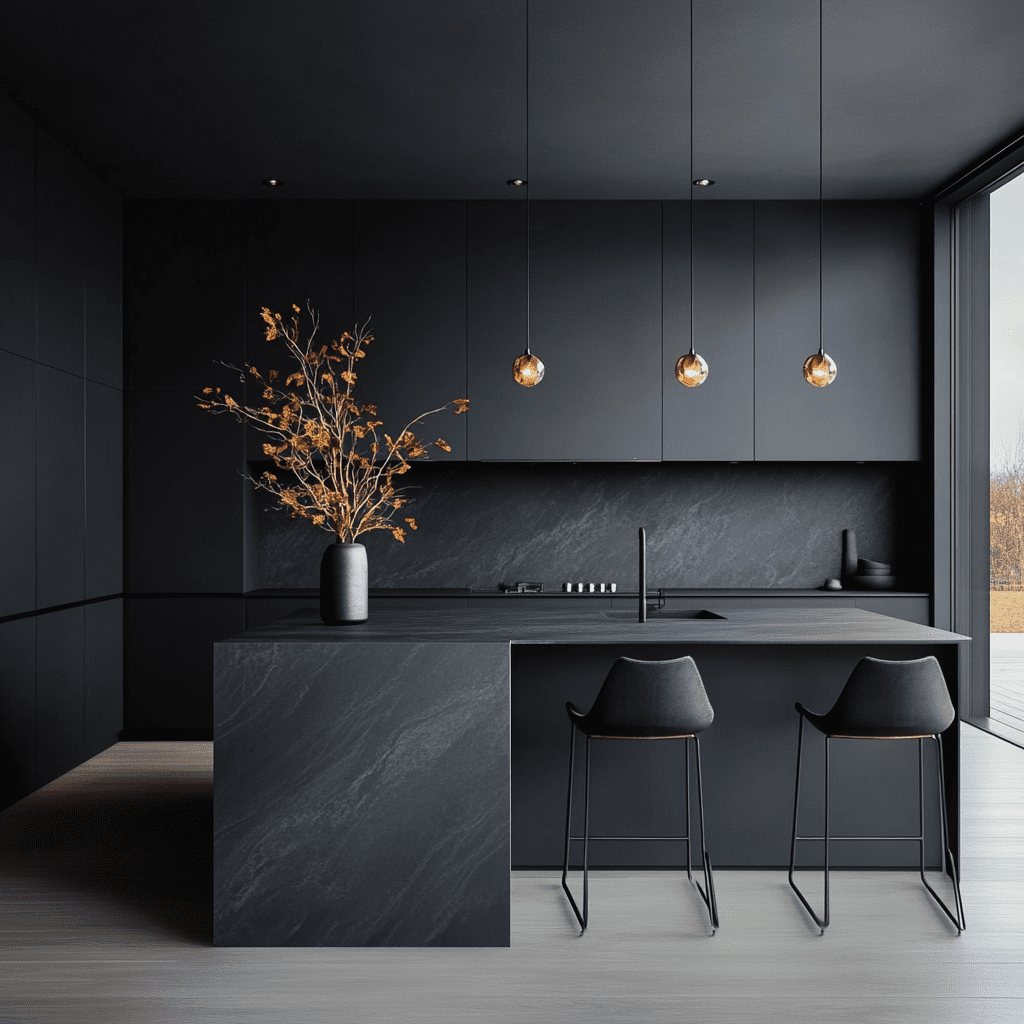
The contractor stood in the middle of a 70-square-foot galley kitchen, holding a paint chip the color of a bruised plum. He looked at me, then at the narrow corridor, and sighed. "If you paint these cabinets charcoal, this room is going to feel like a coffin. You have to go white. White reflects light. Everyone knows that."
It is the oldest dogma in the interior design playbook. For decades, homeowners wrestling with compact footprints have been fed a steady diet of cautionary tales about dark colors. We were told that dark shades act like spatial sponges, swallowing precious daylight, shrinking walls, and turning cramped cookspaces into claustrophobic caves. Generations of renovators obediently reached for the crispest, brightest white paint they could find, hoping to trick the eye into seeing square footage that simply did not exist.
I spent years nodding along to that rule. I specified endless rows of bright white cabinetry and pale quartz countertops, chasing an illusion of airiness that often felt sterile rather than spacious. But a turning point arrived after designing dozens of cramped urban apartments where white paint failed to solve the underlying problem. Light alone cannot fix a poorly proportioned room. White cabinets in a small kitchen do not magically expand the walls; they simply highlight every shadow, every grease spot, and every awkward corner. When I finally threw out the rulebook and painted my first small kitchen a deep, unapologetic shade of forest green, something extraordinary happened. The room stopped trying to pretend it was a ballroom. Instead, it became an intimate, jewel-boxed sanctuary.
The rigid insistence on light color palettes in tight spaces is built on a misunderstanding of how the human eye perceives depth. Light colors bounce photons evenly across a room, erasing boundaries and creating a flat, uniform field of vision. When everything is bright white, you see the exact perimeter of the box you are standing in. Dark colors, by contrast, recede. They absorb light in a way that blurs corners and dissolves hard edges. A charcoal or inky navy cabinet does not scream "here is the end of the room." It creates atmospheric depth, wrapping the space in a sophisticated shadow play that makes the physical boundaries feel soft and indefinite.
As interior aesthetics evolve through 2026, the design world has decisively pivoted away from clinical minimalism. Earthier, atmospheric tones and rich, moody palettes are dominating modern design conversations, from high-fashion runways to custom residential cabinetry. Homeowners are waking up to the reality that a small footprint does not require a timid design approach. In fact, compact spaces are the absolute best places to experiment with drama. A massive, sprawling kitchen painted entirely in black can sometimes feel cold or overwhelming. But a small kitchen wrapped in rich espresso brown, deep teal, or charcoal black feels intentional, tactile, and remarkably luxurious.
Deconstructing the Physics of Light and Shadow in Compact Interiors
The fear of dark paint stems from a fundamental confusion between brightness and spaciousness. Traditional wisdom dictates that a room must be illuminated to its maximum reflective capacity to feel open. Yet, stepping into a well-designed dark space reveals an entirely different spatial dynamic. When you coat cabinetry, baseboards, and walls in a saturated, low-light-reflecting hue, you eliminate the visual clutter that plagues small rooms. High-contrast elements—like white walls paired with dark floors or mismatched hardware—chop a tiny room into frantic visual fragments. Dark monochrome finishes unify these elements, allowing the eye to sweep across the space without stuttering on awkward transitions.
Material selection plays a critical role in how dark surfaces behave under illumination. A common misstep is assuming all dark paint absorbs light identically. Flat or matte finishes swallow light completely, creating a velvety, light-absorbing depth that works wonders on uneven drywall or older cabinet doors. Satin and eggshell finishes introduce a soft, diffused sheen, bouncing subtle highlights around the room without creating glaring hotspots. In a small kitchen, this subtle play of sheen prevents the space from looking dull. It introduces a tactile dimension that makes you want to reach out and run your hand across the cabinet stiles and rails.
Furthermore, the integration of texture changes the entire equation. A dark kitchen does not mean a dark, lifeless cave. When you pair deep charcoal or midnight blue cabinetry with warm organic textures—such as oiled walnut butcher blocks, exposed brick, or veined marble with heavy amber and gold mineral deposits—the room gains soul. The darkness acts as a neutral backdrop that makes these natural materials sing. Light wood tones pop against dark backgrounds with startling clarity, creating a high-contrast interplay that feels grounded and earthy rather than stark and industrial.
Navigating the Psychological Shift from Clinical White to Moody Luxury
Stepping away from safe design choices requires a mental recalibration. Most people do not struggle with the technical aspects of painting a room dark; they struggle with the anxiety of breaking a lifelong design convention. Society has conditioned us to associate cleanliness and modern utility with stark brightness. We equate white kitchens with pristine hygiene, forgetting that a kitchen is a place of alchemy, fire, food, and human gathering. It should feel intimate and enveloping, not like an operating room.
Embracing dark tones in a small kitchen introduces a sense of coziness that light palettes simply cannot replicate. Think about where humans naturally feel most comfortable—we gravitate toward sheltered nooks, dimly lit restaurants, and warm libraries. By introducing rich pigments like bronze, plum, or deep olive into a compact kitchen, you transform a utilitarian chore zone into a moody retreat. Cooking dinner on a Tuesday evening feels less like a domestic duty and more like an atmospheric ritual. The psychological weight of the room shifts from demanding cleanliness to inviting relaxation.
This shift also alters how we perceive clutter. In a bright white kitchen, every stray coffee mug, sponge, and fingerprint on the cabinet pulls focus, screaming for attention against the neutral expanse. Dark cabinetry possesses a forgiving nature. While dust may show more readily on flat black surfaces, the general visual noise of daily kitchen life blends seamlessly into rich, saturated backgrounds. The space maintains its composure even when dinner preparation is halfway done, preserving its sophisticated aesthetic amidst the beautiful chaos of cooking.
A Field-Tested Methodology for Executing a Small Dark Kitchen
Transforming a compact kitchen with dark tones requires a deliberate, methodical approach. You cannot simply grab a can of midnight paint and hope for the best. Success lies in balancing the heavy pigments with calculated moments of reflection, texture, and illumination.
- Step 1 (Audit Your Natural Light and Orientation): Assess how natural light enters the room throughout the day. North-facing kitchens receive cool, muted light that makes dark blues and greens look icy; balance this with warm-undertone paints like chocolate brown or terracotta-infused charcoals. South-facing rooms can handle cool, inky blacks and dramatic teals because the abundant sunlight keeps them from feeling dreary.
- Step 2 (Commit to the Total Immersion Approach): Resist the temptation to paint only the lower cabinets dark while leaving the uppers white. This horizontal split-line chops a small room in half, visually lowering the ceiling. Instead, commit to drenching the entire envelope—cabinets, walls, trim, and sometimes even the ceiling—in the same dark hue to dissolve the corners and maximize spatial depth.
- Step 3 (Layer Your Lighting with Intent): Discard the single overhead flush-mount light. Dark spaces demand multi-tiered illumination. Install warm-temperature (2700K to 3000K) under-cabinet LED strip lights to illuminate work surfaces, add interior cabinet lighting if you have glass-front doors, and hang a statement pendant or sconce with a metallic interior finish to cast a warm glow.
- Step 4 (Introduce Strategic Reflective Surfaces): Balance the light-absorbing qualities of dark paint with reflective accents. Incorporate unlacquered brass hardware, copper cookware hanging from a rail, mirrored backsplashes, or polished soapstone counters that catch stray beams of light and bounce them softly around the room.
- Step 5 (Anchor the Room with Organic Textures): Prevent the space from feeling cold by integrating raw, tactile elements. Pair dark cabinetry with unsealed white oak shelving, vintage runner rugs with rich terracotta tones, or honed limestone countertops that add organic warmth and ground the dramatic color palette.
Common Pitfalls and Field-Tested Workarounds for Dark Kitchens
Even seasoned designers occasionally stumble when working with dark palettes in tight quarters. Ignoring the technical quirks of saturated pigments can turn a bold design statement into an upkeep nightmare or a lighting disaster.
- Pitfall 1 (Choosing the Wrong Paint Sheen): High-gloss paints on dark kitchen cabinets highlight every brushstroke, dent, and warped wood grain under harsh overhead lights. Workaround: Opt for a high-performance satin or matte conversion varnish designed for cabinetry, which diffuses light evenly while offering durability and washability against kitchen grease.
- Pitfall 2 (Failing to Plan for Task Lighting): Dark countertops and cabinets absorb working light, leaving you chopping vegetables in a shadow. Workaround: Never rely solely on ambient lighting. Prioritize high-output, dimmable under-cabinet linear LED channels with a high Color Rendering Index (CRI of 90+) to ensure true color representation while prepping food.
- Pitfall 3 (Creating a Monotonous Black Box): Painting everything dark without varying textures or material finishes results in a flat, lifeless environment that lacks visual dimension. Workaround: Mix finishes within the same color family. Pair matte slab doors with brushed brass pulls, textured zellige tile backsplashes, and warm wood accents to create depth through tactile contrast.
- Pitfall 4 (Ignoring Cabinet Hardware Contrast): Using dark hardware on dark cabinets causes handles and hinges to disappear entirely, making functionality frustrating and the design look muddy. Workaround: Treat hardware as jewelry for the kitchen. Use aged brass, polished nickel, or brushed copper pulls to create a sharp, intentional focal point against dark doors.
- Pitfall 5 (Neglecting the Power of Flooring): Pairing dark cabinets with dark, light-absorbing flooring creates a bottom-heavy room that feels oppressive and closed-in. Workaround: Contrast dark cabinetry with warm, natural white oak hardwood flooring, patterned cement tiles, or lighter stone to ground the space while maintaining vertical airiness.
The Broader Impact of Moodier Palettes on Modern Home Design
The transition toward dark, moody kitchens reflects a cultural shift in how we view our homes. For years, residential interior design was heavily influenced by resale value and homogenised aesthetic trends designed to appeal to the widest possible demographic. Kitchens were treated as financial investments first and personal living spaces second. People built kitchens for hypothetical future buyers rather than for themselves, resulting in endless seas of white shaker cabinets and marble-look quartz that photographs well on social media but lacks personal character.
Embracing dark kitchens represents a reclamation of the home as an expression of personal sanctuary. When you design a kitchen that makes you feel something—whether that is grounded, cocooned, or inspired—you prioritize lived experience over resale calculations. Dark kitchens age gracefully. Unlike trendy neon accents or ultra-glossy finishes that quickly look dated, rich historical tones like deep forest greens, oxblood reds, and inky charcoals possess a timeless gravity. They nod to historic European townhouses and traditional craft workshops while feeling entirely contemporary when paired with modern slab doors and integrated appliances.
Economically and sustainably, this design philosophy also encourages longevity. When homeowners fall deeply in love with a custom, moody color scheme, they are far less likely to tear out a functional kitchen five years later just because trends shifted. Designing with depth and atmosphere creates enduring spaces that demand to be lived in, touched, and enjoyed for decades. It proves that good design is not about obeying arbitrary rules regarding square footage, but about honoring the mood you want to create within your four walls.
Key Takeaways for Your Next Kitchen Transformation
Approaching a small kitchen redesign with a dark palette requires confidence, but the payoff is unmatched architectural character. To ensure your project succeeds from concept to completion, keep these core principles front of mind:
- Embrace Depth Over Illumination: Stop trying to fake square footage with bright white paint; instead, use saturated, receding dark tones to blur awkward corners and create an intimate, sophisticated atmosphere.
- Layer Your Light Sources: Combine warm-toned under-cabinet task lighting, interior cabinet illumination, and statement wall sconces to ensure the space remains functional and inviting at any hour of the day.
- Balance Matte with Metallic: Offset light-absorbing dark surfaces with reflective finishes like unlacquered brass, copper, or polished stone to bounce subtle highlights around the room.
- Honor Natural Textures: Prevent dark kitchens from feeling clinical or cold by integrating warm organic elements such as butcher block counters, vintage runners, and exposed wood shelving.
- Commit Completely: Avoid timid half-measures like two-tone split walls; drenching the entire room in a cohesive dark hue yields the most dramatic and cohesive spatial impact.
Standing in that same small kitchen years later, painted in its deep, moody hue, the initial anxiety feels entirely misplaced. The room never felt like a coffin. Instead, it became the heartbeat of the home—a place where evening light catches the brass hardware, where the dark walls wrap around you like a tailored coat, and where cooking dinner feels like an act of quiet luxury.
The myth of the white small kitchen persists only because we let fear dictate our design choices. We let generalized rules override our personal desire for warmth, drama, and atmosphere. Designing small spaces is not about apologizing for a lack of square footage; it is about celebrating the intimacy that comes with a compact footprint. When you stop fighting the boundaries of a small room and instead lean into its capacity for intimacy, you unlock a level of design freedom that bright, safe palettes can never touch. Toss out the white paint, embrace the shadows, and let your small kitchen tell a bolder story.