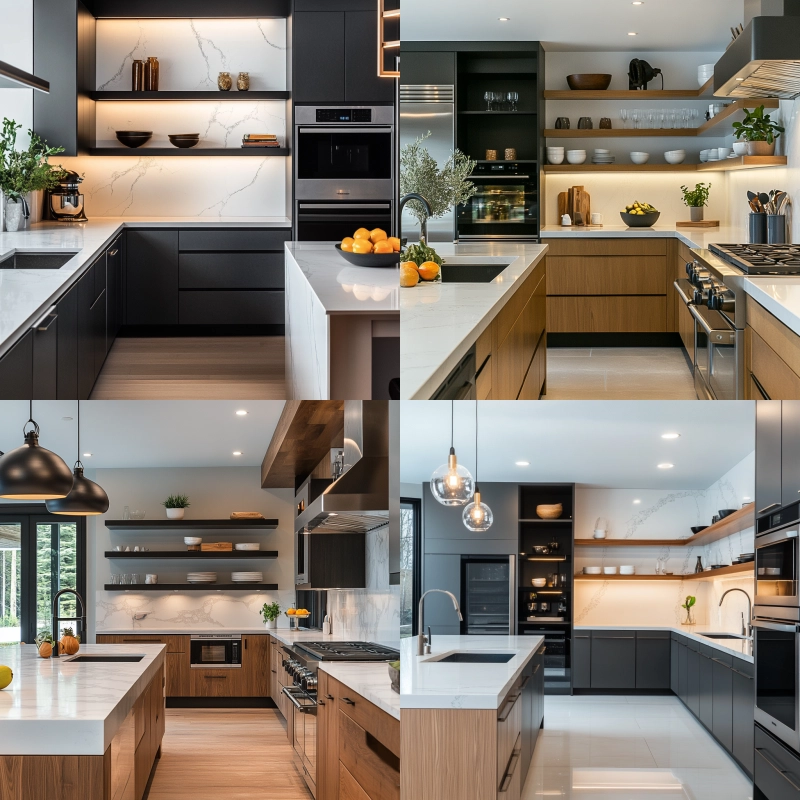
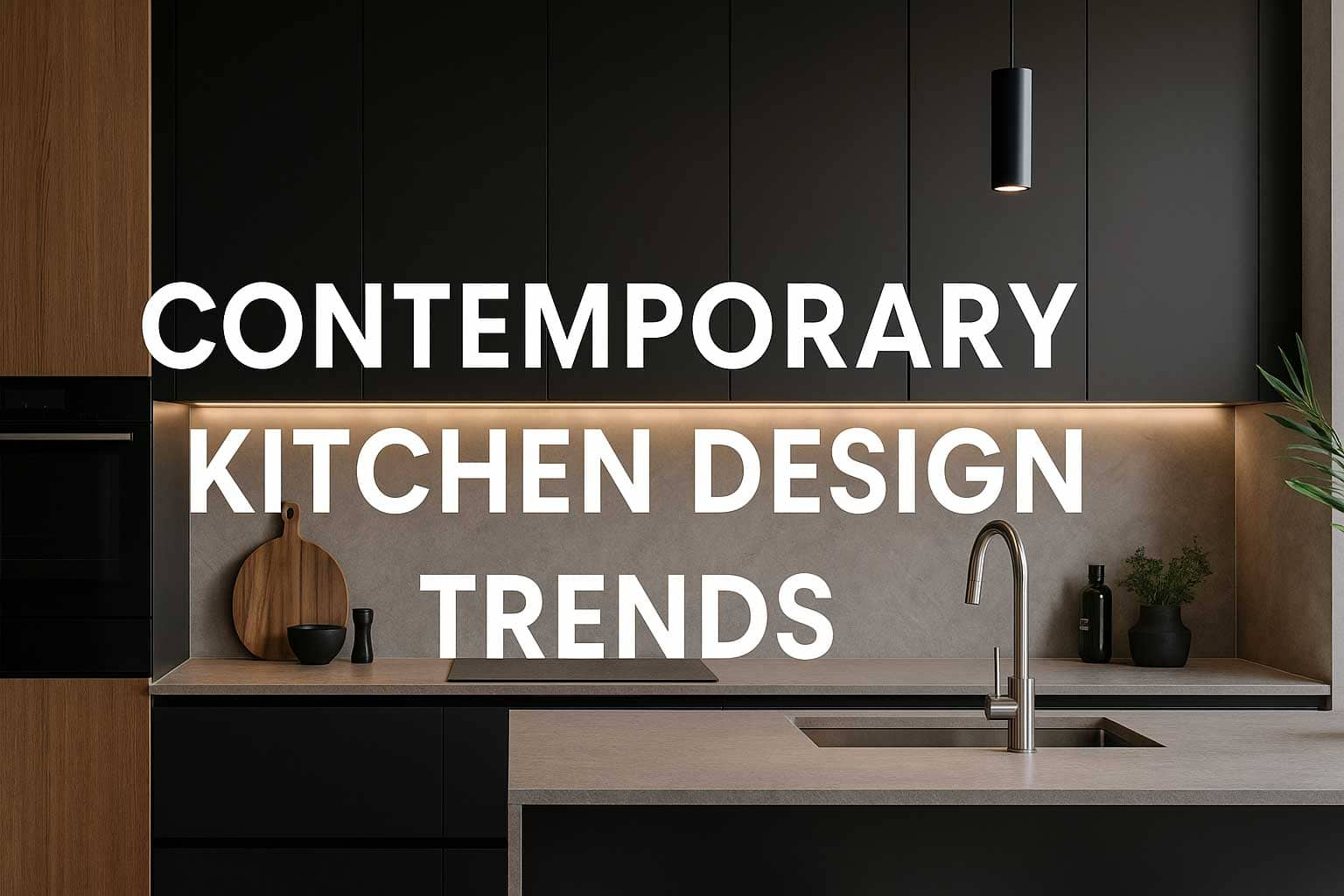
Ever walked into a kitchen that felt incredibly clean and modern, yet so cold you felt like you needed a winter coat just to pour a glass of water. We have all seen those ultra-sleek spaces—gorgeous in photos, sure, but a bit lifeless in reality. On the flip side, going full farmhouse can sometimes leave you feeling like you are living in a pioneer log cabin, drowning in too much heavy timber and plaid.
So, what is the sweet spot. In 2026, the biggest design shift is all about a style people are calling "Heartland Minimalism." It is the art of taking the absolute best parts of cozy rustic living—think raw woods, weathered stone, and handmade textures—and dropping them into a space defined by flat-panel cabinets, hidden appliances, and sharp geometric layouts. It is about creating a room that feels both cutting-edge and deeply welcoming.
The Magic of Contrast: Finding the Balance
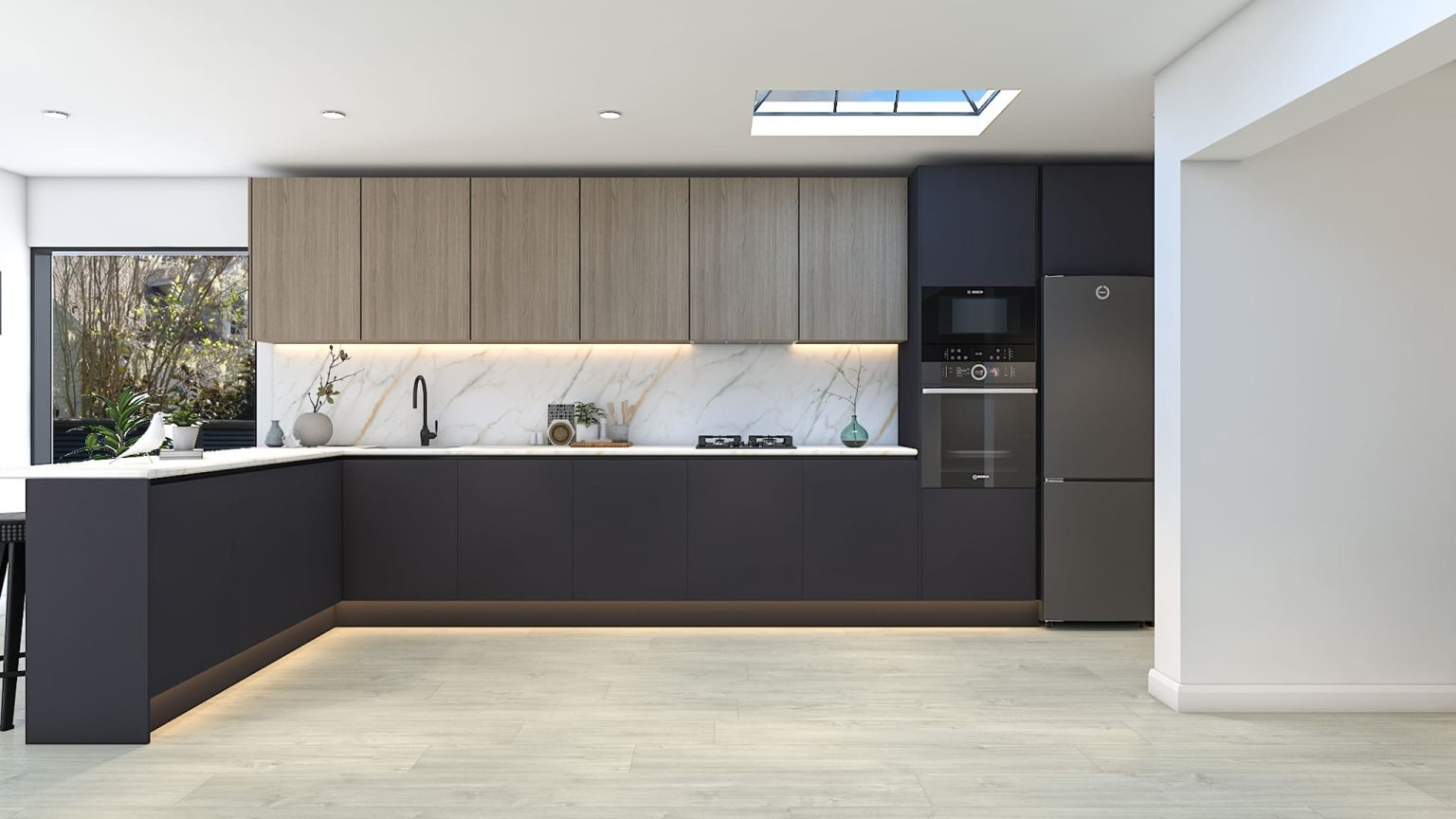
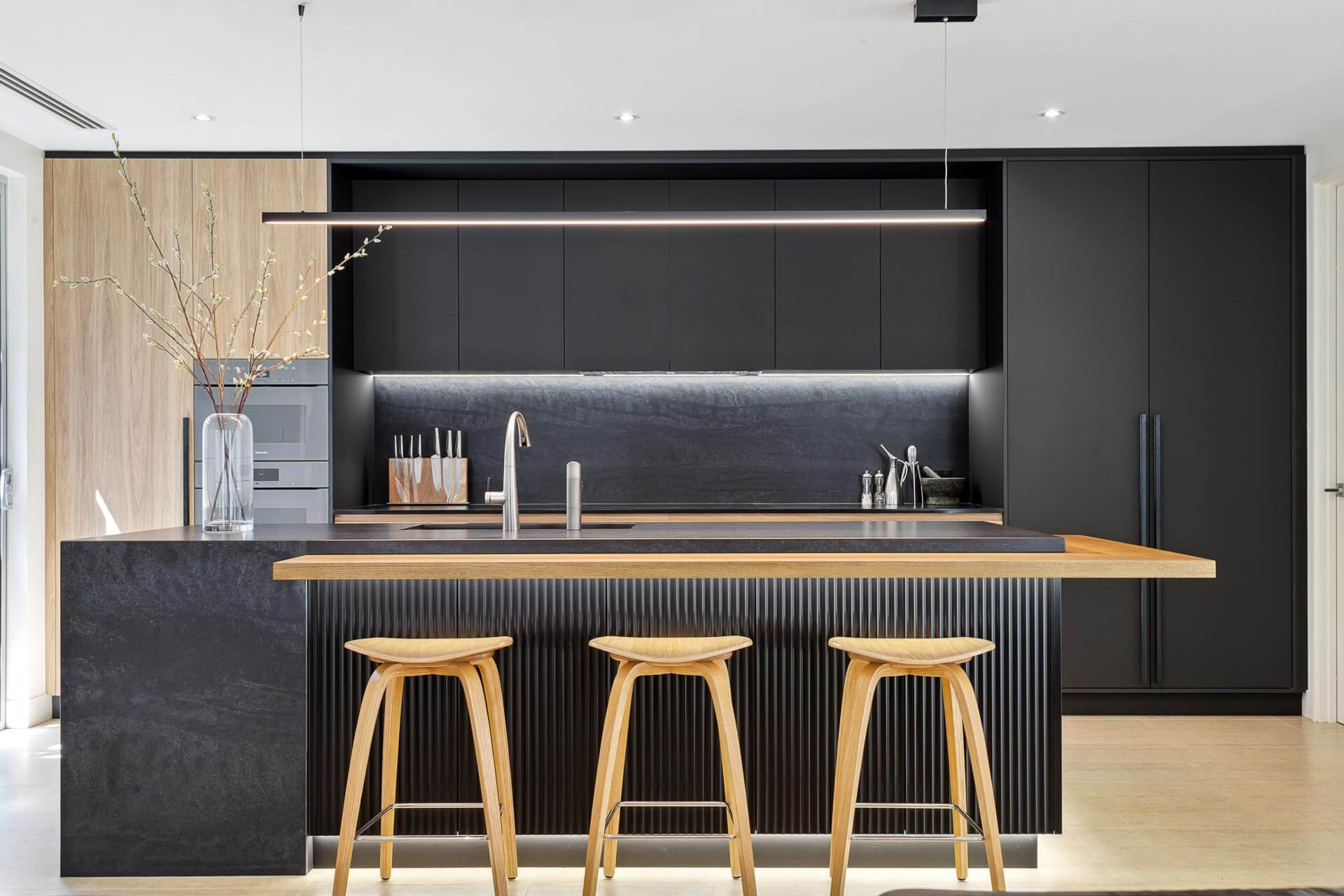
The secret to pulling off this look without causing visual chaos is a simple design rule: opposites attract. If you have super slick, matte black cabinets that look like they belong in a futuristic apartment, you do not pair them with polished marble. Instead, you balance that cold, smooth surface with a chunky, rough-sawn oak island counter.
Think of it like a great outfit. You might wear a tailored, sharp blazer over a worn-in, vintage graphic tee. The contrast is what makes it interesting. In the kitchen, this means pairing ultra-clean lines with materials that show their age and imperfections.
Bringing the Outside In with Raw Timber
Wood has always been the backbone of rustic design, but the way we are using it now is much more intentional. Instead of covering every single wall and ceiling in knotty pine, modern rustic design uses wood as a focal point. It is all about strategic placement.
A great way to do this is by installing a single, massive reclaimed wood beam across a ceiling that is otherwise completely smooth and white. Or, you could opt for floating shelves made from thick slabs of walnut with a raw, live edge, mounted against a stark, minimalist tiled wall. This lets the natural grain and texture of the wood pop against the clean backdrop.
Stone and Concrete: Heavy Textures Meet Clean Edges
Countertops and backsplashes are perfect playgrounds for mixing these two worlds. For a long time, highly polished granite was the king of the kitchen. But lately, design has shifted toward tactile, matte finishes that beg to be touched.
Imagine a kitchen with seamless, poured-concrete floors—completely smooth and modern—paired with a backsplash made of irregular, hand-cut zellige tiles. The tiles reflect light unevenly and have little flaws, which instantly softens the harshness of the concrete. It gives the eye a place to rest and adds a layer of history to a brand-new space.
Smart Hiding Places for Modern Gadgets
Nothing ruins a cozy, rustic vibe faster than a massive, blinking stainless-steel air fryer sitting next to a high-tech espresso station on the counter. To keep the sleek, contemporary side of the equation alive, you need to think about clever concealment.
Integrated appliances are your best friend here. Refrigerators and dishwashers can be faced with panels that match your cabinetry, making them completely disappear when not in use. Appliance garages—hidden cabinets with roll-up doors—are also huge right now, allowing you to hide your blenders and toasters away at a moment’s notice so the natural materials can take center stage.
Lighting that Bridges the Gap
Lighting is often where people make the biggest speling mistakes in design, choosing fixtures that clash horribly with the rest of the room. When you are blending old and new, your lighting needs to act as the glue that holds the two styles together.
Try using architectural, minimalist track lighting to illuminate the workspace, but hang a pair of oversized, hammered-metal pendant lights over the island. The pendants bring in that artisanal, handmade feel, while the hidden track lights keep the ceiling looking clean and uncluttered. It is all about layering the light to create warmth.
Matte Metals over High Shine
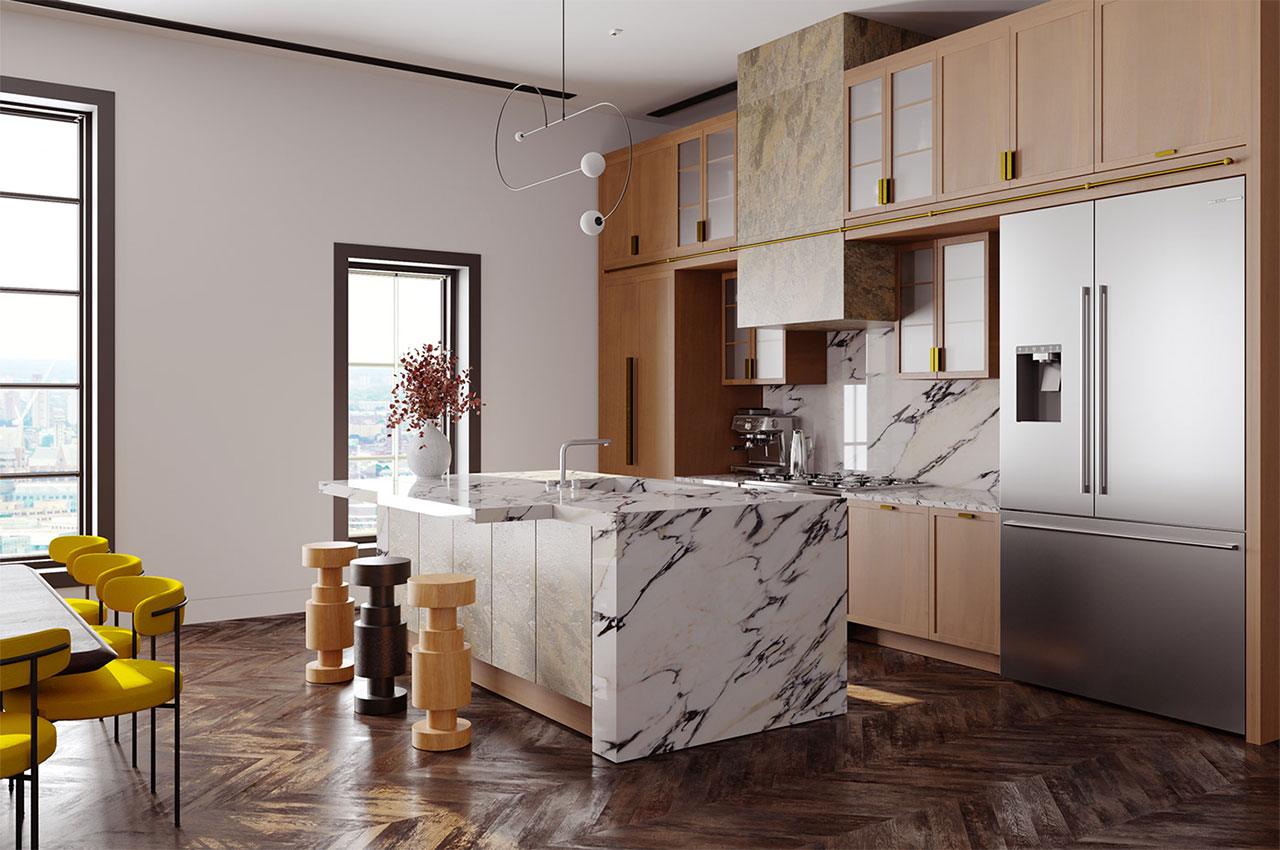
Shiny chrome and bright brass can sometimes feel a bit too flashy for a kitchen that is trying to stay grounded. Instead, look toward living finishes and matte metals to strike the right note. Brushed bronze, gunmetal, and oiled black iron are fantastic choices for cabinet hardware and faucets.
These metals develop a beautiful patina over time, meaning they change and look better the more you use them. When you install these living metals on completely flat, modern cabinet doors, you get a beautiful blend of contemporary simplicity and old-world character.
Creating a kitchen that feels both fresh and timeless does not require a massive budget or a professional degree; it just takes a little patience and a willingness to mix things up. By balancing your smooth, manufactured surfaces with rough, natural elements, you create a space that feels curated rather than manufactured.
Ultimately, your kitchen should be a place where you want to linger over a morning coffee, not just a sterile laboratory for cooking food. Bring in those warm woods, hide away the digital clutter, and let the textures do the heavy lifting. You will end up with a room that feels perfectly balanced for 2026 and beyond.