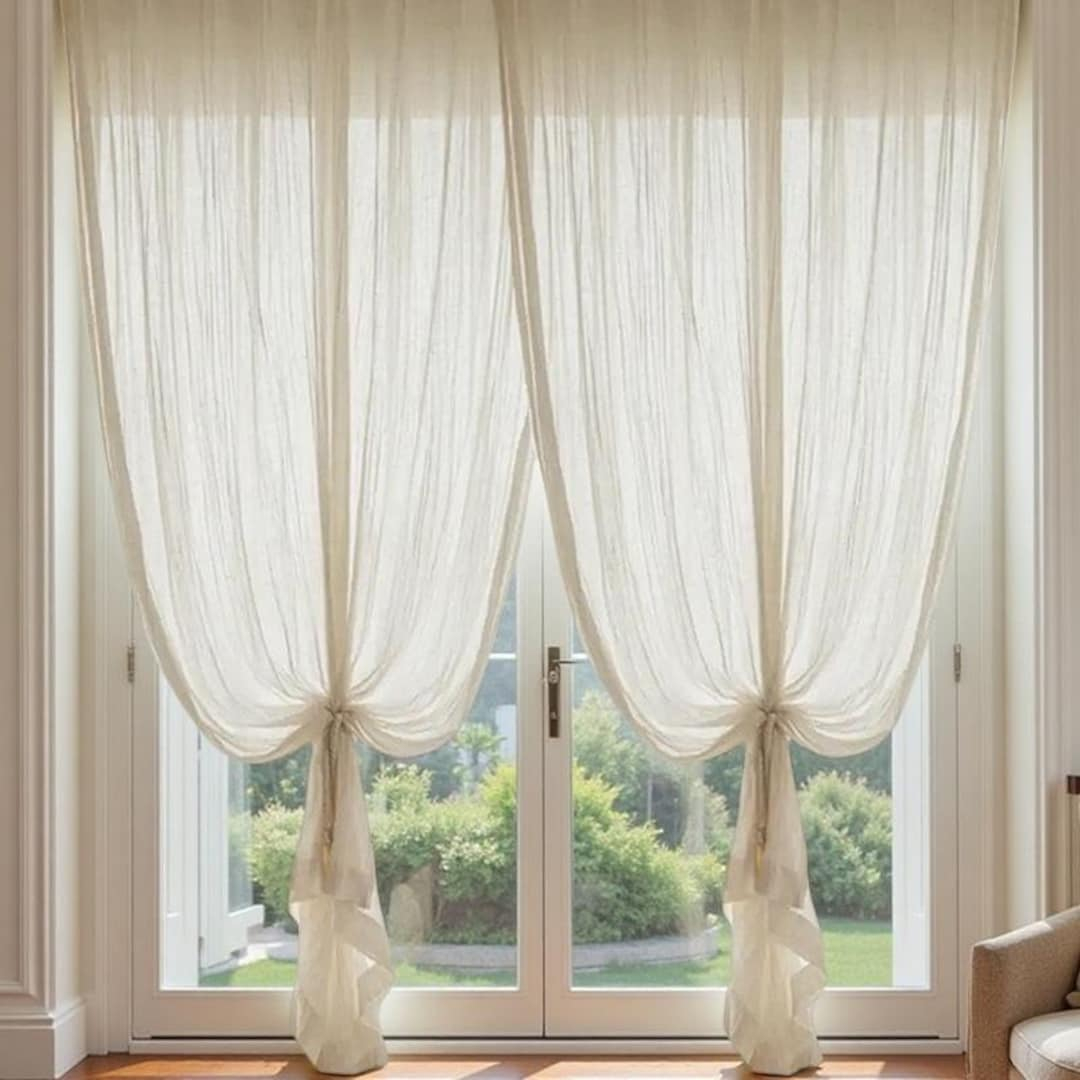
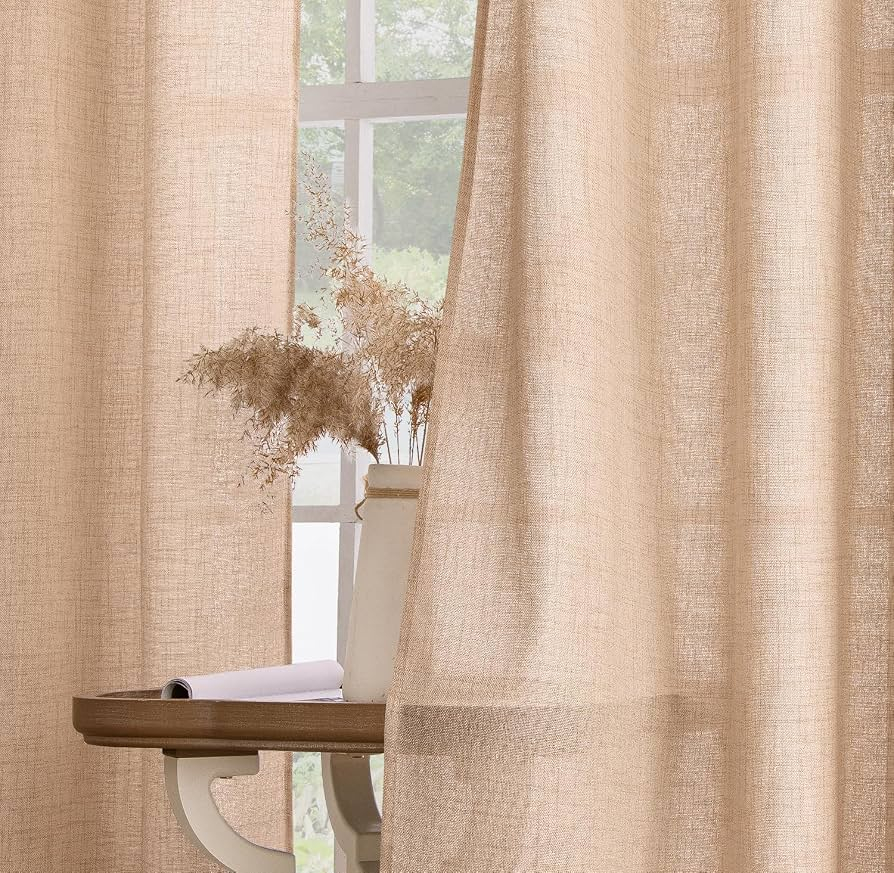
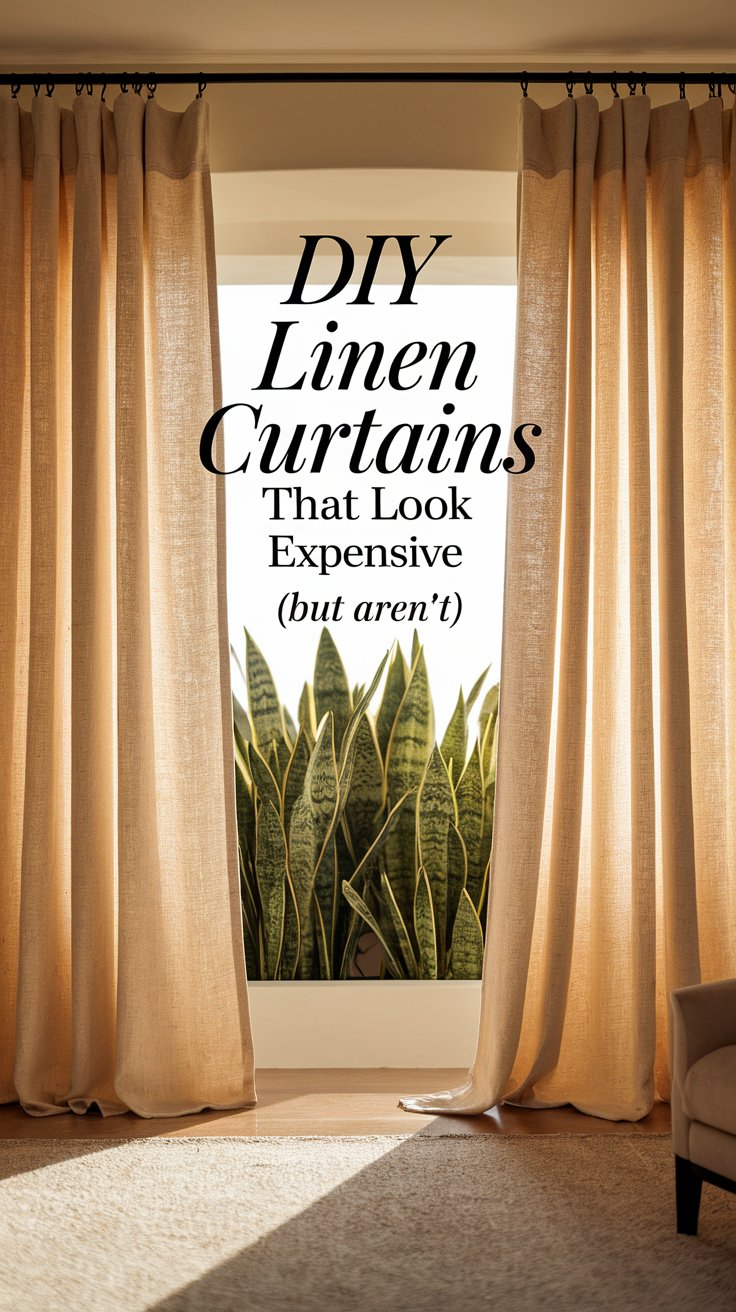
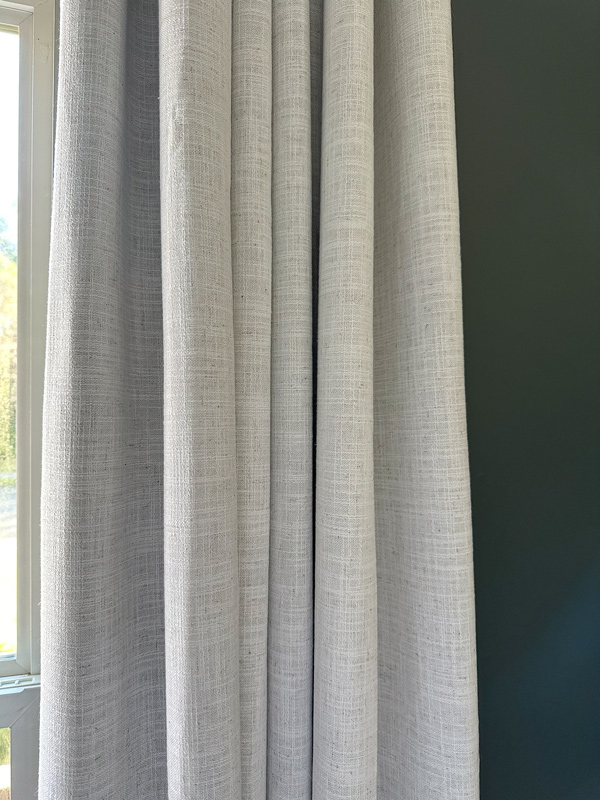
There is a precise psychological threshold in interior design where a living room shifts from feeling like a collection of furniture to feeling like a sanctuary. You can invest in a bespoke Italian leather sofa, lay down an authentic hand-knotted Oushak rug, and hang architectural art, yet the room will still feel hollow if the windows are dressed poorly. Conversely, architectural purists know that the moment window treatments are hung correctly, the entire volume of the space snaps into focus. The folds fall in disciplined vertical columns, the fabric catches the afternoon light with weight and authority, and suddenly an ordinary room possesses the quiet elegance of a high-end boutique hotel.
For decades, achieving this level of visual polish required engaging a professional drapery workroom. Homeowners would flip through heavy fabric sample books, measure drop lengths down to the millimeter, and receive invoices that routinely rivaled the cost of a used car. Custom pleats, weighted hems, and interlining came with an eye-watering price tag. Today, however, the landscape of home styling has shifted dramatically. E-commerce platforms, specialty home retailers, and clever DIY hacks have democratized luxury design, allowing homeowners to source affordable curtain panels that mimic the heavy, tailored aesthetic of custom workroom drapes at a fraction of the cost.
The secret to bridging the gap between a mass-market retail panel and a custom-made architectural installation does not lie in buying more expensive fabric. Instead, it relies entirely on execution, manipulation, and a handful of professional styling tricks that alter how light interacts with textiles. Standard store-bought curtains often betray their budget origins through telltale signs: they are too short, they flutter limply in the draft of an air conditioner, they arrive crumpled with stubborn creases, and they hang rigidly from unsightly metal grommets. By understanding the mechanical and visual rules of drapery design, you can take a pair of basic, budget-friendly panels and completely rewrite their visual narrative.
The Anatomy of High-End Drapery and Why Mass-Market Panels Fall Short
When interior architects evaluate a window treatment, they look past the color and pattern, focusing instead on drape physics, suspension engineering, and volume ratios. Custom drapery succeeds because it is engineered to manipulate light and space in a specific way. The fabric possesses sufficient mass to fall straight without billowing, the headers are structured to maintain consistent spacing between folds, and the overall installation is scaled to trick the human eye into perceiving larger windows and higher ceilings than what structurally exists. Mass-market panels, by contrast, are manufactured for universal appeal and cheap shipping, meaning they are engineered to cut corners.
The most common giveaway of an affordable curtain panel is weightlessness. Budget curtains are frequently woven from lightweight polyester or flimsy cotton blends that lack the structural density required to create deep, natural folds. When hung, these fabrics tend to flare outward at the sides or float rather than fall. Furthermore, standard retail curtains are often sold in fixed, restrictive lengths—typically 84 or 96 inches—forcing homeowners to hang their hardware at awkward, low heights that chop up the visual plane of the room. When you examine a luxury drapery panel from a high-end interior design studio, you notice interlining sandwiched between the face fabric and the lining. This hidden layer provides body, shields the fabric from UV degradation, and creates that signature luxurious ripple that holds its shape over years of use.
Understanding these structural shortcomings is the first step toward correcting them. You do not necessarily need to sew interlining into a pair of twenty-dollar panels, but you do need to compensate for its absence. By introducing external weighting, upgrading the hanging hardware, and selecting fabrics with inherent textural depth—such as linen-poly blends, heavyweight cotton velvet, or faux-silk dupioni—you replicate the physical characteristics of custom workroom creations. The goal is to eliminate the lightweight bounce of retail textiles and replace it with a controlled, architectural gravity that anchors the living room.
Mastering Scale, Proportion, and the Art of High-Mounted Hardware
The single greatest mistake amateurs make when hanging living room curtains is treating the window frame as the absolute boundary for hardware placement. If your window sits six feet off the floor, mounting your curtain rod directly above the trim line immediately lowers your ceiling height in the observer’s subconscious. High-end design thrives on verticality and elongation. To achieve a custom designer aesthetic, the golden rule is to mount your drapery hardware significantly higher than the window frame—often halfway between the top of the trim and the crown molding, or roughly four to six inches below the ceiling line itself.
Simultaneously, the horizontal span of the hardware must exceed the width of the window. A custom designer treatment never crowds the glass; it frames it. Extending your curtain rod six to twelve inches beyond the window frame on either side accomplishes two vital objectives. First, it allows the curtain panels to stack completely off the glass when open, maximizing natural light penetration and making the window appear expansive. Second, it creates the optical illusion of architectural width, transforming a modest builder-grade window into a grand focal point. When selecting a rod, avoid thin, flimsy metal or plastic tension rods that sag under the slightest tension; opt for solid iron, brushed brass, or thick wooden poles with a minimum diameter of one inch to provide the necessary visual weight.
Proportion also dictates the fullness ratio of your fabric. Standard retail panels are often purchased in single pairs that, when pulled closed, stretch flat across the window like a bedsheet. Custom drapery, conversely, is always specified with a fullness ratio of at least 2-to-1, and frequently 2.5-to-1 or 3-to-1 for pleated styles. This means the combined width of your curtain panels should be double or triple the actual width of the rod. If your living room wall requires a 100-inch span of coverage, your panels must provide 200 to 300 inches of flat fabric width. Skimping on fabric width destroys the rich, undulating folds that define high-end interiors, leaving your windows looking sparse and underdressed.
Step-by-Step Implementation Guide for Upgrading Budget Curtains
Transforming a pair of affordable, store-bought panels into what looks like a bespoke designer installation requires a methodical, step-by-step approach. By executing these sequential modifications, you systematically eliminate every cheap visual cue while building architectural presence.
- Step 1 (Precision Measurement and Hardware Placement): Measure the distance from your floor to the desired mounting height just beneath your crown molding. Subtract the drop length of your rings or hooks to determine the exact hole placement for your brackets, ensuring your rods extend 8 to 12 inches past the window frame on both sides for maximum light and perceived width.
- Step 2 (The Ironing and Steaming Phase): Never hang curtains straight out of the plastic packaging. Lay them flat and thoroughly iron out every fold and crease using the appropriate heat setting for the fabric, then hang them on the newly installed rod and use a commercial vertical clothing steamer to relax the fibers while gravity pulls the panel downward.
- Step 3 (Hardware Upgrades and Ring Integration): Ditch standard back-tabs, rod pockets, and grommets, which create stiff, rigid folds and prevent smooth gliding. Instead, attach drapery pin hooks into the header tape of your panels at uniform intervals and clip them onto heavy-duty drapery rings suspended from your upgraded rod.
- Step 4 (Drapery Weight Installation): Combat lightweight fabric drift by inserting custom drapery weights into the bottom hem corners of each panel. You can easily slip lead drapery weights or even heavy pennies into the hem pocket and tack them in place with a few stitches, forcing the fabric to hang in straight, unyielding vertical columns.
- Step 5 (Training the Folds): Create permanent memory in your curtain fabric by manually gathering the panels into accordion folds from top to bottom, wrapping them loosely with fabric ties or soft ribbon every twelve inches, and leaving them secured in this pleated position for 48 to 72 hours to achieve crisp, professional lines.
Navigating Common Pitfalls and Field-Tested Workarounds
Even with the best intentions, DIY window treatment projects can run into predictable snags that instantly expose a budget hack. Knowing what can go wrong—and how professional stylists work around these issues—will save you time, money, and frustration.
- Pitfall 1 (Panels That Float Above the Floor): Curtains that hover an inch or two above the floor look awkward, as though they shrank in the wash. Workaround: Always ensure your panels either skim the floor precisely or create a luxurious "break" by pooling one to two inches of excess fabric onto the floor, mimicking high-end tailoring.
- Pitfall 2 (Sagging Center Brackets on Wide Windows): Spanning a wide living room window with a single long rod inevitably causes the middle to sag under the weight of heavy fabric. Workaround: Install a concealed center support bracket directly into a wall stud or use heavy-duty drywall anchors, and ensure your rings can glide smoothly past the bracket if you intend to draw the curtains frequently.
- Pitfall 3 (Wrinkled or Puckered Hems from Iron-On Tape): Using no-sew iron hem tape can result in stiff, shiny, puckered lines if the heat is applied incorrectly or the fabric shifts. Workaround: Use a pressing cloth between the iron and your curtain fabric, work in small six-inch sections, and let the adhesive cool completely before pulling or adjusting the hem.
- Pitfall 4 (Flat, Unstructured Header Tops): Standard budget panels often droop or sag between rings, destroying the clean horizontal line of the drapery header. Workaround: Insert buckram tape or stiffening strips into the upper pocket of the panel, or use pinch-pleat drapery tape paired with adjustable pin hooks to force the fabric to stand upright.
- Pitfall 5 (Static Cling and Fabric Distortion): Synthetic budget fabrics frequently suffer from static electricity, causing them to cling to each other or flare out haphazardly instead of hanging straight. Workaround: Lightly mist your hanging panels with a fabric-safe anti-static spray or a diluted mixture of fabric softener and water to neutralize static and allow the fibers to settle naturally.
The Broader Impact of Window Treatments on Living Room Acoustics and Energy Efficiency
Beyond mere aesthetics, high-end window treatments play a profound role in the physics of a living room, particularly regarding acoustics and thermal regulation. Modern open-concept living spaces, characterized by hardwood floors, concrete surfaces, and minimalist drywall, often suffer from severe acoustic reverberation. Sound bounces off these hard planes, creating an echoey, cavernous environment that feels harsh and uninviting. Layering substantial, heavyweight drapery panels across expansive living room windows acts as a massive acoustic dampener, absorbing sound waves and introducing a warm, intimate quietness to the room.
From an energy efficiency standpoint, architectural drapery acts as a thermal barrier. Large glass windows are notorious thermal weak points in residential architecture, allowing heat to escape during cold winter nights and radiating solar heat inward during scorching summer afternoons. By hanging full-length, voluminous curtains that sit close to the wall and extend past the window frame, you trap a layer of stagnant air between the glass and the fabric. This trapped air mass functions as natural insulation, significantly reducing heating and cooling loads over the course of the year.
Furthermore, investing time in upgrading your budget window treatments cultivates a mindset of intentional resourcefulness. Rather than defaulting to expensive custom fabrication or settling for low-quality out-of-the-box appearances, you learn to look at retail goods as raw materials. This design philosophy translates across the entire home, teaching you how to evaluate proportion, tactile quality, and hardware integration. The result is a living room that feels cohesive, tactile, and deeply personalized, proving that luxury is ultimately a function of thoughtful styling rather than limitless expenditure.
Actionable Recommendations and Key Frameworks for Designer Results
To synthesize these professional techniques into a repeatable framework for your next living room project, keep several core design principles at the forefront of your decision-making process. First, prioritize fabric texture over pattern; solid linens, woven cottons, and rich velvets inherently look more expensive and timeless than printed polyester designs. Second, never compromise on hardware scale—thicker rods, substantial rings, and generous clearance margins are non-negotiable elements of the custom illusion.
Third, commit to the finishing details that separate amateurs from professionals. Steaming out every crease, training the folds into crisp accordion pleats, and adding discreet weights to the bottom hems are the invisible mechanics that sell the high-end illusion. When guests enter your living room, they will not inspect the price tag on the packaging; they will see vertical columns of fabric that catch the light evenly, frame the outdoor view with architectural authority, and anchor the space with effortless sophistication. By following these field-tested guidelines, you achieve the uncompromising elegance of custom drapery while retaining the financial freedom to invest in other areas of your home.
The transformation of a living room is rarely about a single grand gesture; it is an accumulation of micro-decisions that collectively elevate the human experience within a space. When you take a humble pair of store-bought curtain panels and apply the rigorous standards of architectural design—raising the hardware, maximizing the fullness ratio, weighting the hems, and training the folds—you are engaging in a craft that honors both your home and your budget.
As interior design trends continue to embrace tactile authenticity and sustainable personalization, the ability to curate high-end aesthetics through smart modification becomes an invaluable skill. Your living room is the stage upon which daily life unfolds, and it deserves to be framed by window treatments that feel intentional, substantial, and enduring. Armed with these techniques, you can approach any blank window with confidence, knowing that true luxury is always within reach for those willing to pay attention to the details.